
Jan C Schlegel is a contemporary artist working with historical photographic processes to create rare, hand-made prints. His work examines how perception constructs reality across biological, architectural, and psychological forms.
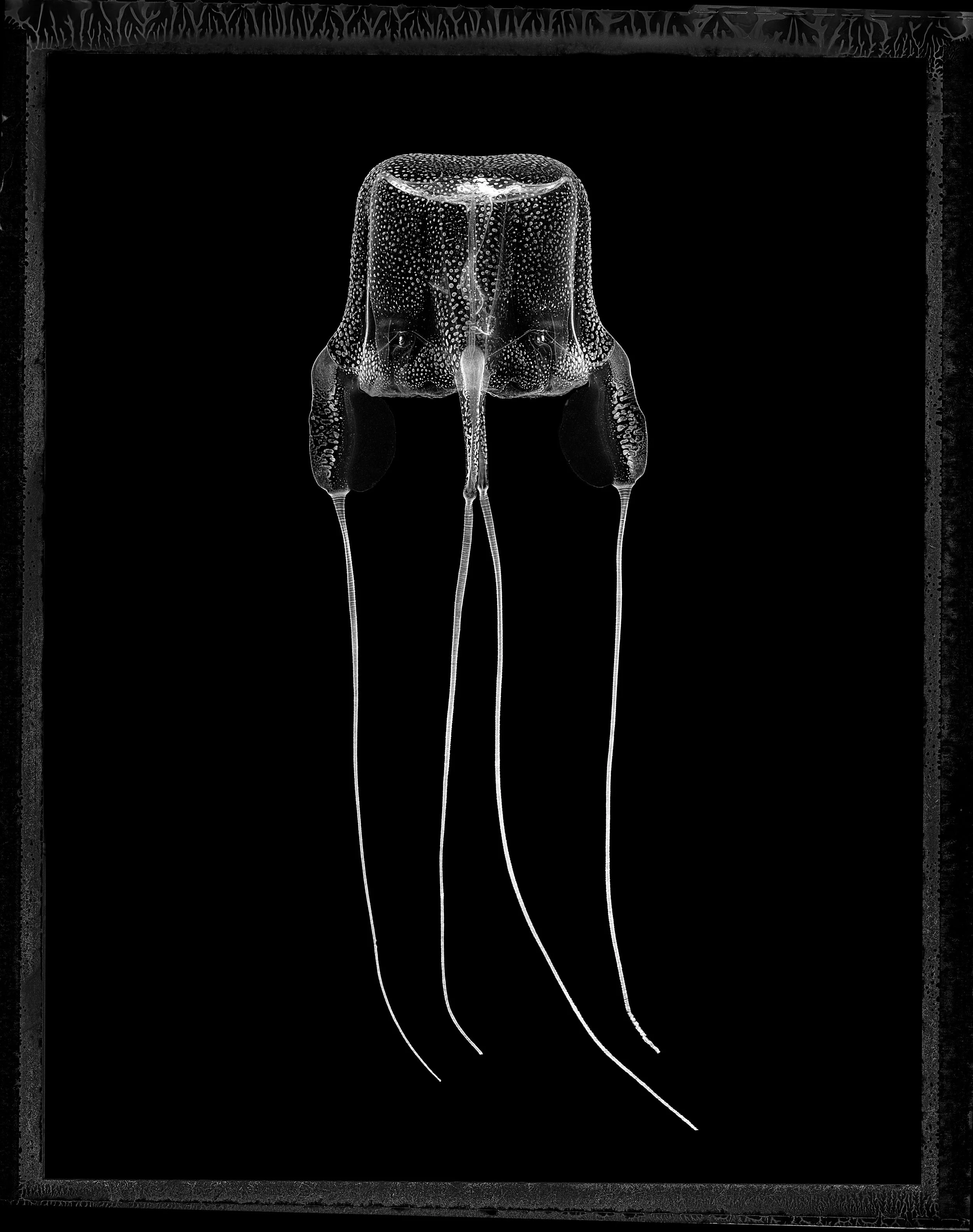
Of Aliens, Mermaids and Medusas
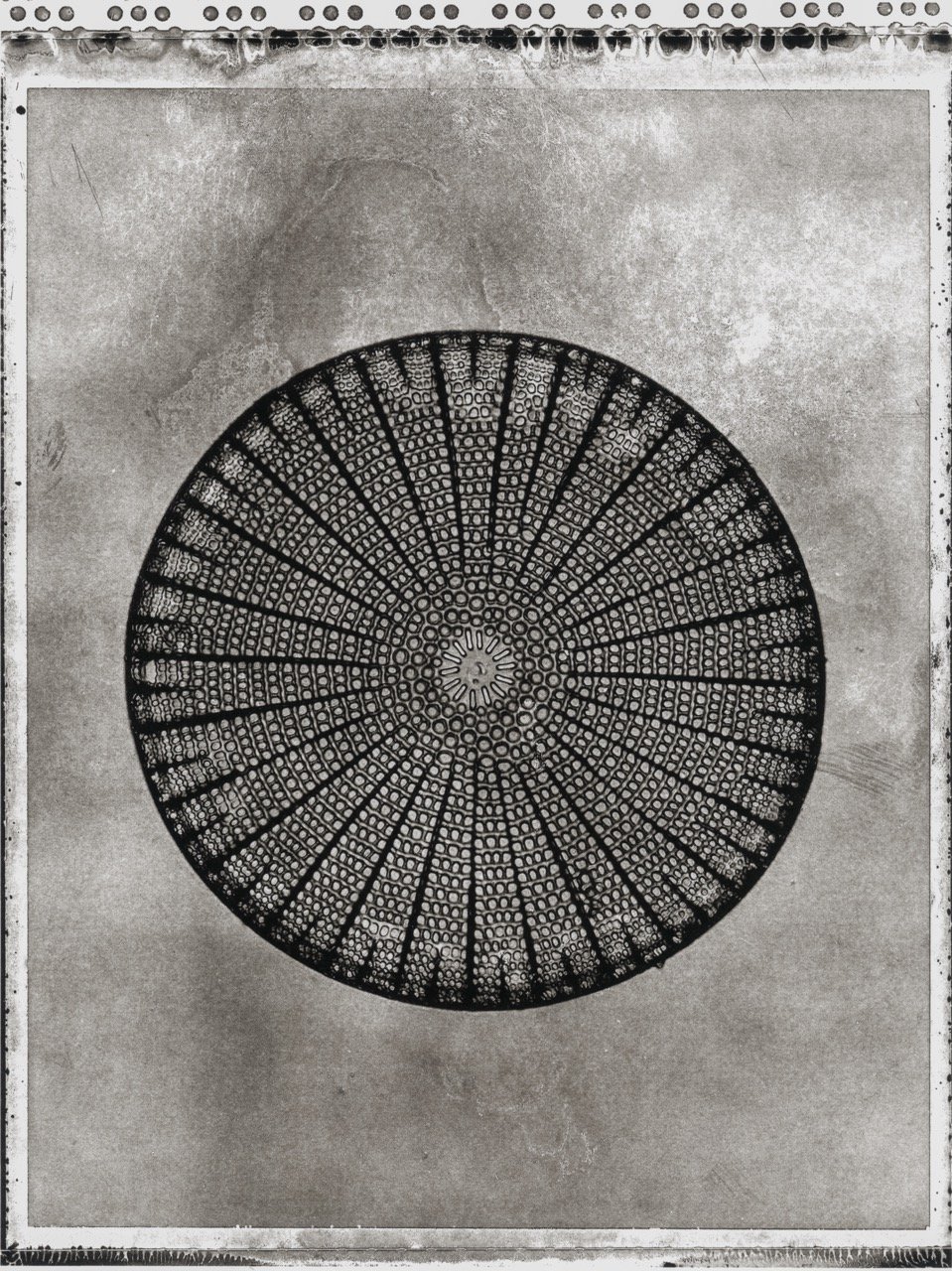
Life on Earth
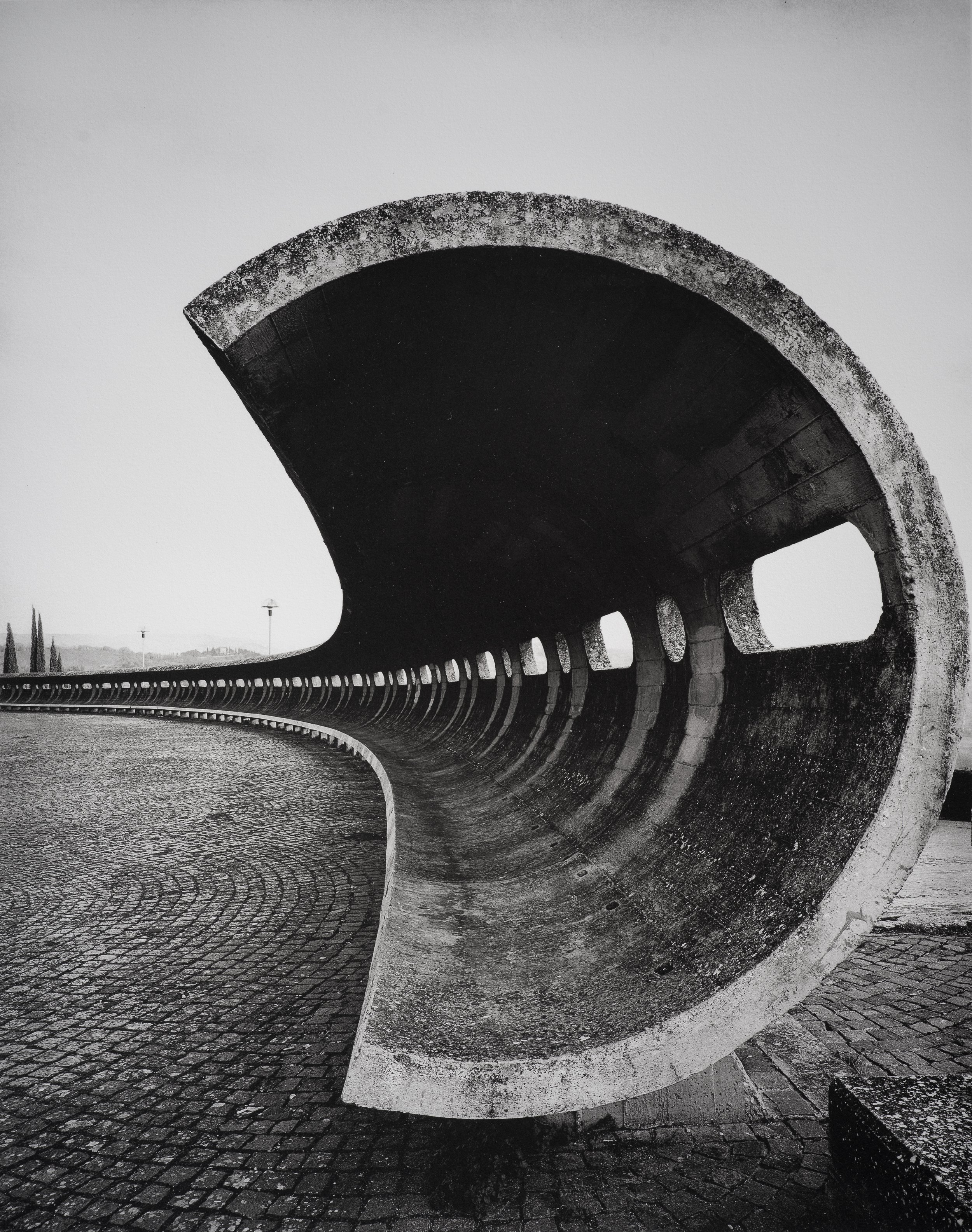
Silent Giants
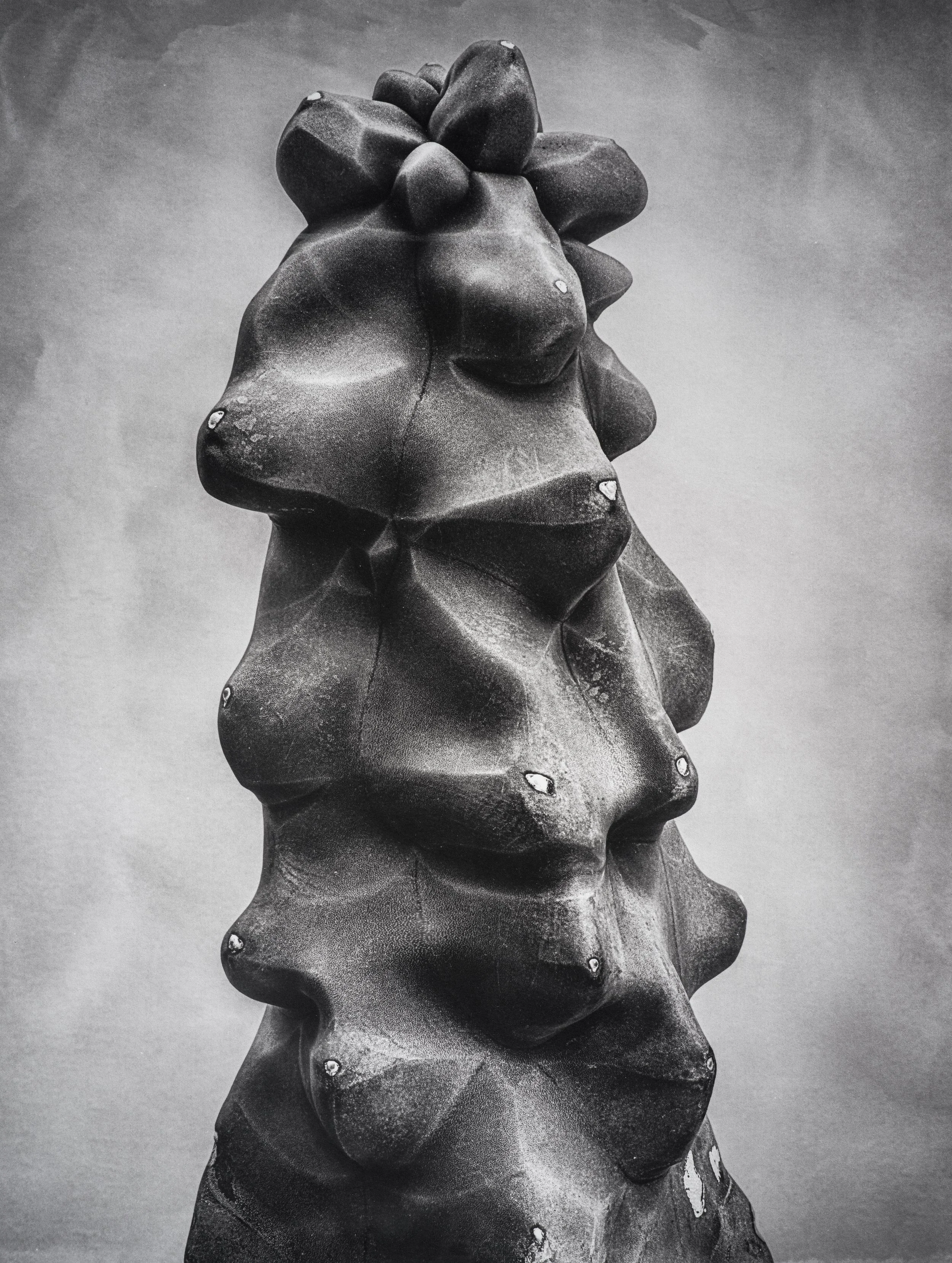
Liebkosungen
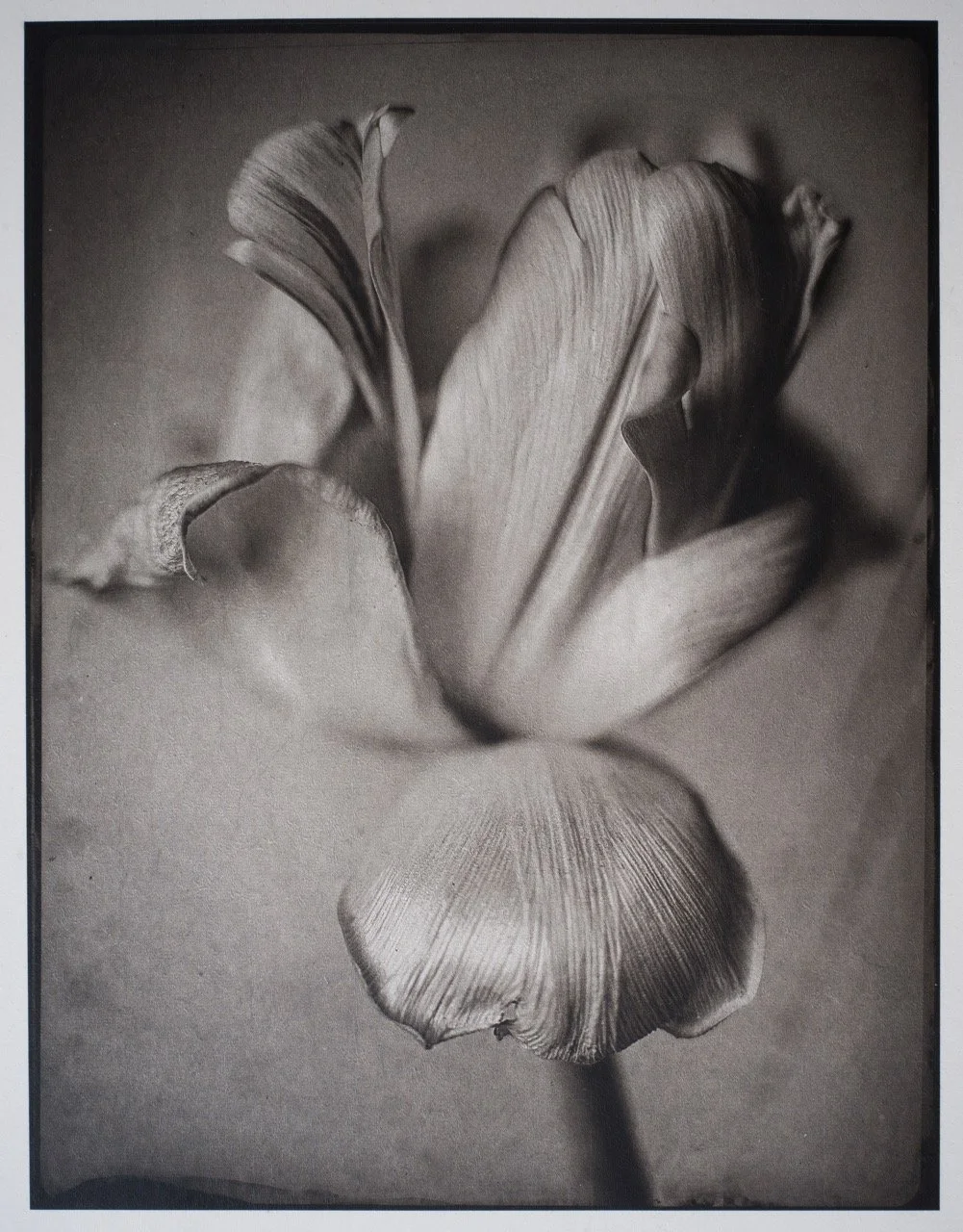
My Secret Garden
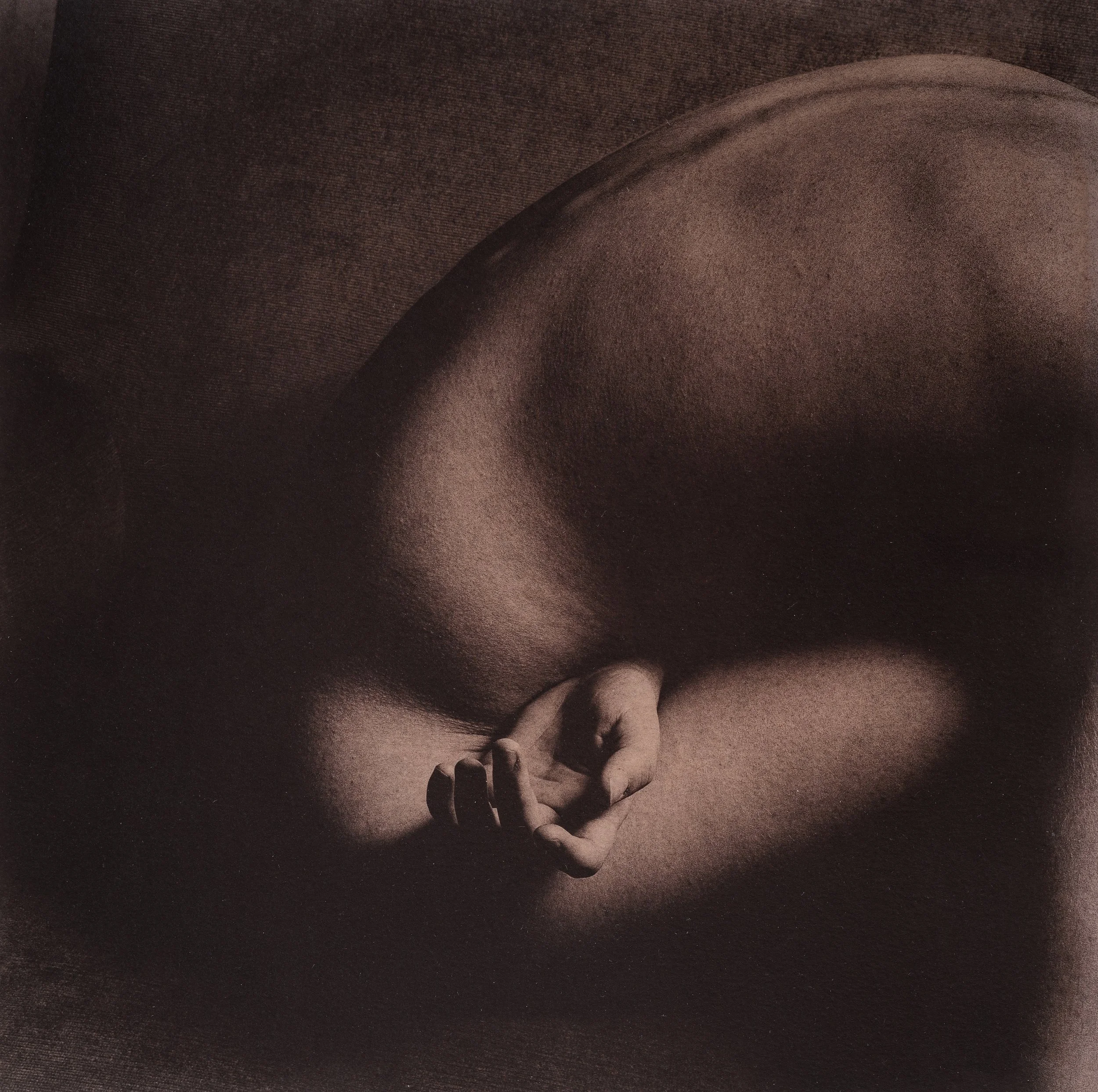
Shalimar
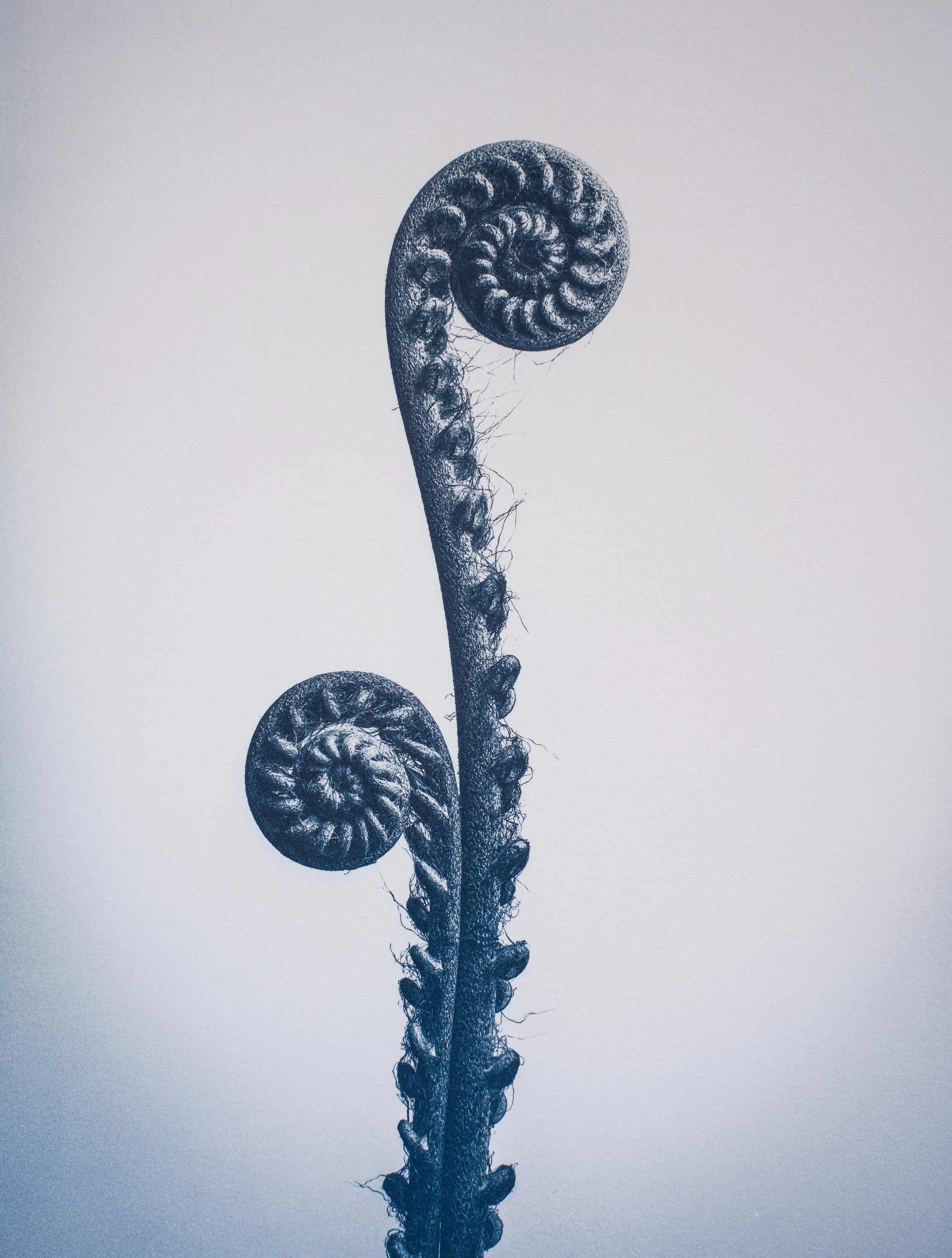
Unfurling - Portraits of Becoming
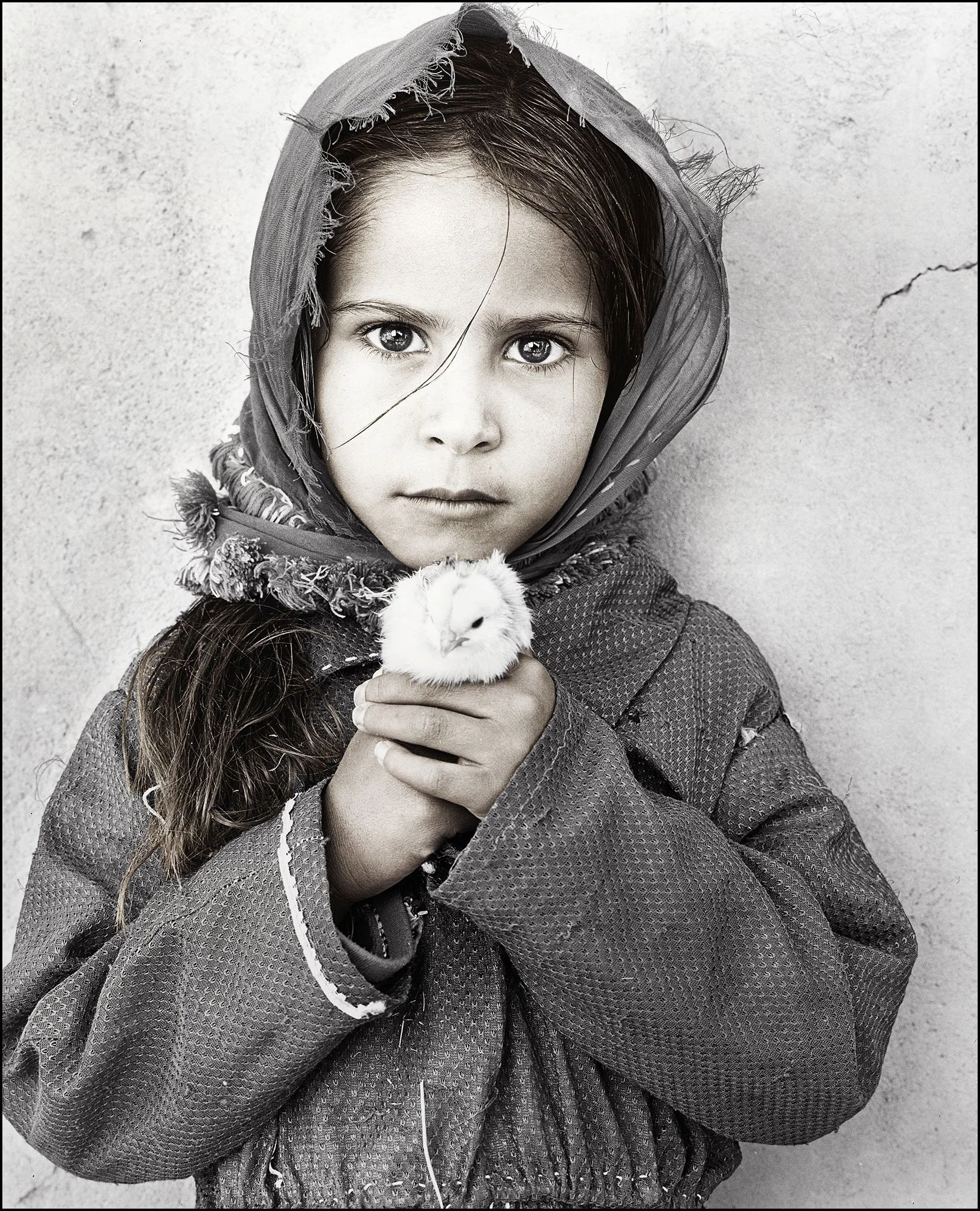
Essence

Of Fear & Death
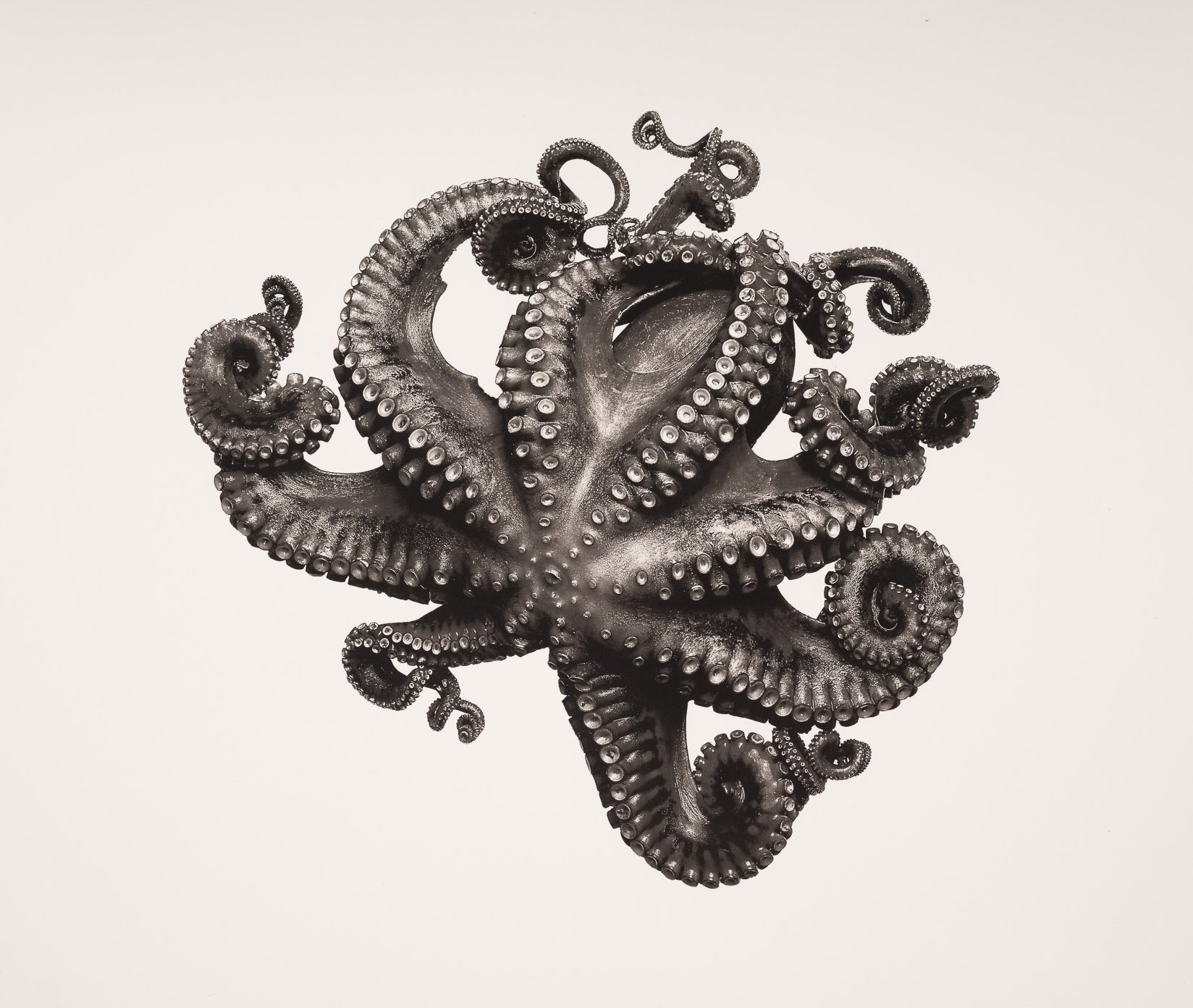
Creatures of the Seven Seas
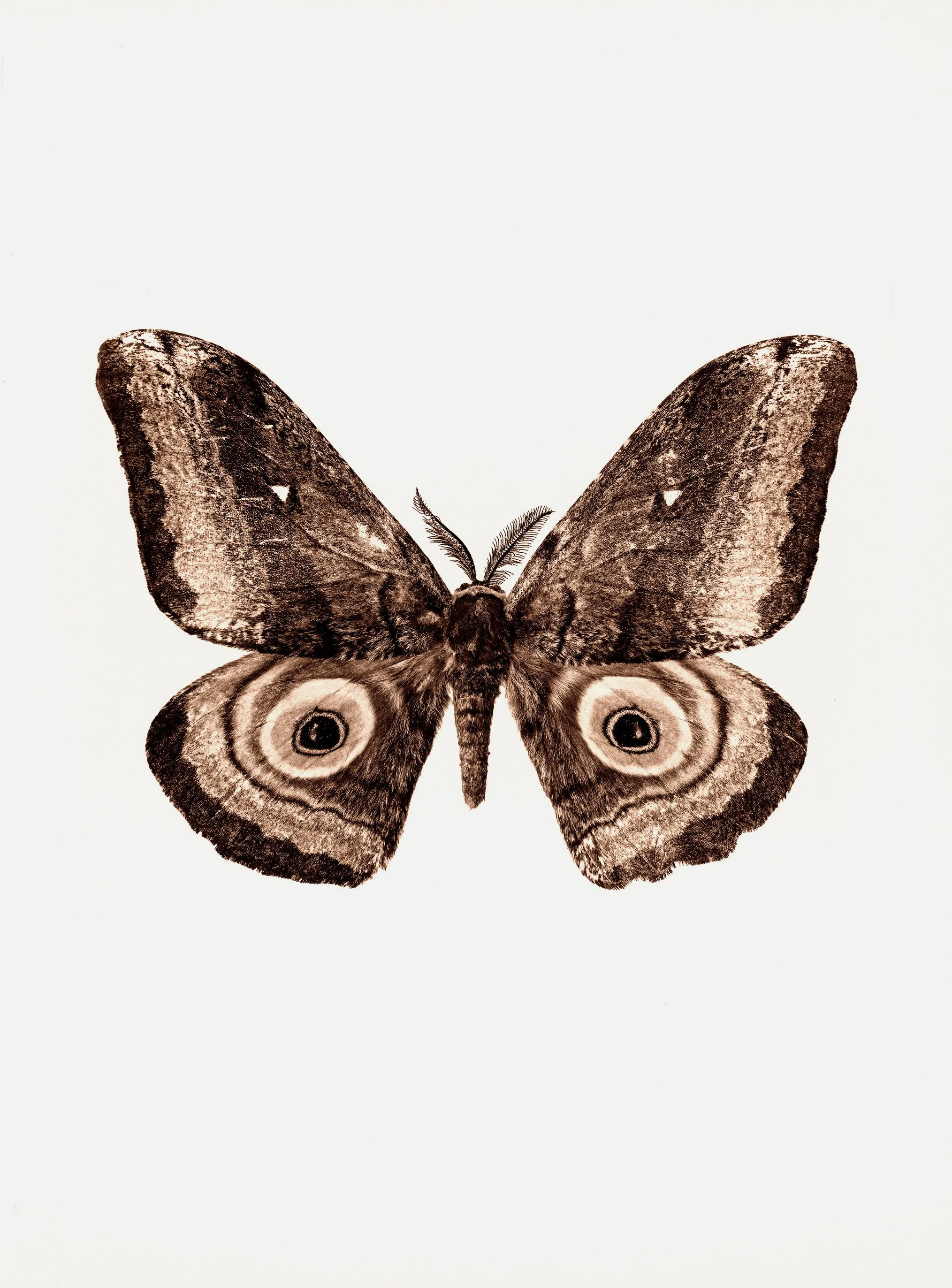
Of Monster & Dragon
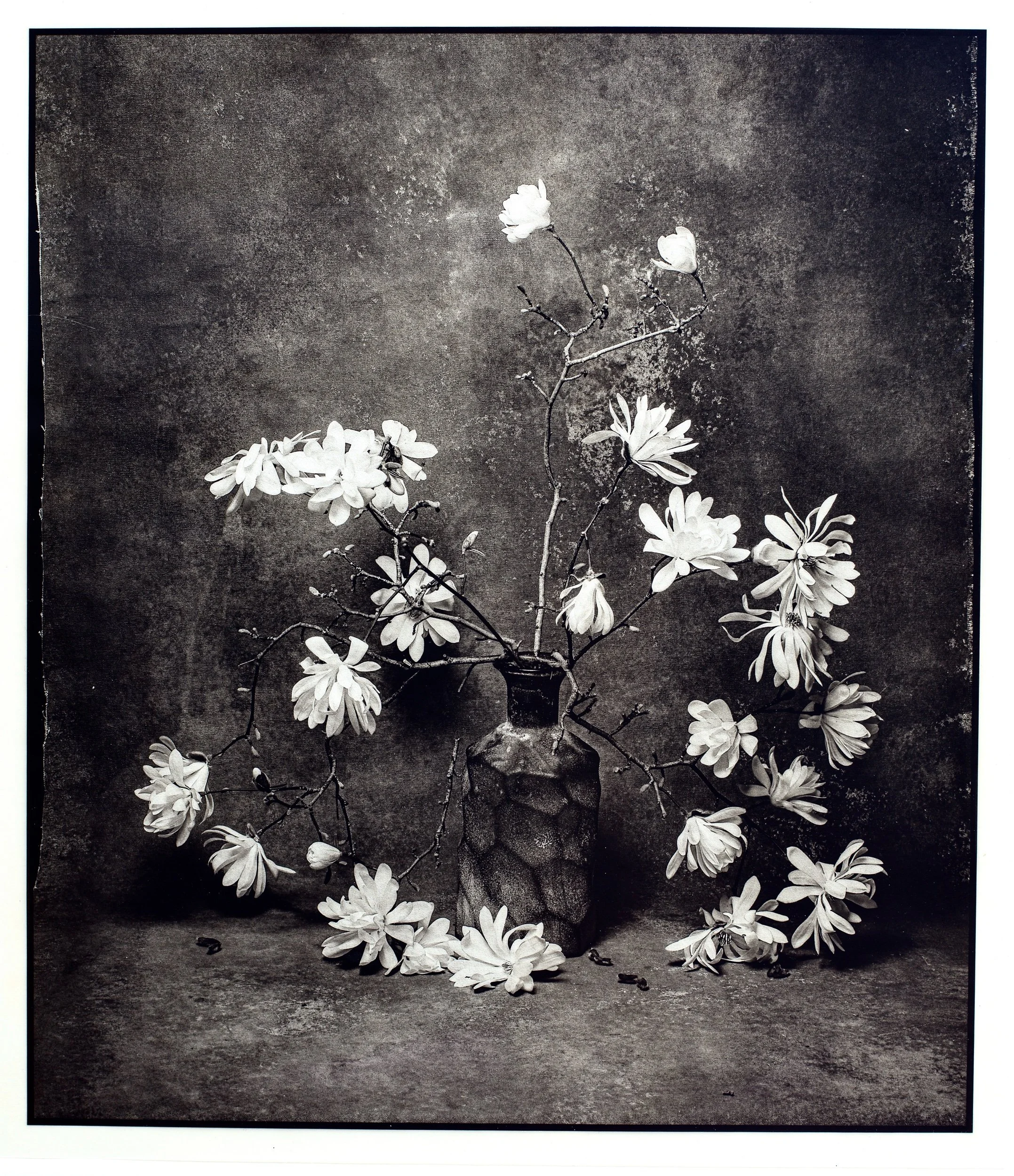
Liturgy of Light

Private Studies

Tribes of our Generation

The very last of a Legend
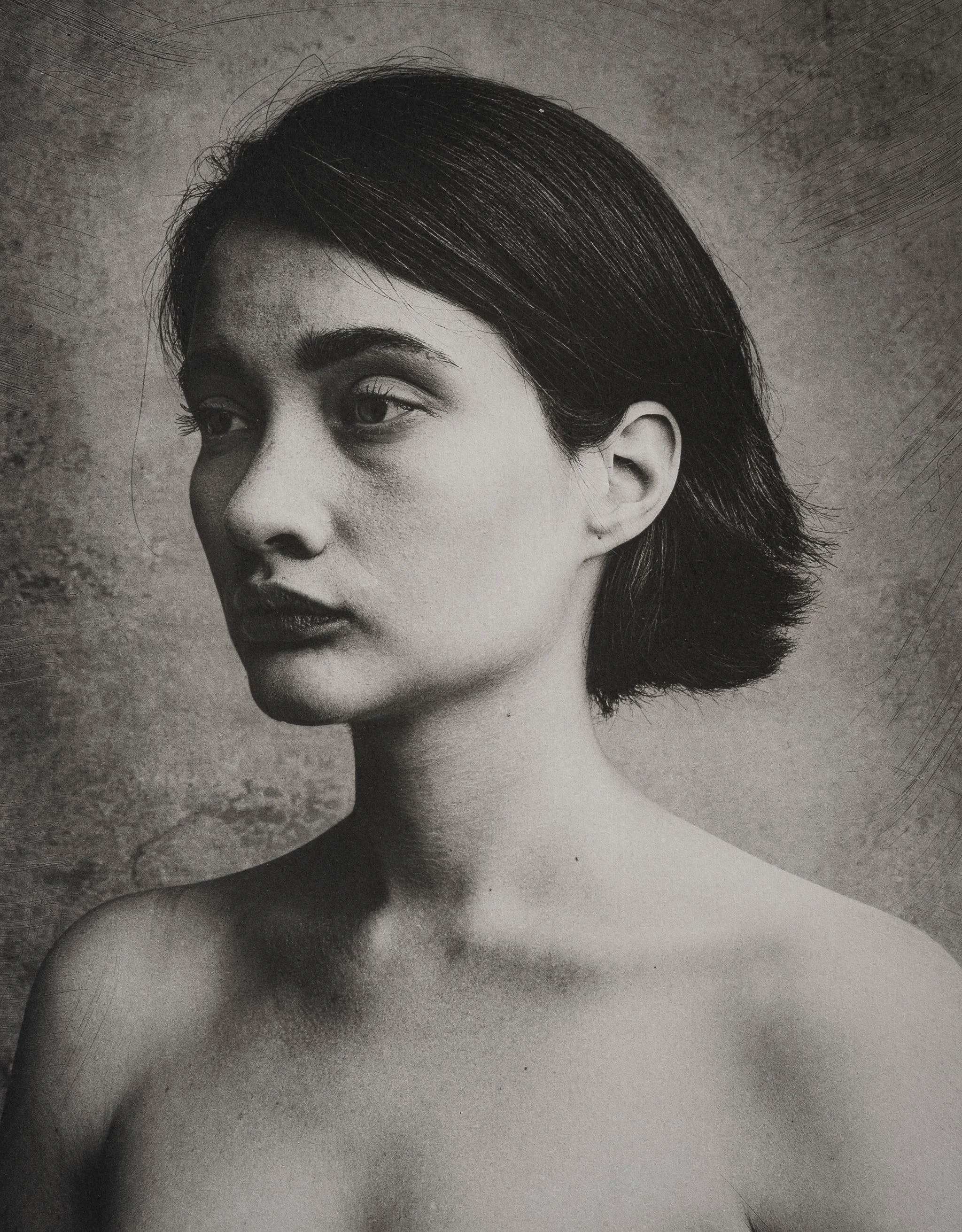
Mirror & Window
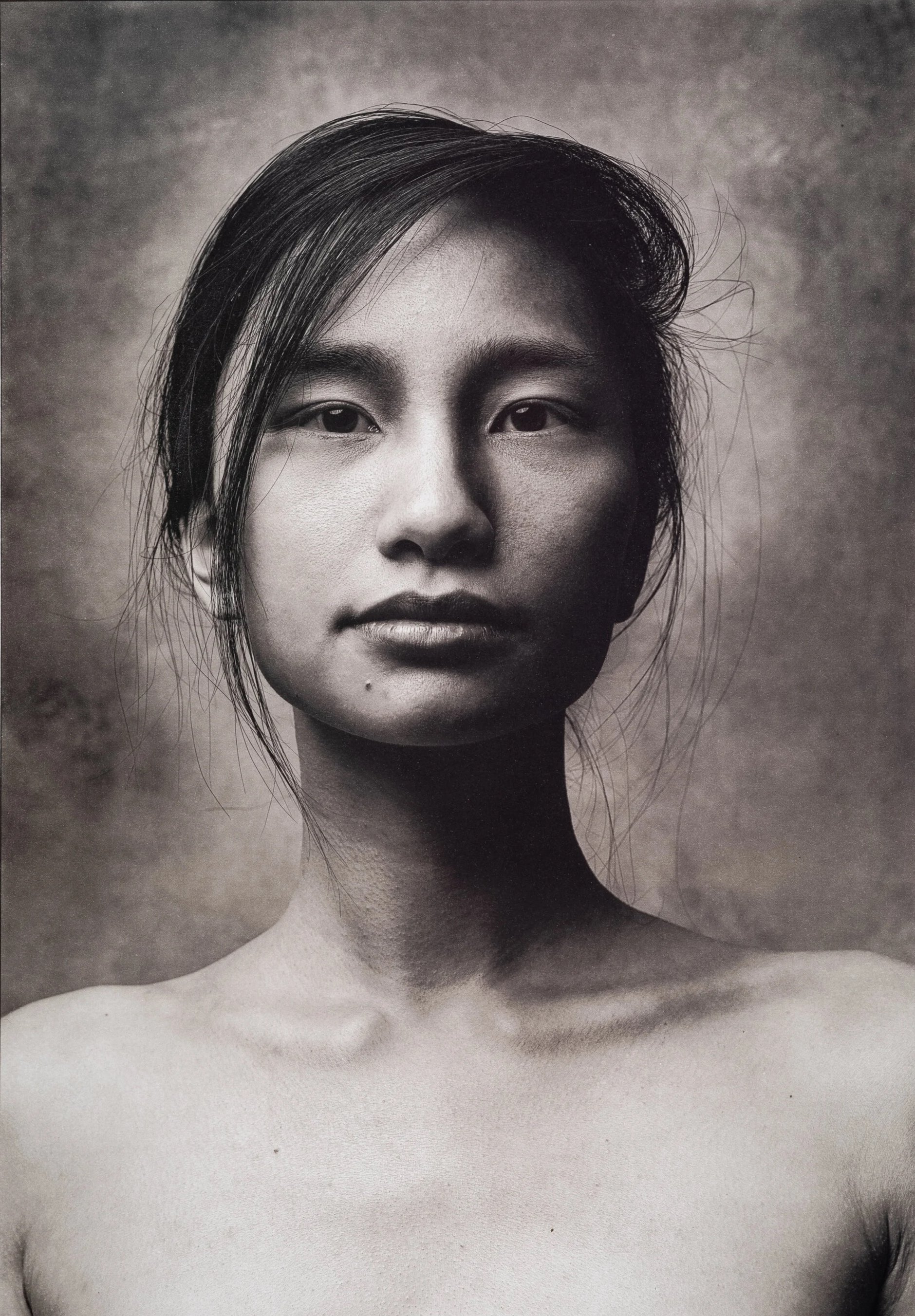
Interruption

My Magical Garden
Jan c Schlegel’s work is rooted in a sustained exploration of presence
— how something reveals itself when observed with patience, precision, and restraint. Working with large format film and historical photographic processes such as platinum and albumen print, he creates images that exist not only as representations, but as physical objects shaped by time, material, and the direct involvement of the artist’s hand.
Across his series, Schlegel approaches different subjects—architecture, marine life, the human figure, and organic form—not as categories, but as conditions through which perception can unfold. His practice is defined by a consistent methodology: prolonged observation, reduction of context, and an emphasis on form, light, and structure. What emerges is not documentation, but a shift in how the subject is experienced.
In Silent Giants, buildings are approached as presences rather than structures, revealing qualities that move toward portraiture. Life on Earth turns to phytoplankton—the foundation of life on the planet—rendering the invisible visible and connecting aesthetic experience with scientific reality. In Of Aliens, Mermaids and Medusas, jellyfish appear suspended between abstraction and organism, evoking a world that feels both ancient and unfamiliar.
A parallel thread runs through his engagement with portraiture. In Essence, the image emerges from an encounter, a search for what remains when surface falls away. Liebkosungen extends this inquiry into abstraction, where form replaces figure and tension replaces representation. With Shalimar, the human subject returns, and the portrait becomes fully relational—formed not from one side of the camera, but from the connection between both.
Across all series, Schlegel’s work resists immediacy. It unfolds slowly, requiring attention rather than offering instant resolution. The use of historical processes is not nostalgic, but essential: it introduces material depth, permanence, and a physical presence that cannot be reduced to the image alone.
His photographs are not images to be consumed, but objects to be encountered—works that ask for time, and in return, reveal something that cannot be seen at first glance.