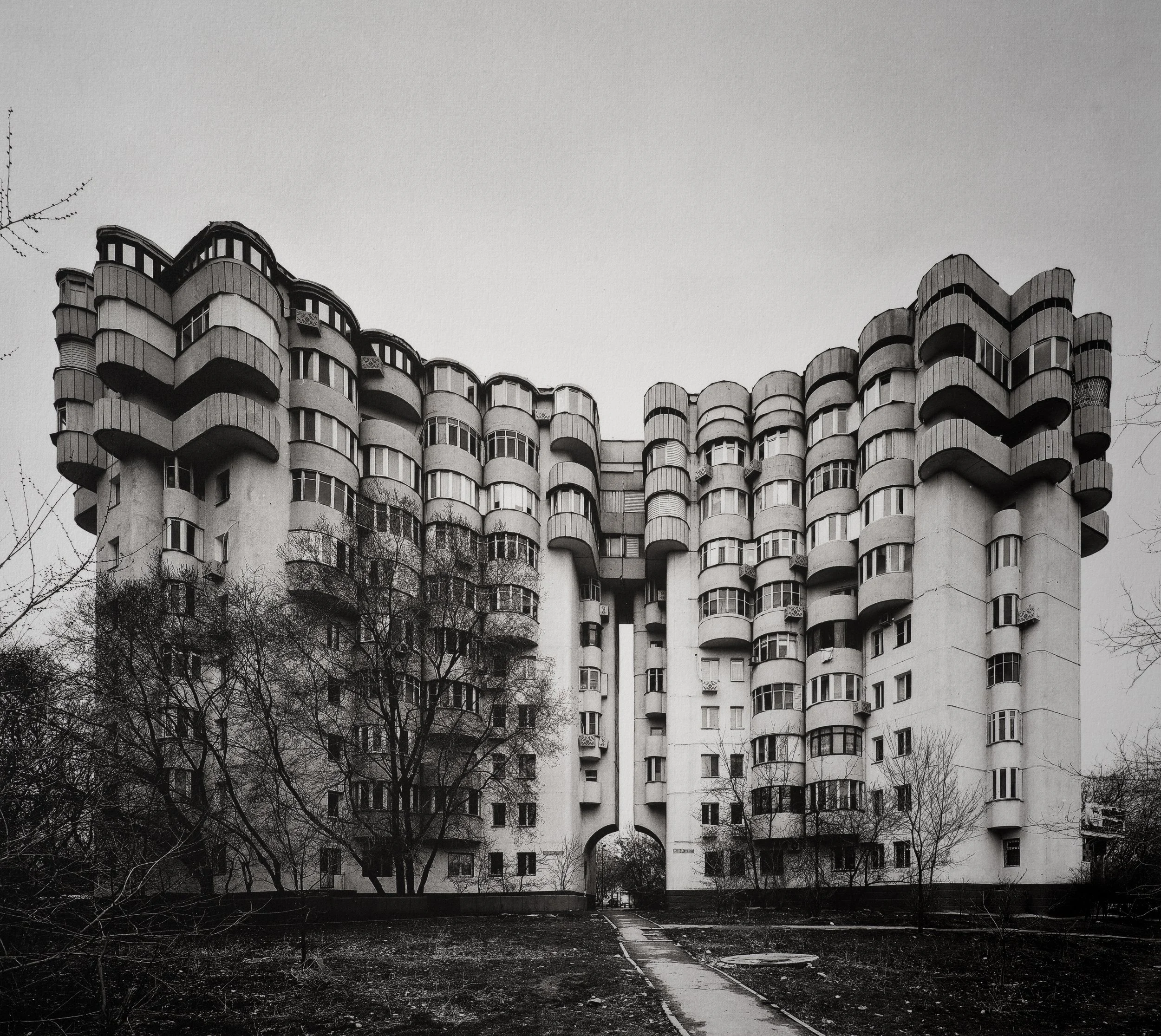
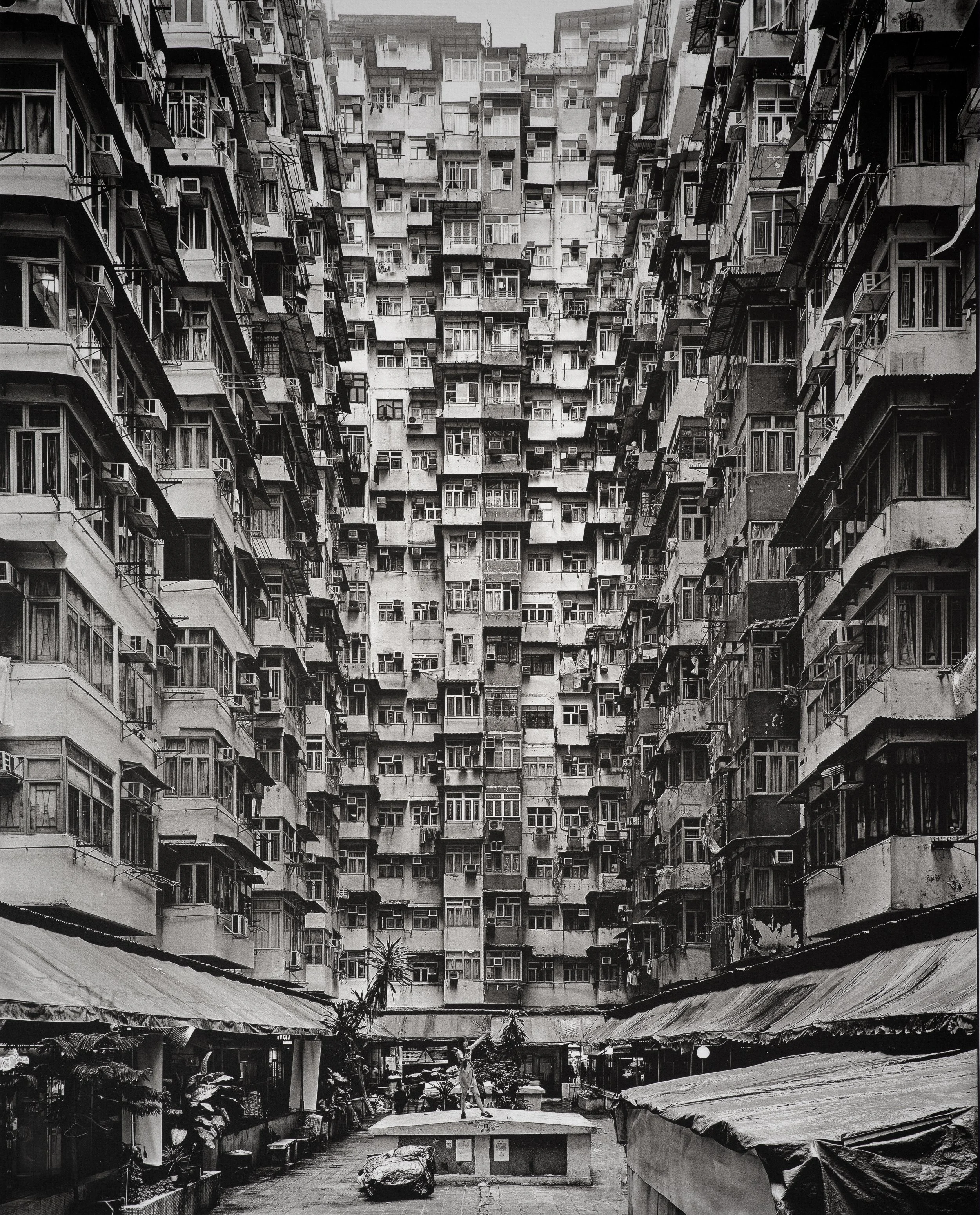
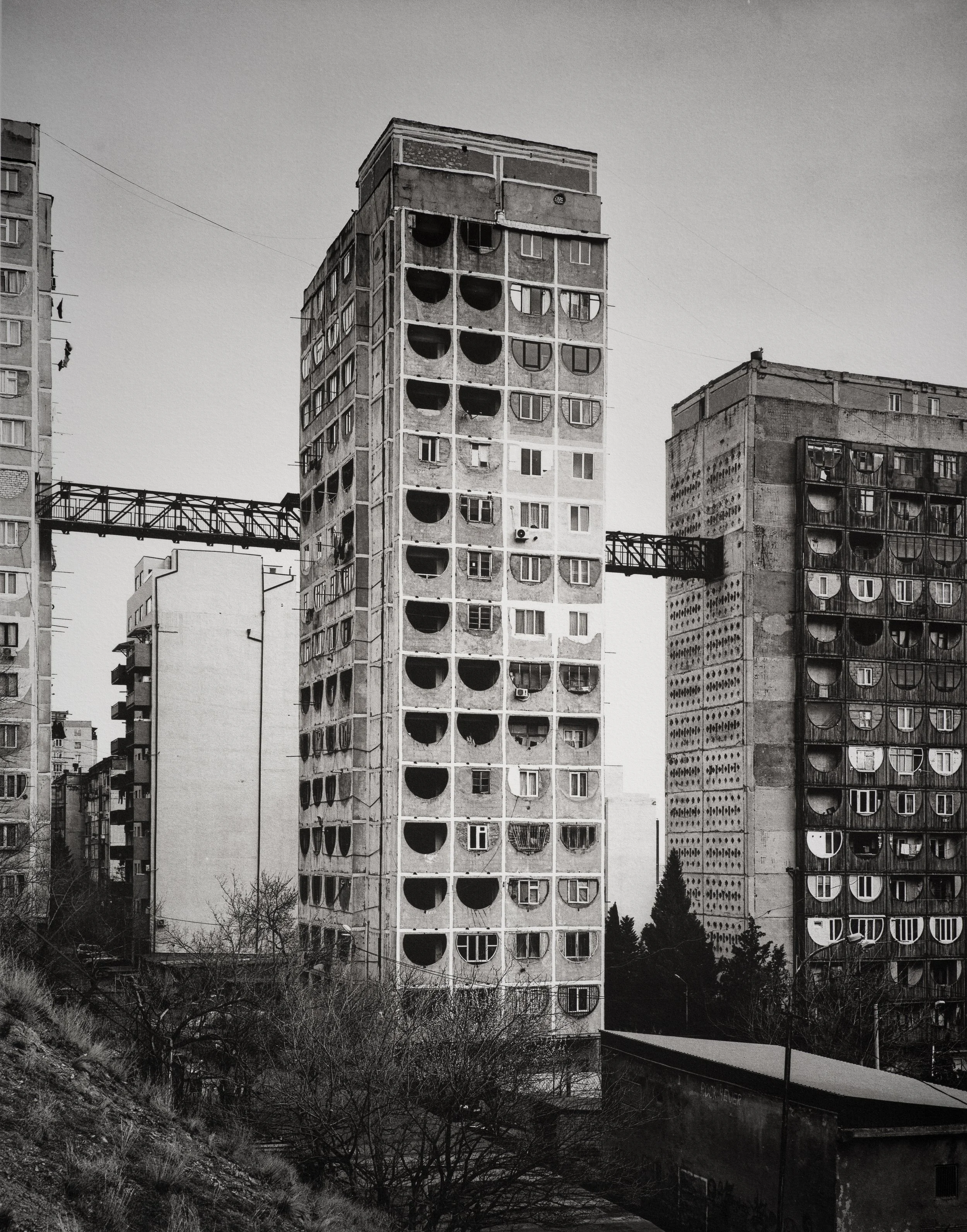
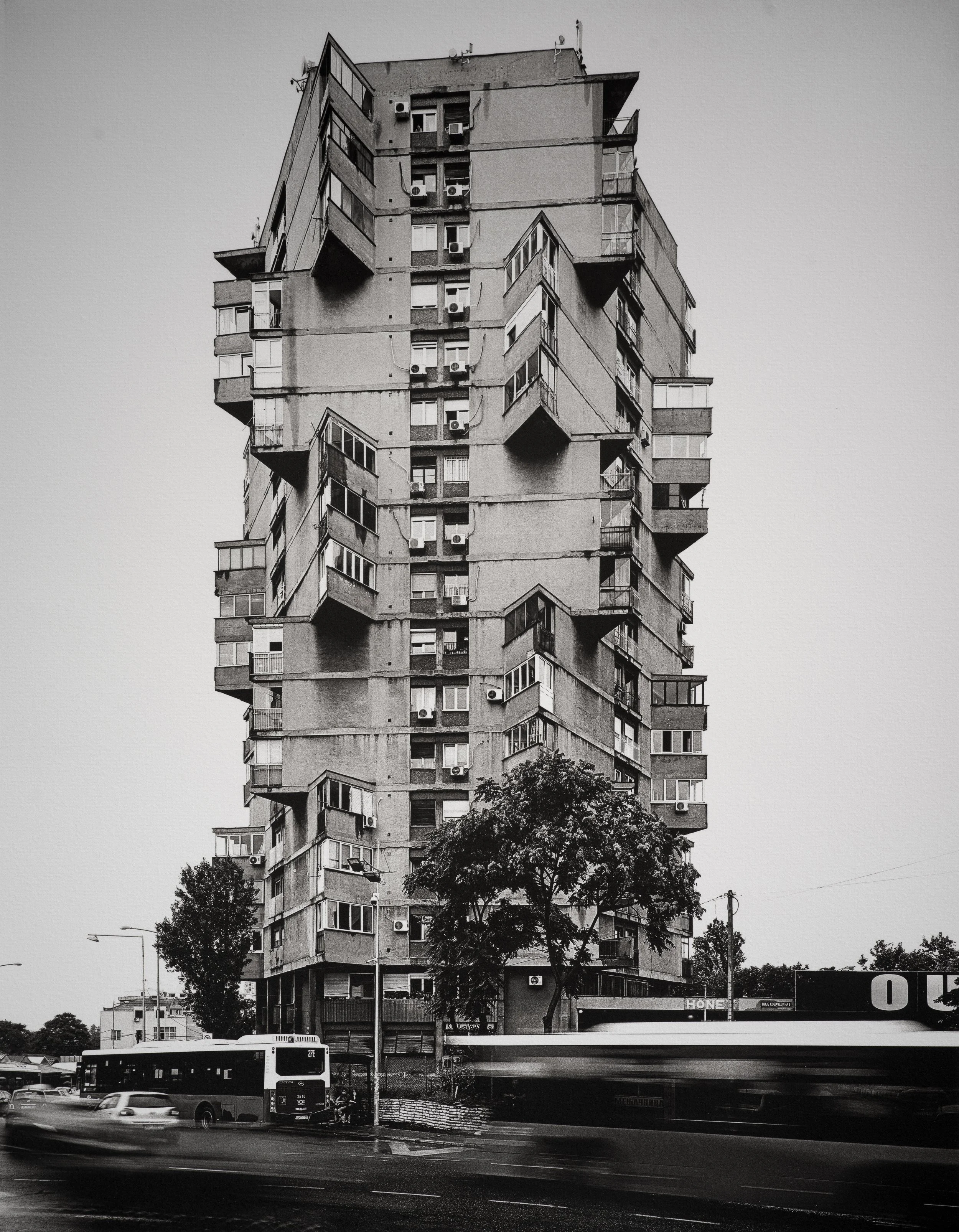
I flew to Hong Kong with a very good friend. One of the reasons for the trip was a specific building—Yick Cheong Building. It is quite famous. Many people know it, and it has become a popular place where people, especially It-Girls, take selfies in front of it (like in my picture).
When I arrived, I understood why. Visually, it is striking. It is overwhelming to stand in front.
But I was not interested in taking the same picture. I stayed.
I came back the next day and the following day.
For two days I worked on this one building. Setting up the camera, taking it down again, waiting, adjusting. The wide angle lens was shifted to the maximum - I had no expirence with that. Never done before. The light kept changing—too hard, too flat, never quite right. It was raining like crazy but the light was absolutely beautiful and the rain gave clearity and reflections.
It was very difficult and frustrating. Not really knowing what I am doing.
Then I realized something: the problem was not the building.
It was how I was looking at it.
I had to decide what this building was going to be.
Not an object but a subject.
From that moment on, everything changed and something else happened— quietly.
This experience planted a seed of curiosity in me. I did not fully realize it at the time, but I started to look at buildings differently.
Not as structures, but as something with presence. I stopped thinking in terms of architecture.
I started approaching buildings the same way I approach people.
I stand in front of them.
I spend time.
I wait.
Light matters—but not as spectacle. I am looking for something quiet. A soft, smooth light with energy. The kind of light I use in portraiture.
At first, nothing happens. You just see a façade. But if you stay, something shifts.
You begin to feel the building.
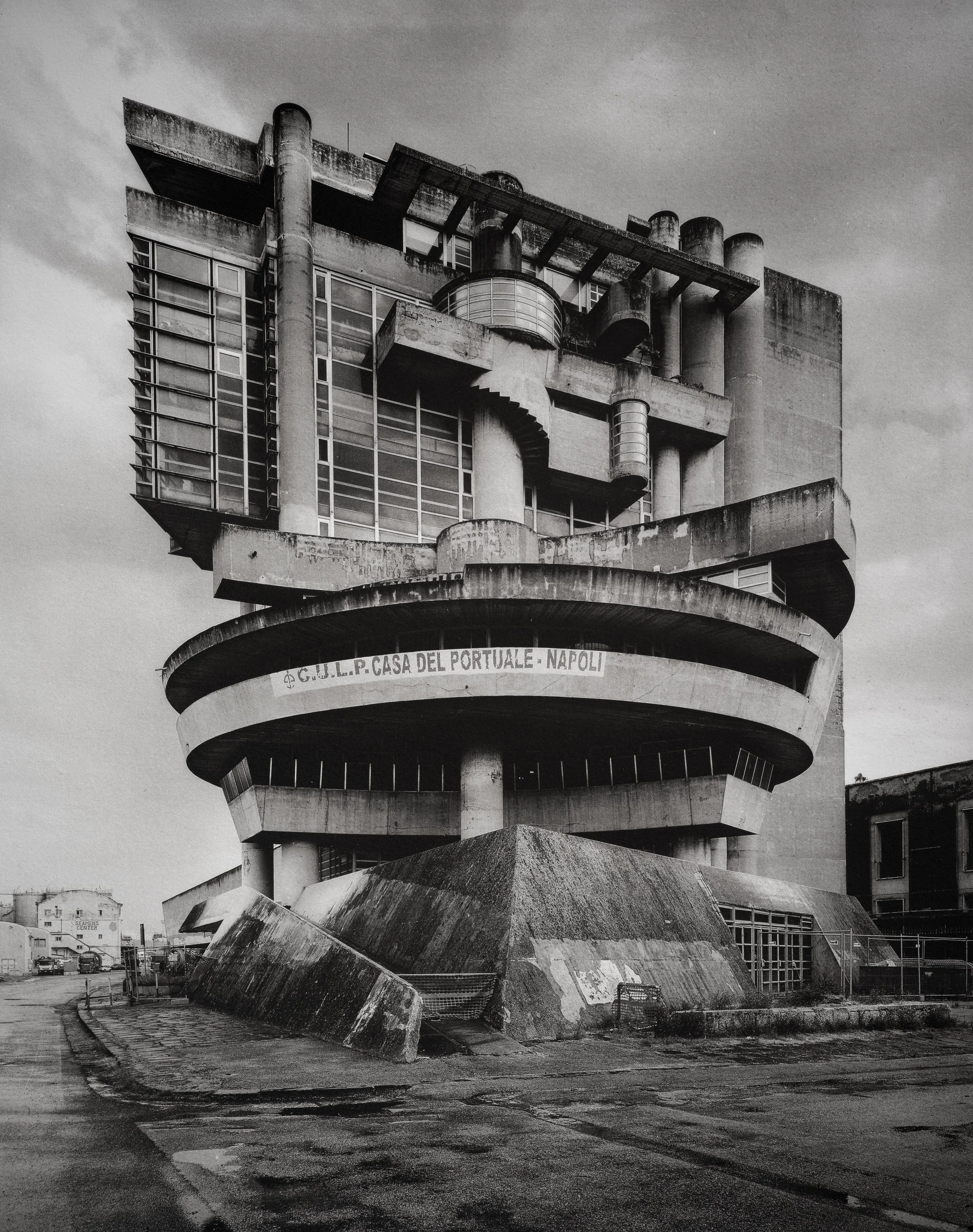
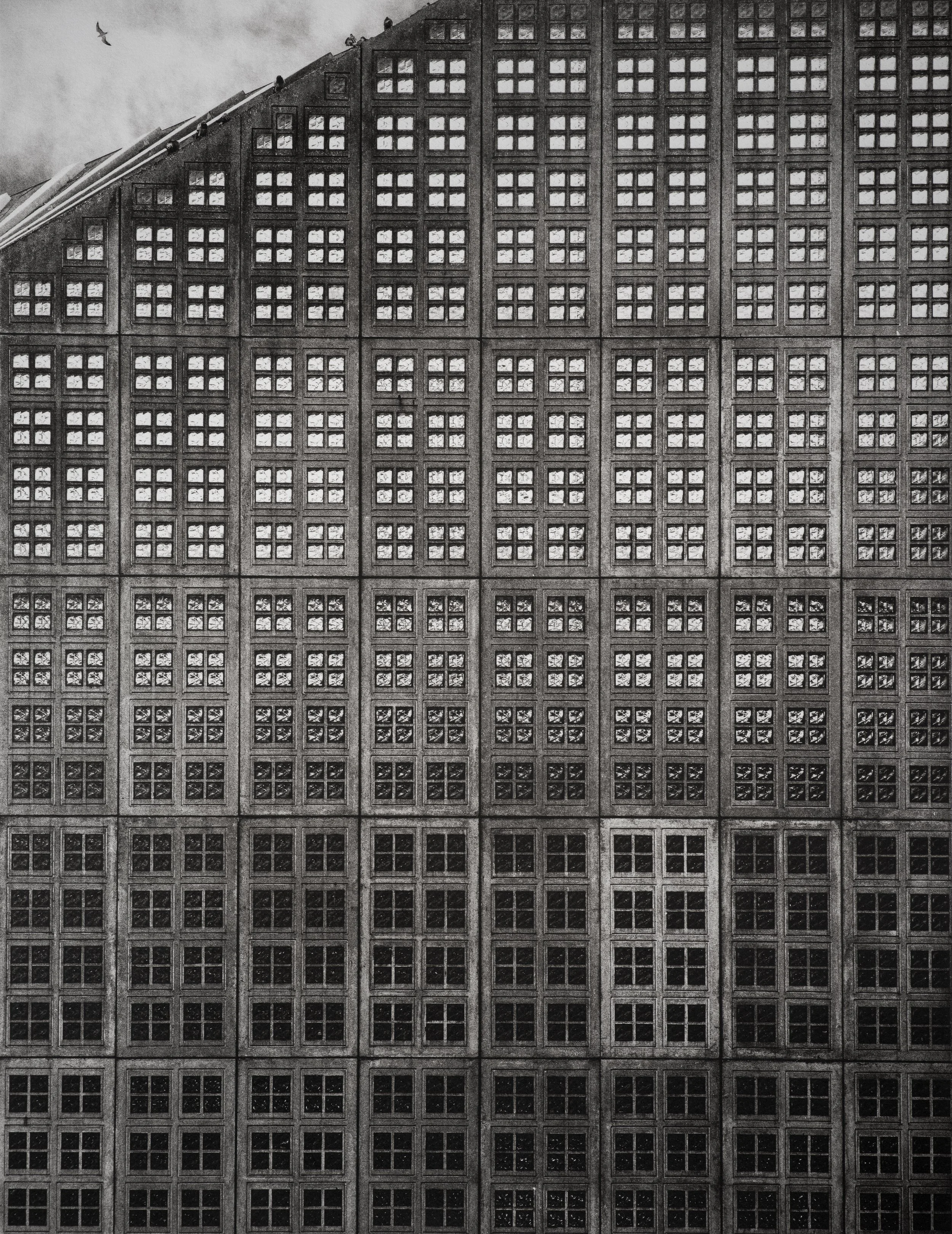
And in that moment, it is no longer architecture. It becomes a portrait.
Over time, I also became fascinated by the vision behind these buildings. They were not accidents.
They were ideas—radical, uncompromising, often misunderstood.
There is a strong intention in them. A belief in form and material.
In a way, I am not only photographing the building,
but also responding to the vision of the architect who created it.
Working with a large format camera reinforces this.
You cannot take many images. Every photograph is a decision. It slows you down and forces you to observe and see more deeply.
I often returned several times.
Waiting for a car to disappear. For a shadow to move.
For the light to become just right.
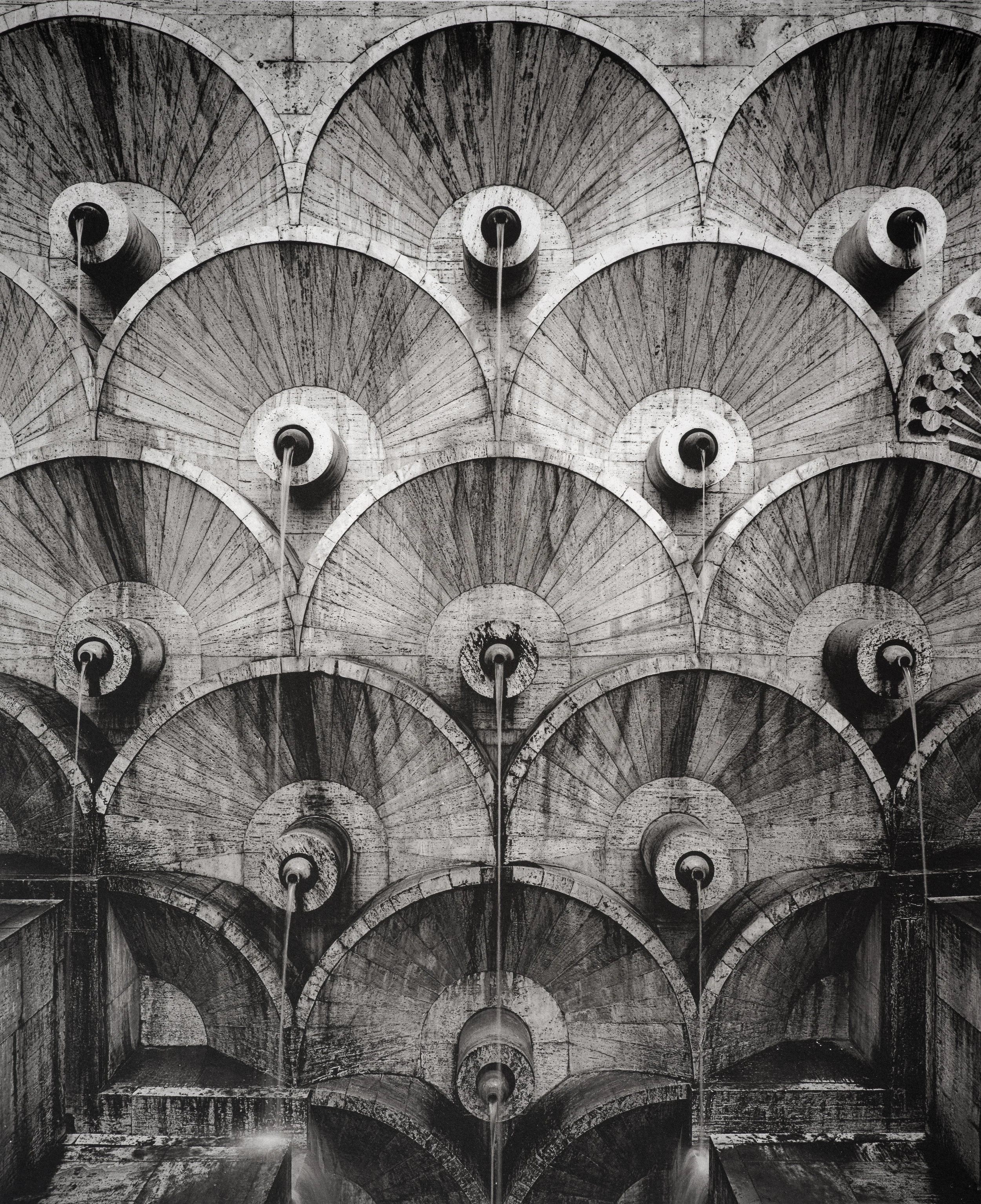
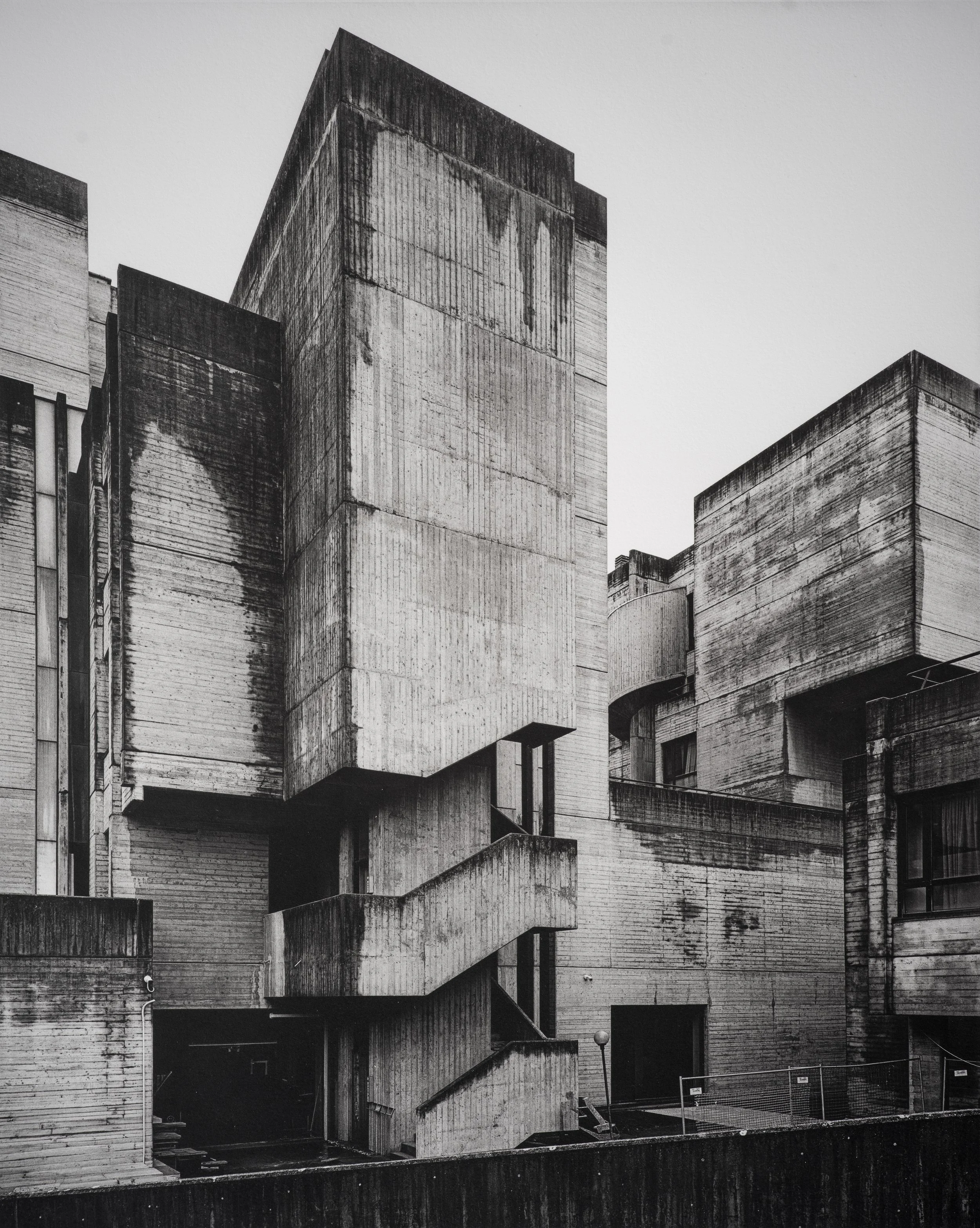
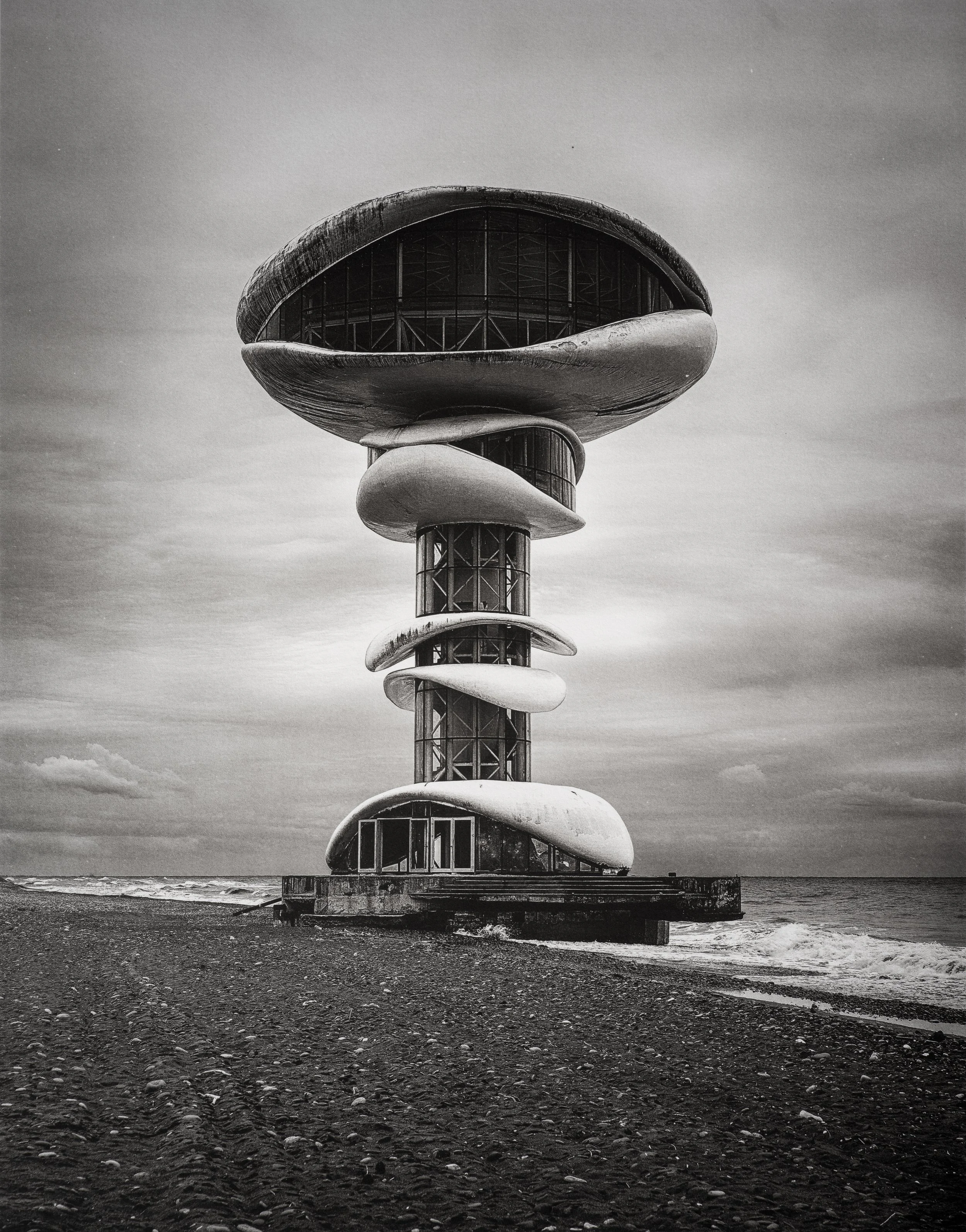
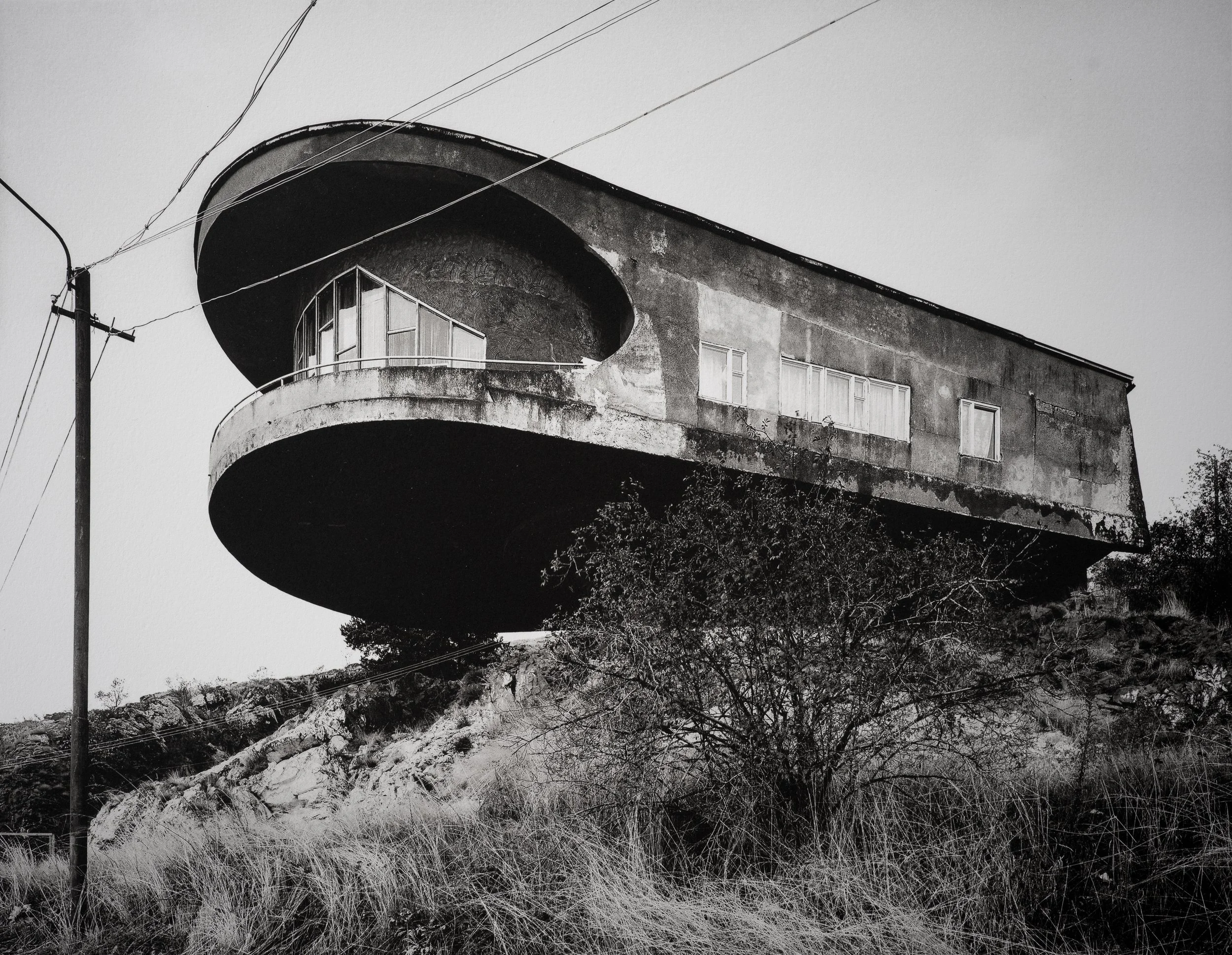
I like of thinking of my photography as revelations - the same with that series.
Finding the buildings was a challenge in itself.
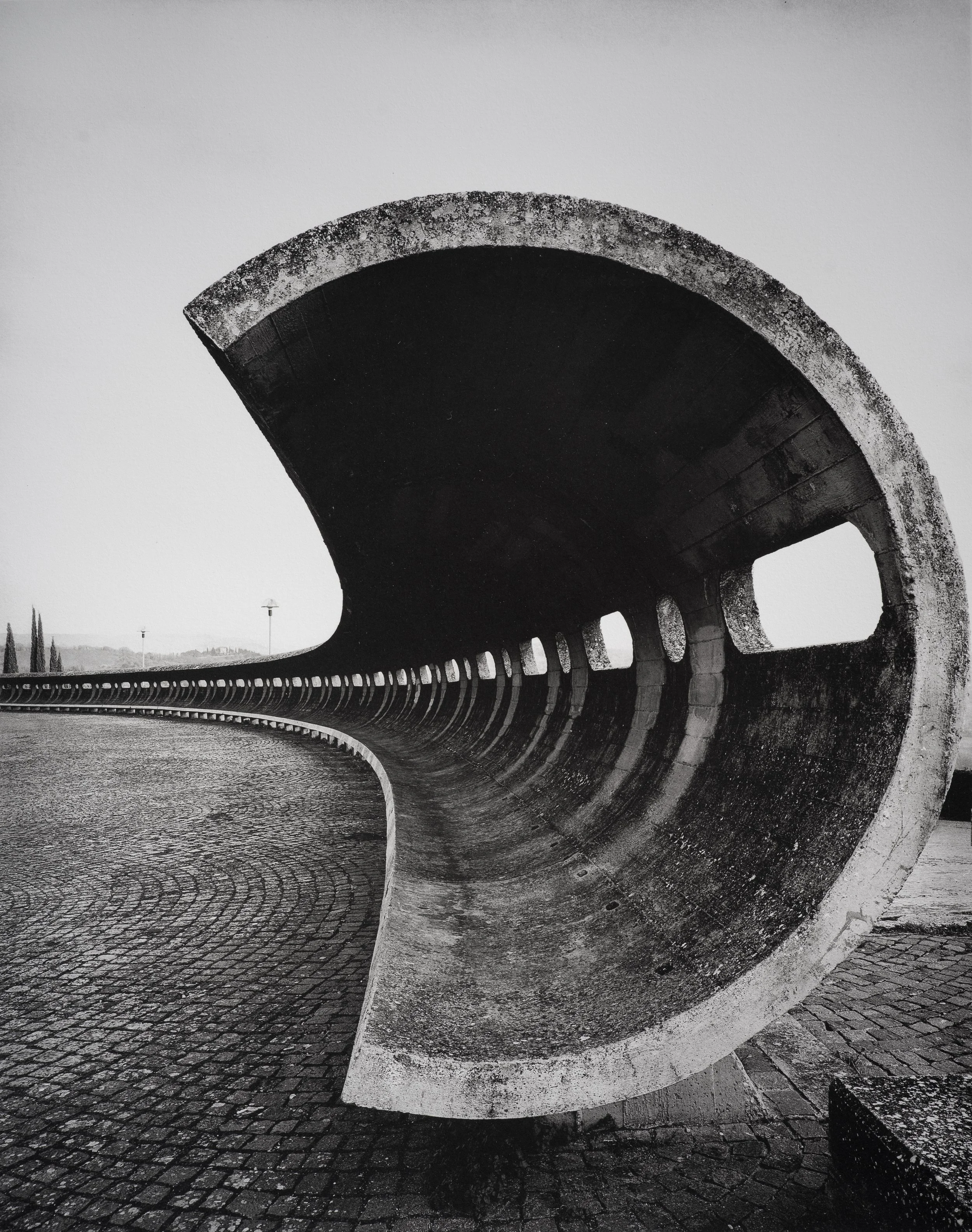
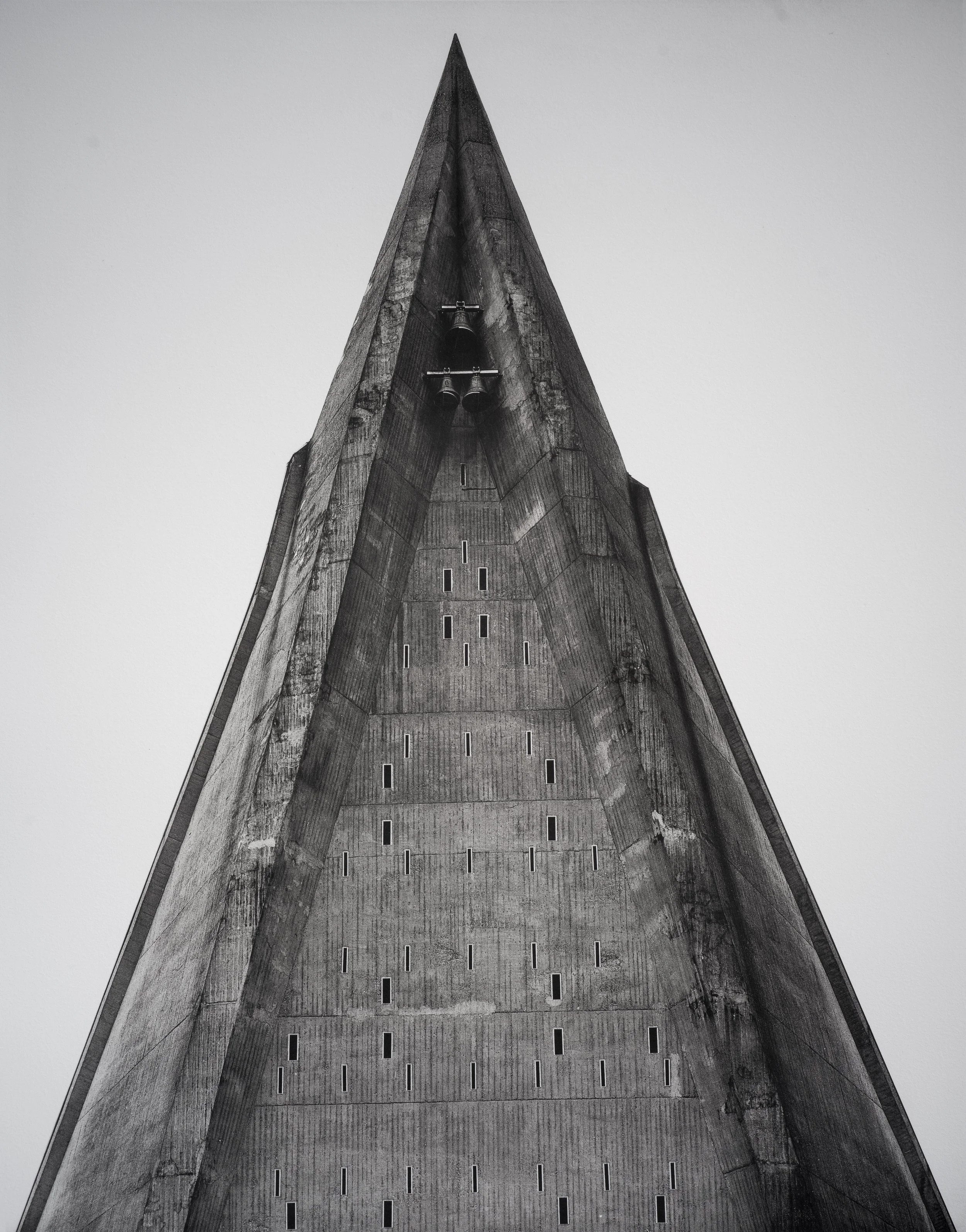
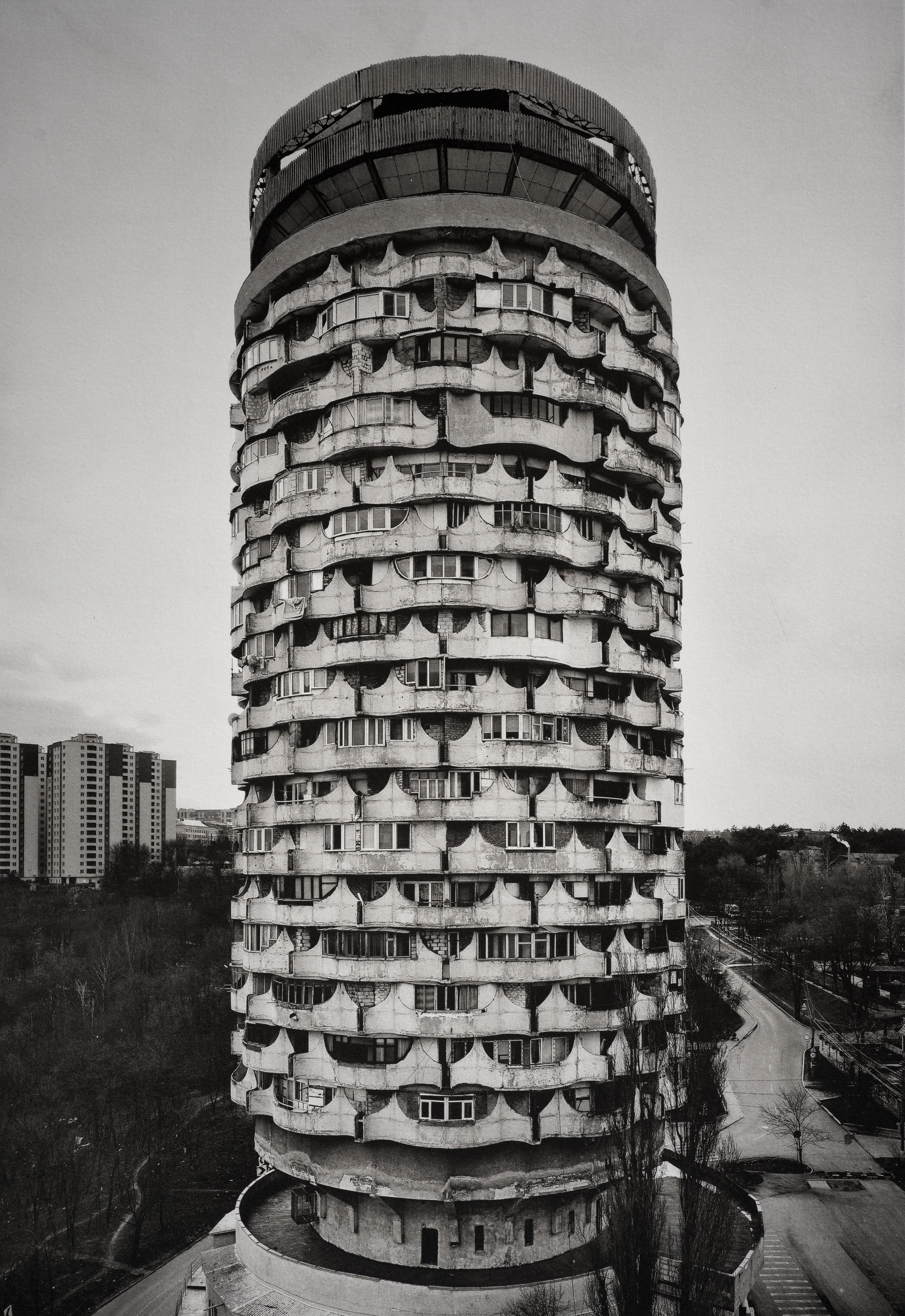
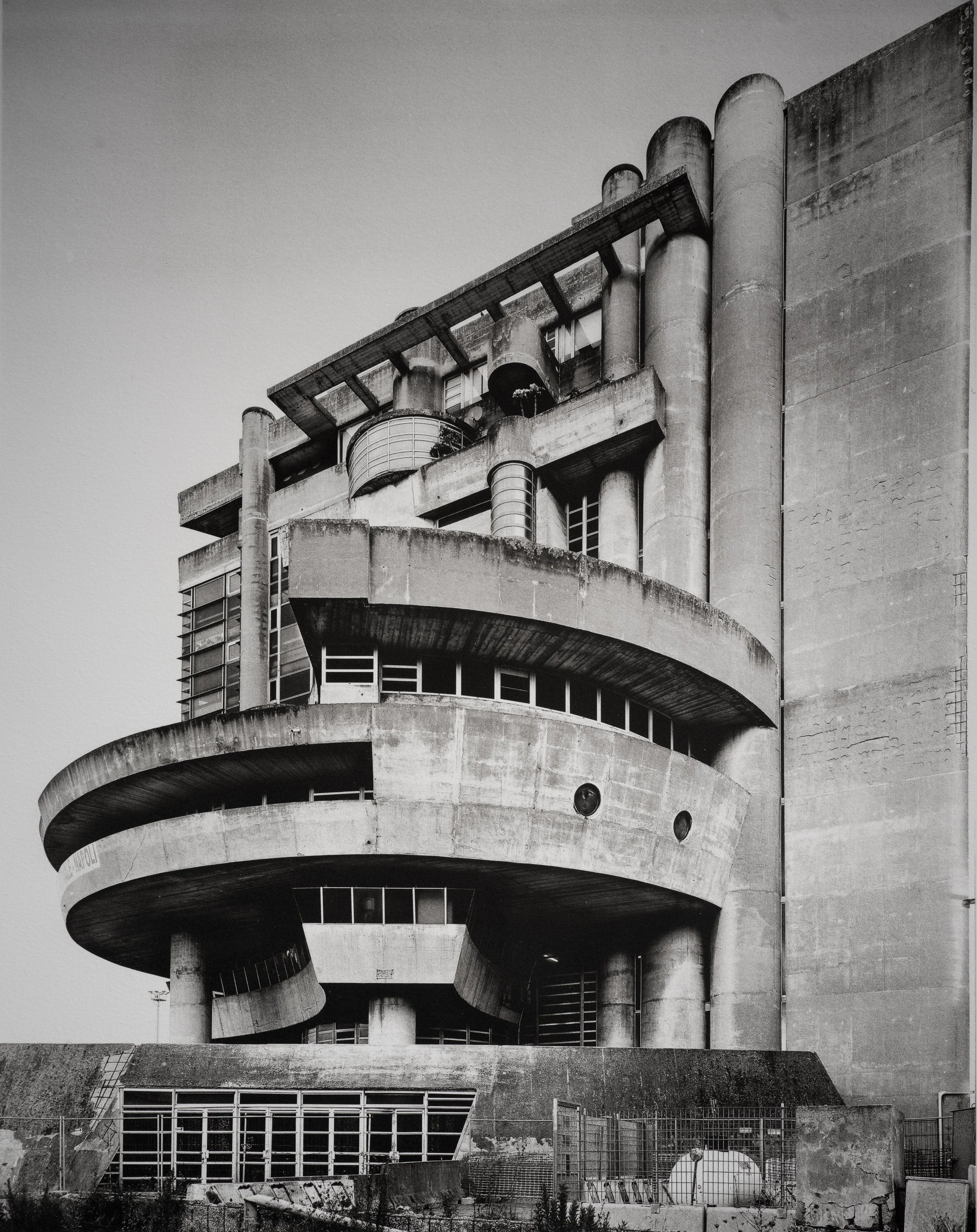
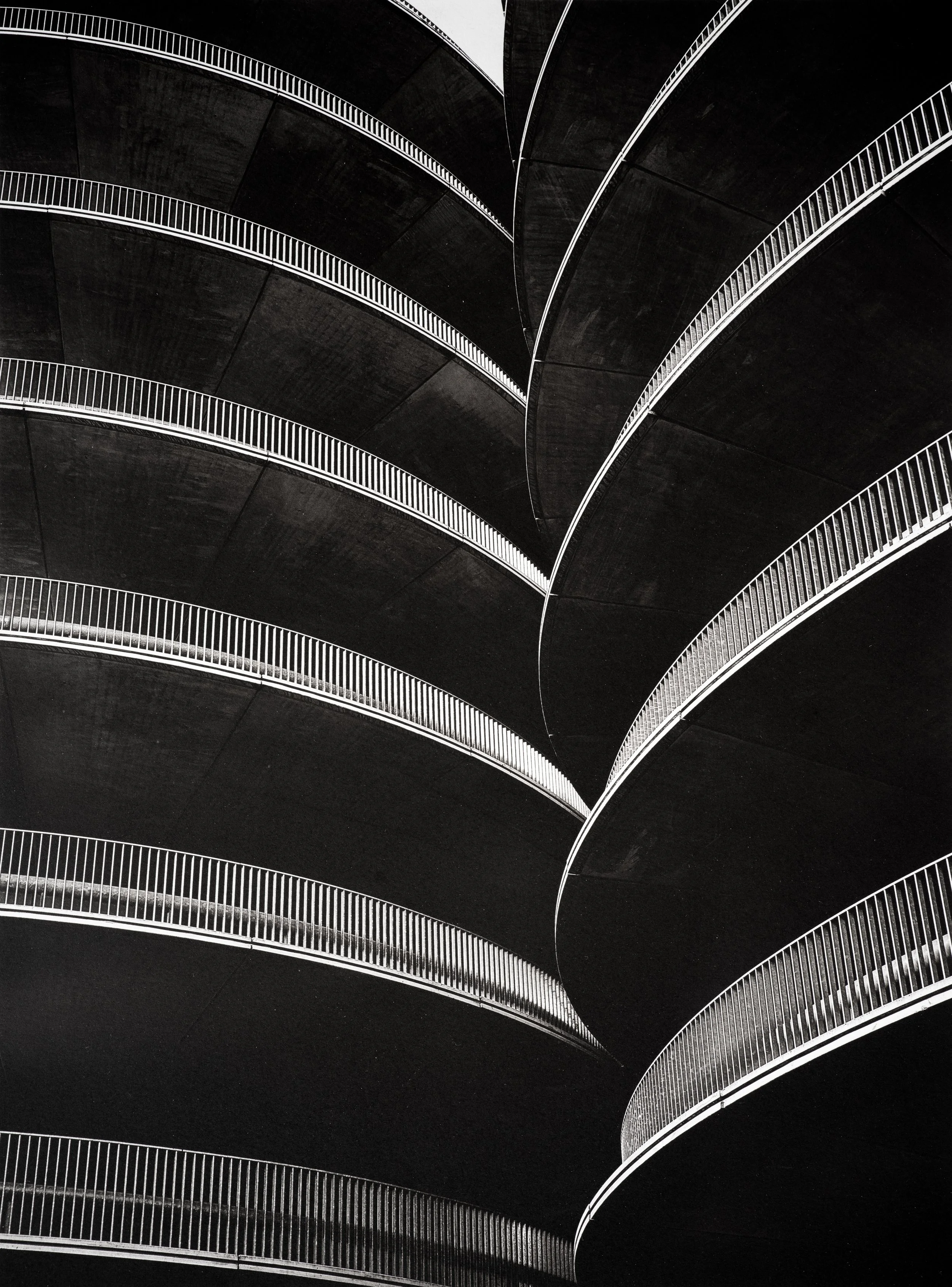
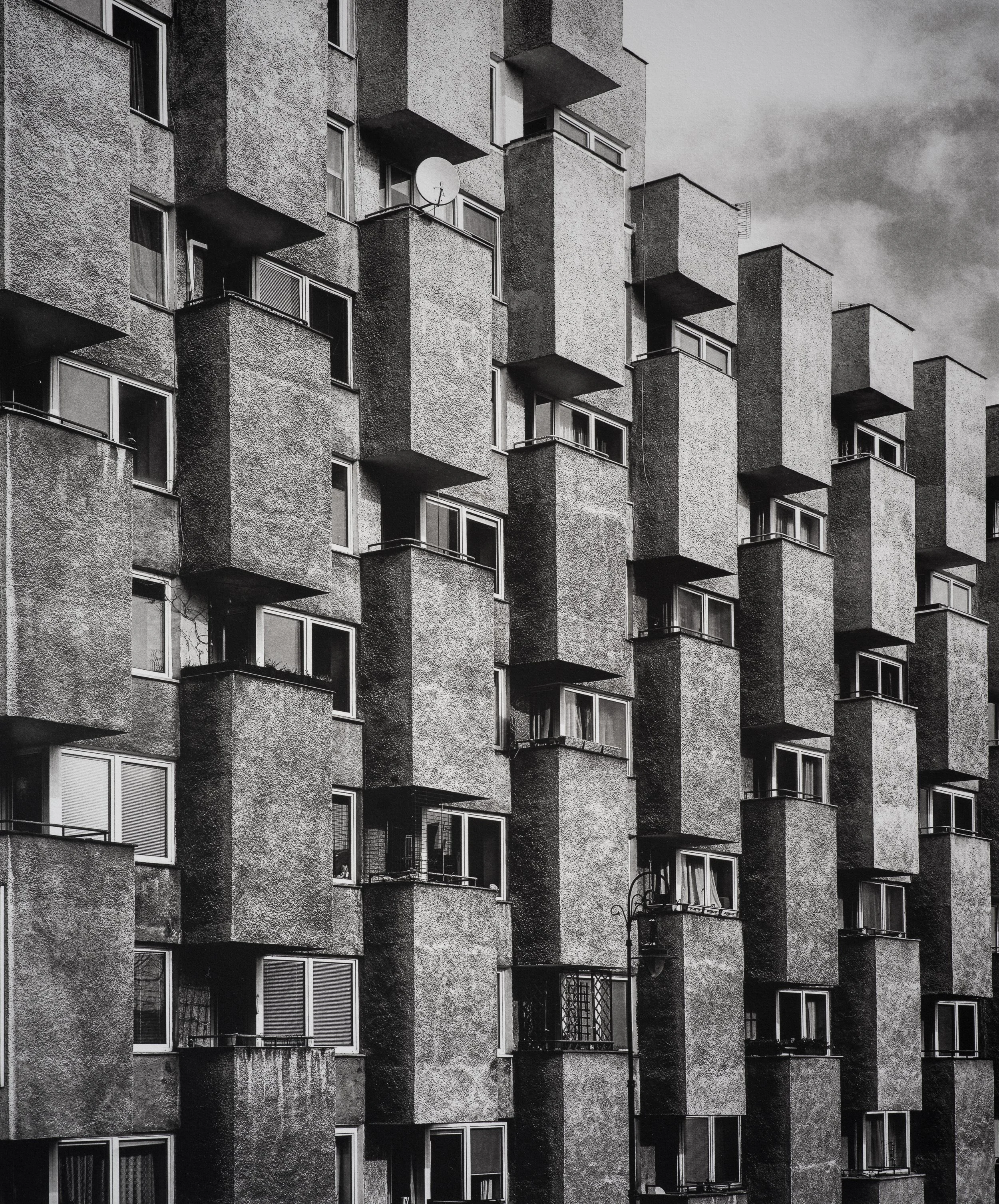
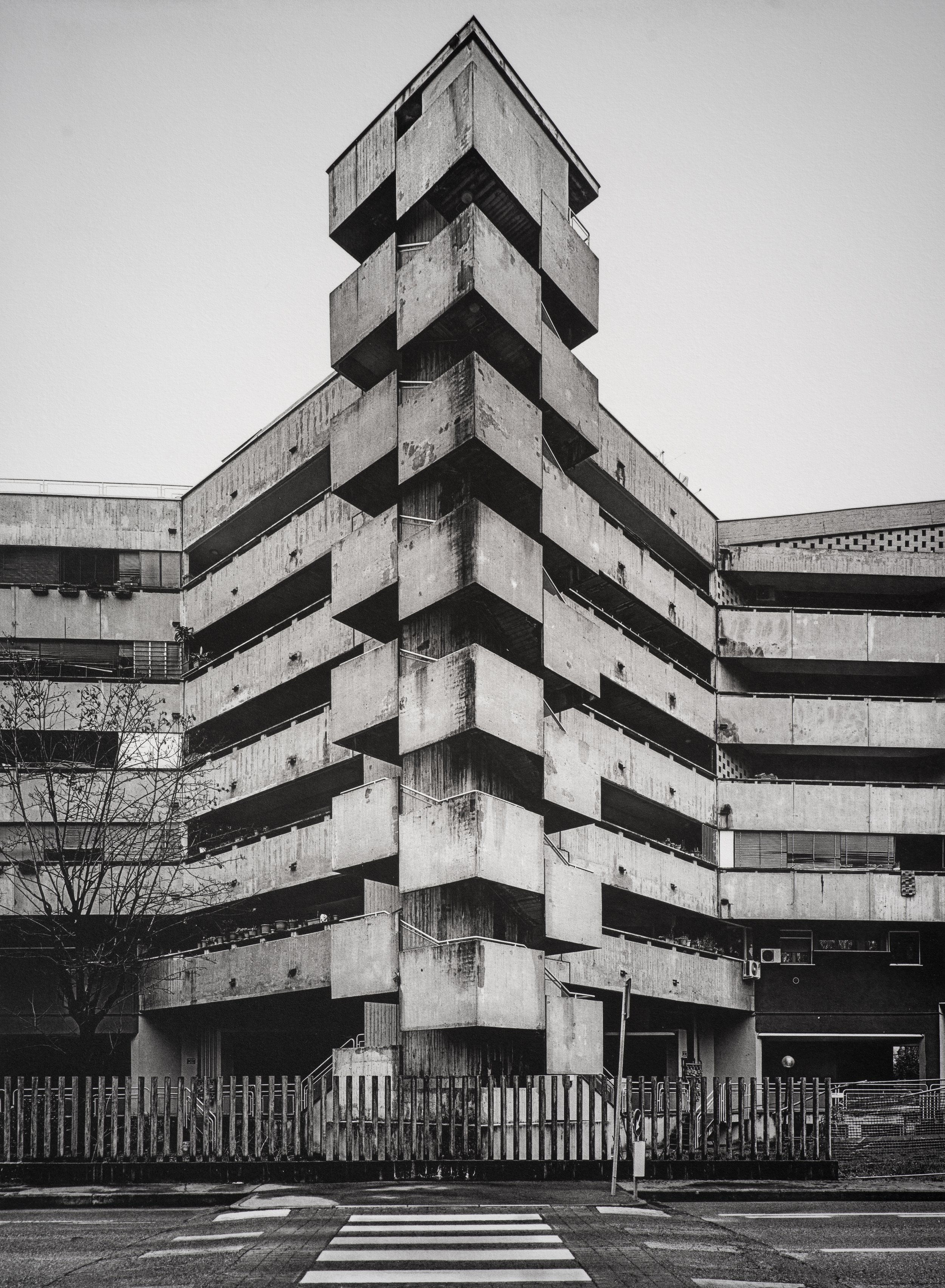
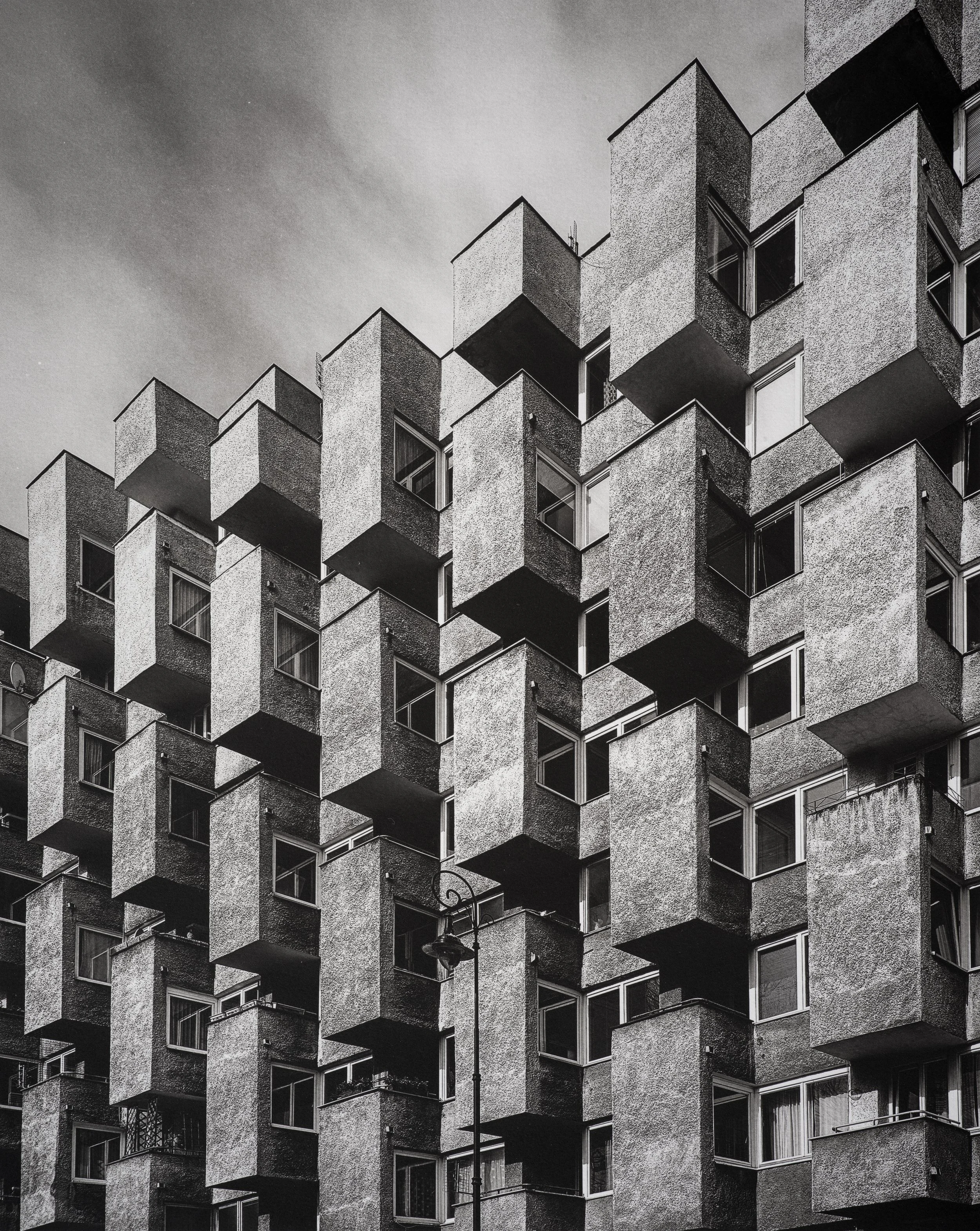
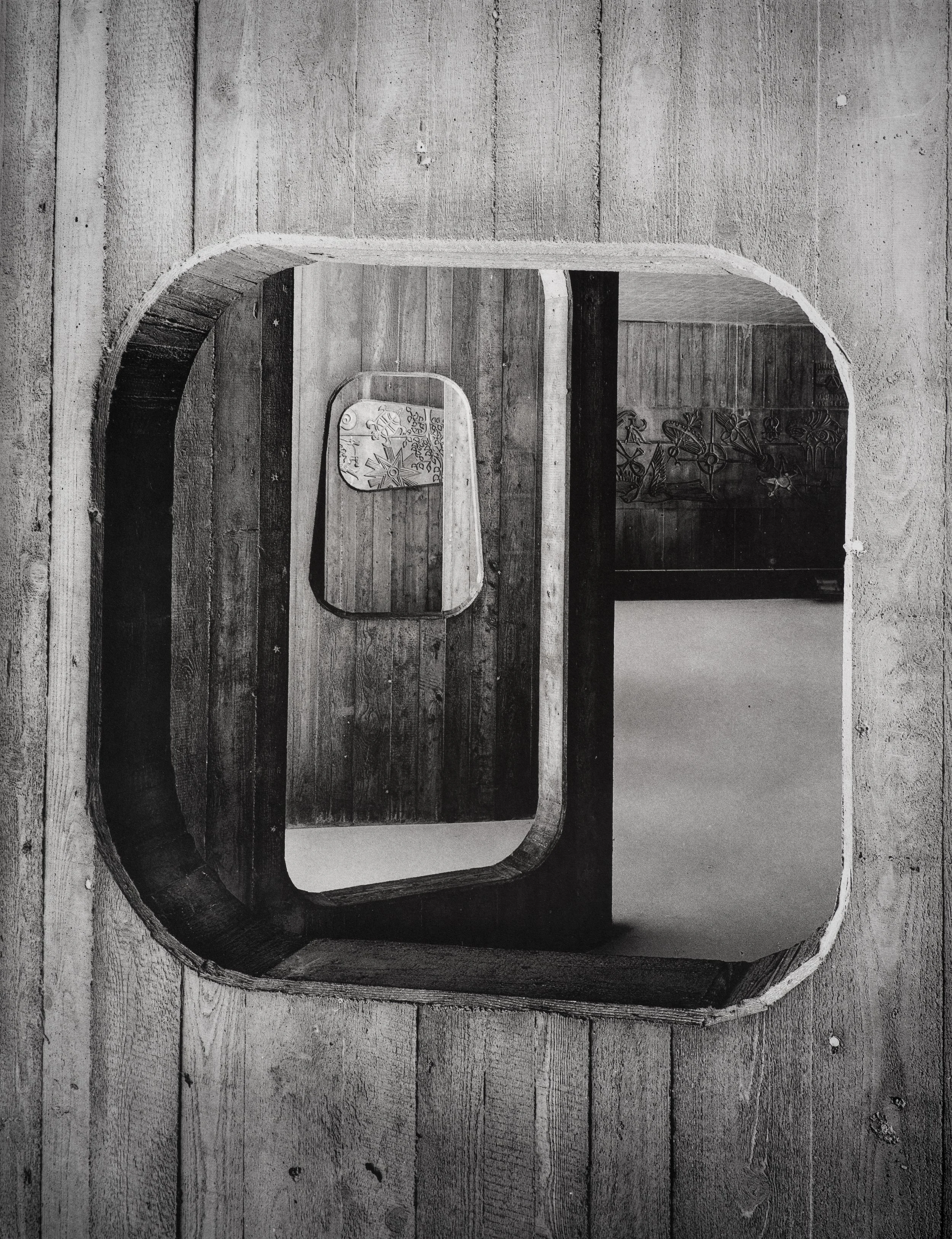
I was not interested in showing only housing complexes. I was looking for a broader language of Brutalism—different structures, different functions, different expressions. Each building had to carry something beyond its function. Something with presence.
Brutalist architecture is often seen as cold and heavy. But if you spend time with these buildings, that changes. There is honesty in them. Nothing is hidden.
They are raw. Direct. Exposed. And because of that, they feel vulnerable. In many ways, they remind me of people.
Behind each image is time.
Waiting. Returning. Negotiating access.
Standing for hours with heavy equipment.
Sometimes sleeping in the car.
Sometimes leaving without a photograph.
This series accompanied me for five years. It developed slowly, without a fixed plan—just by returning, observing, learning how to see.
And now, it is finished. I am excited to finally share it as a complete body of work. And a gallery just wrote me that he is considering showing it at Paris Photo.
Silent Giants is not about architecture. It is about perception. About what happens when you stay longer than usual.
Because if you do — even concrete can begin to feel alive.