
Creatures of the Seven Seas – Platinum Print Photographs
A structured exploration of marine life as visual phenomenon, forming a cohesive body of work that shifts between documentation and abstraction.
Major Work, 2021






Creatures of the Seven Seas – Platinum Print Photographs
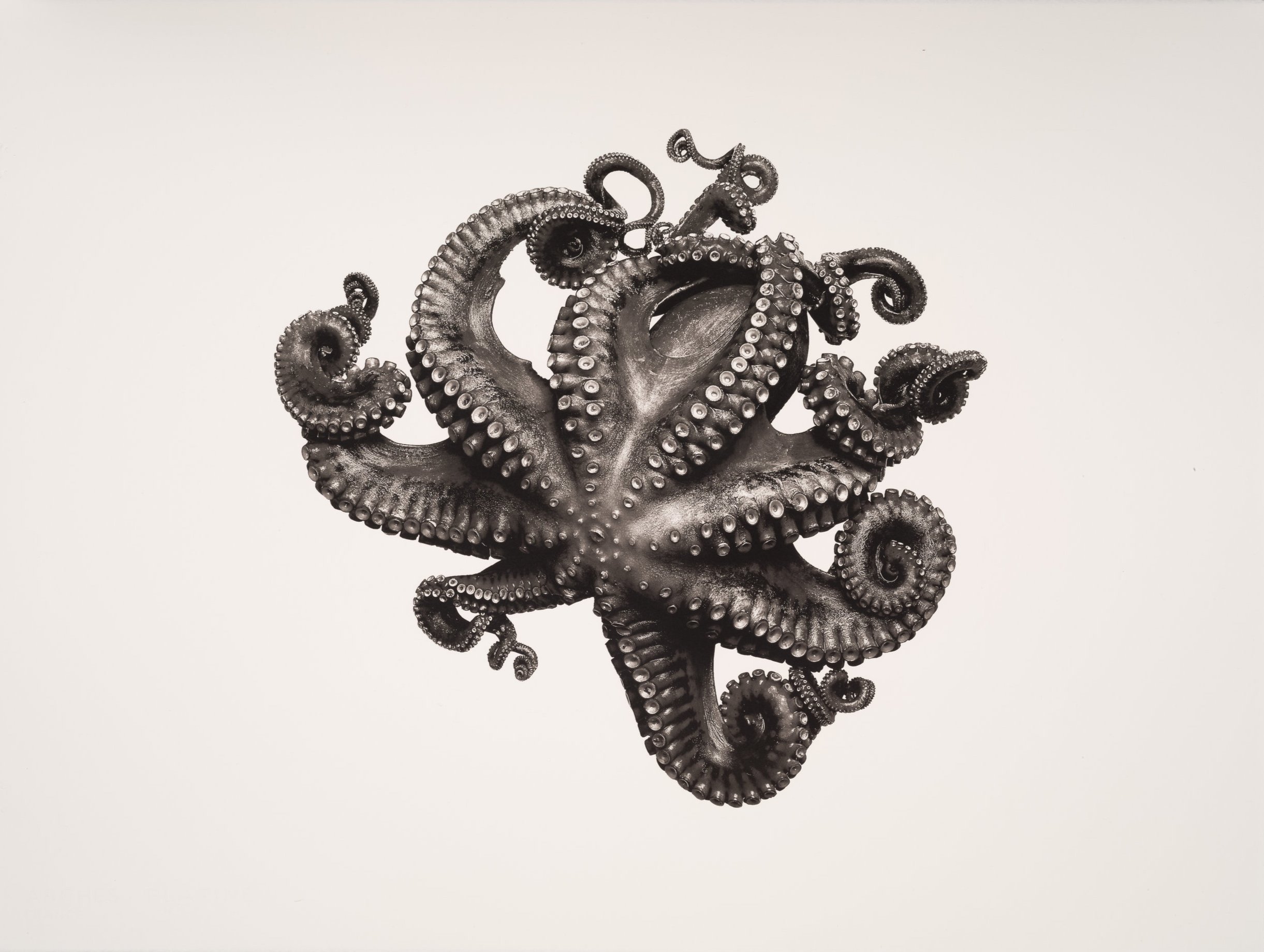
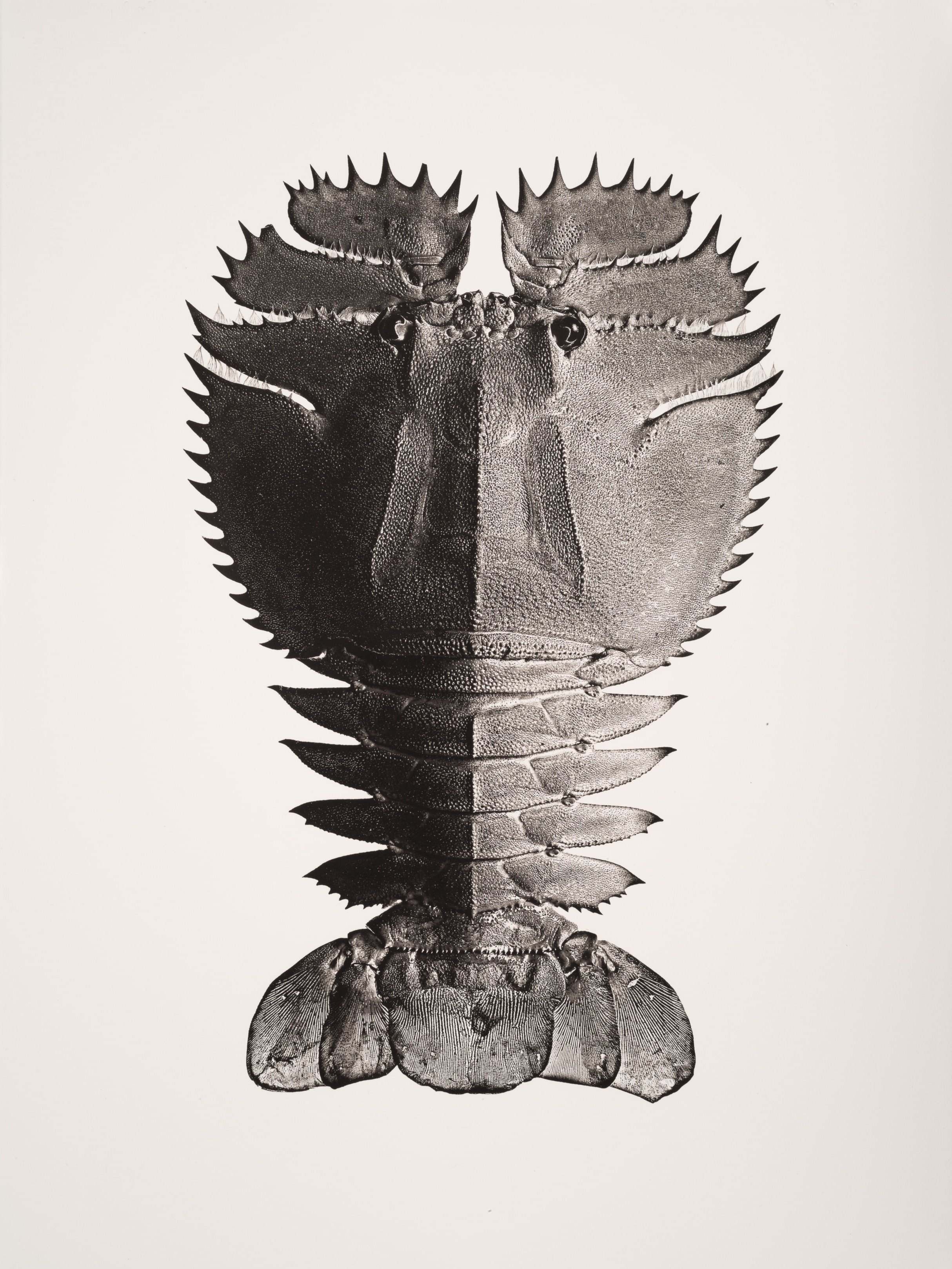
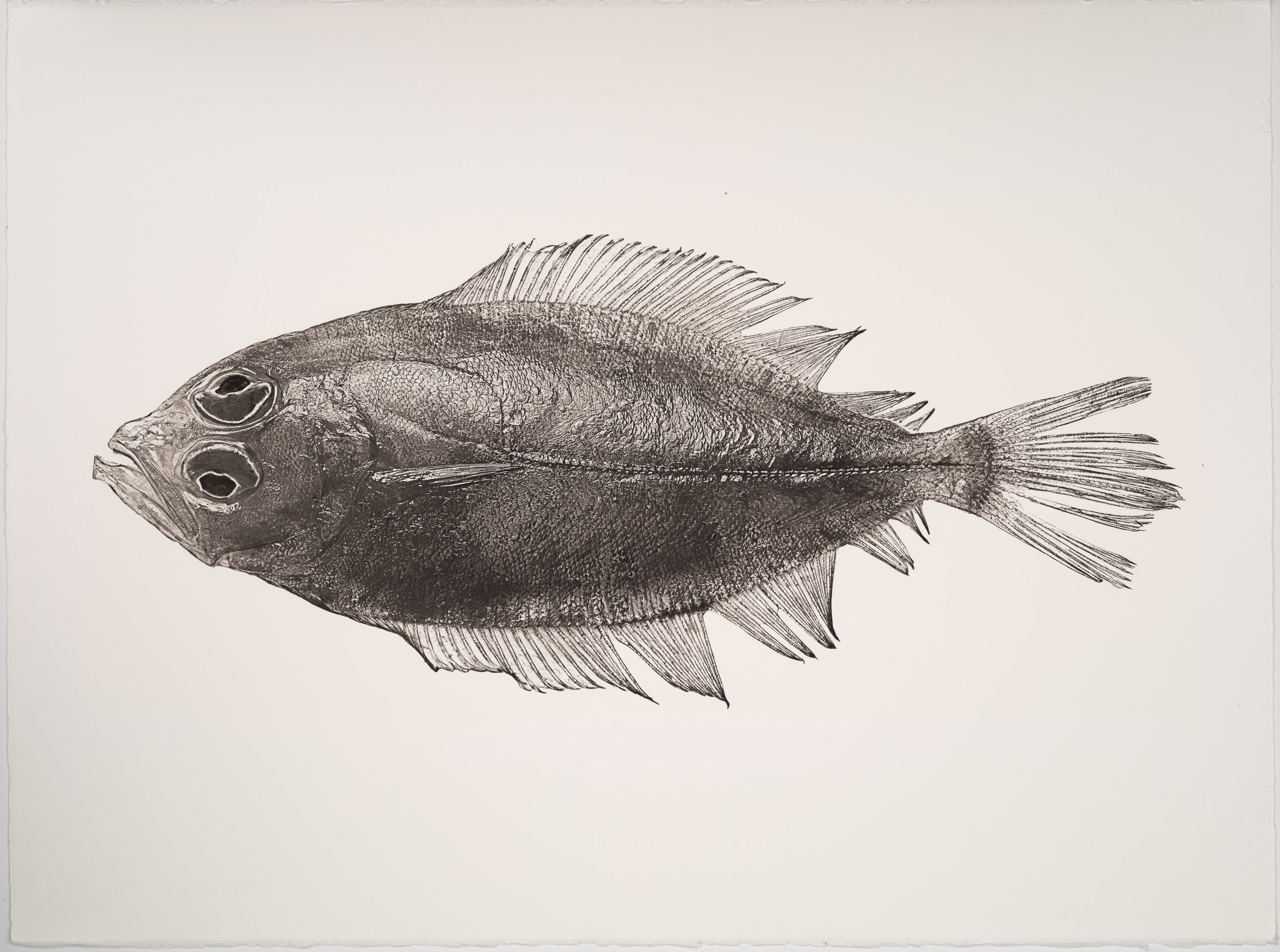
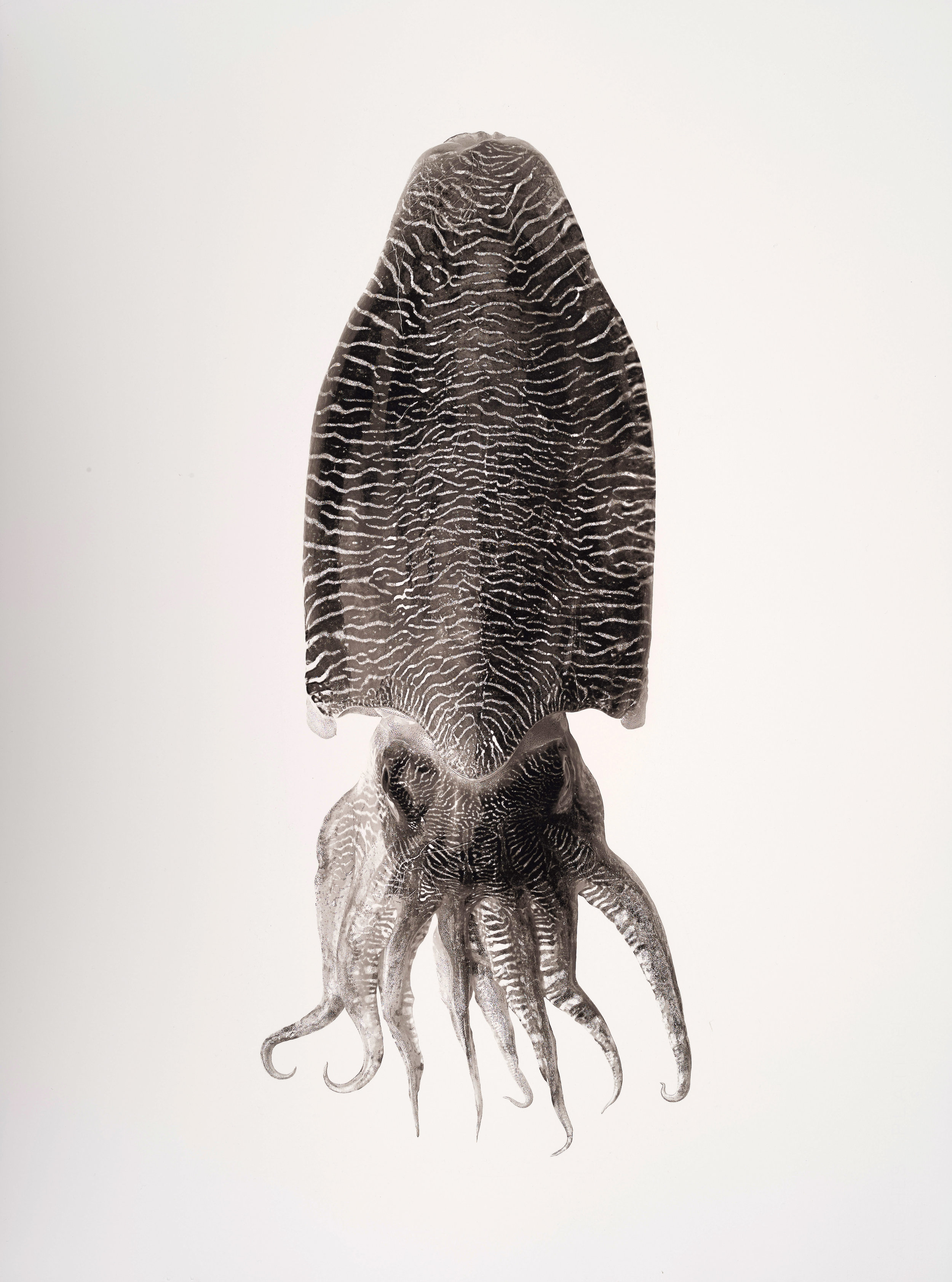
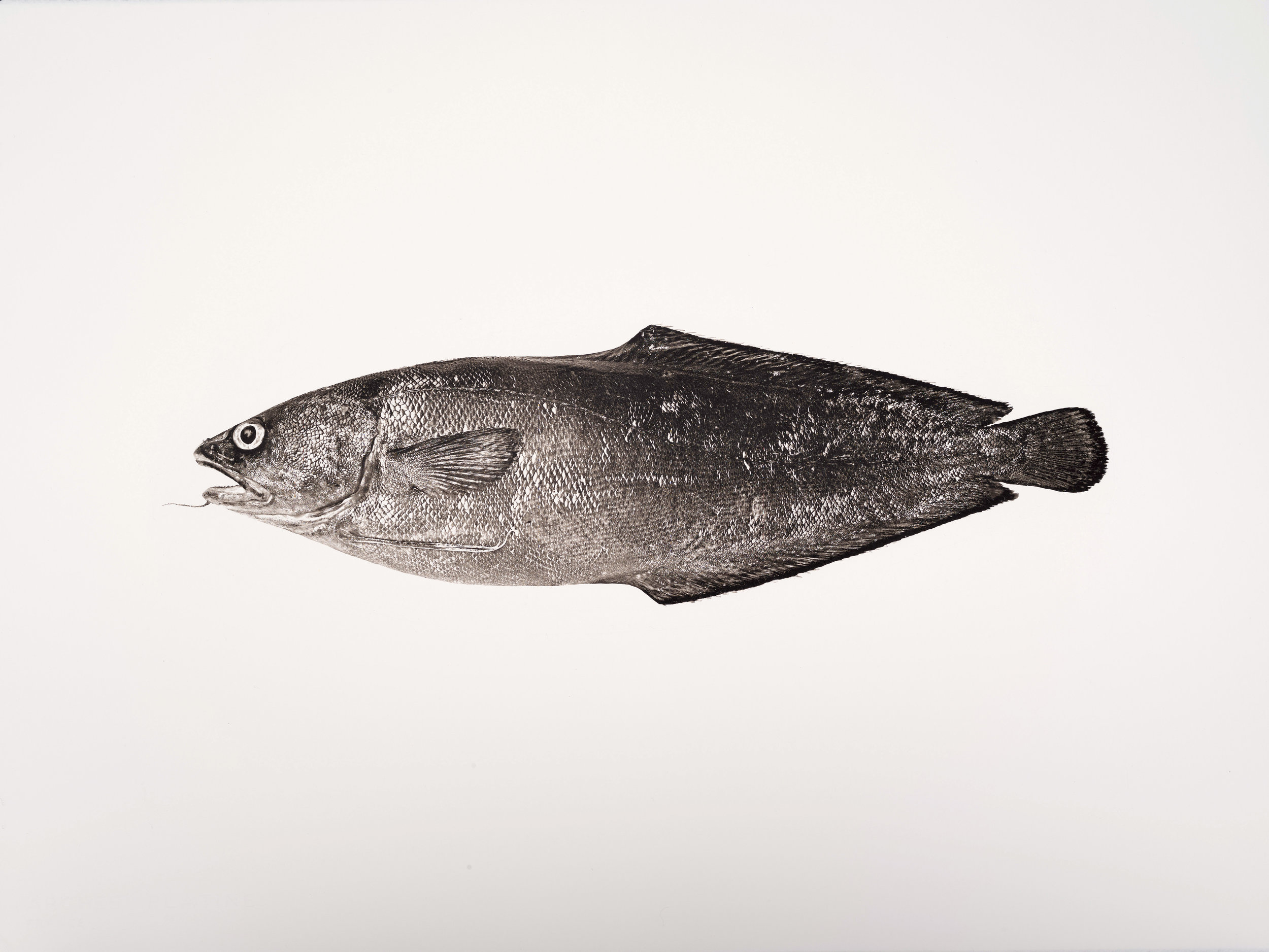
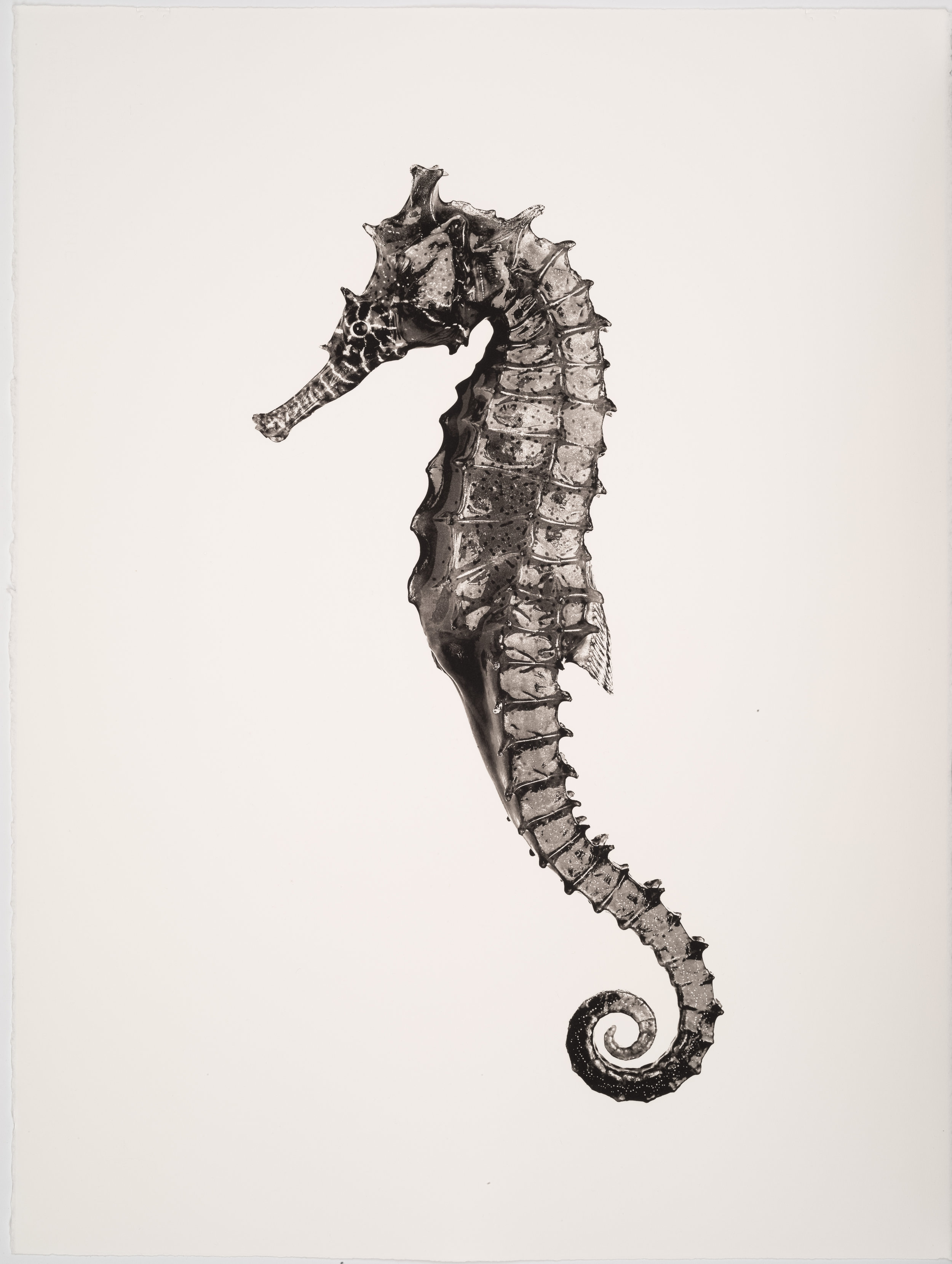
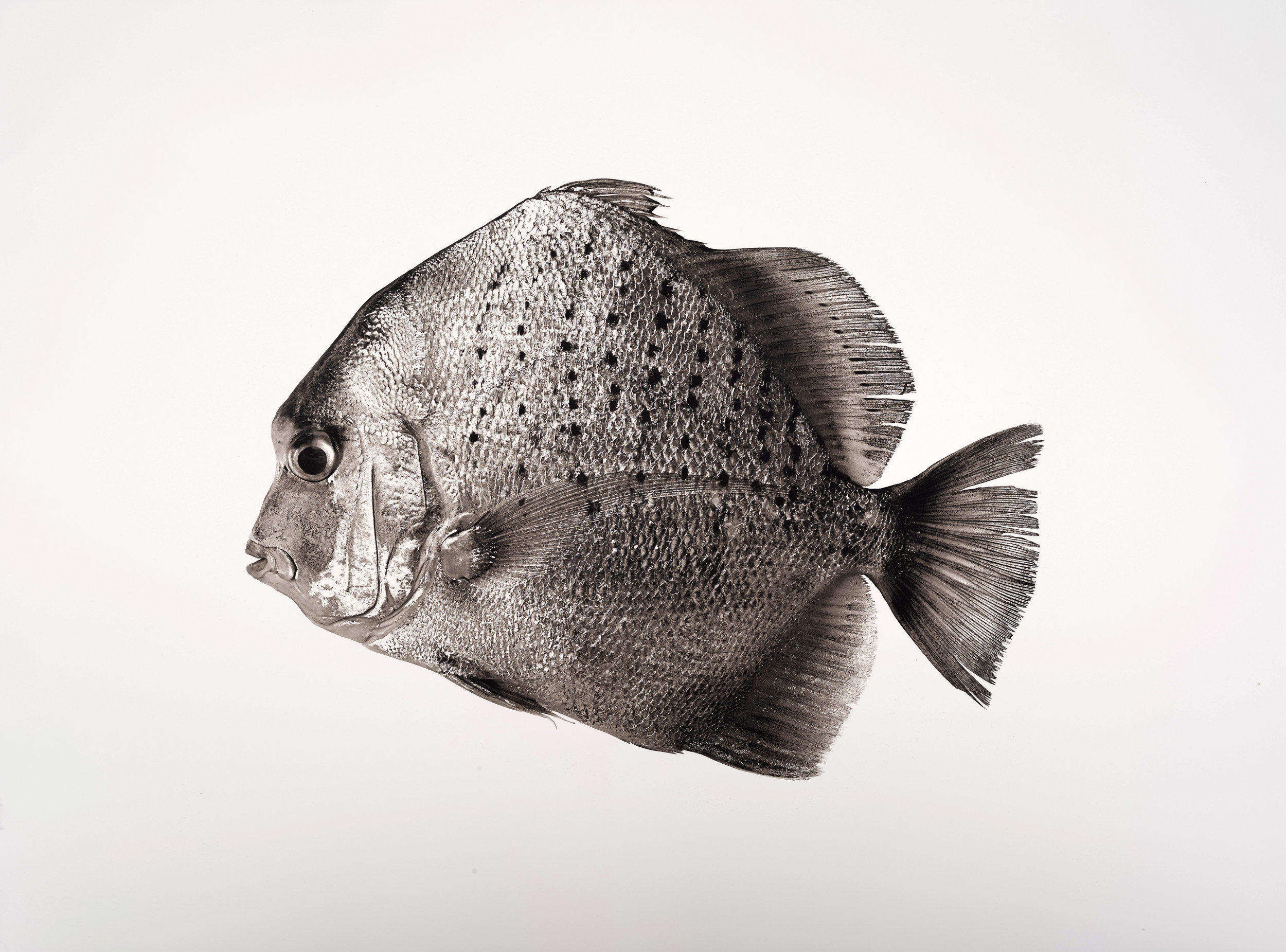
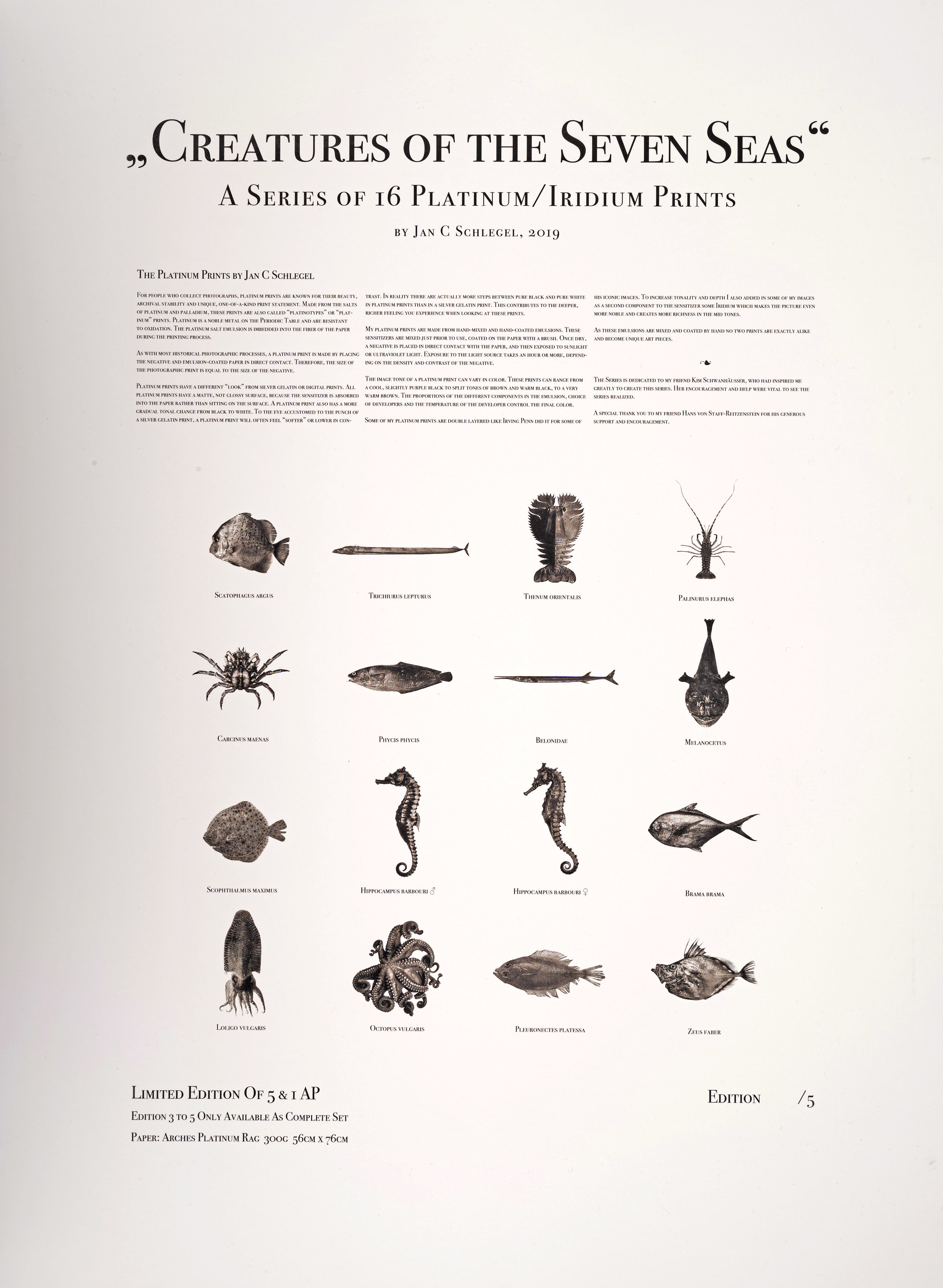
Creatures of the Seven Seas is a series of handmade platinum print photographs by fine art photographer Jan C Schlegel. Created from large format film, the works isolate marine organisms from their environment, reducing them to form, structure, and surface.
Removed from context, the creatures appear both familiar and unfamiliar. What is usually understood as known begins to shift. The images do not document, but transform perception—revealing a presence that exists beyond classification.
The work does not describe the creatures, but repositions how they are seen.
The work moves between scientific clarity and a sense of the unknown. Each form is precise, yet resists complete understanding. The encounter remains open, suspended between recognition and distance.
Related explorations can be found in Life on Earth and Of Aliens, Mermaids and Medusas.
Each work is produced as a platinum print, known for its depth, tonal precision, and permanence, and released in strictly limited editions.
Available as limited edition single prints in sizes of 56 × 76 cm and 40 × 50 cm, as well as a complete set of 16 works presented in a handmade portfolio.
Presented at leading international art fairs, including Paris Photo, AIPAD New York, and Photo London.
Creatures of the Seven Seas
The ocean has always been one of the most mysterious places on earth. In the past many legends and myths have evolved around monsters living in the deep sea. As a child many of us used to fantasize about underwater monsters like giant colossal squids having so much power that they were able to take down ships.
By looking at Jan C. Schlegel his pictures, you can get a small glimpse of the richness and diversity of our oceans. When we think of fish, we usually perceive them as food and think of salmon or tuna.
The photographs reveal much more than what could be imagined and are truly a special tribute to all the different kind of species living underneath the surface. There are sea horses that look like dragons with galaxies on their skin, flounders with their perfect flat form and their ability to turn invisible or even squids that will remind you of aliens from another planet. Using platinum printing as a process allows Jan C. Schlegel to create a deepness in his pictures that makes every small detail and structure visible for the human eye. It gives you the impression of being able to feel the animal just by looking at the pictures. This series celebrates the art of nature.
Every single creature is unique in its appearance, but they have all one thing in common: The ocean as their home.
Just like the animals living in the deep sea, we need the ocean for our existence, helping us to breathe and regulate our climate.
The series “Creatures of the Seven Seas” shouldn’t only show us all the beauty and the fascinating side of the ocean, it also should serve as a reminder to create awareness of what we will loose if we don't take care of our earth.
PLATINUM PRINT: THE MOST NOBLE PRINT
For people who collect photographs, platinum prints are known for their beauty, archival stability and unique, one-of-a-kind print statement. Made from the salts of platinum and palladium, these prints are also called “platinotypes” or “platinum” prints. Platinum is a noble metal on the Periodic Table and are resistant to oxidation. The platinum salt emulsion is imbedded into the fiber of the paper during the printing process.
As with most historical photographic processes, a platinum print is made by placing the negative and emulsion-coated paper in direct contact. Therefore, the size of the photographic print is equal to the size of the negative.
Platinum prints have a different “look” from silver gelatin or digital prints. All platinum prints have a matte, not glossy surface, because the sensitizer is absorbed into the paper rather than sitting on the surface. A platinum print also has a more gradual tonal change from black to white. To the eye accustomed to the punch of a silver gelatin print, a platinum print will often feel “softer” or lower in contrast. In reality there are actually more steps between pure black and pure white in platinum prints than in a silver gelatin print. This contributes to the deeper, richer feeling you experience when looking at these prints.
My platinum prints are made from hand-mixed and hand-coated emulsions. These sensitizers are mixed just prior to use, coated on the paper with a brush. Once dry, a negative is placed in direct contact with the paper, and then exposed to sunlight or ultraviolet light. Exposure to the light source takes an hour or more, depending on the density and contrast of the negative.
The image tone of a platinum print can vary in color. These prints can range from a cool, slightly purple black to split tones of brown and warm black, to a very warm brown. The proportions of the different components in the emulsion, choice of developers and the temperature of the developer control the final color.
Some of my platinum prints are double layered like Irving Penn did it for some of his iconic images. To increase tonality and depth I also added in some of my images as a second component to the sensitizer some Iridium which makes the picture even more noble and creates more richness in the mid tones.
As these emulsions are mixed and coated by hand no two prints are exactly alike and become unique art pieces.
The Series is dedicated to my friend Kim Schwanhäusser, who had inspired me greatly to create this series. Her encouragement and help were vital to see the series realized.
A special thank you to my friend Hans von Staff-Reitzenstein for his generous support and encouragement.