
Essence, Silver GELATINE Prints
A reduction of the photographic image to its essential conditions, structured as a body of work concerned with form, light, and perceptual clarity.
Major Work, 2022

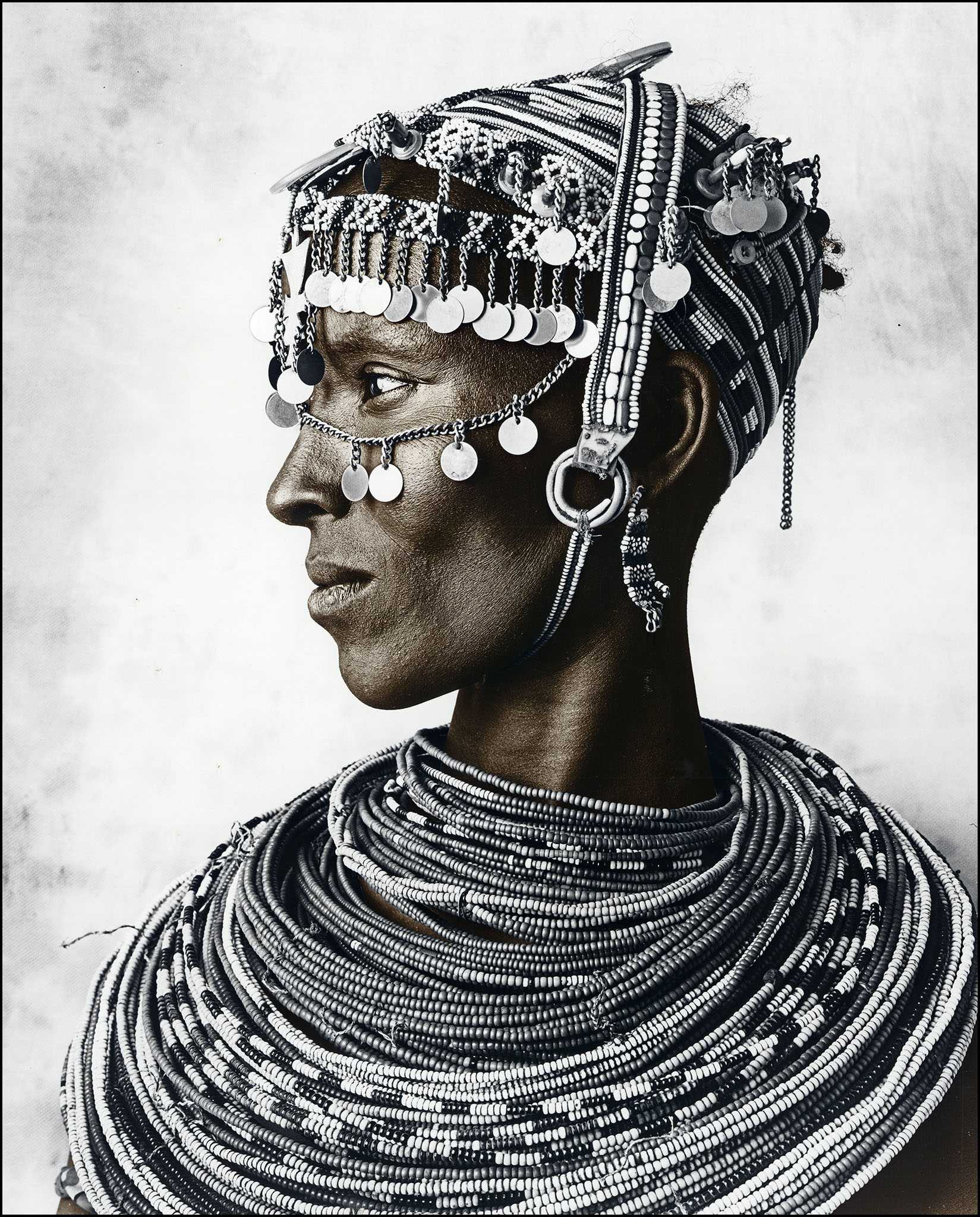


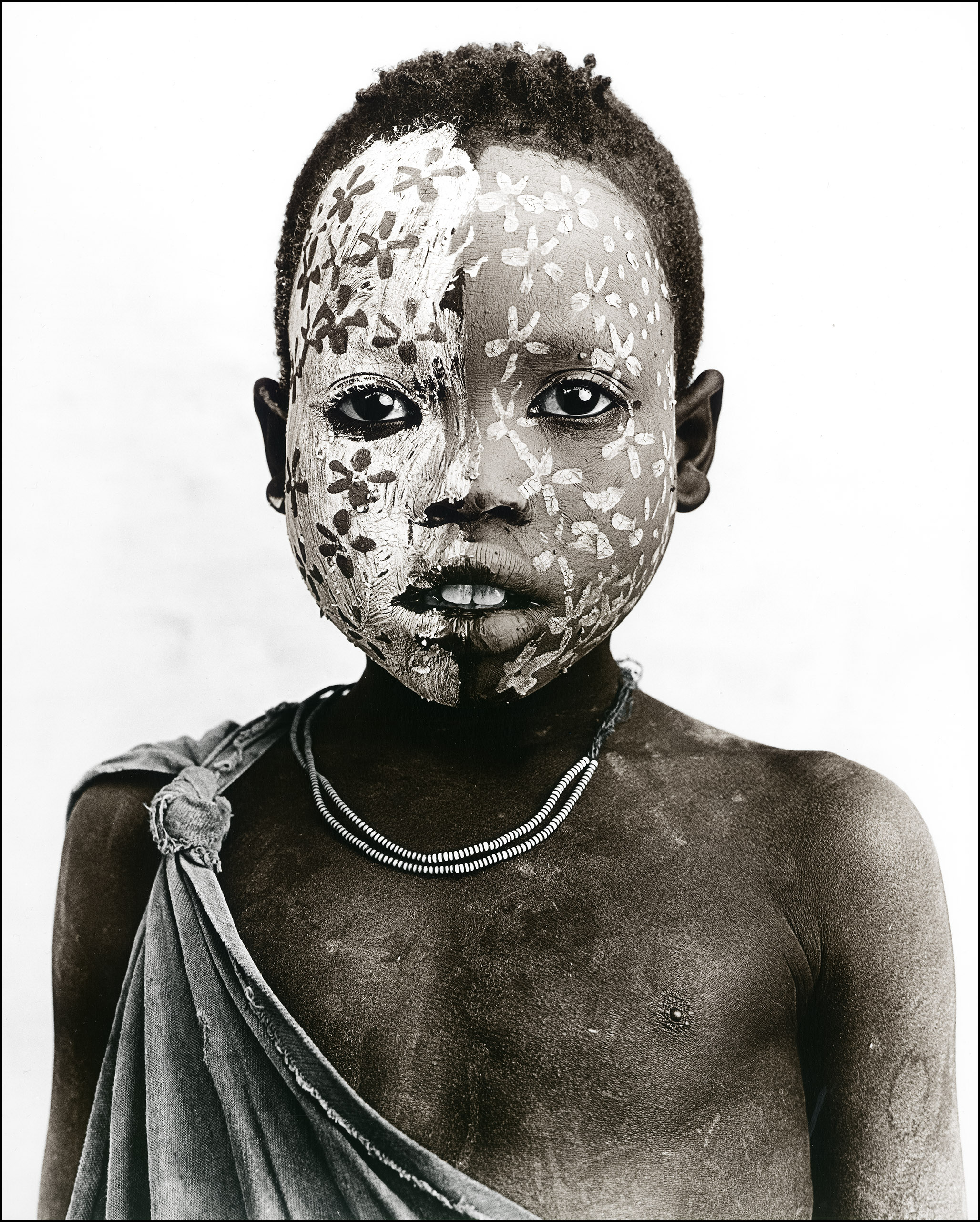


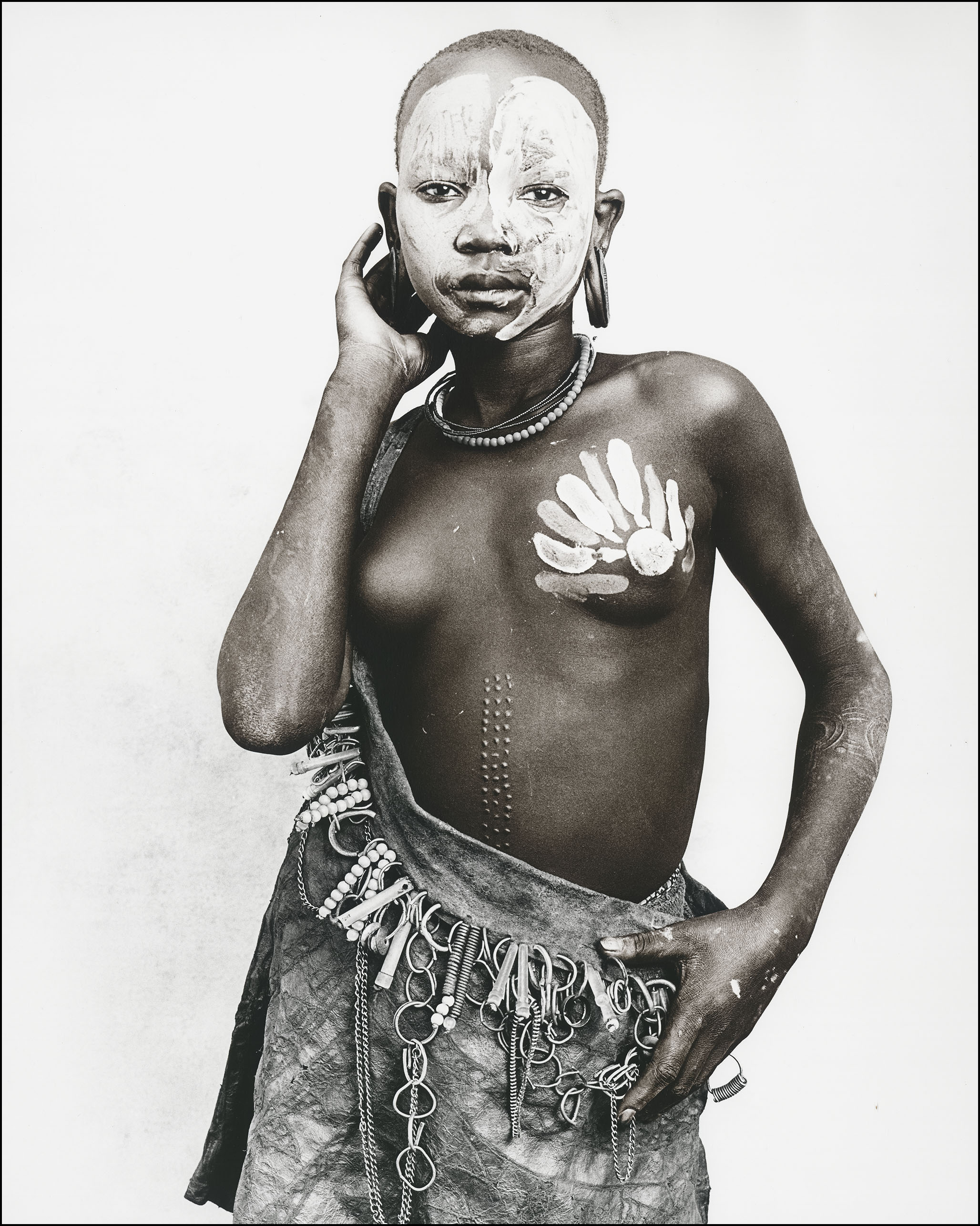


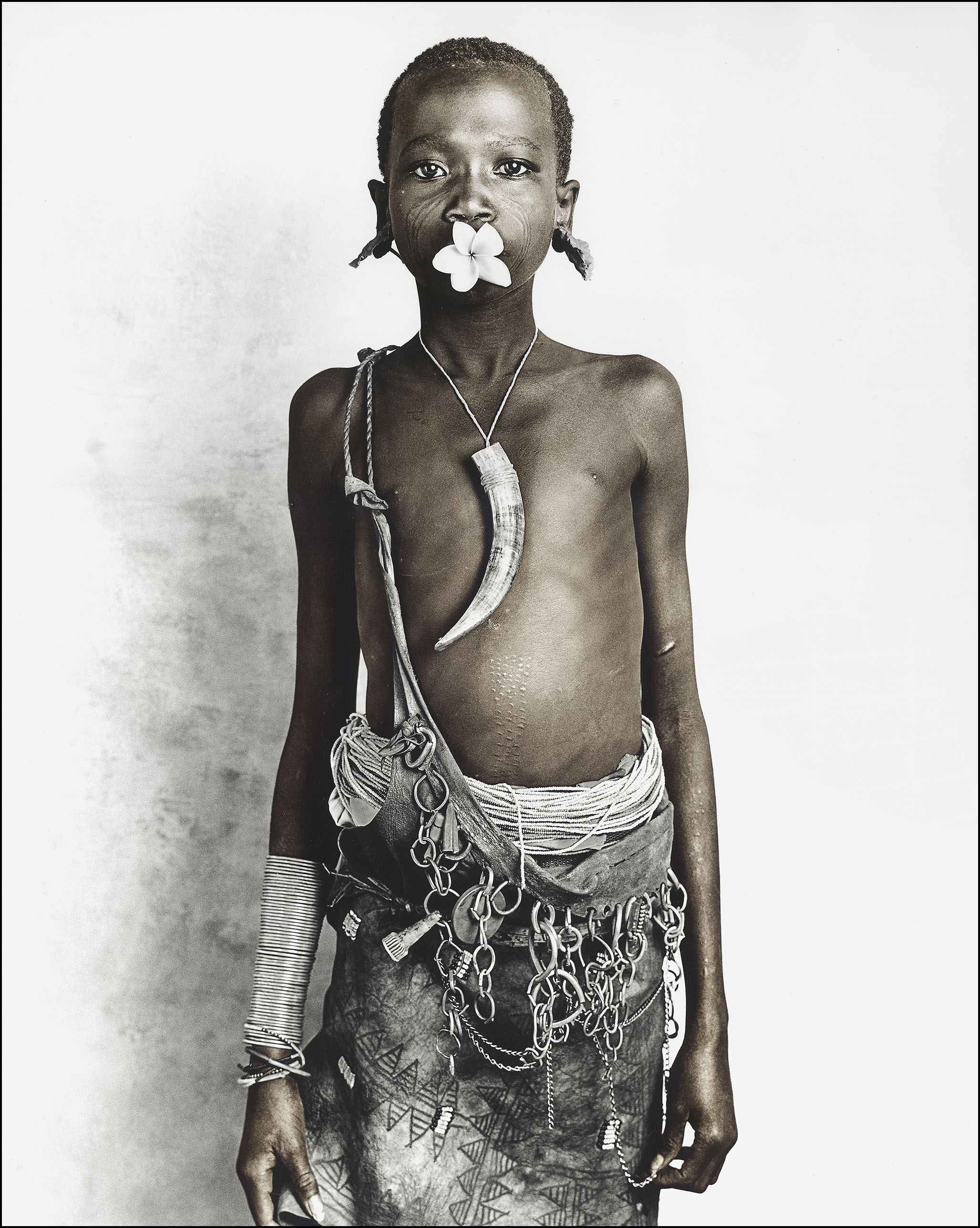
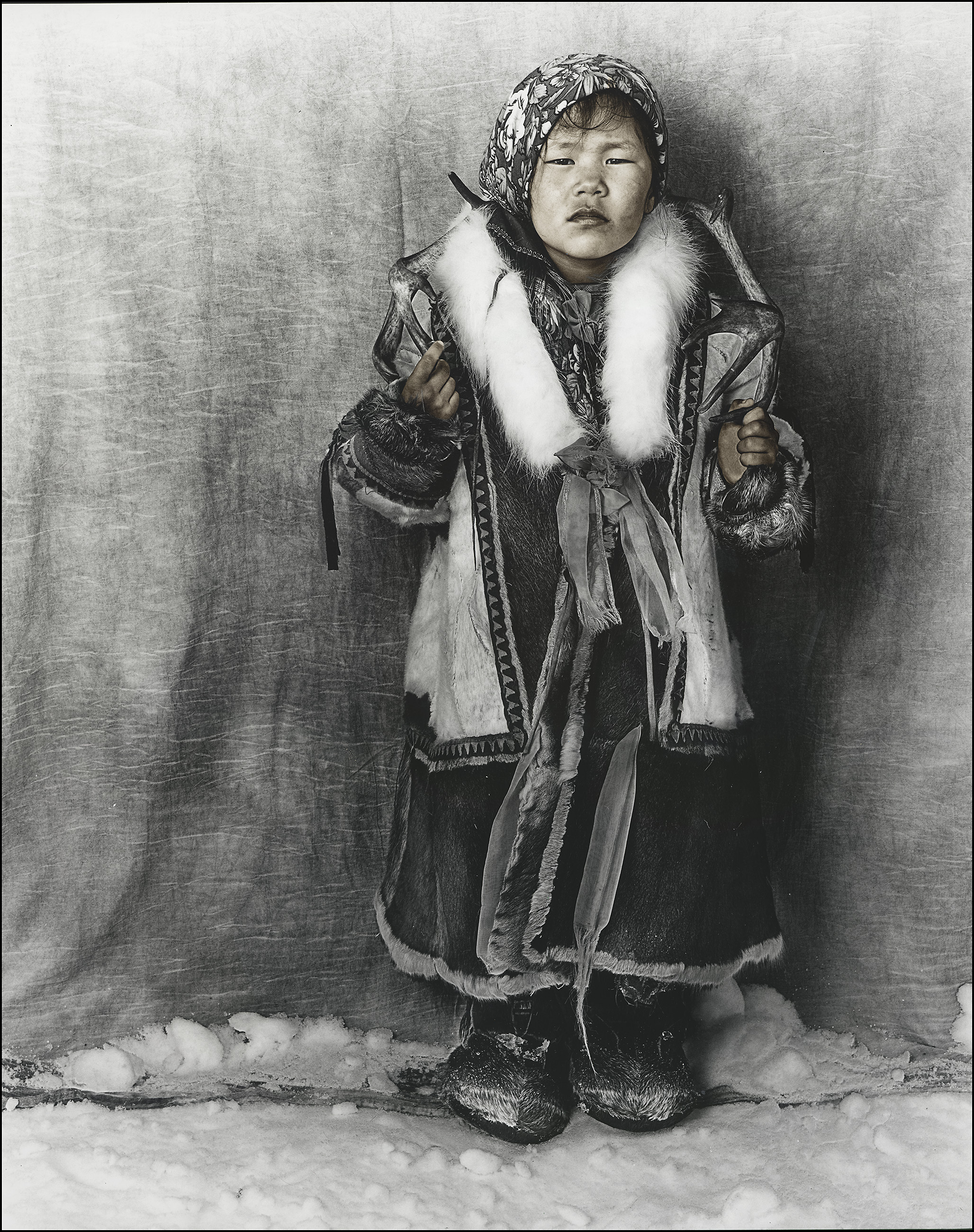
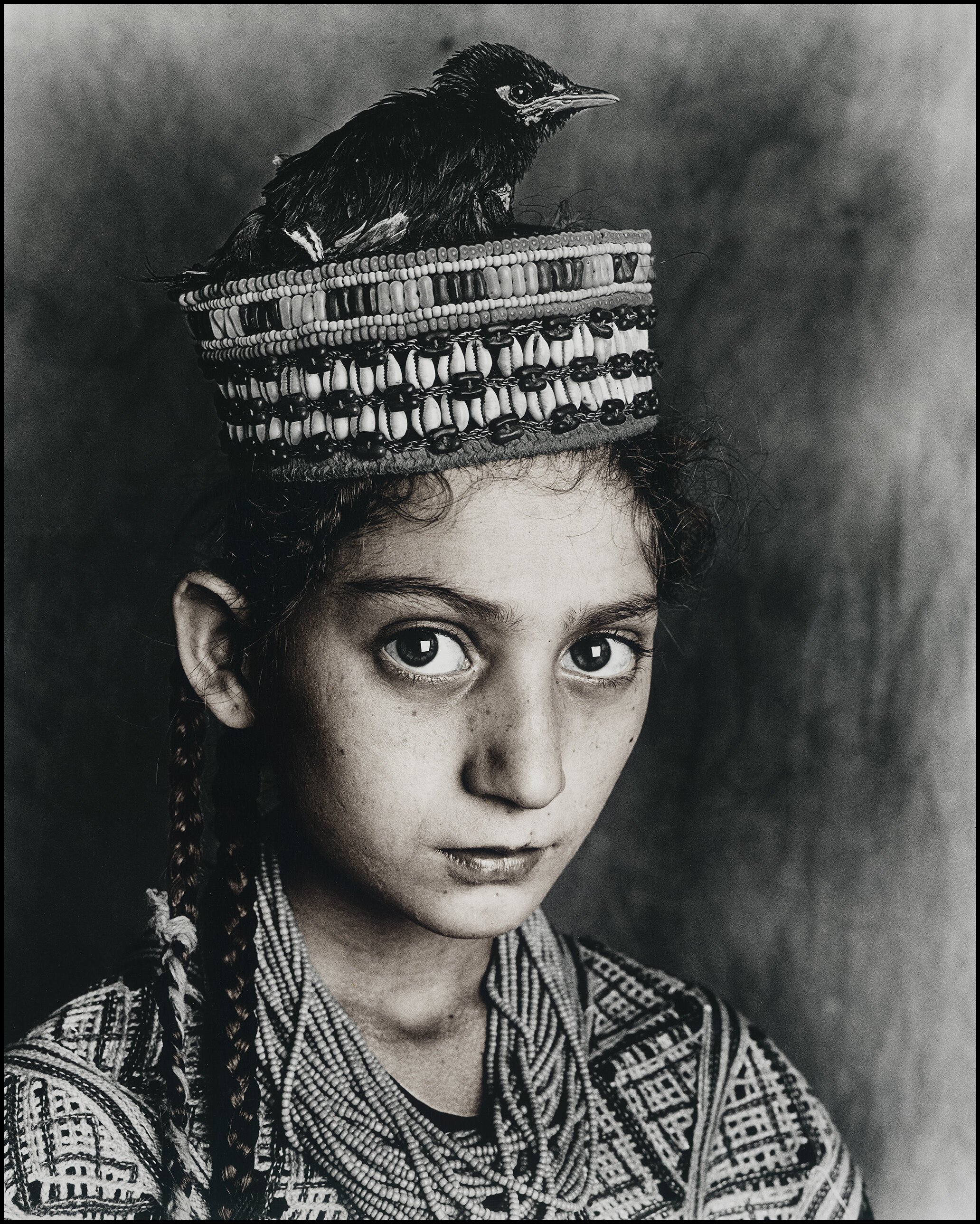
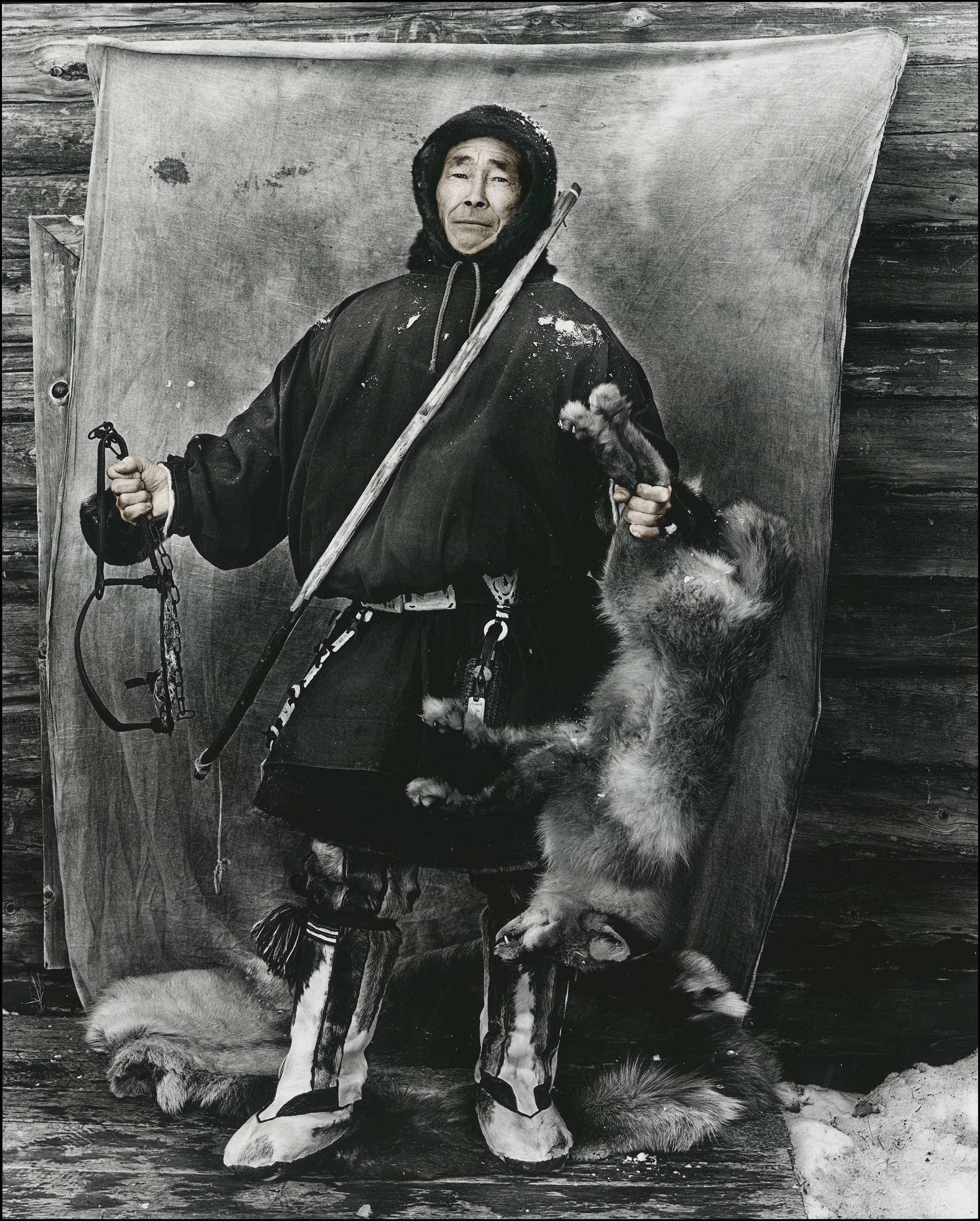
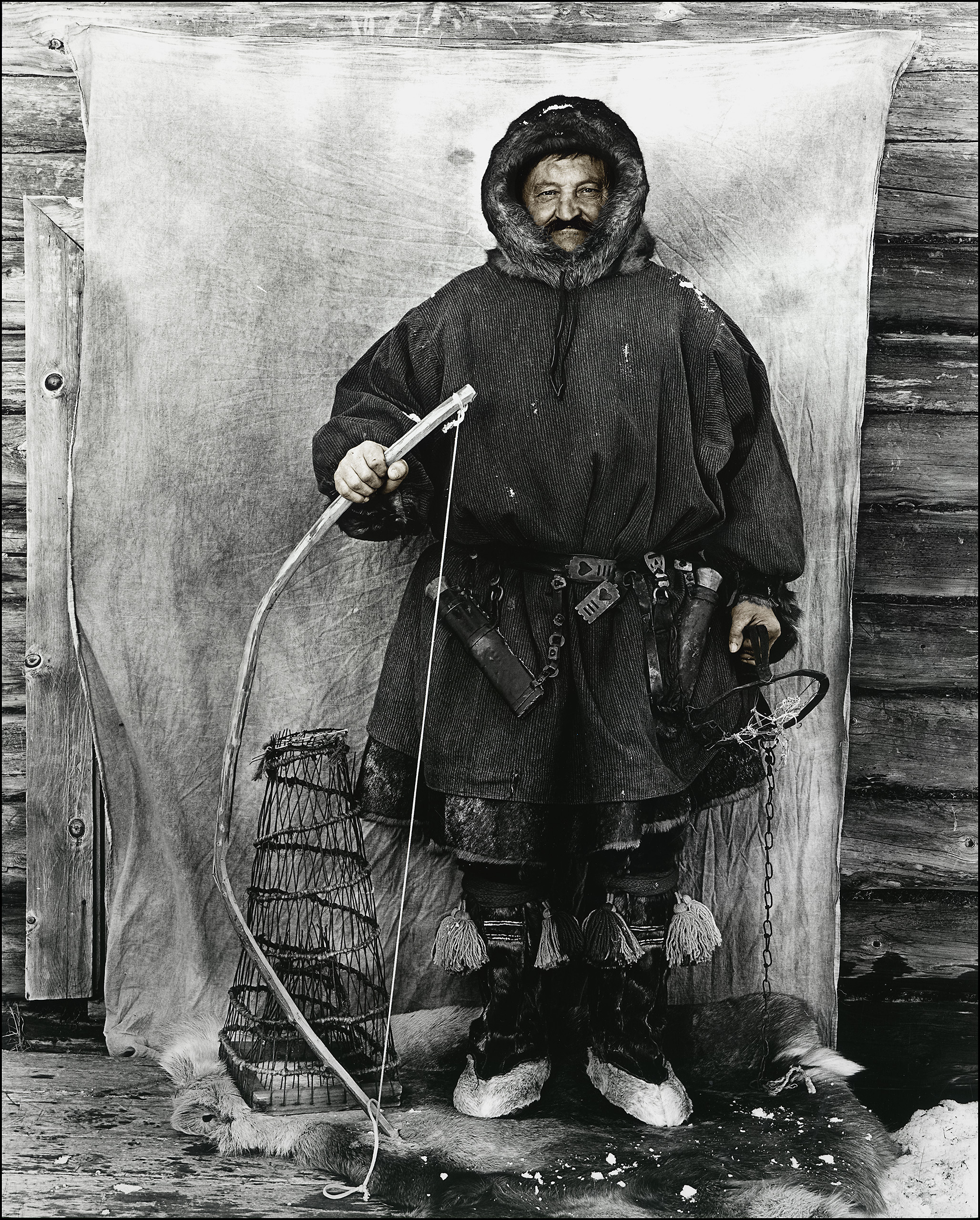


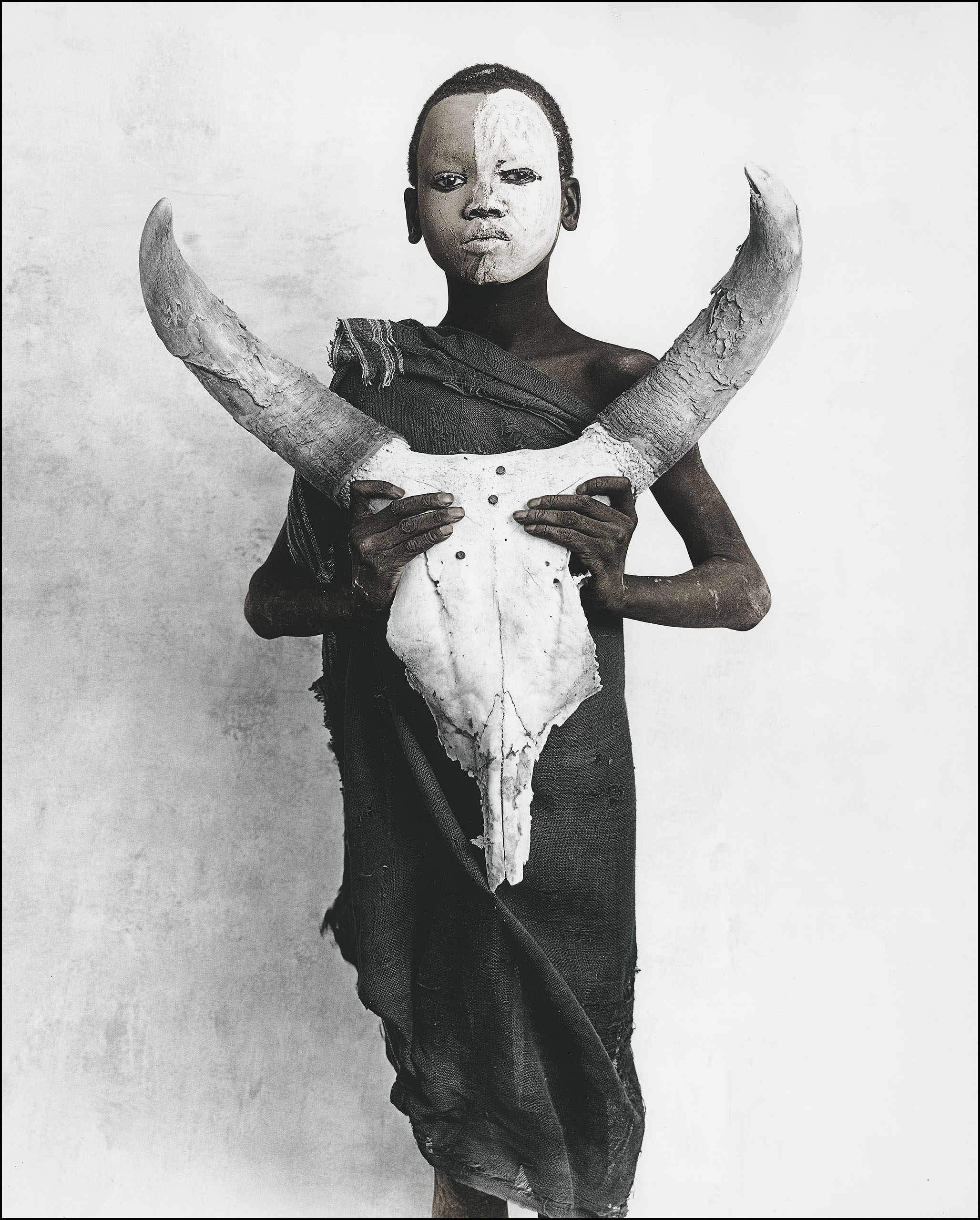
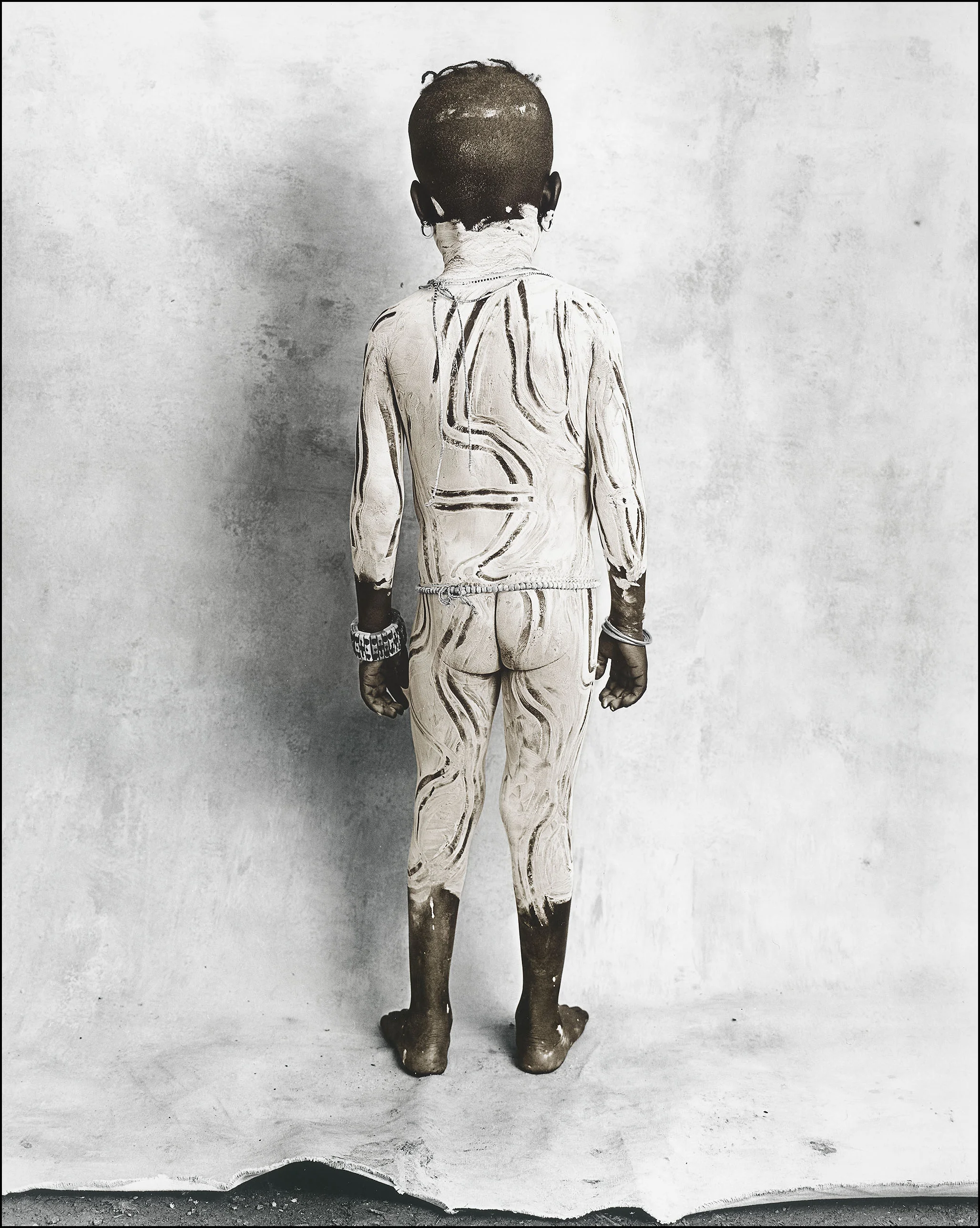


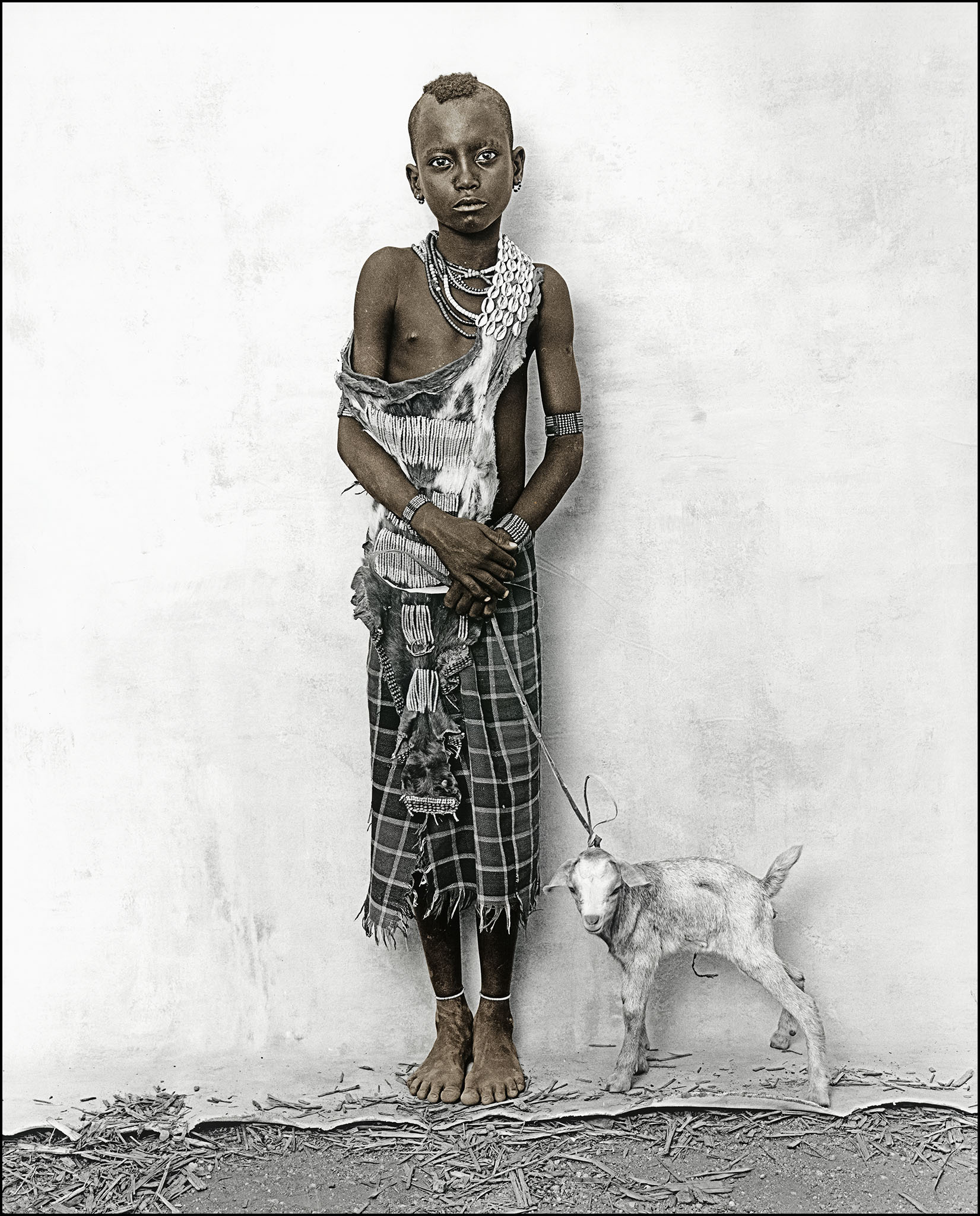
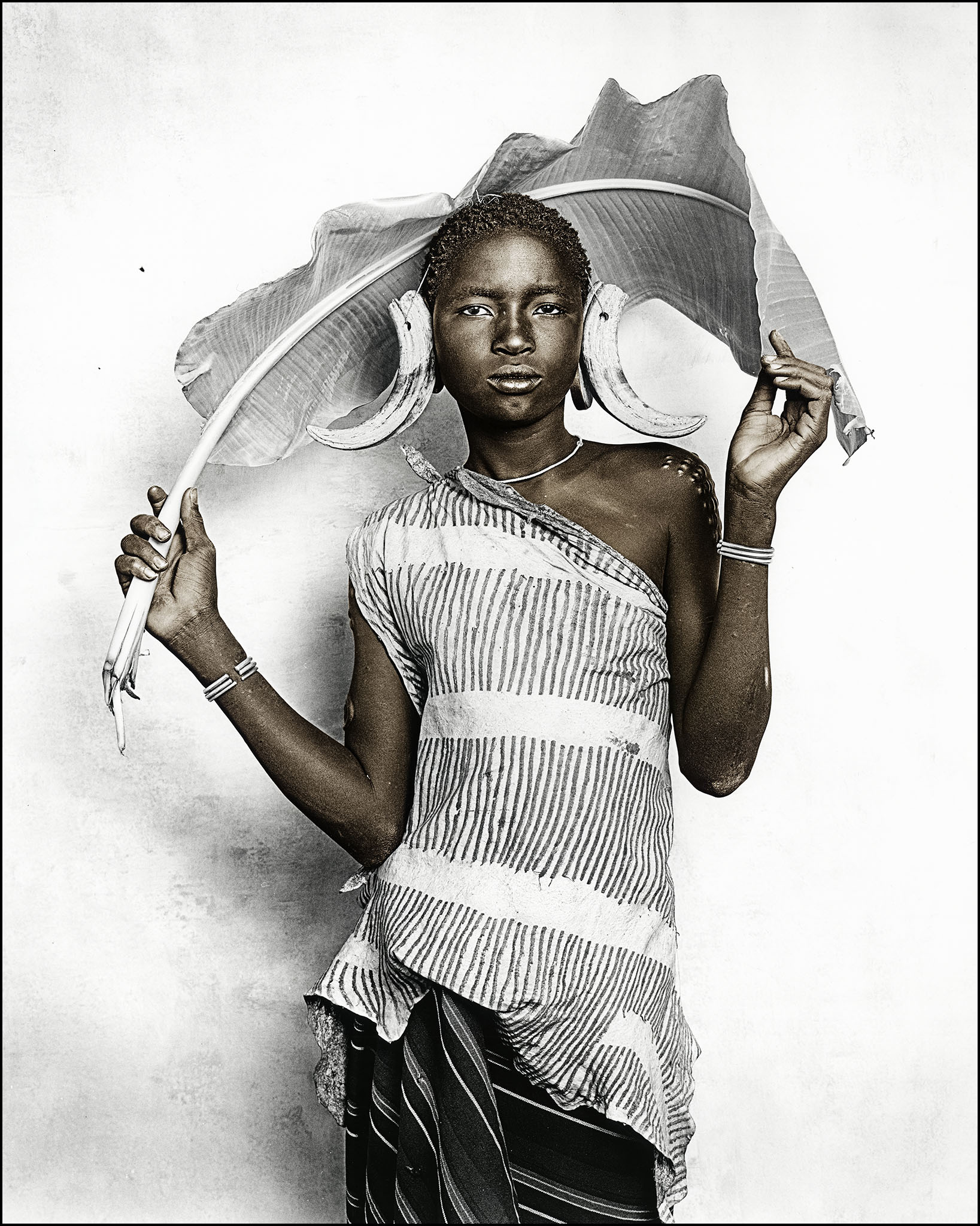
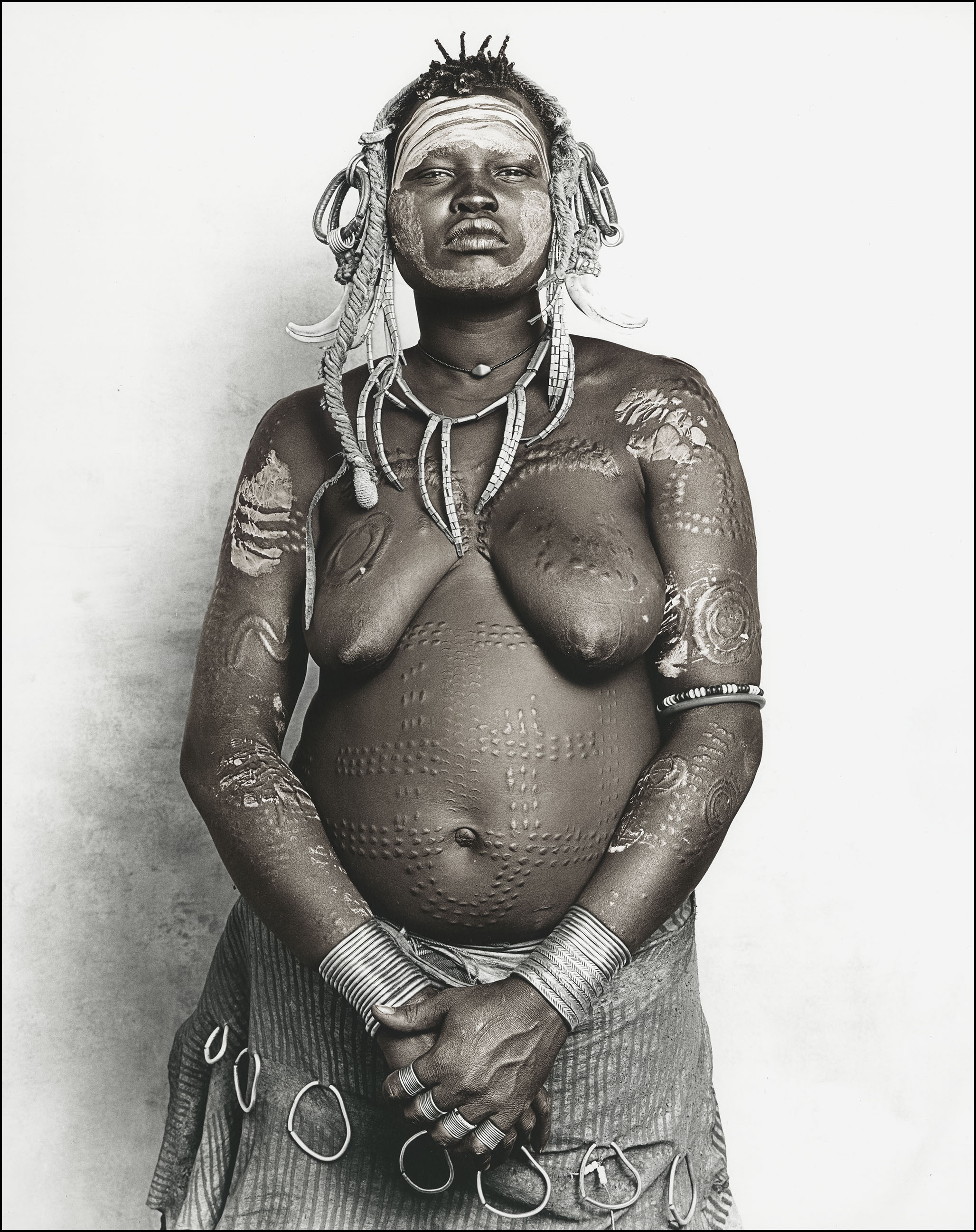

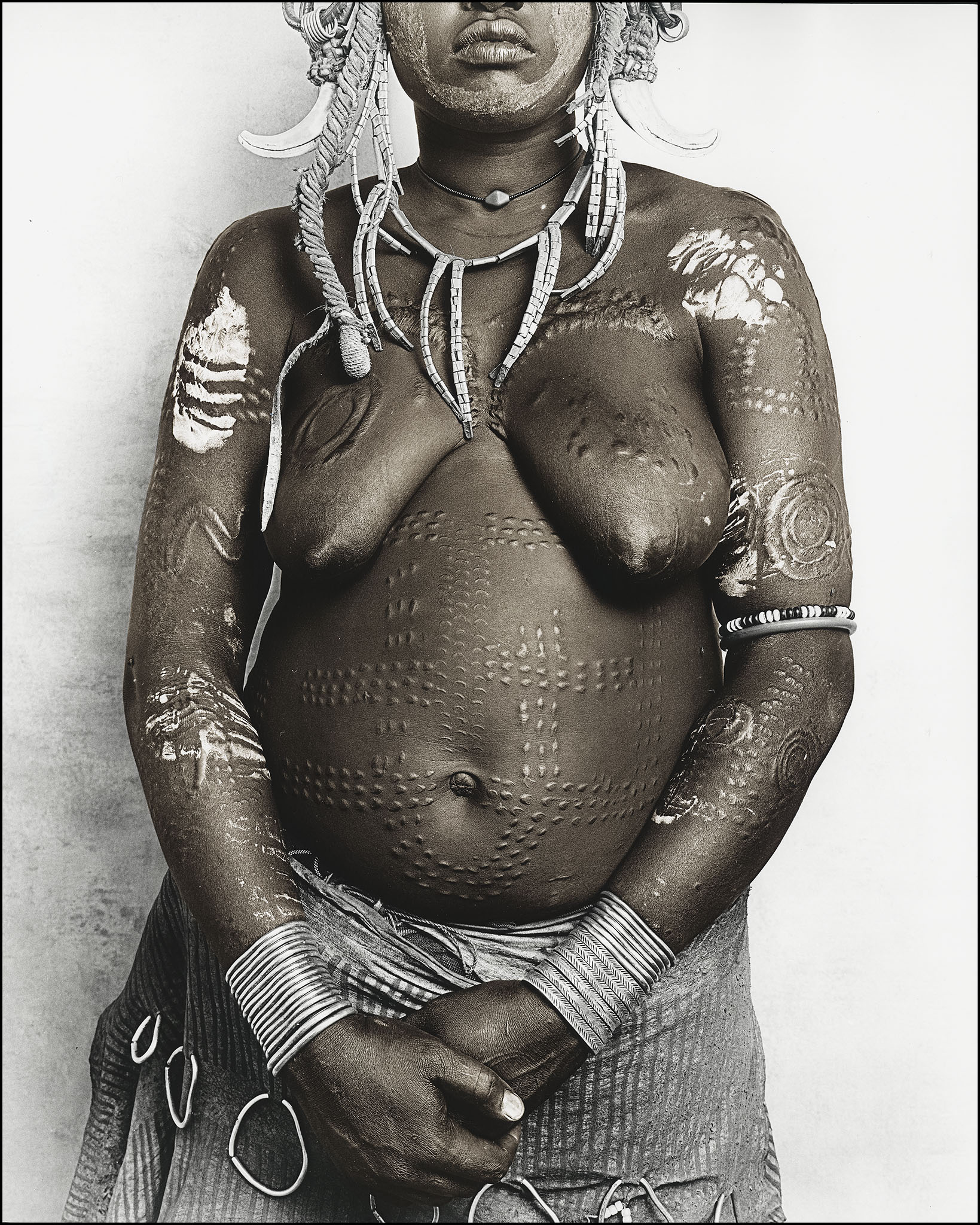
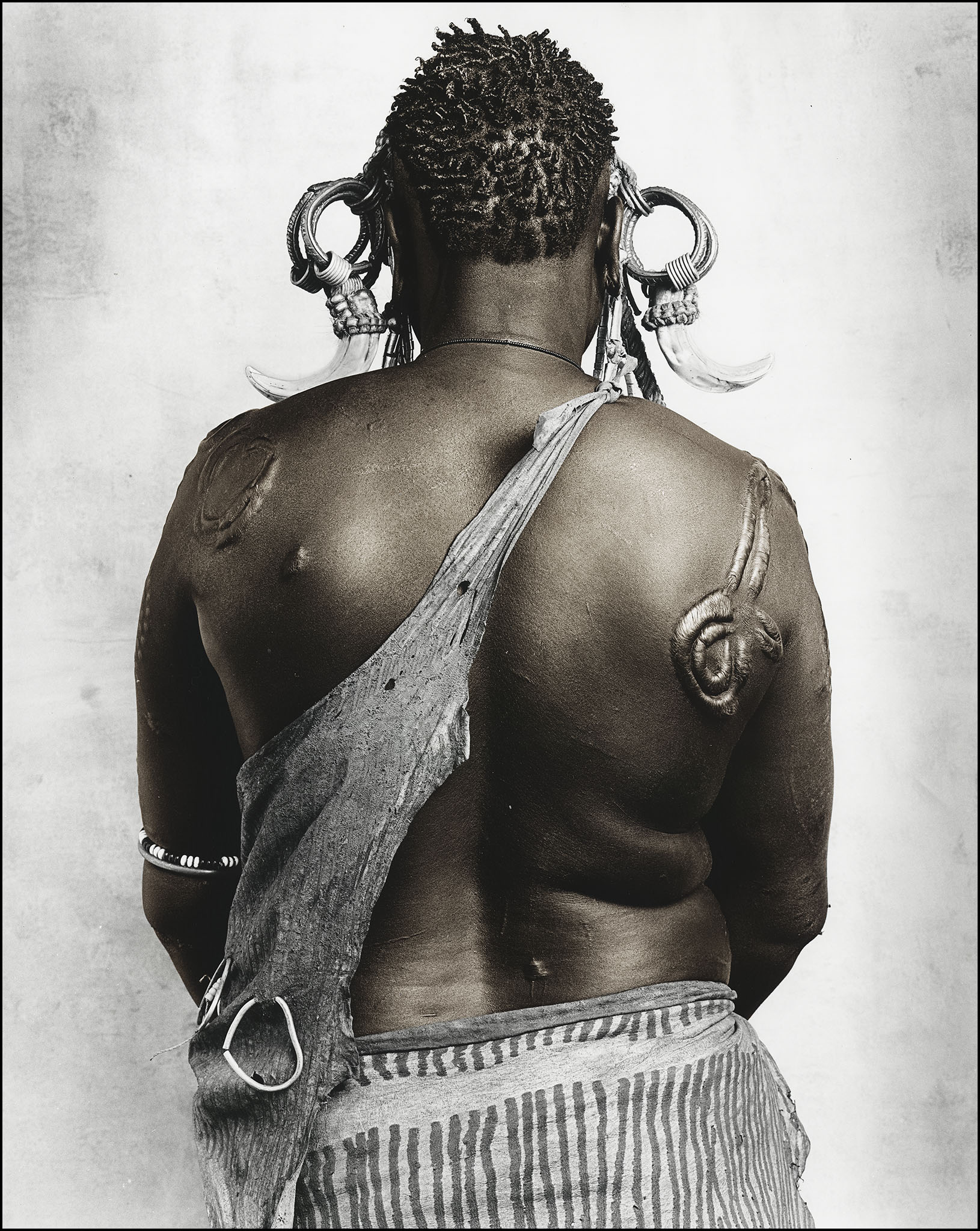
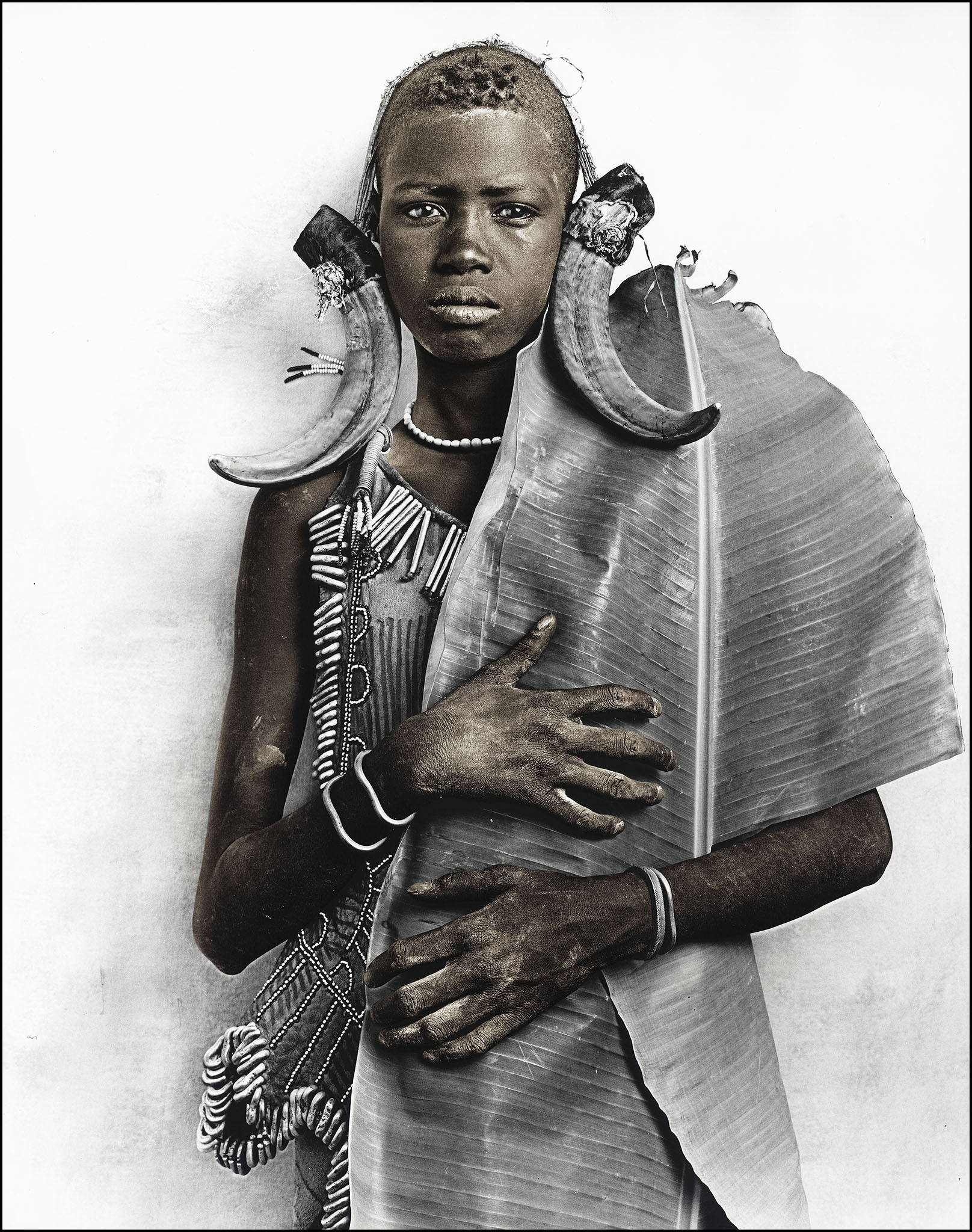
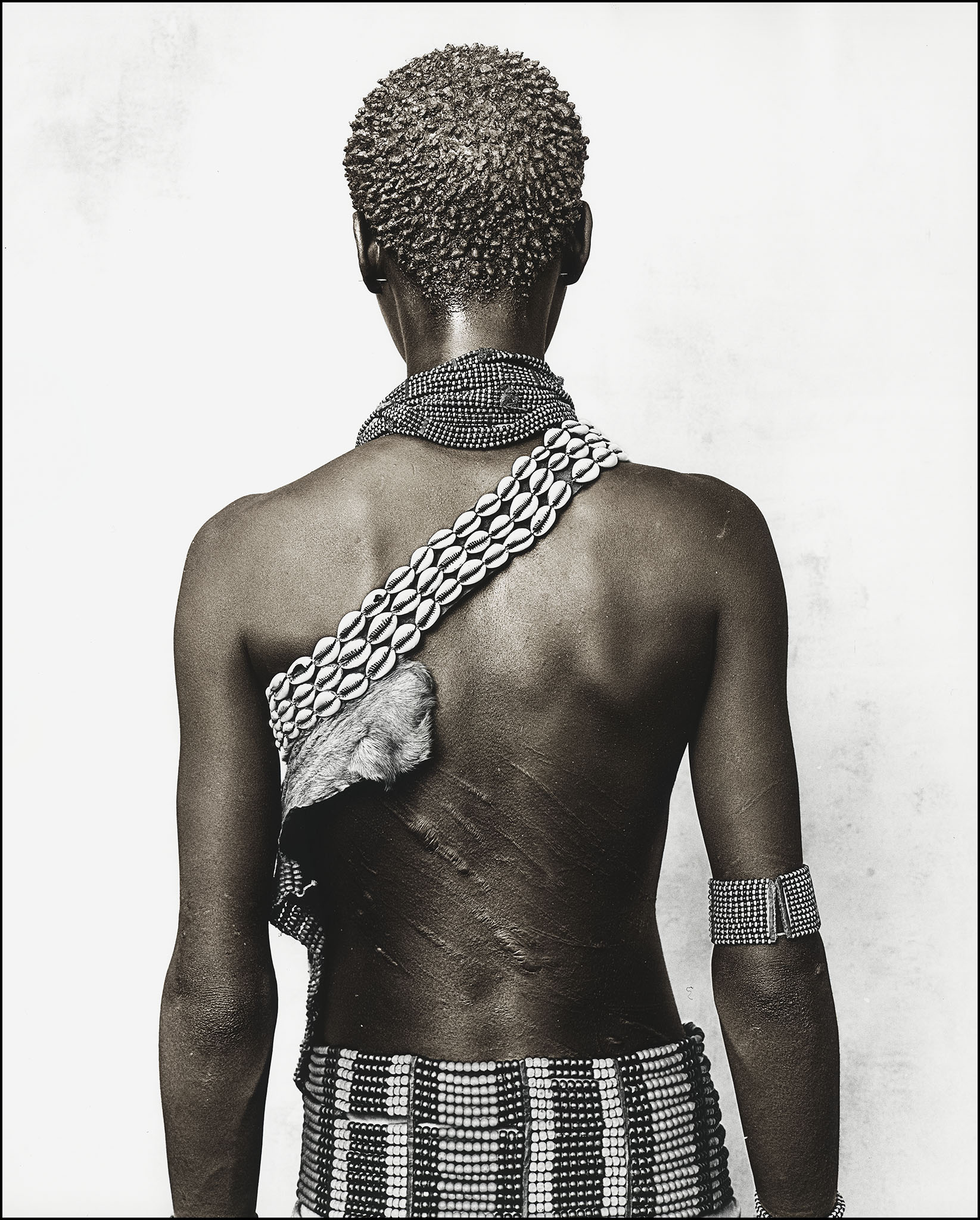
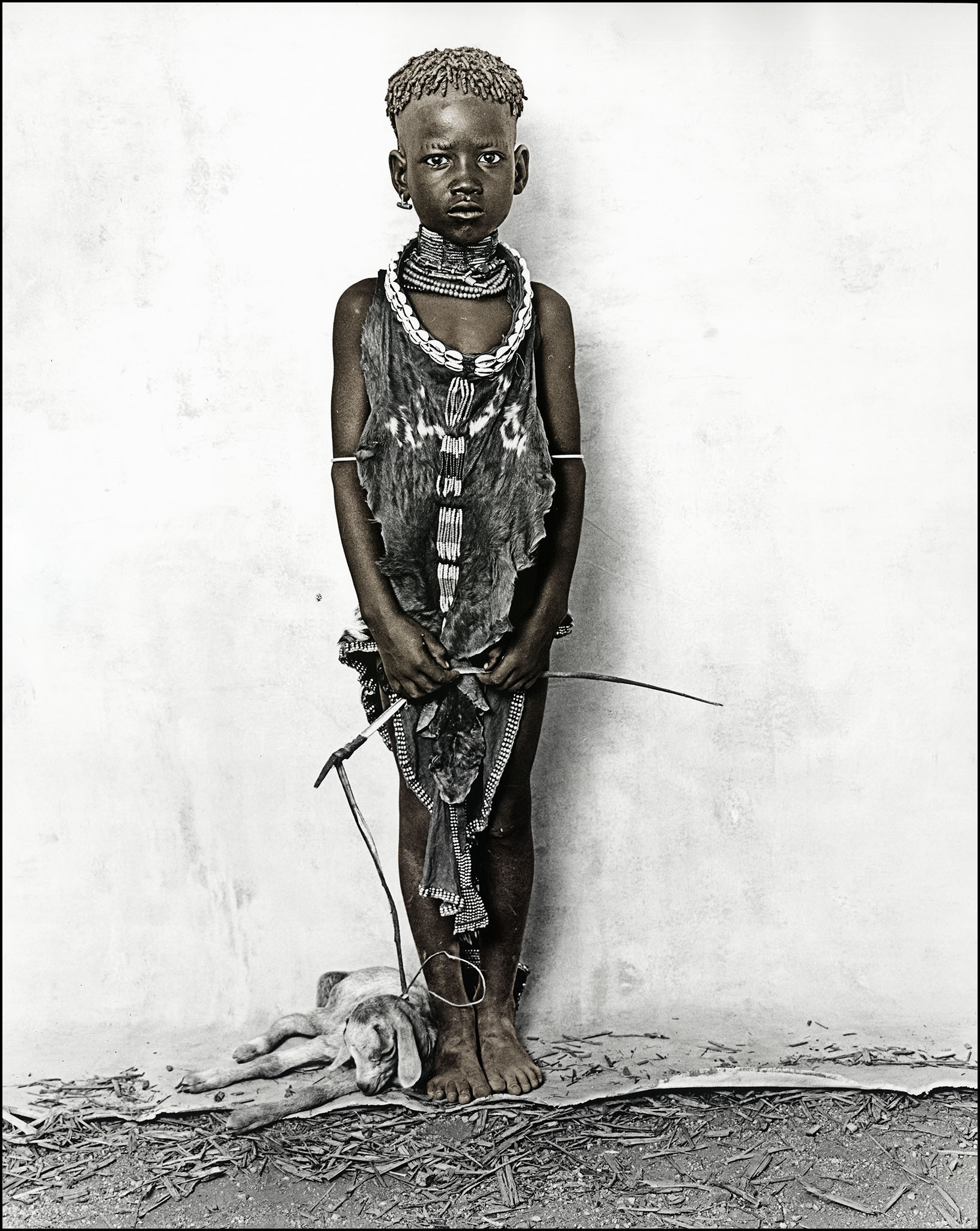
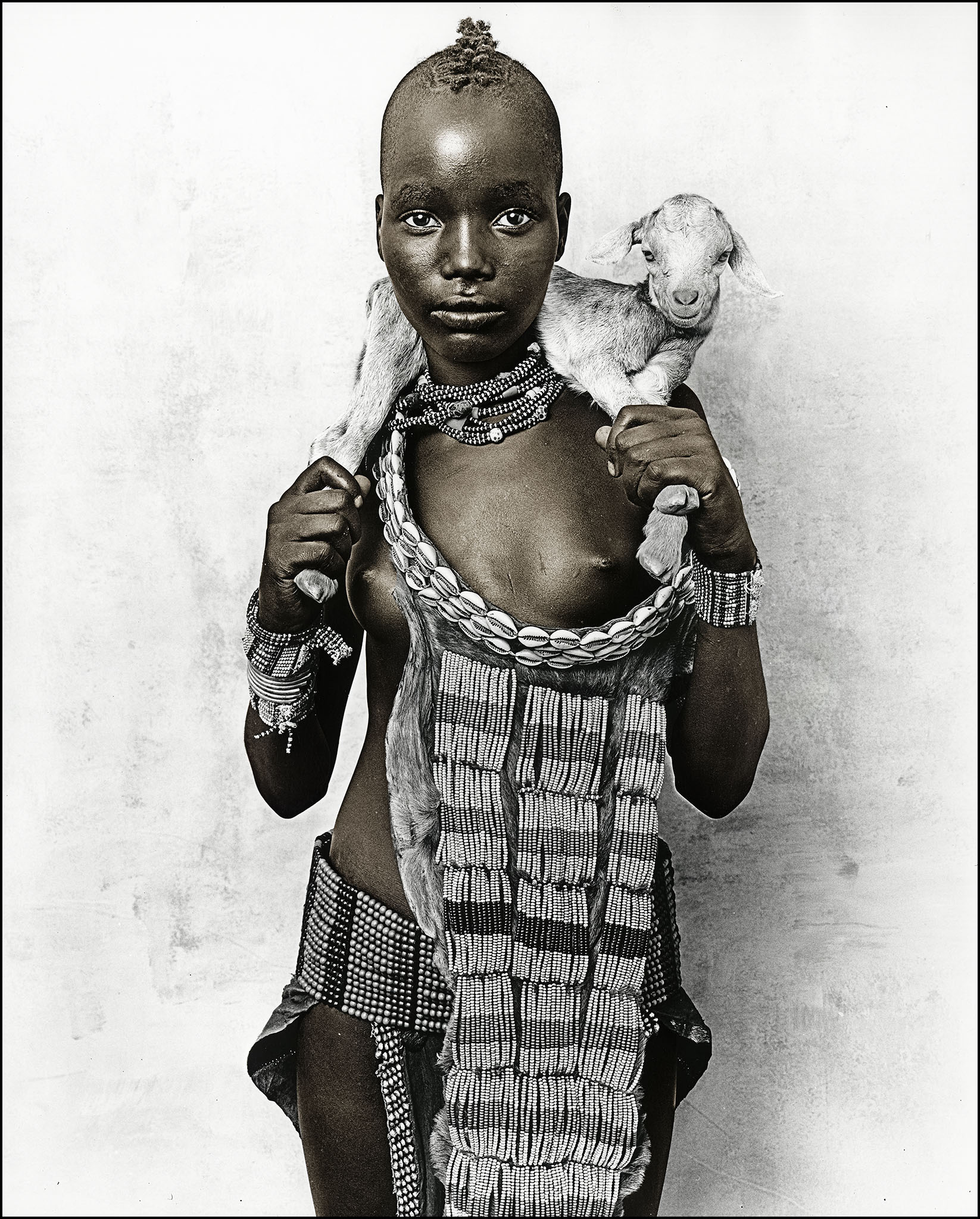

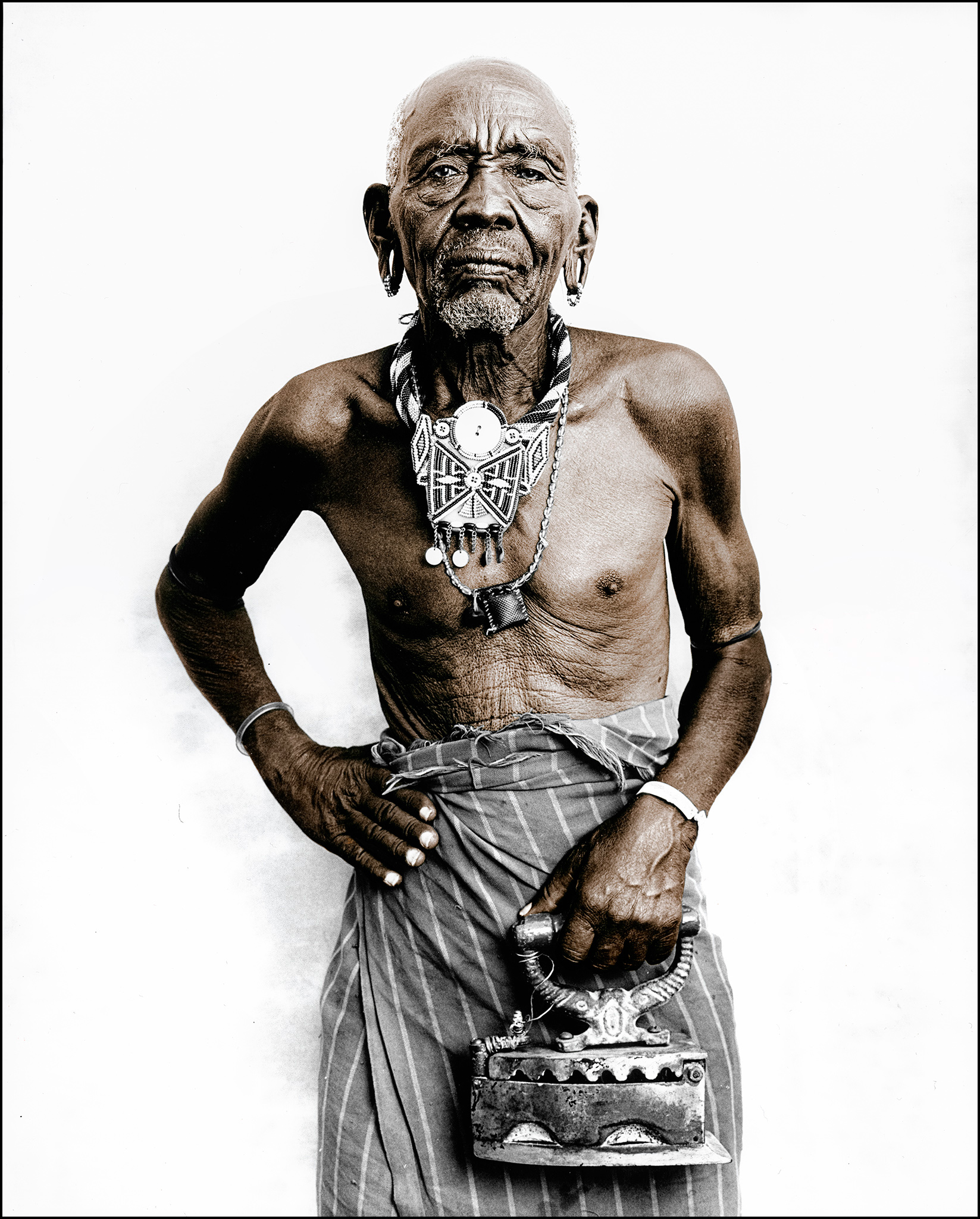

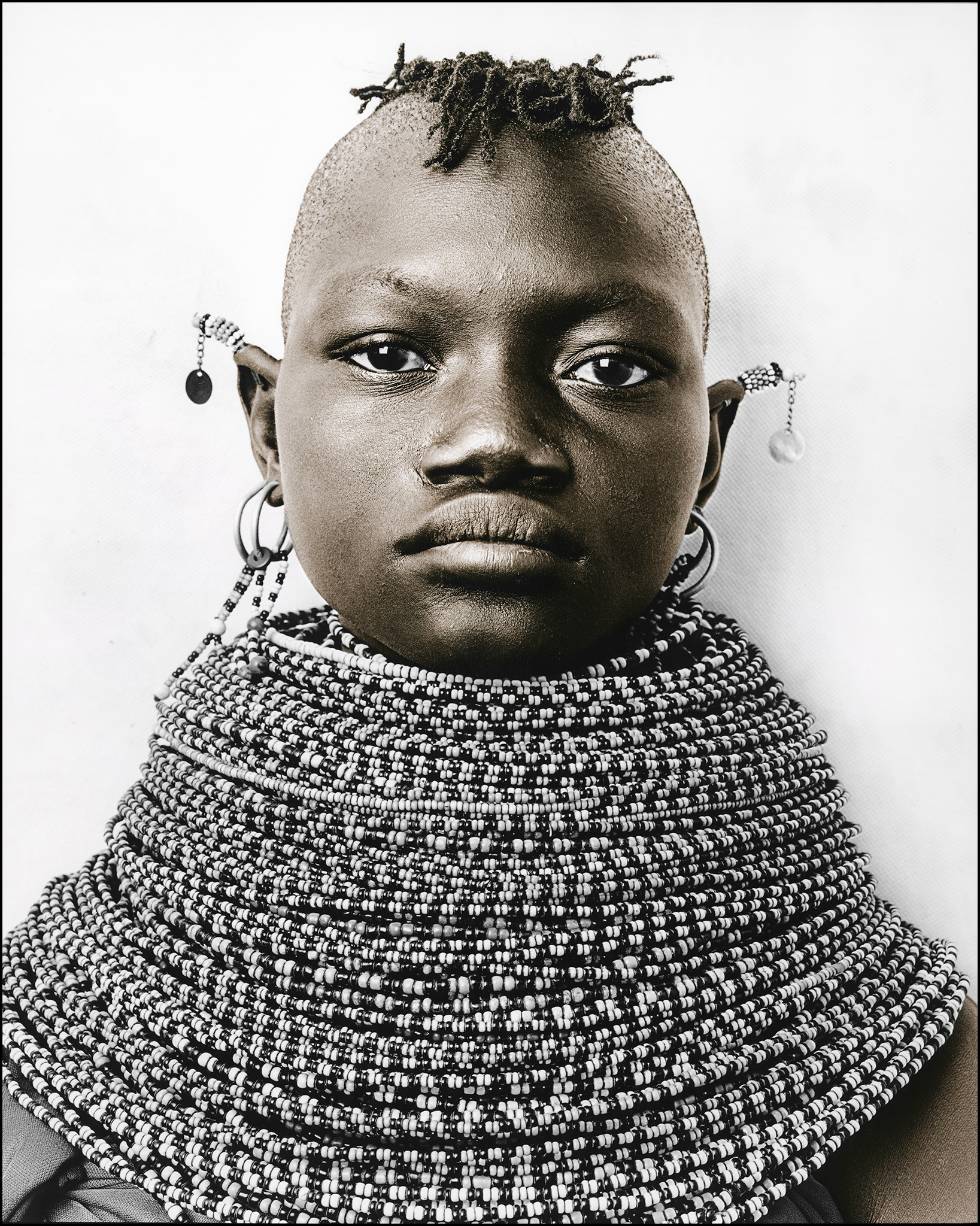
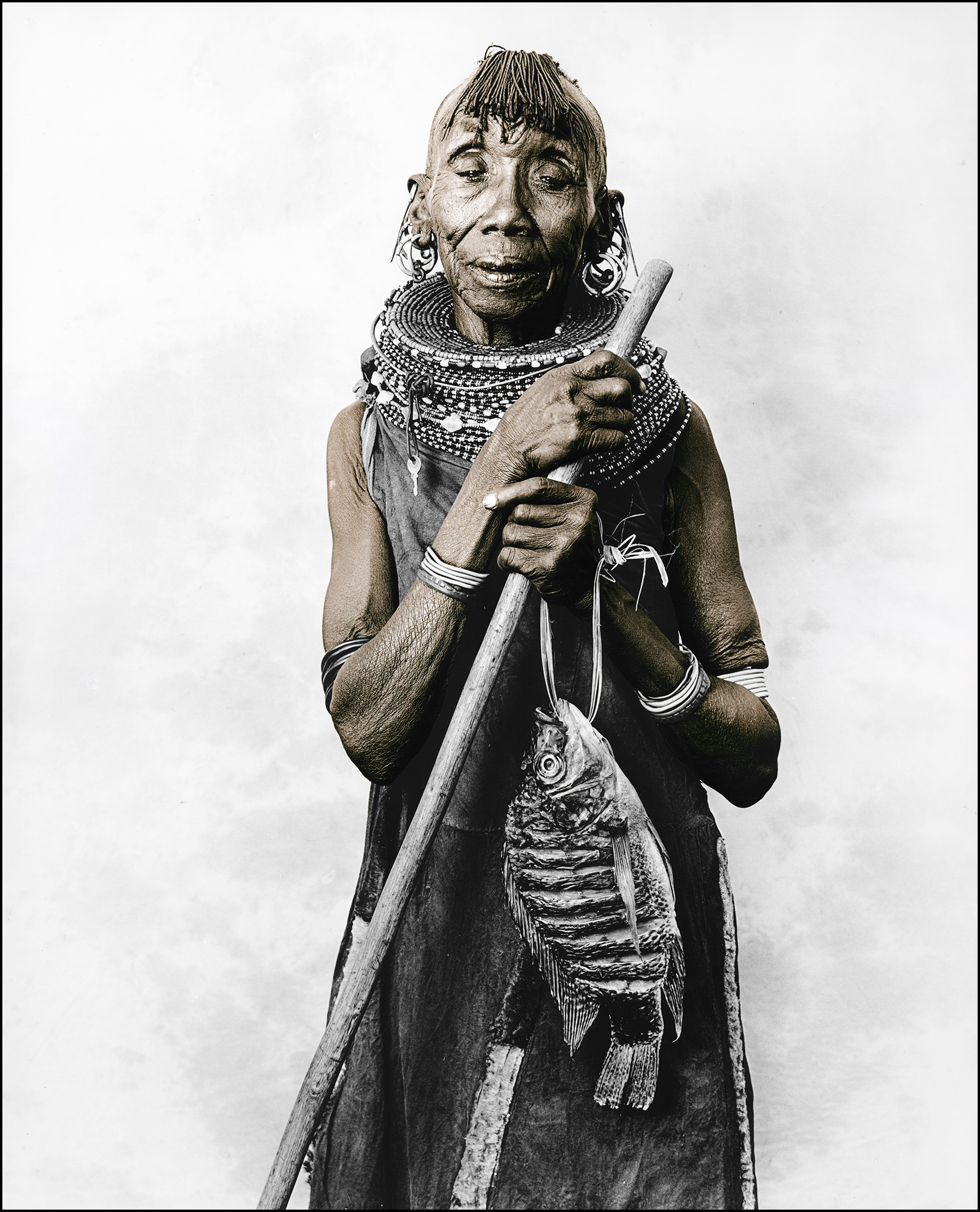


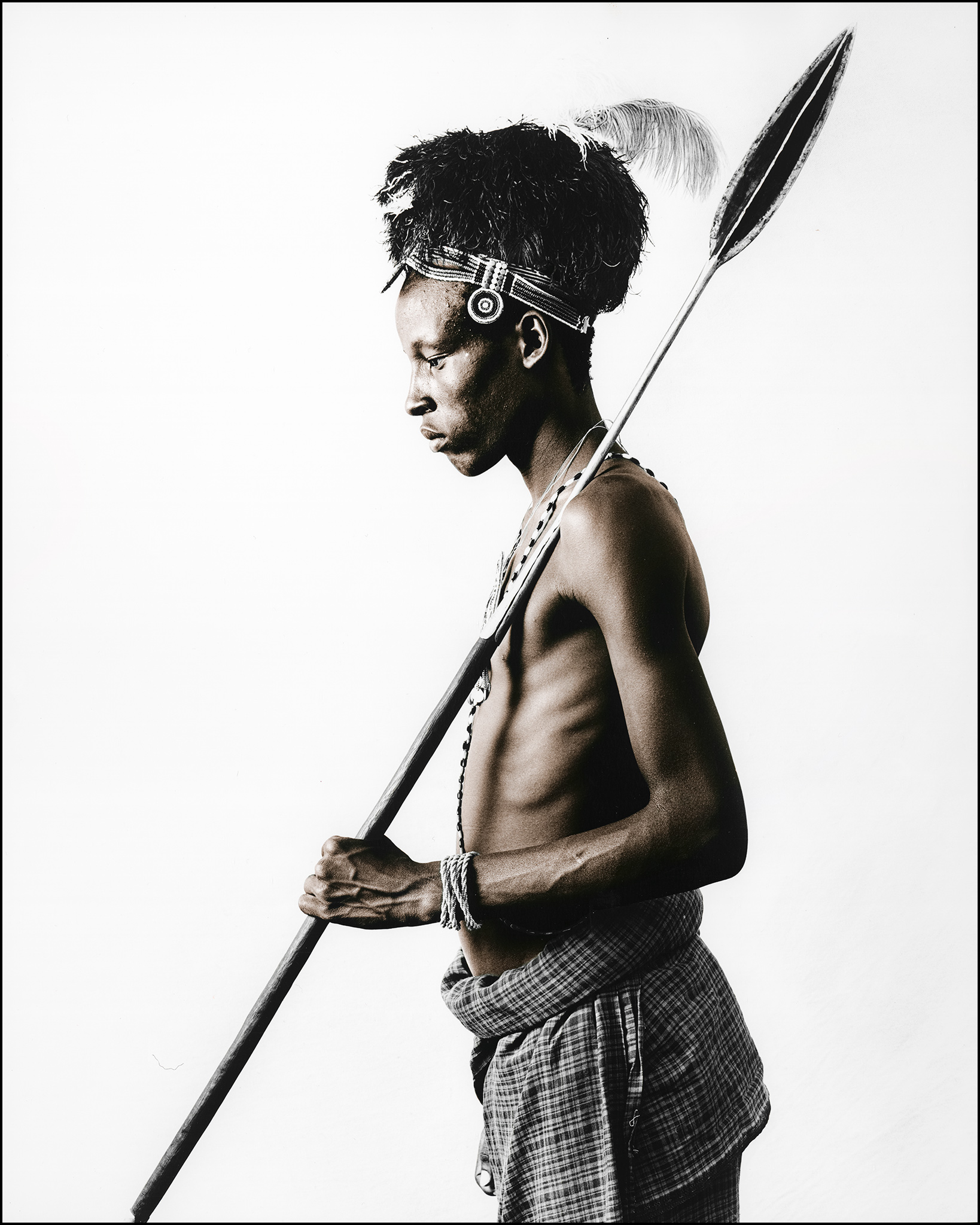
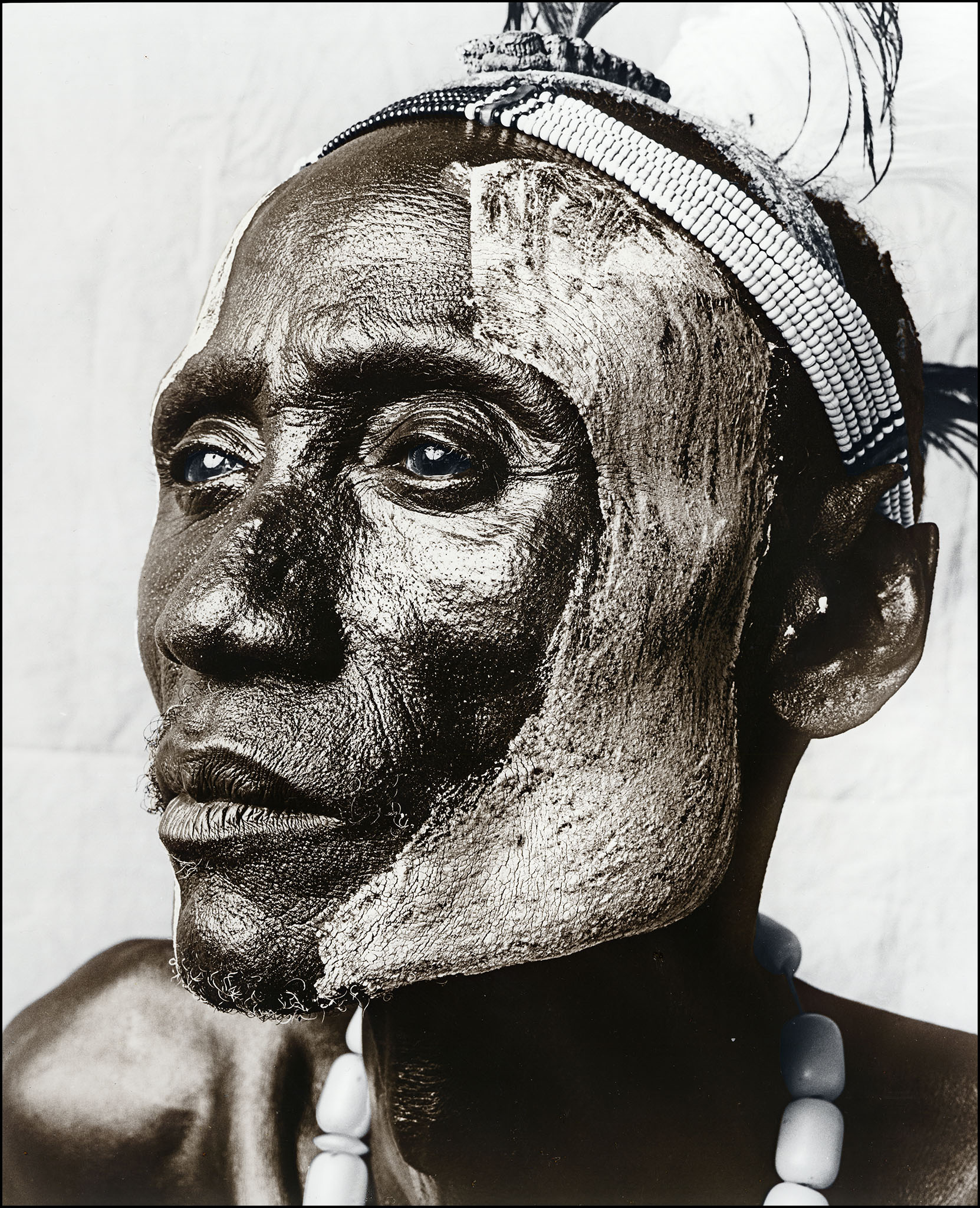
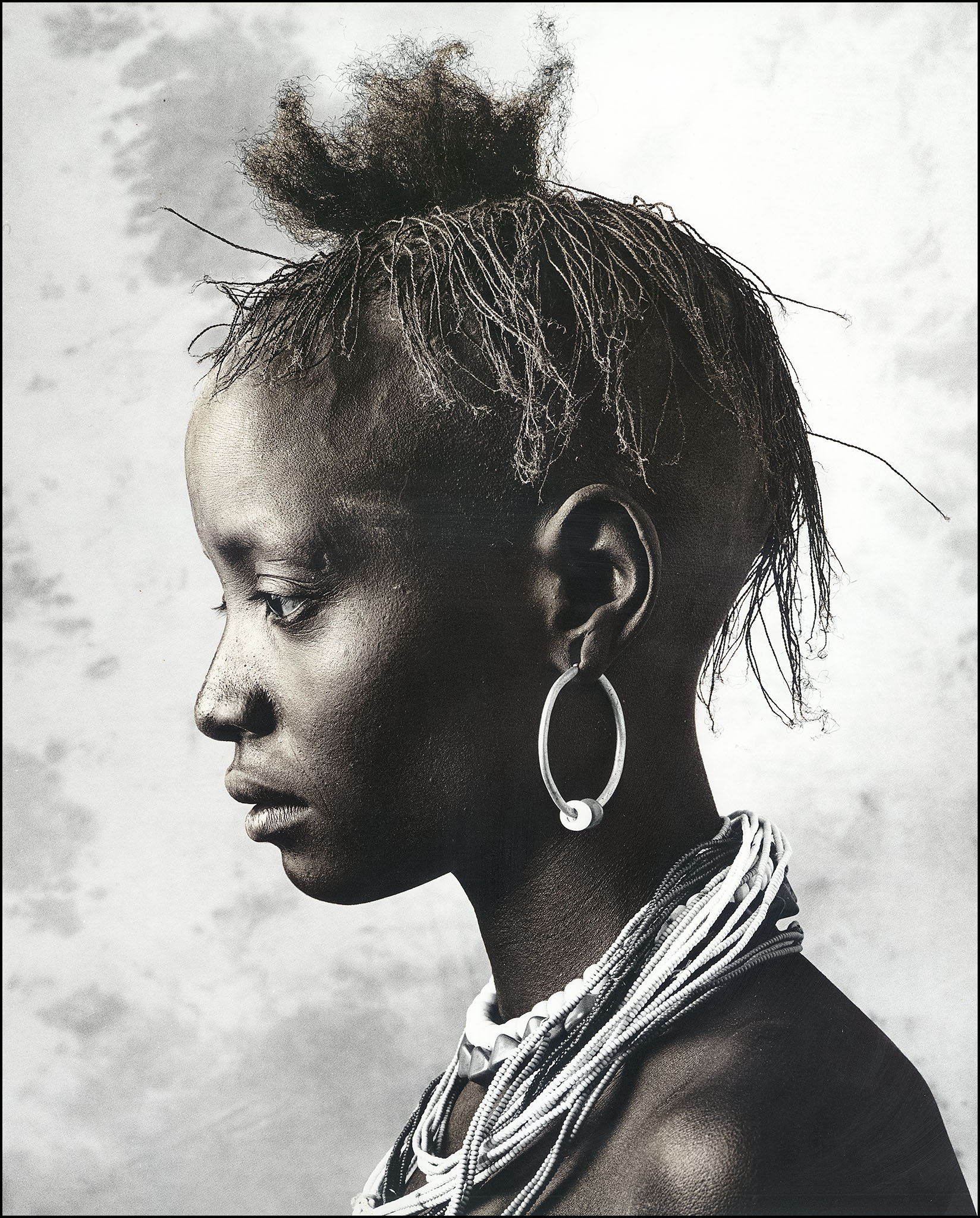
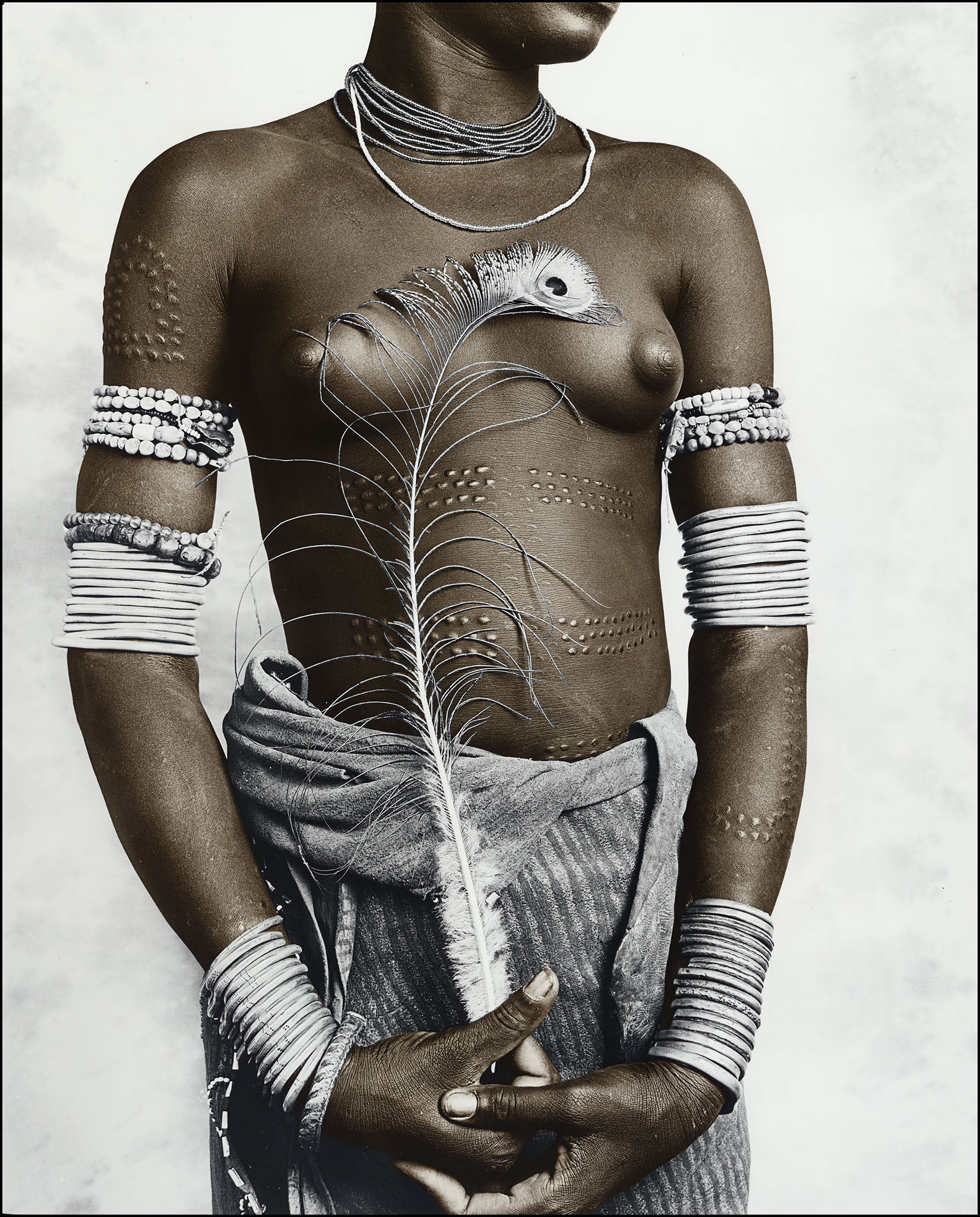
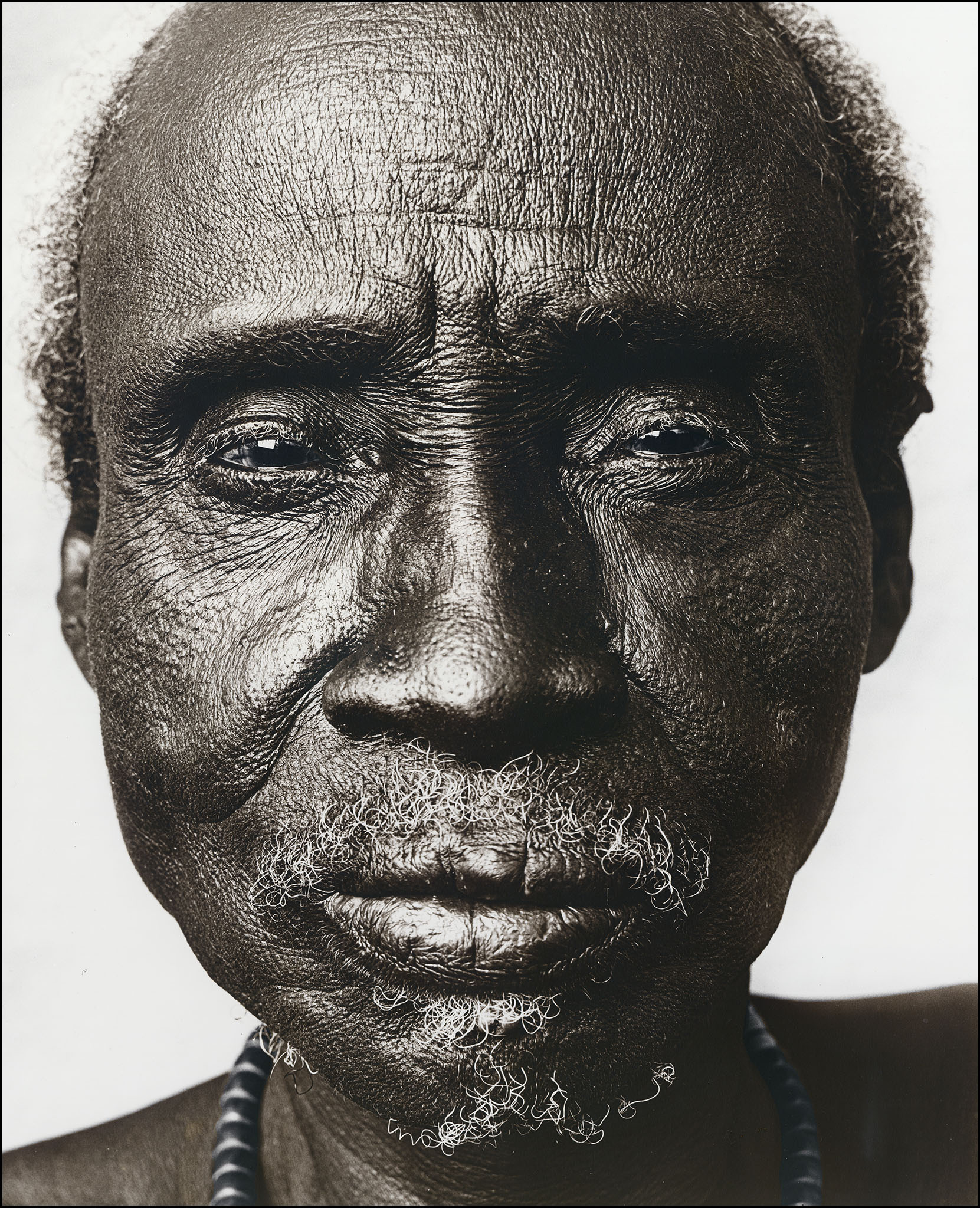
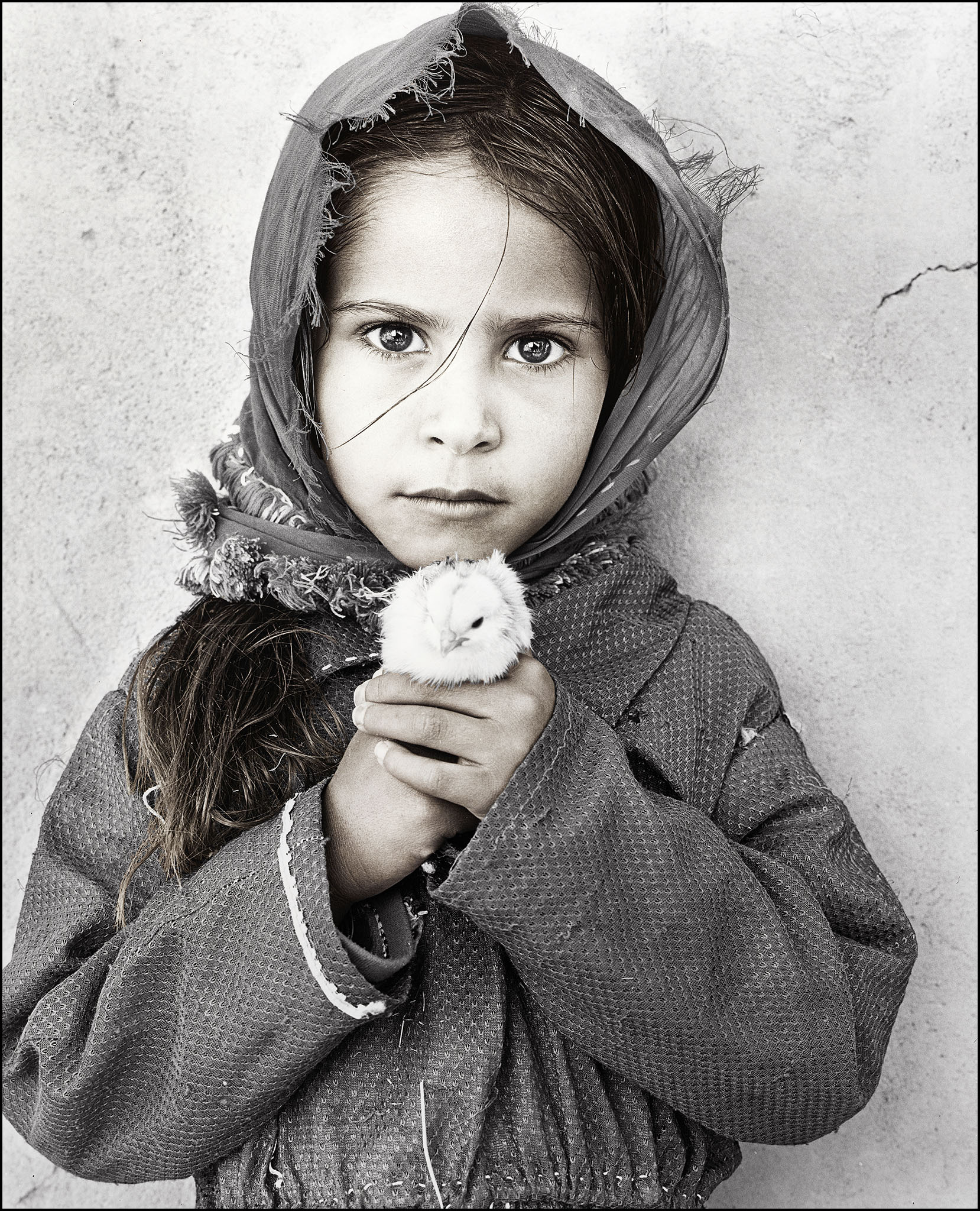

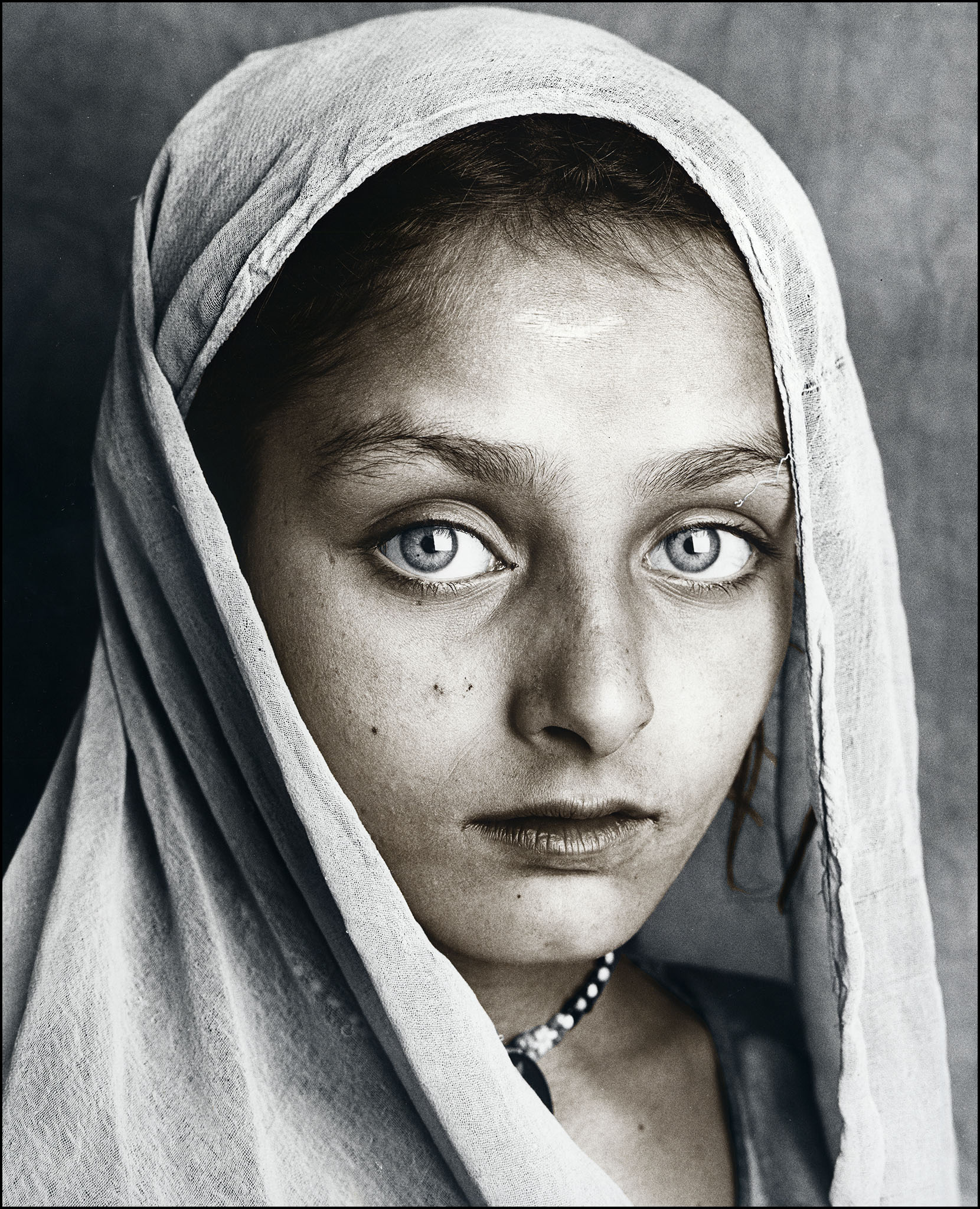


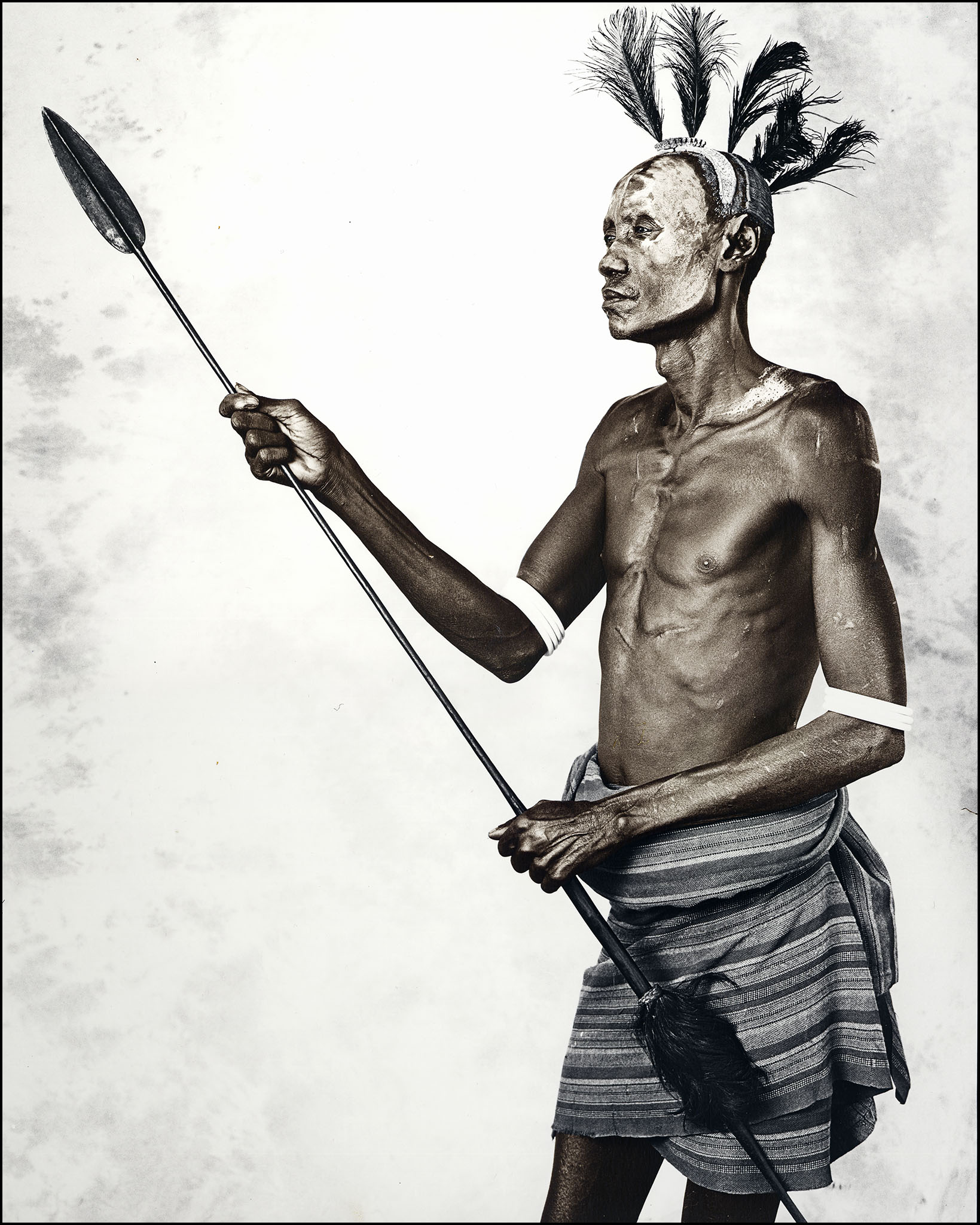
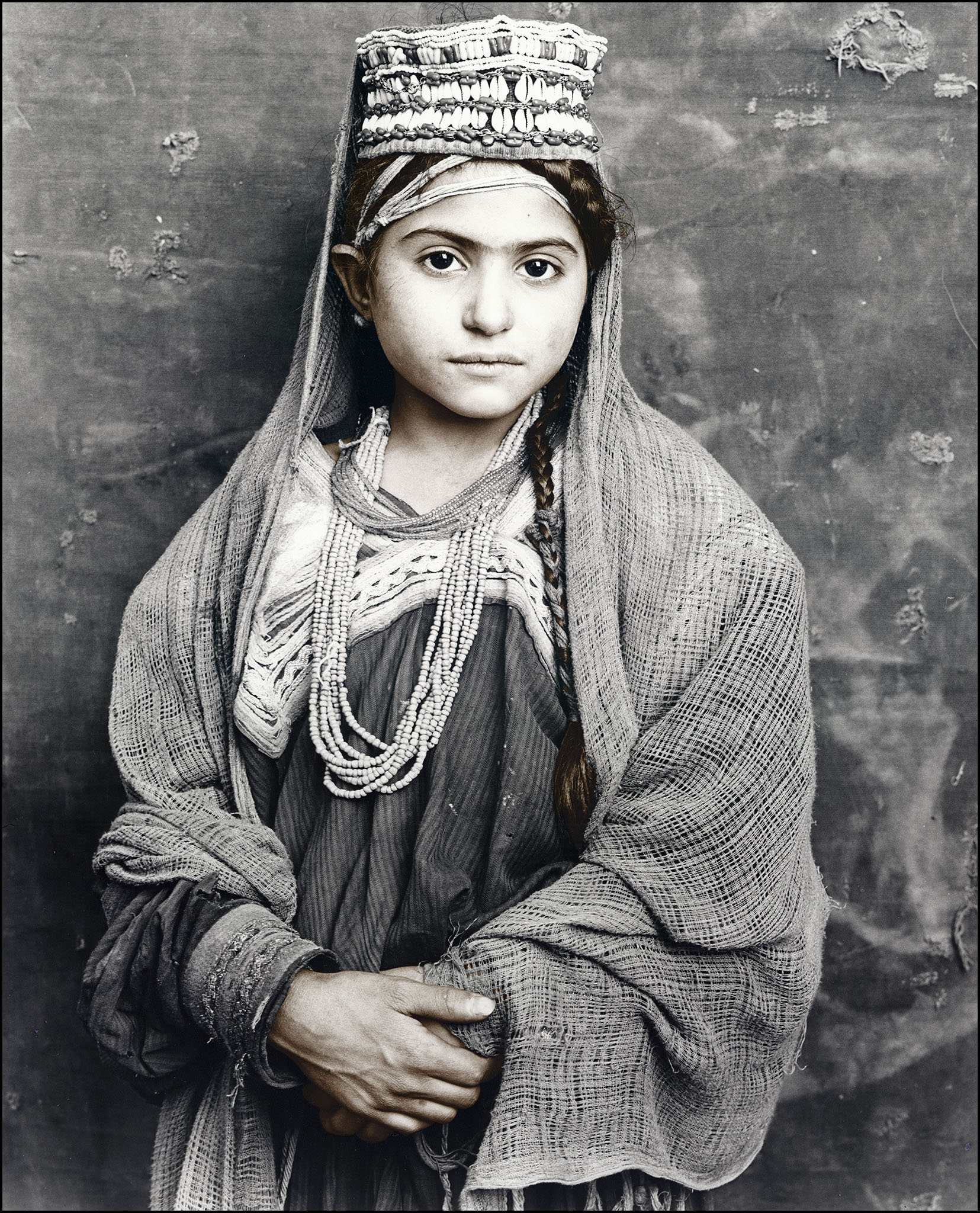

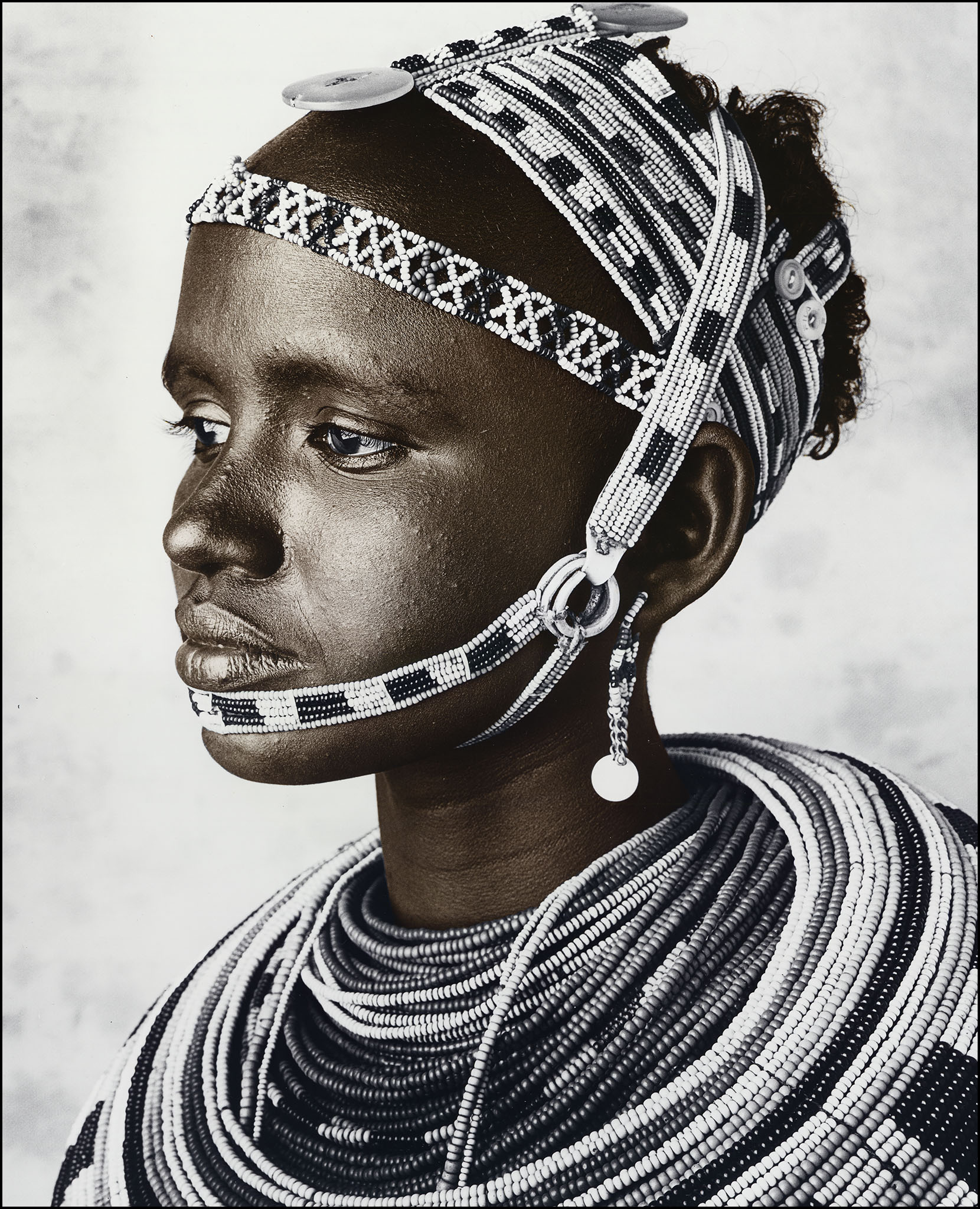
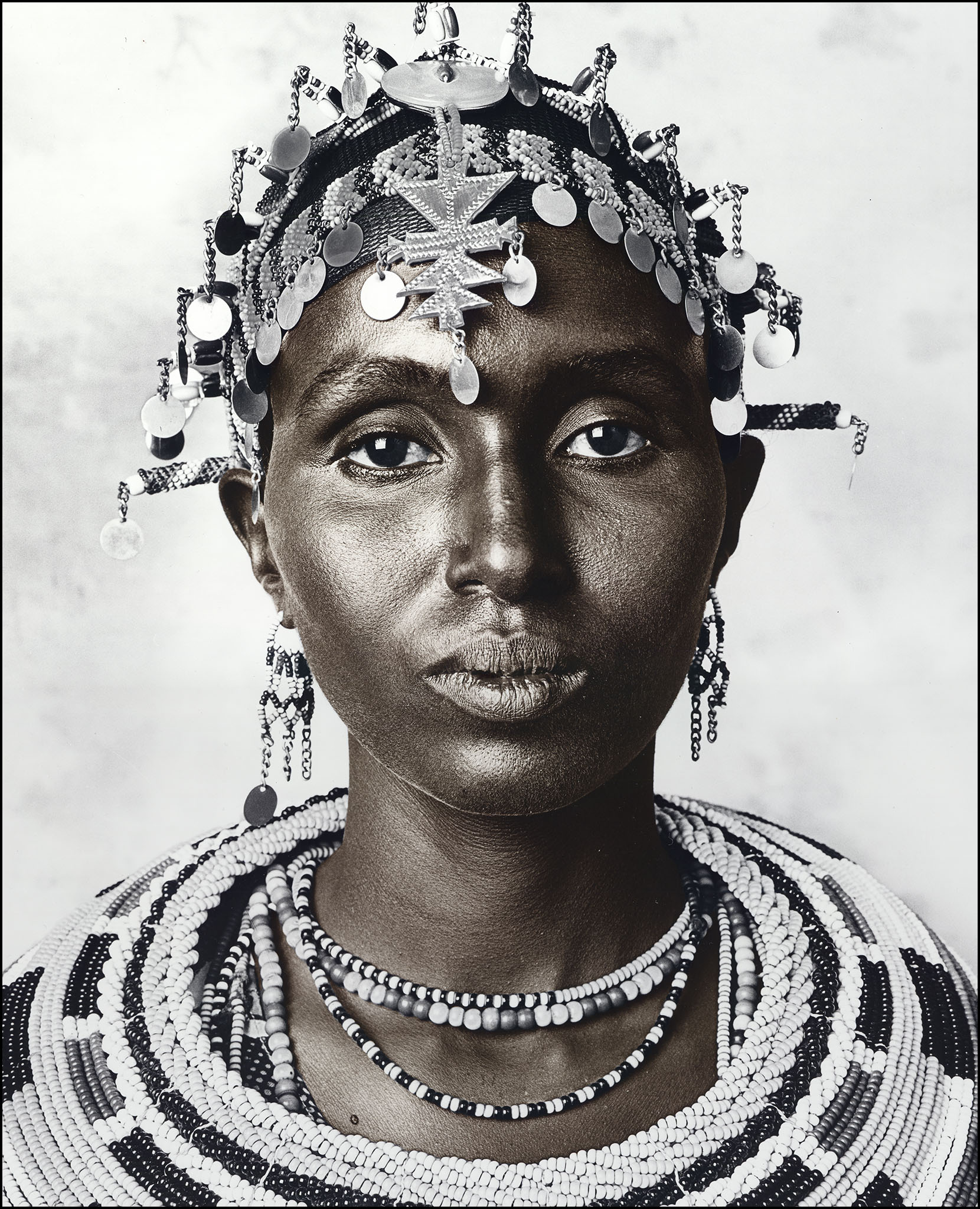
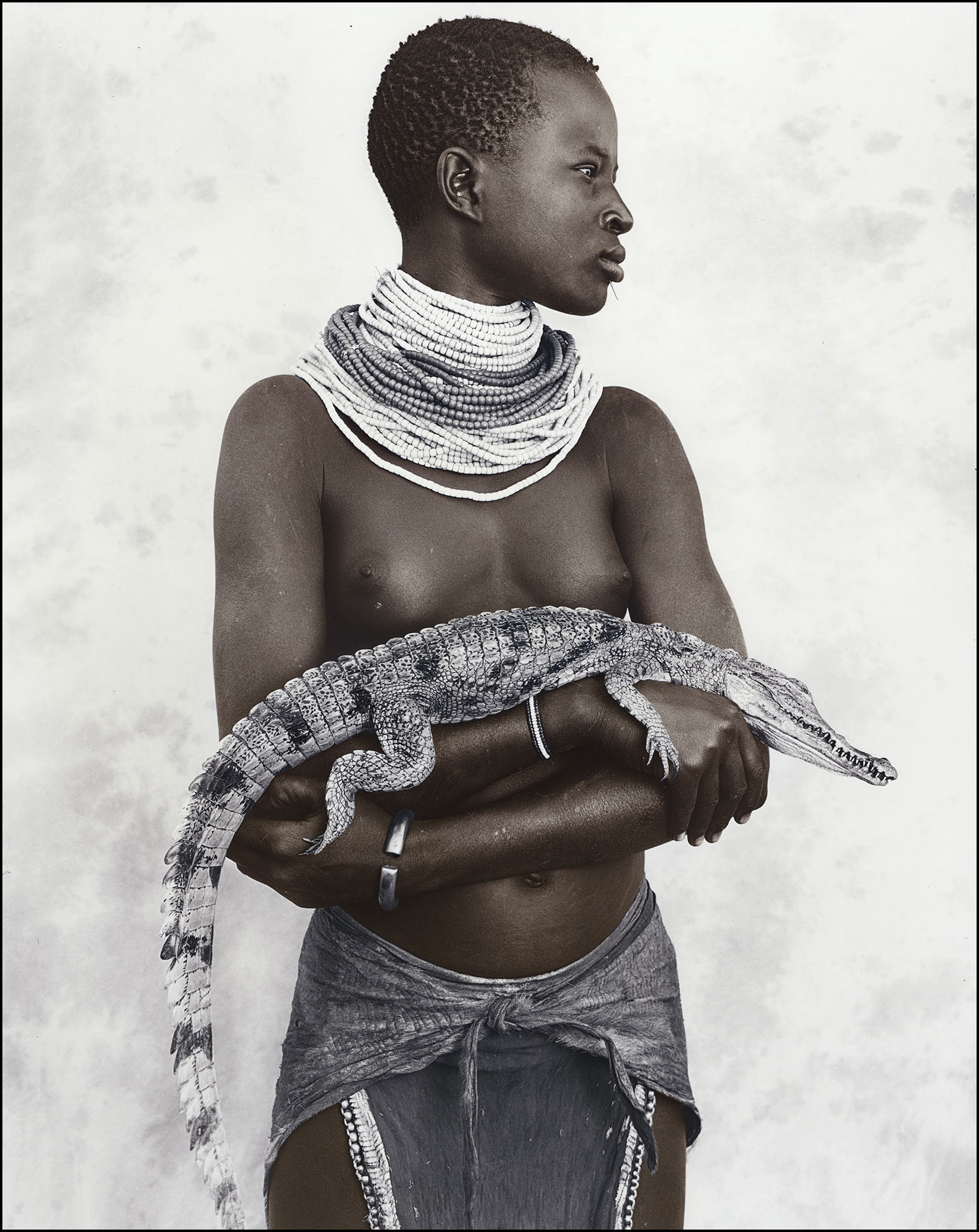
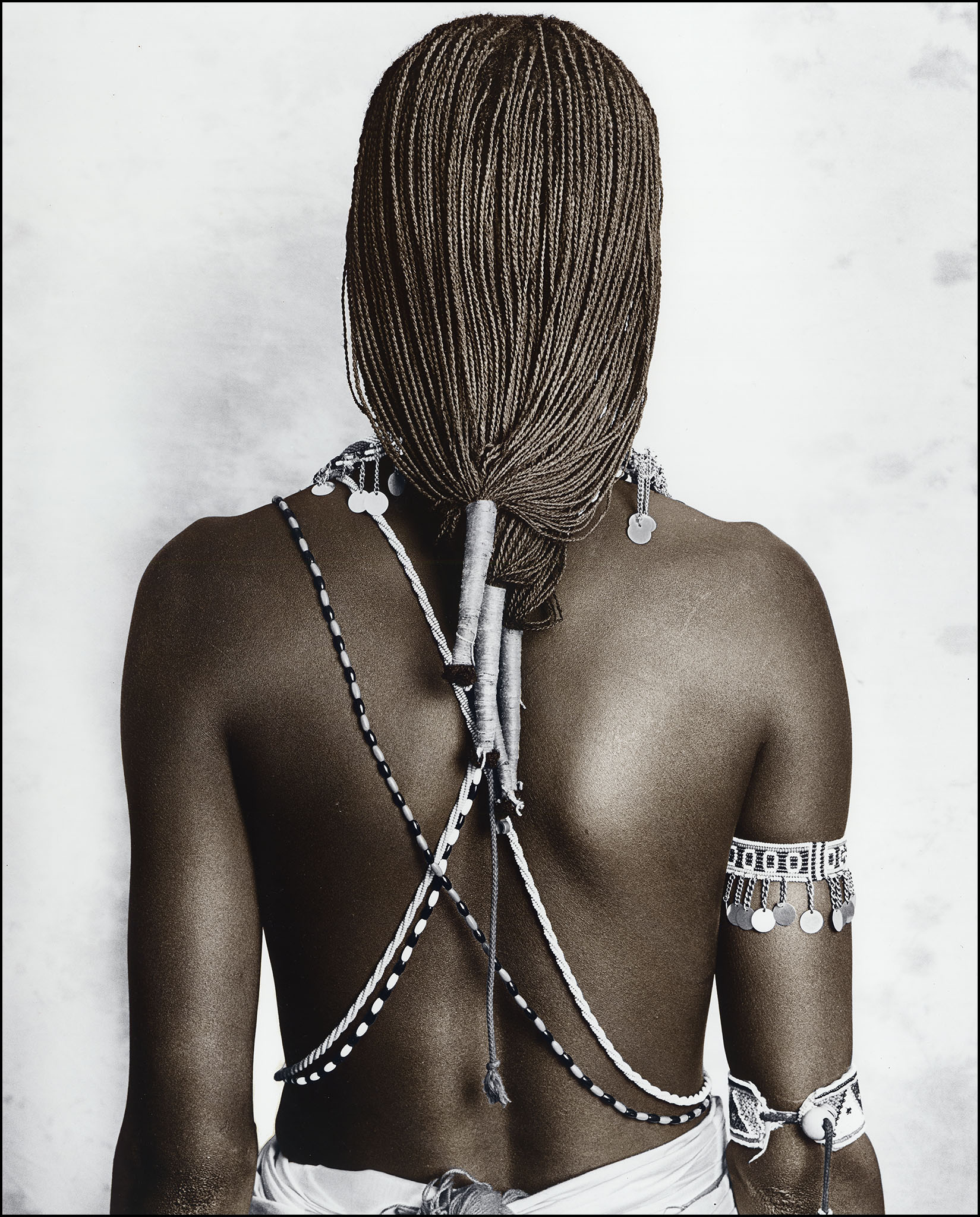

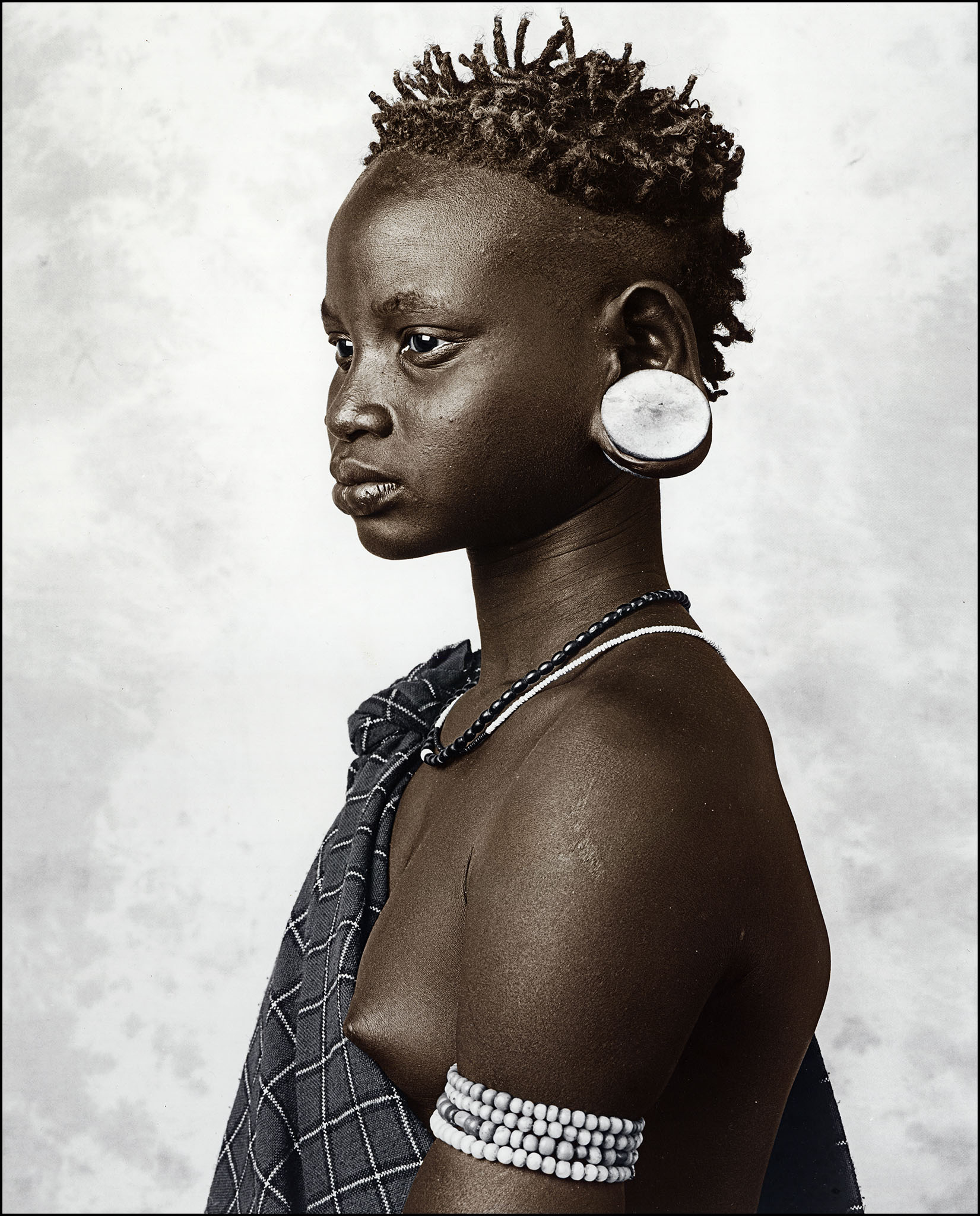

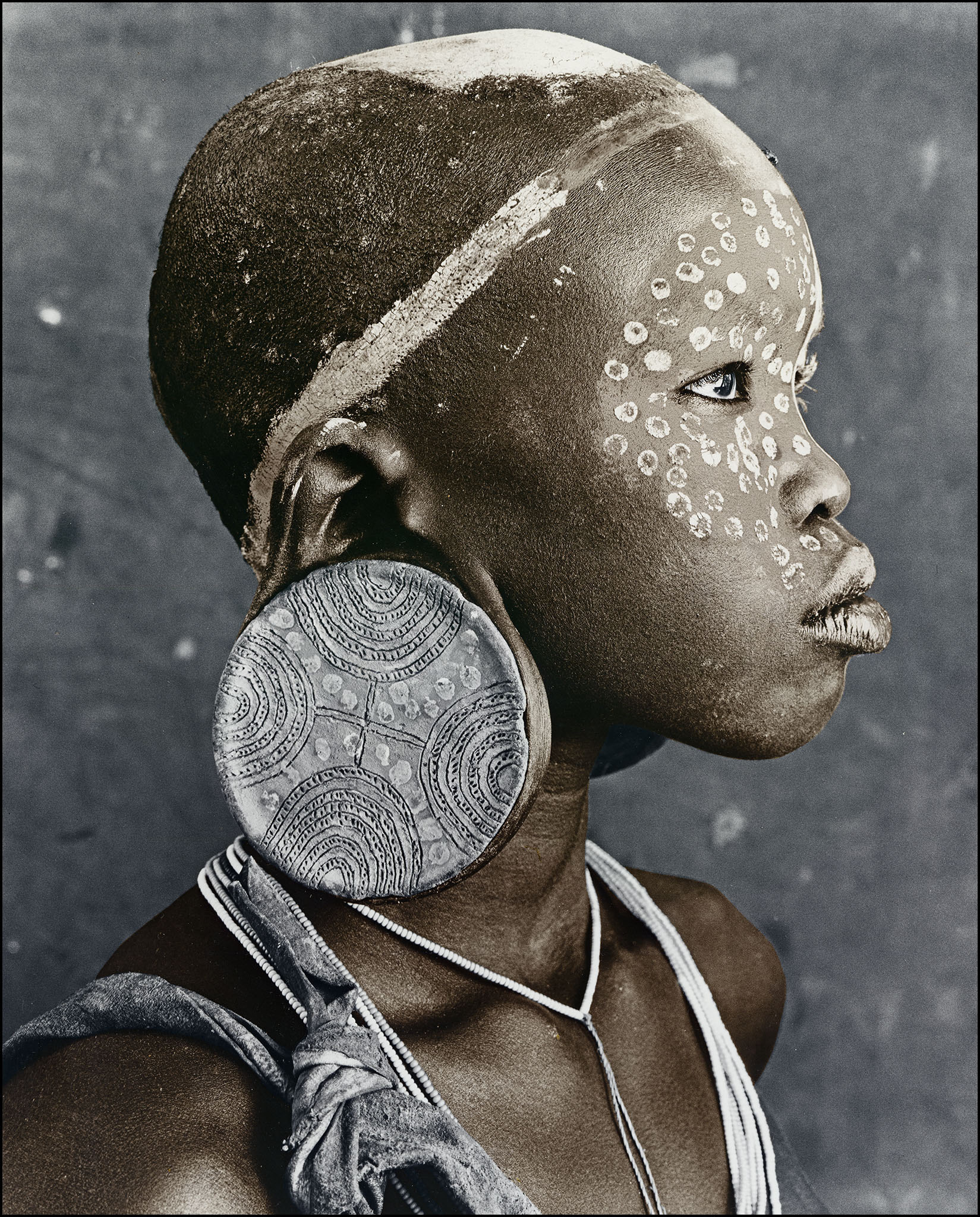

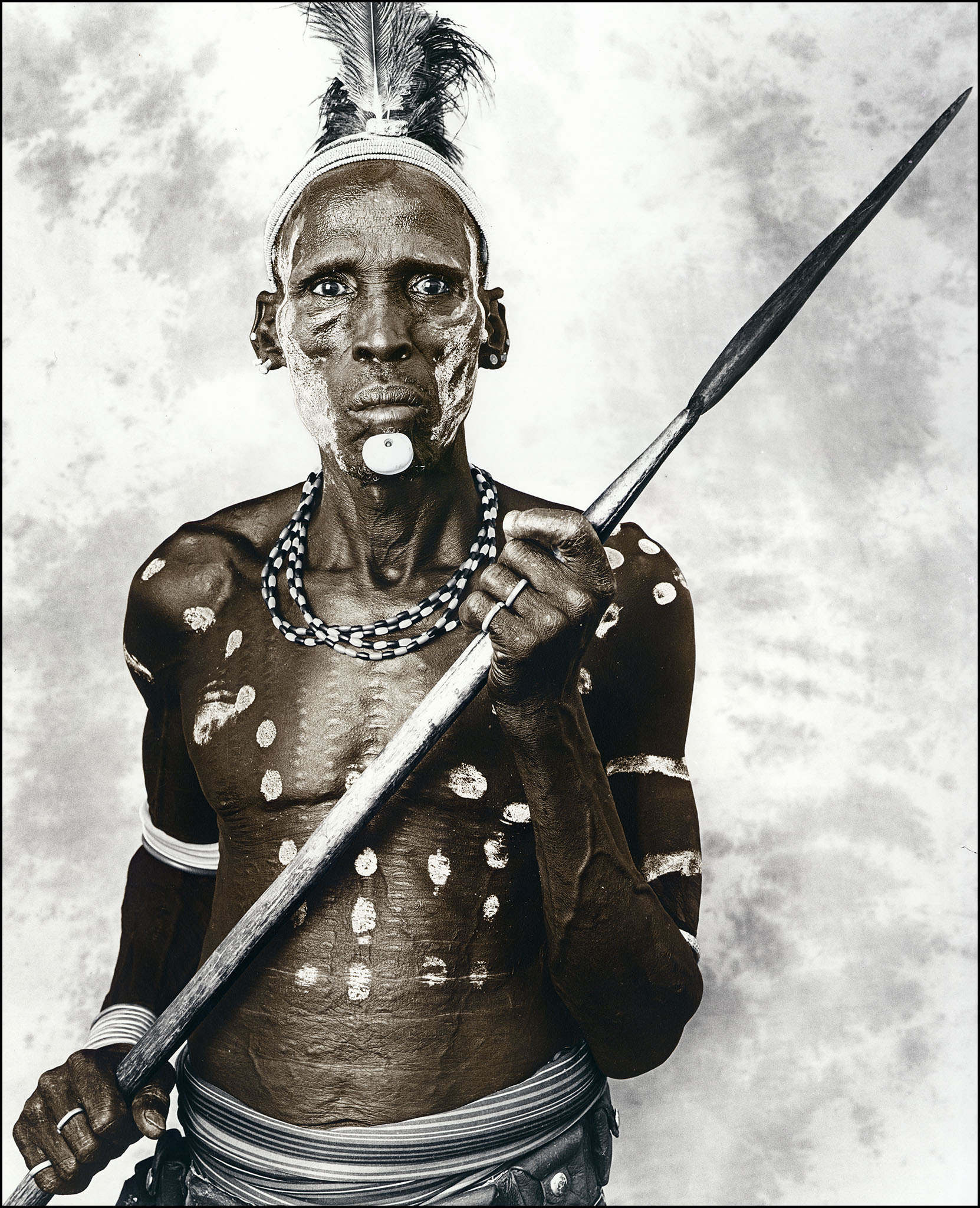
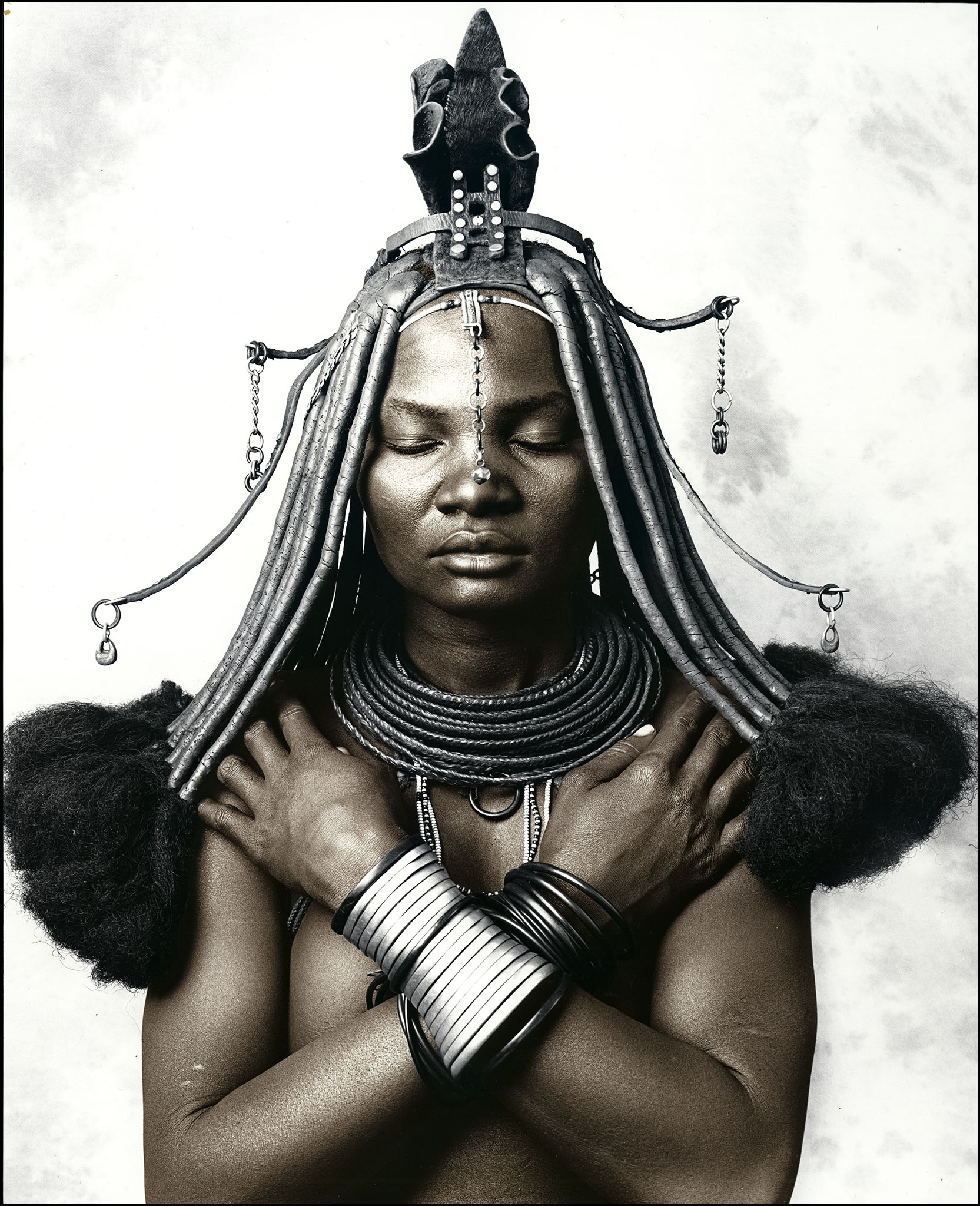
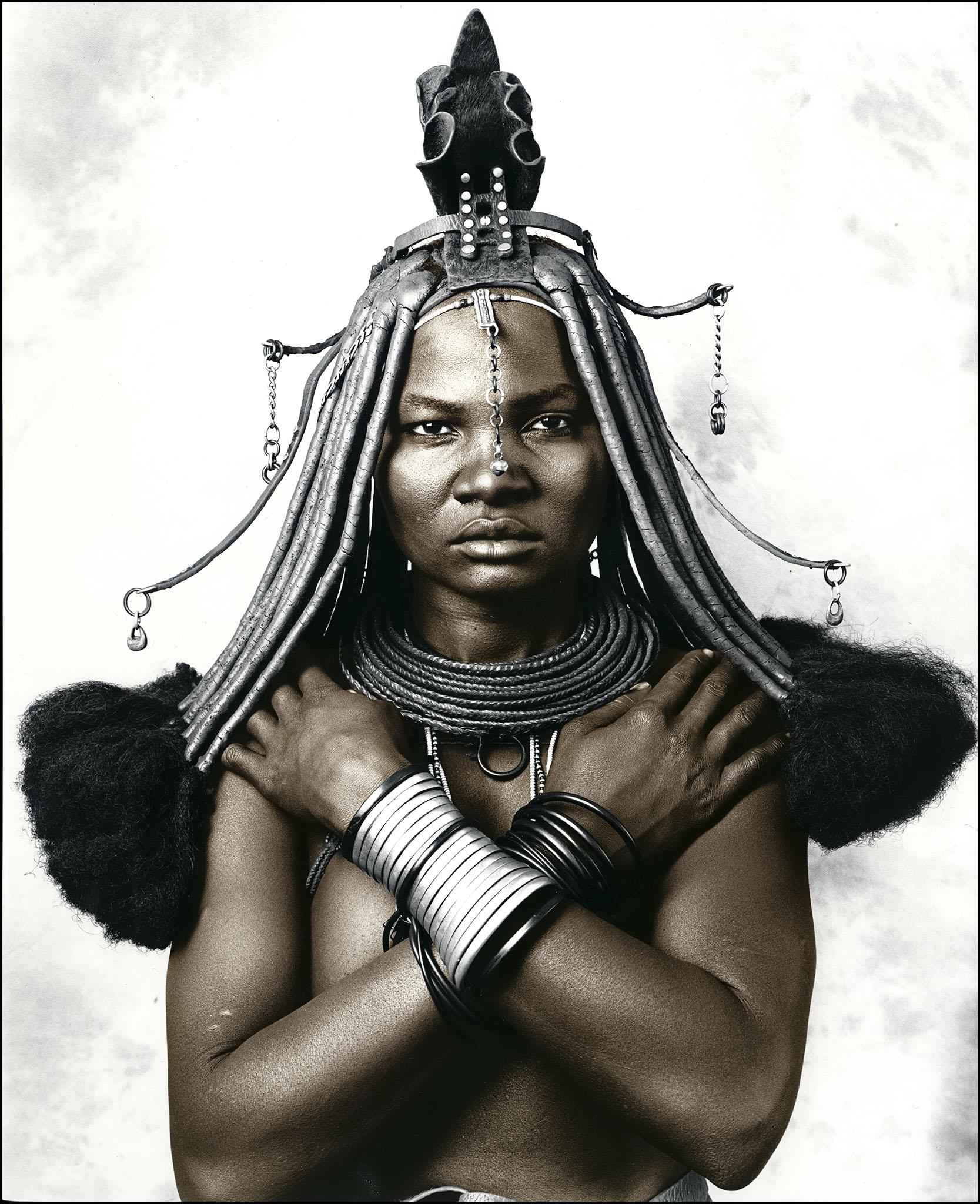
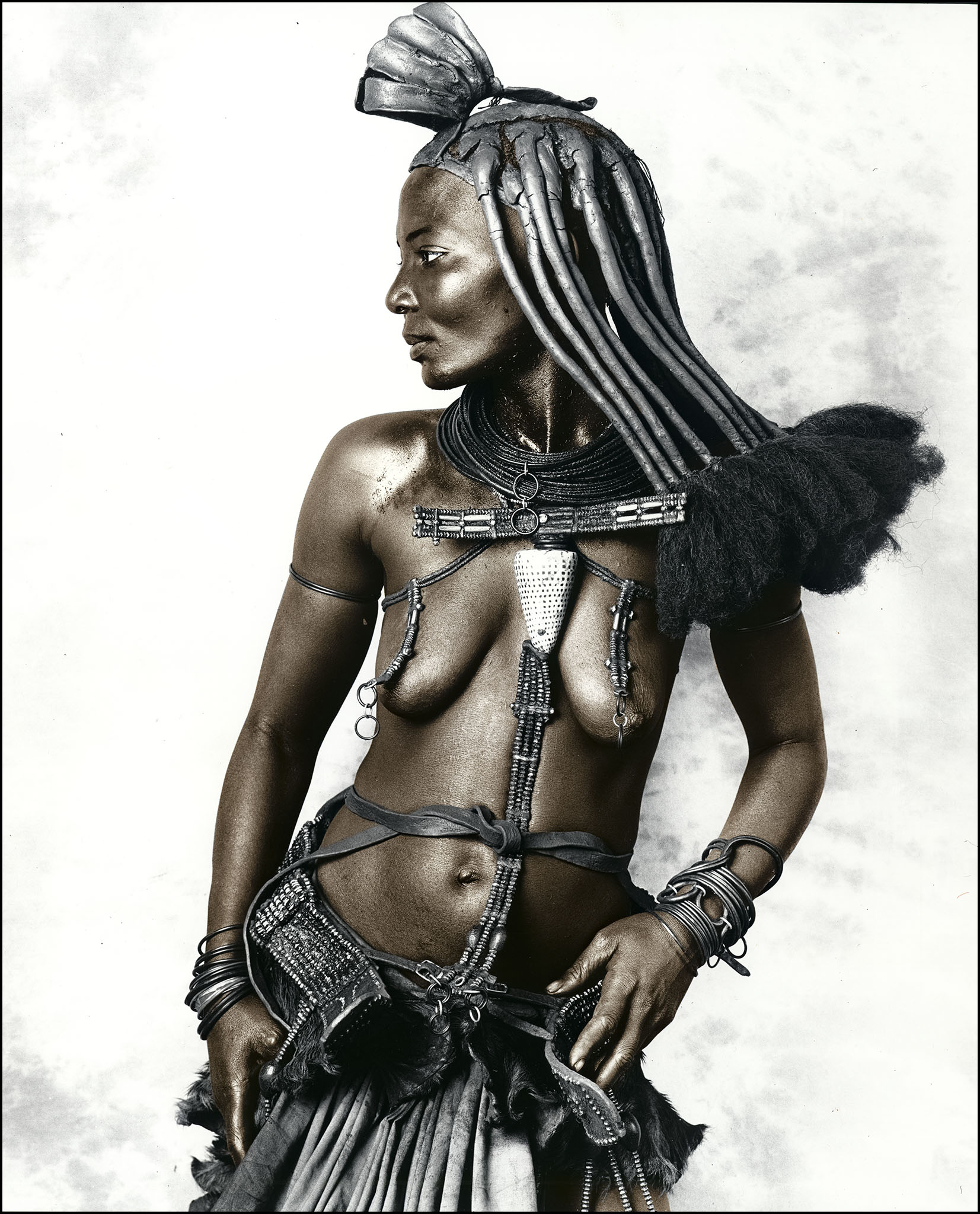
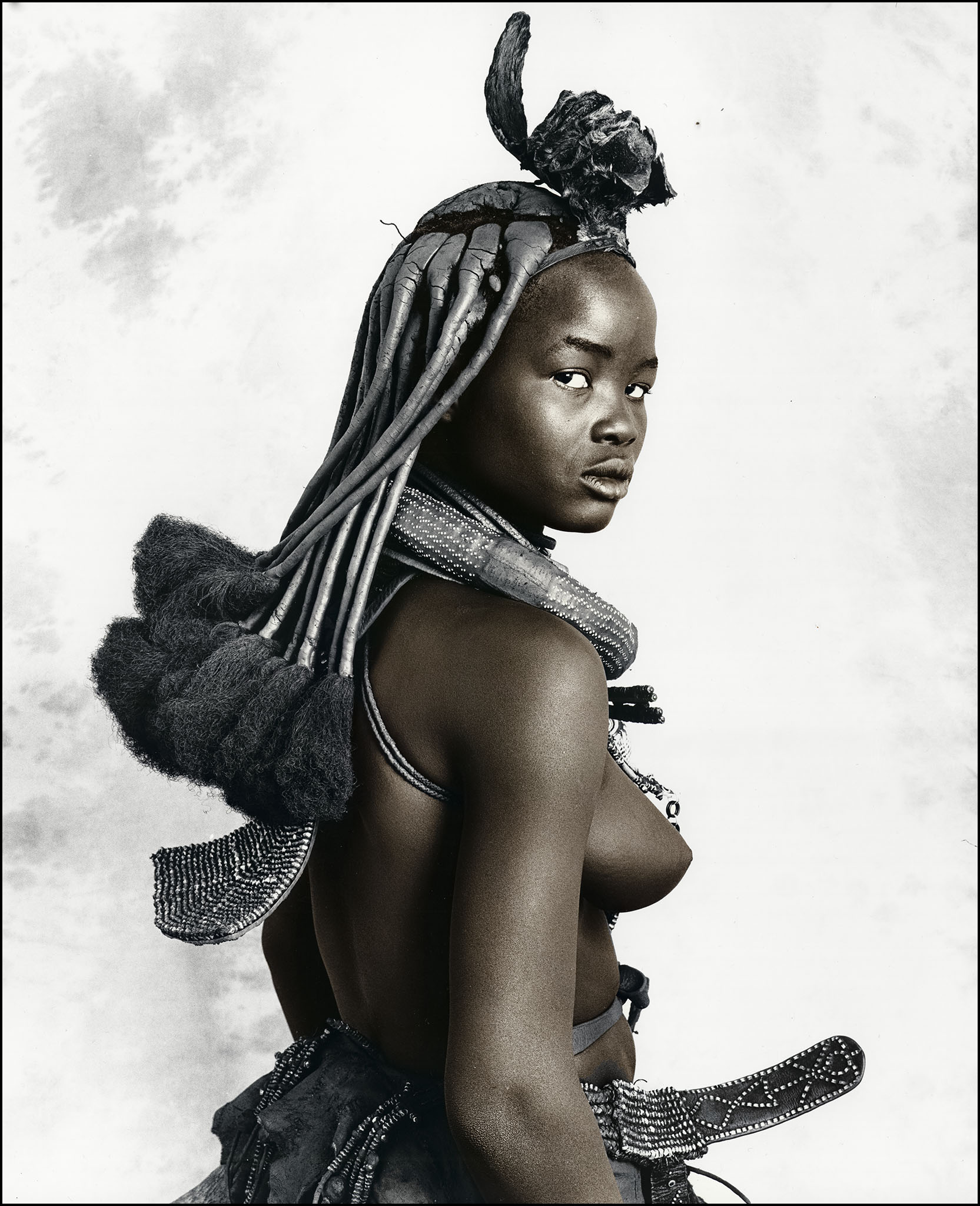


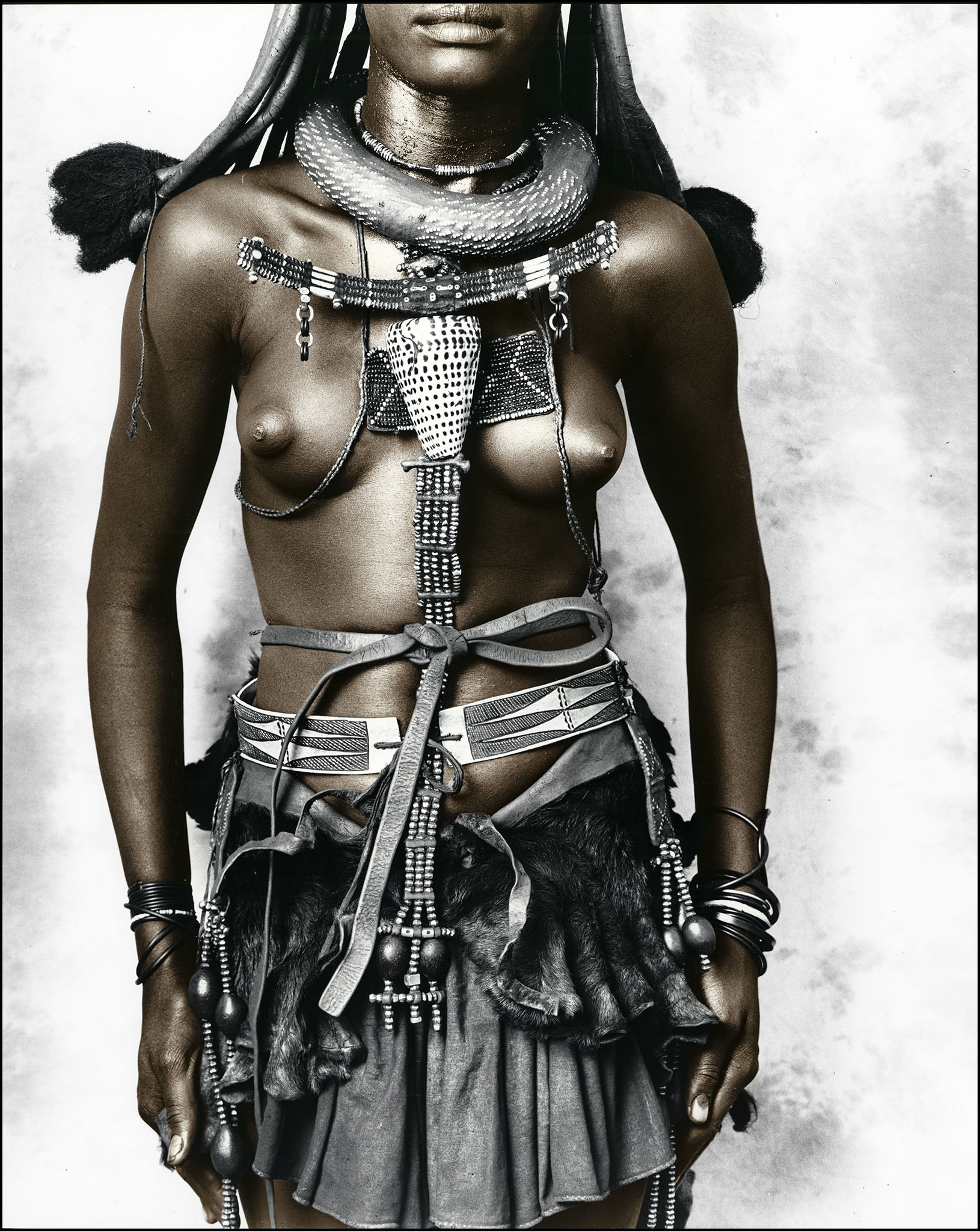
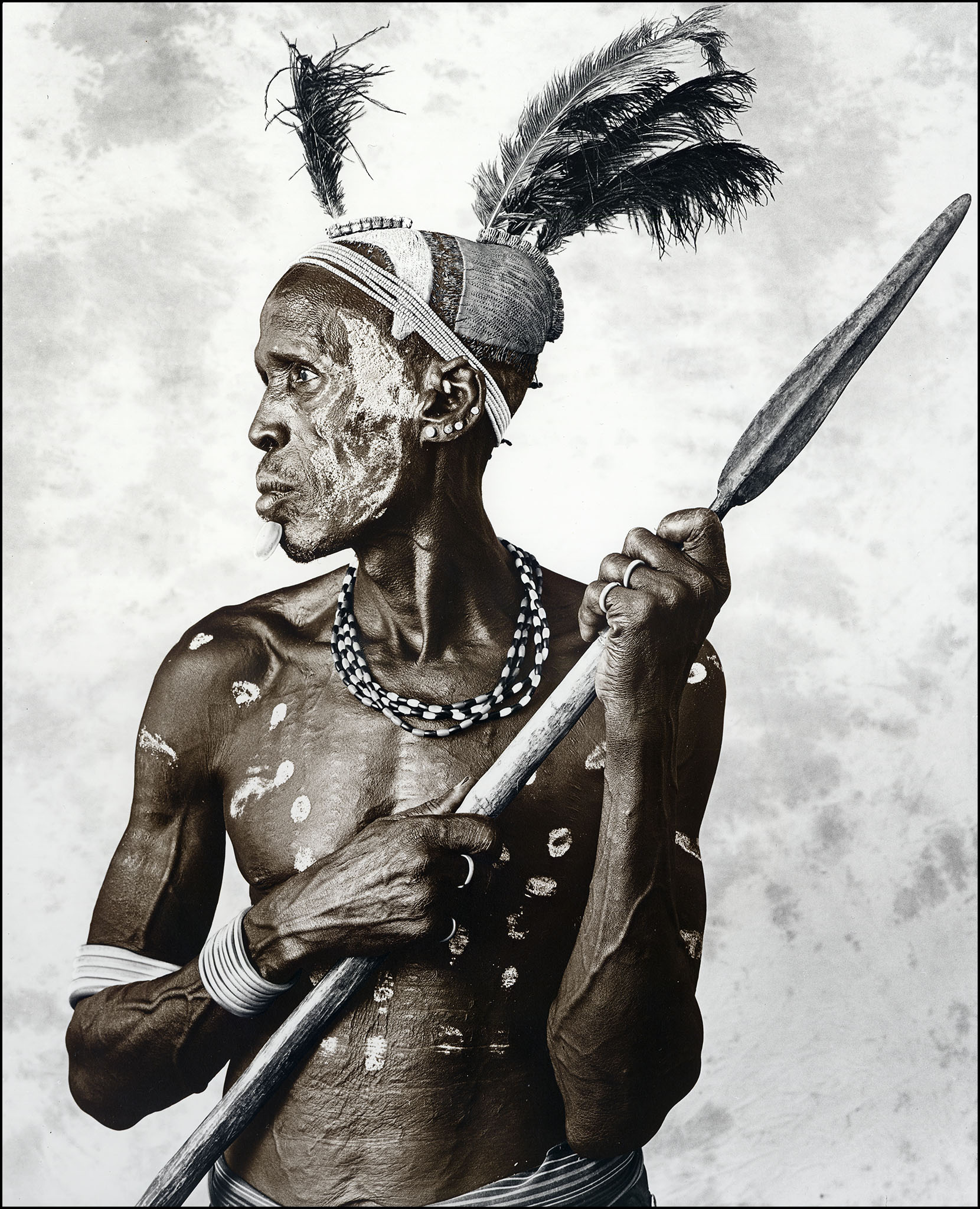

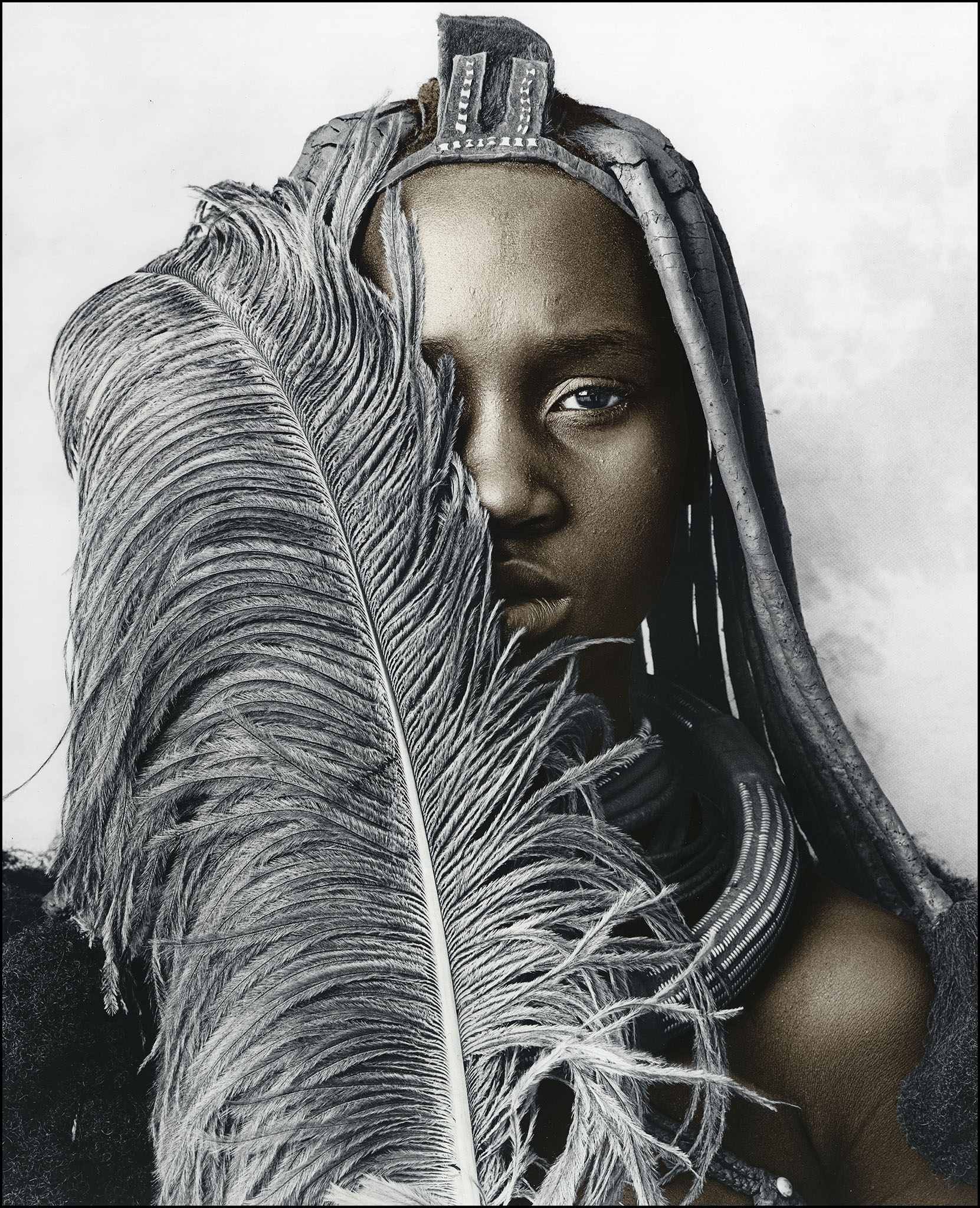
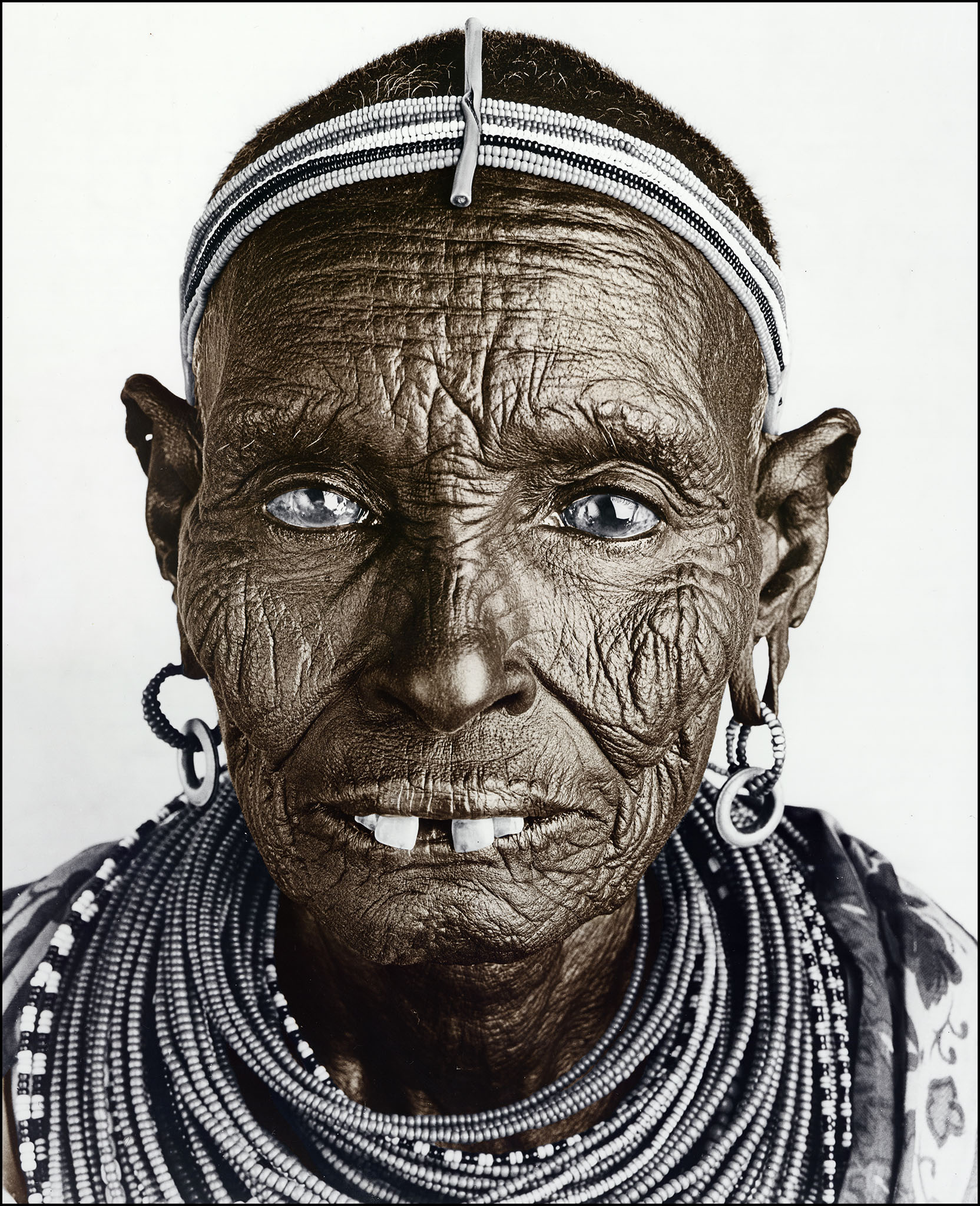

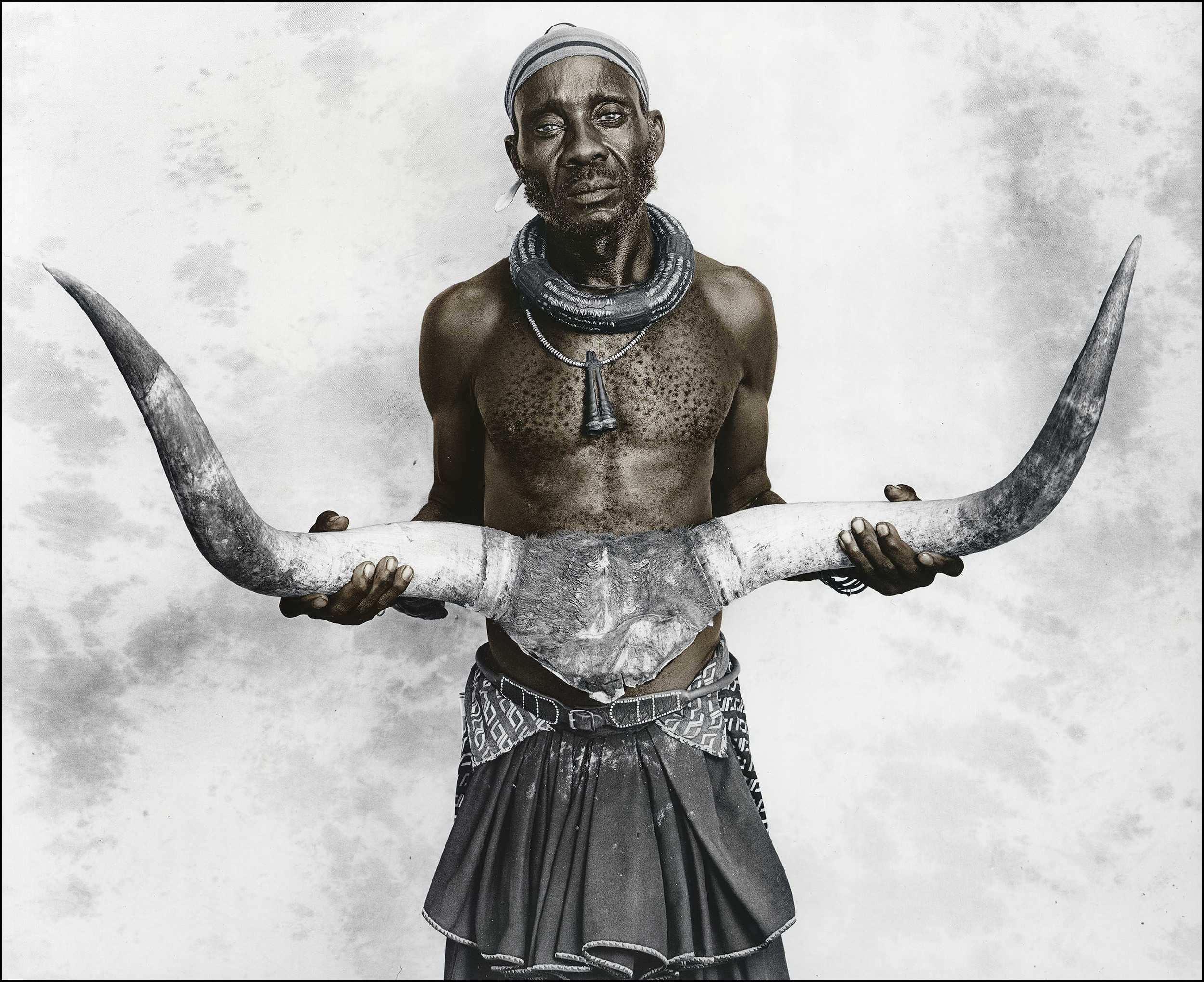
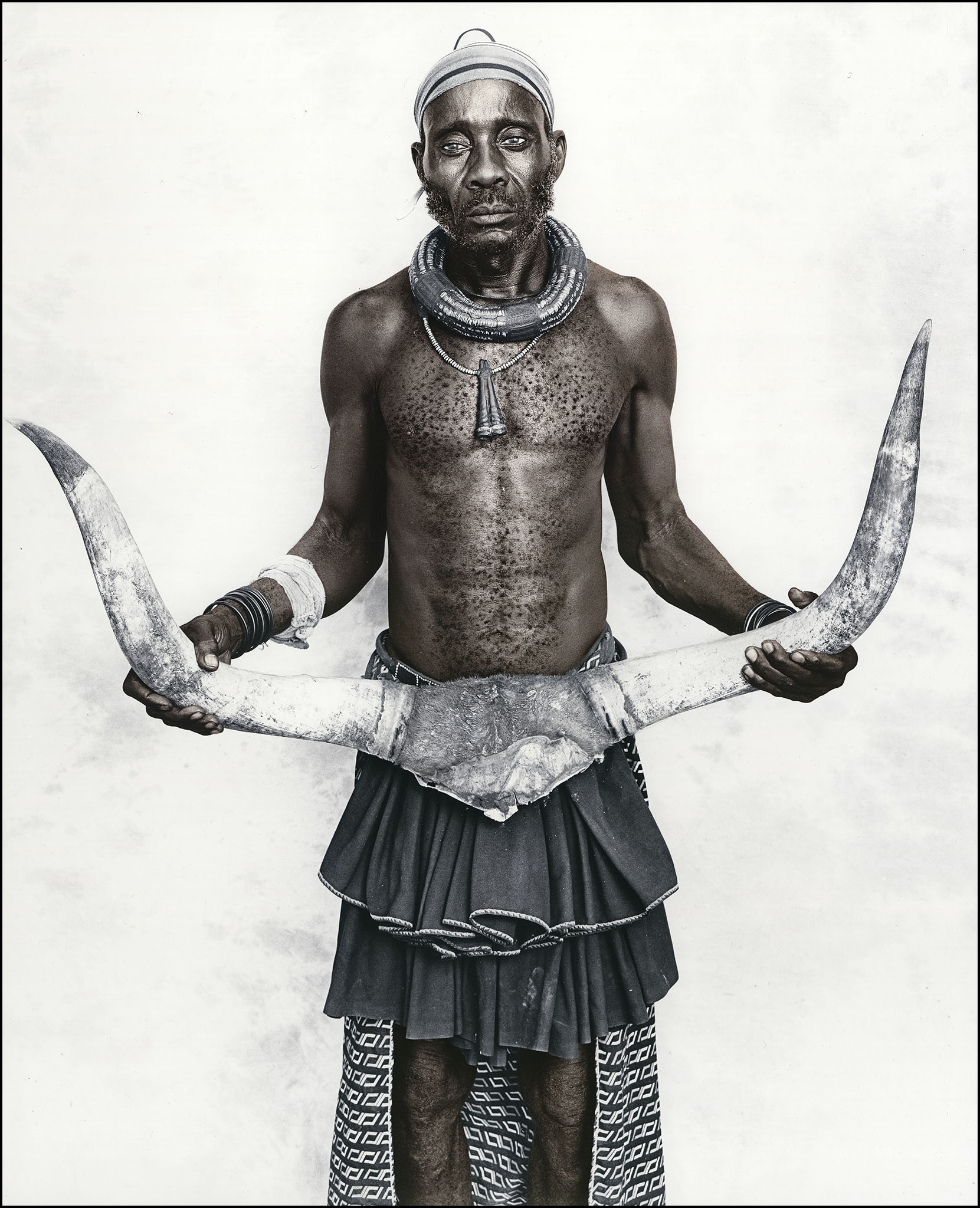

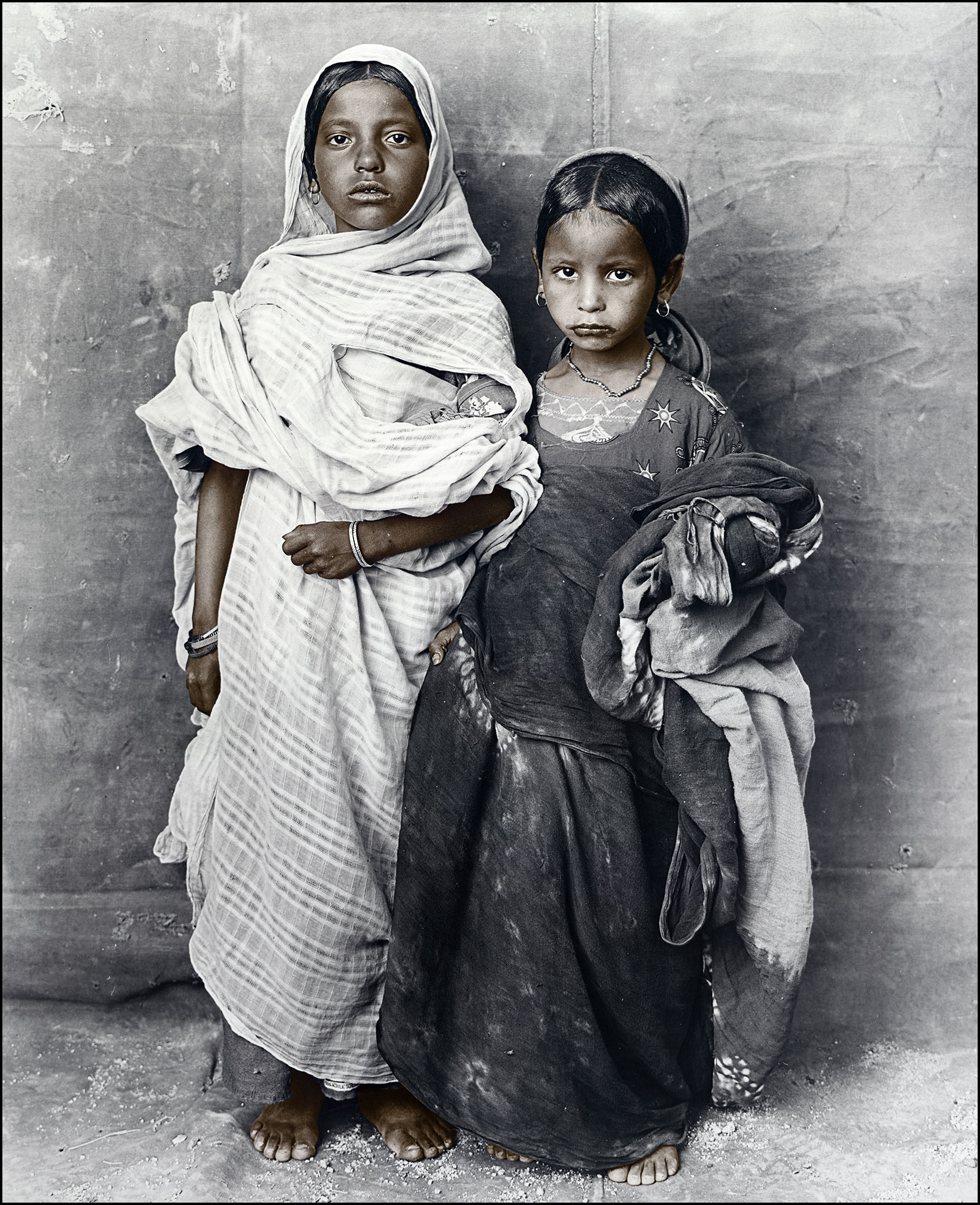
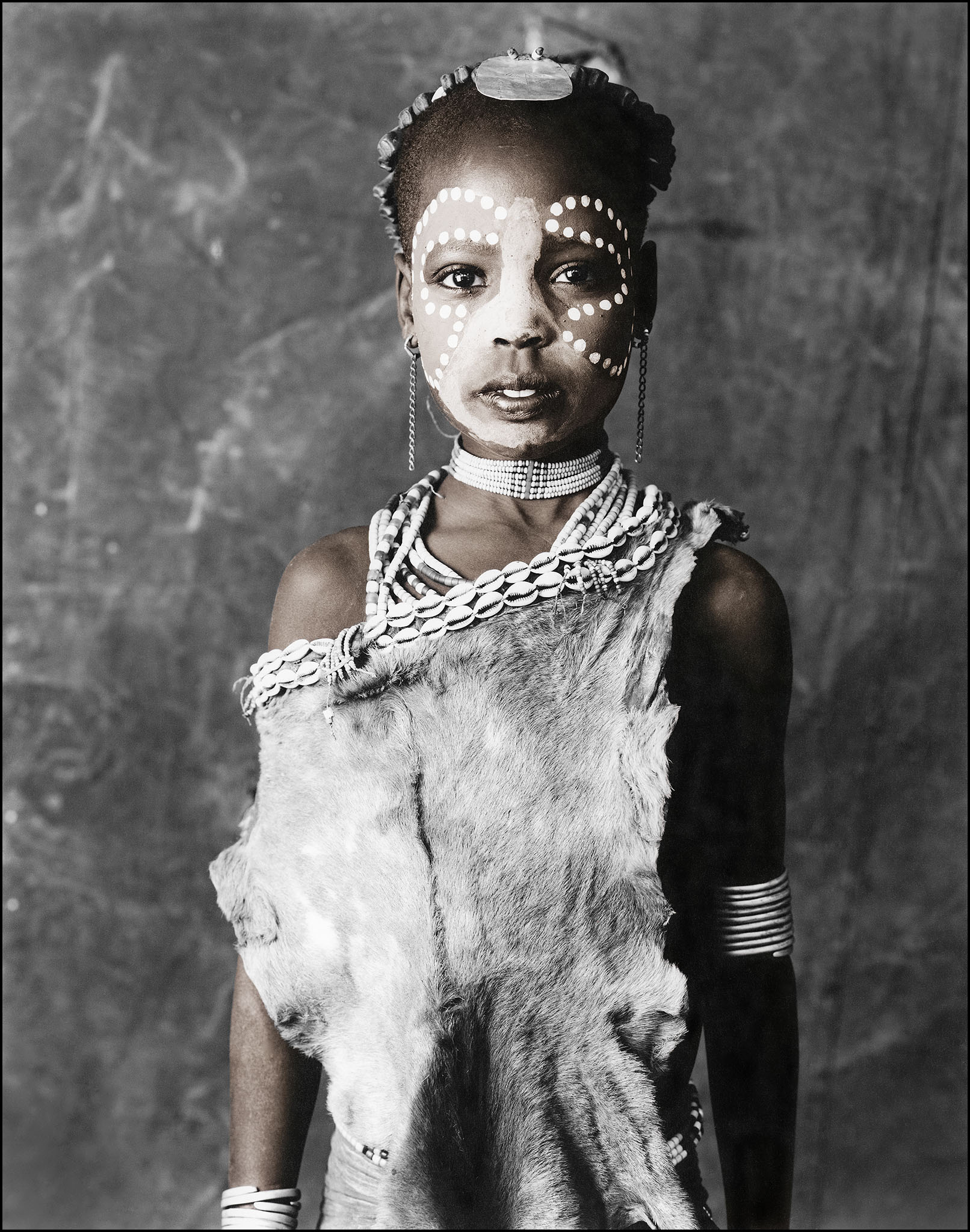
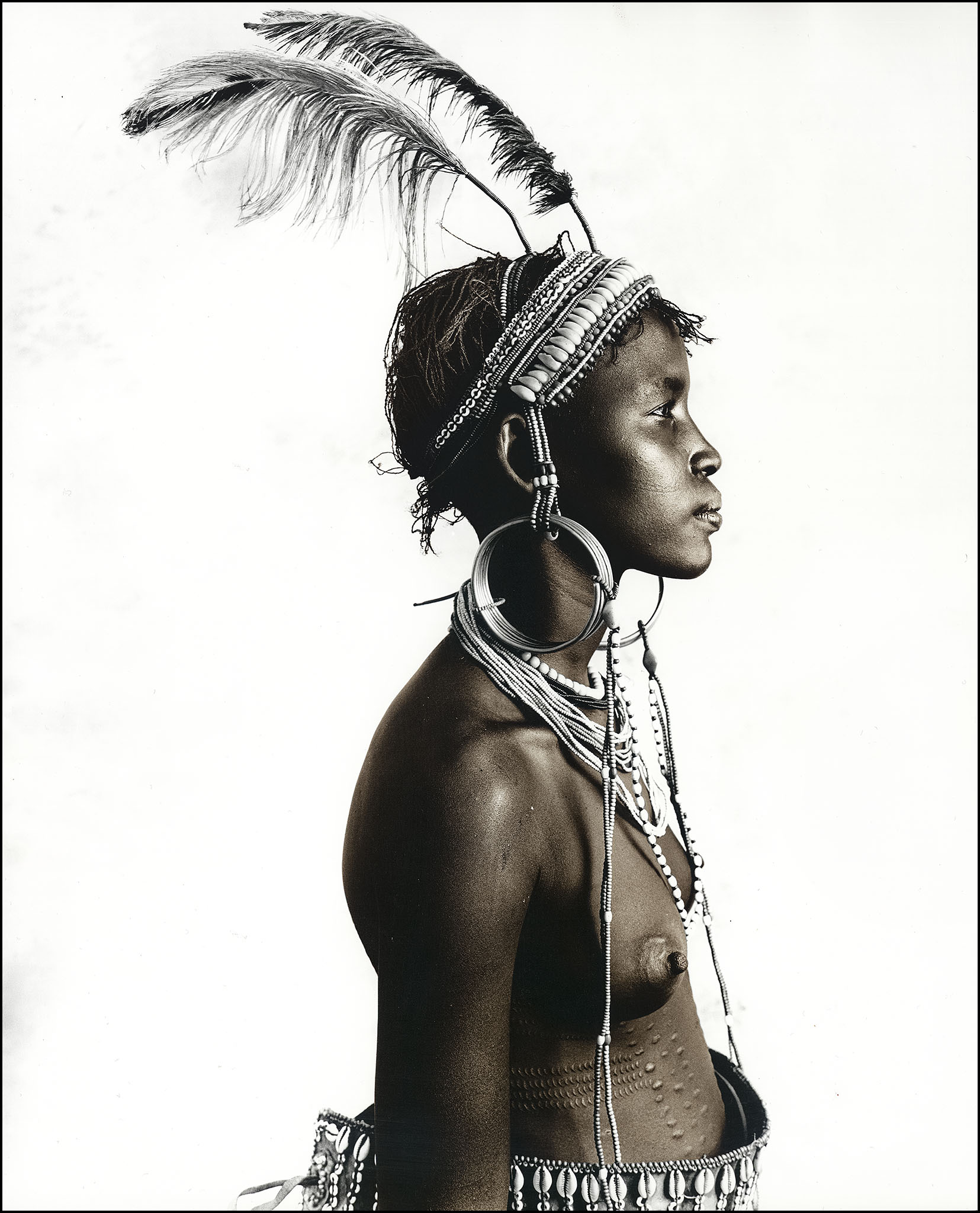
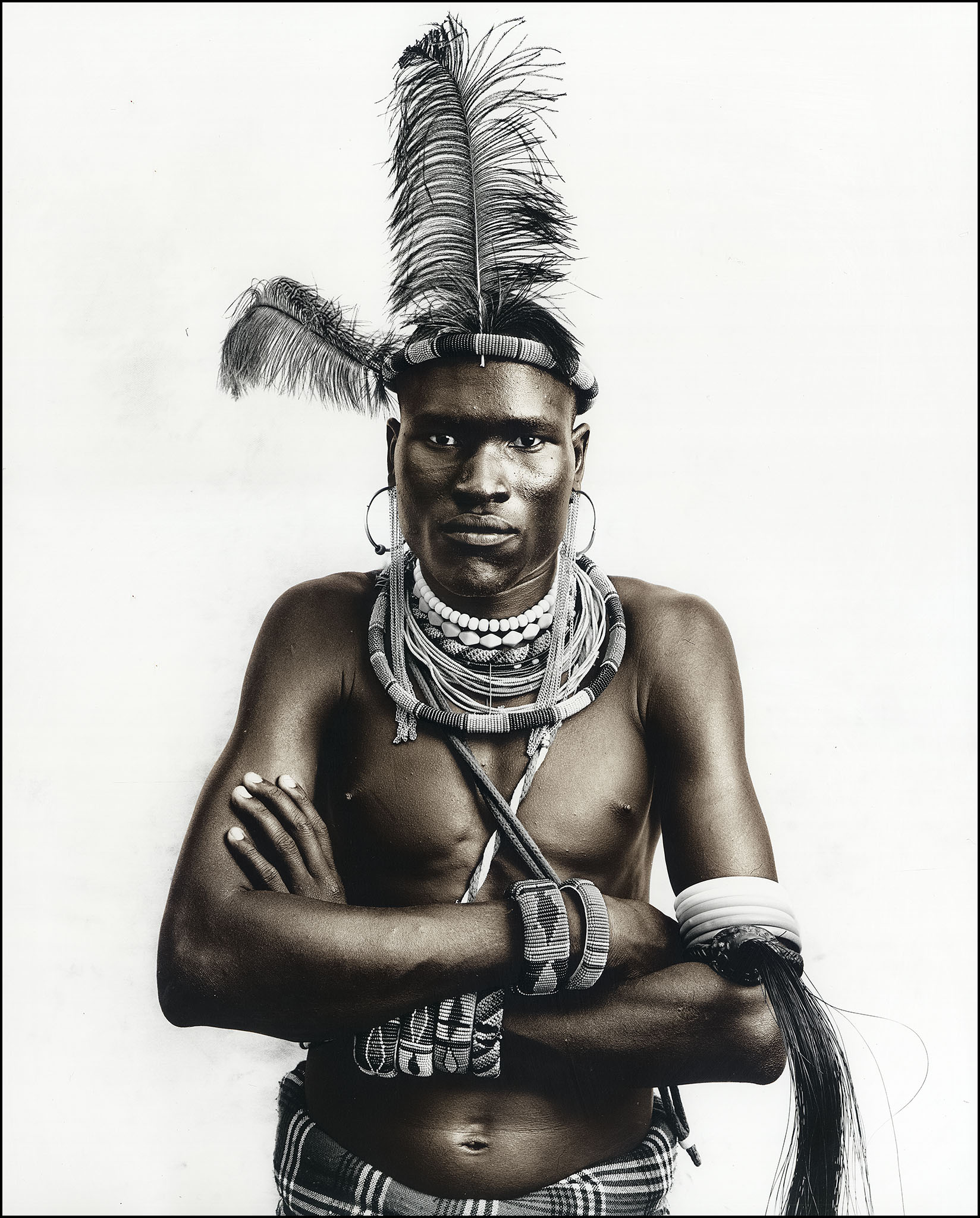
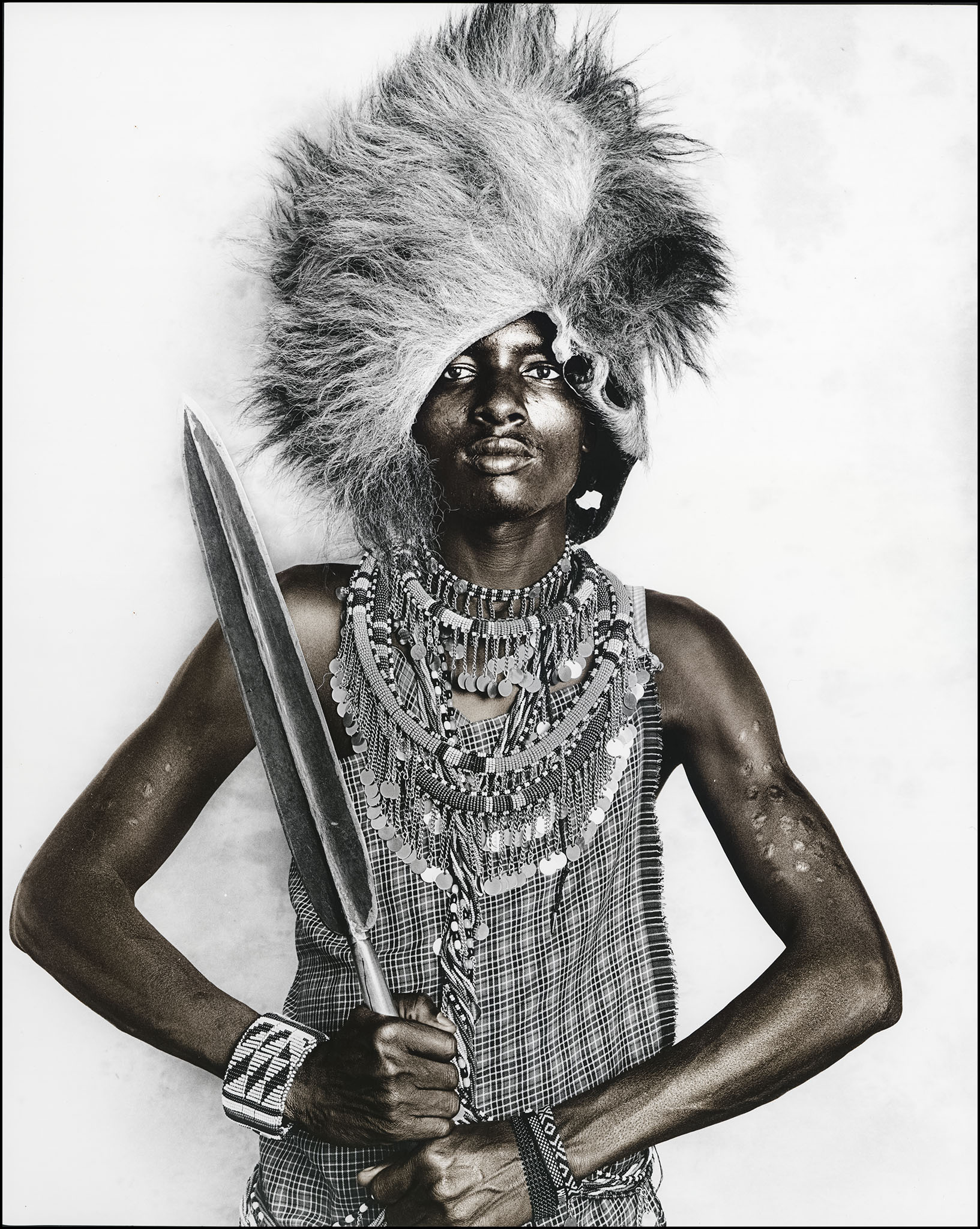
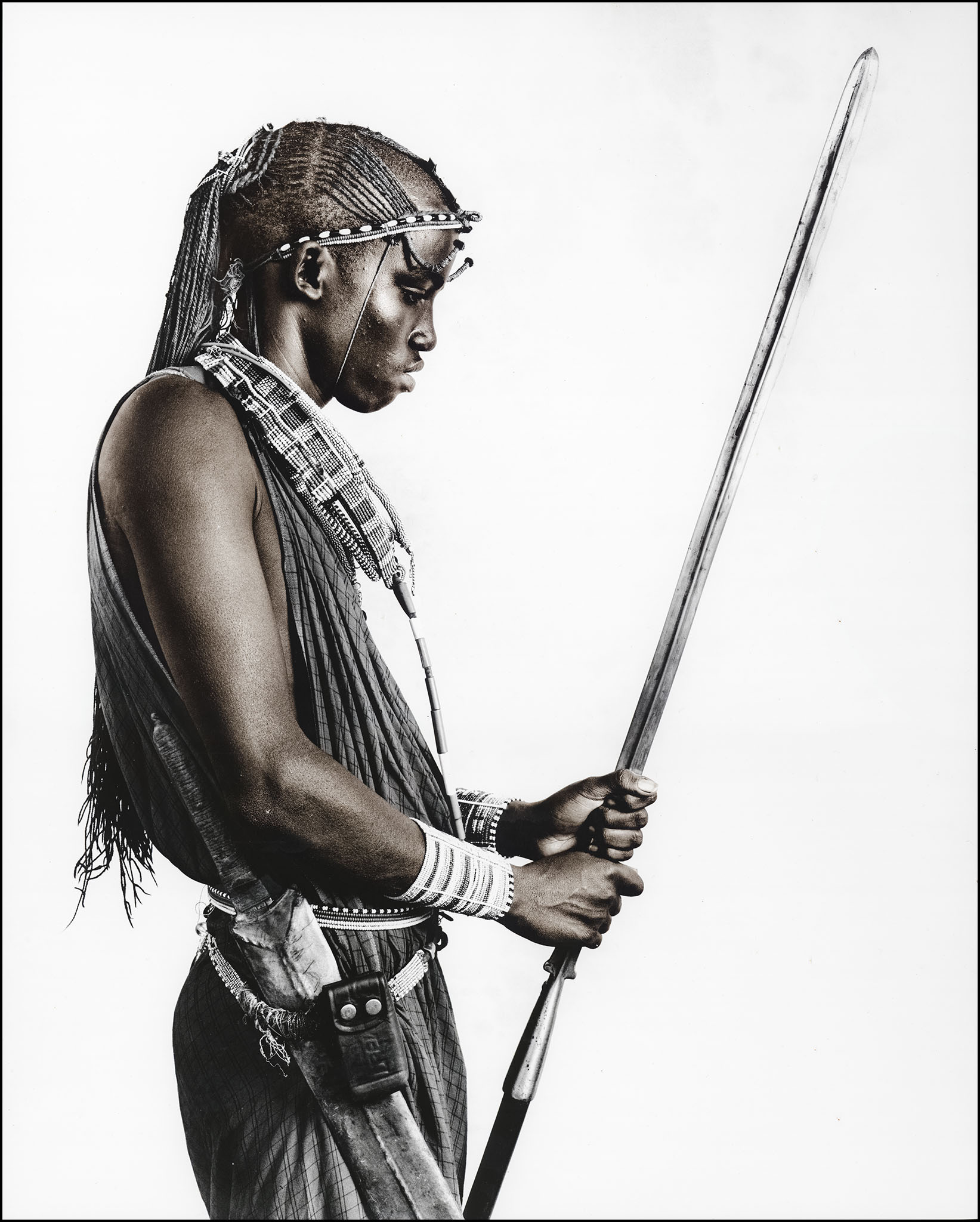
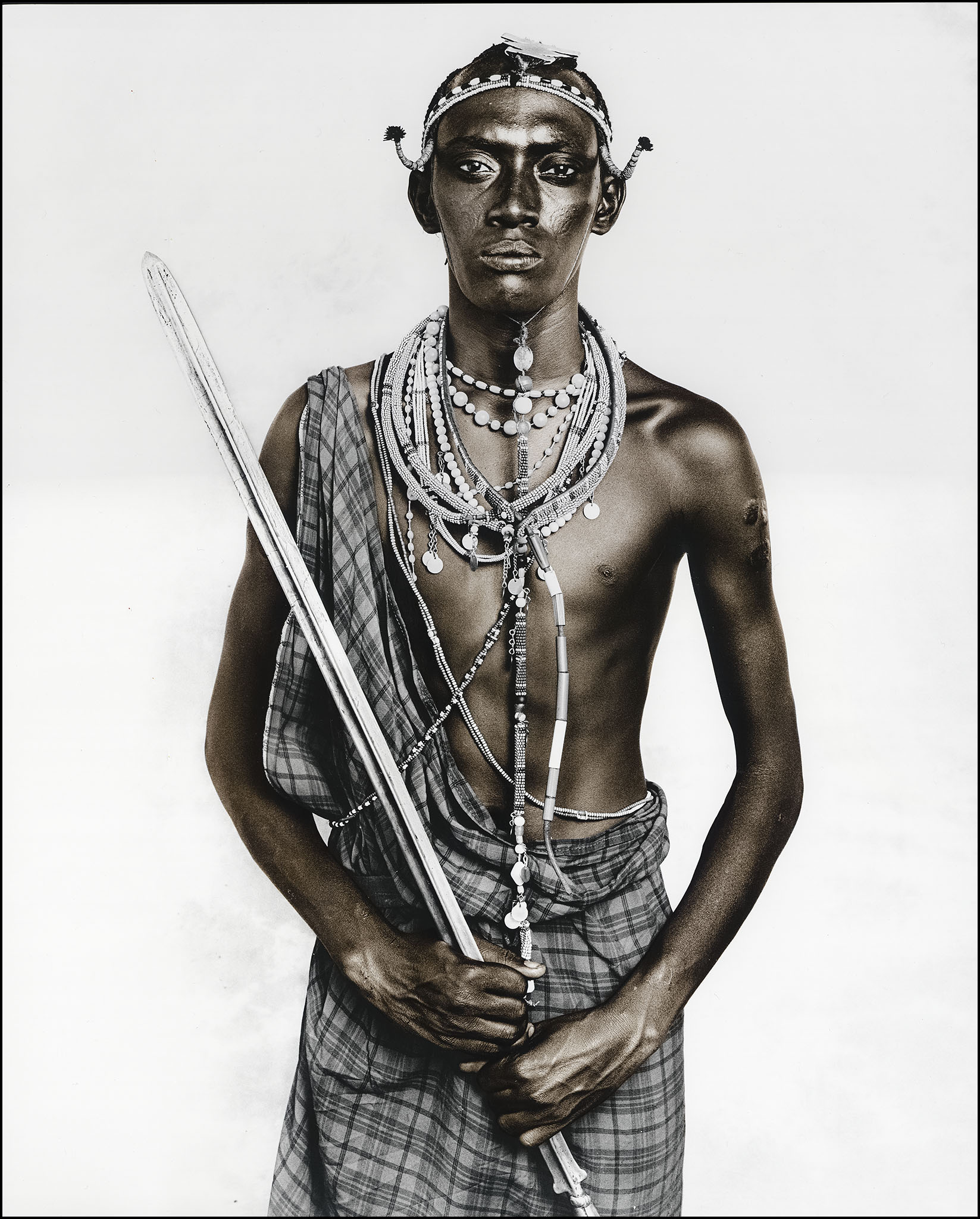
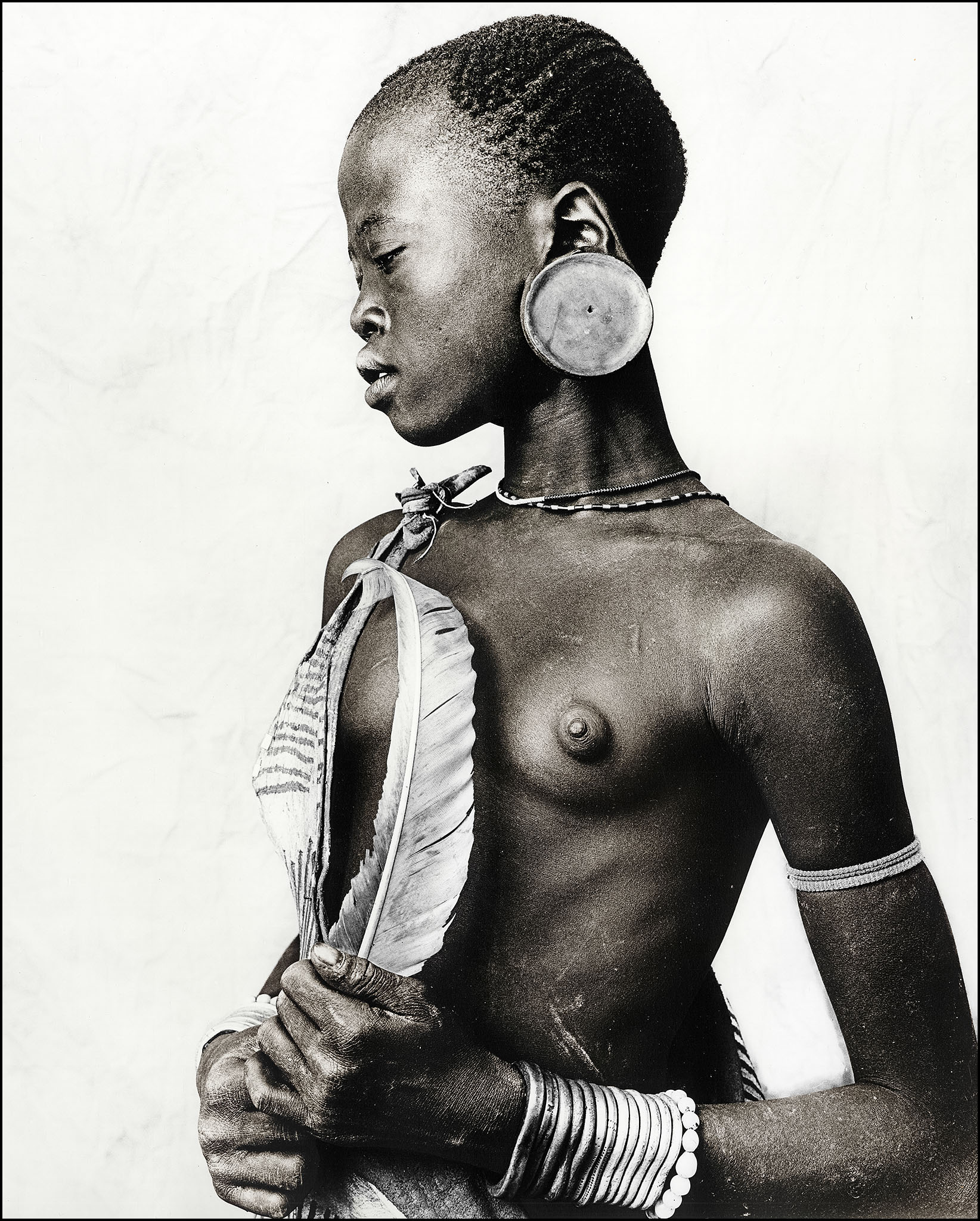


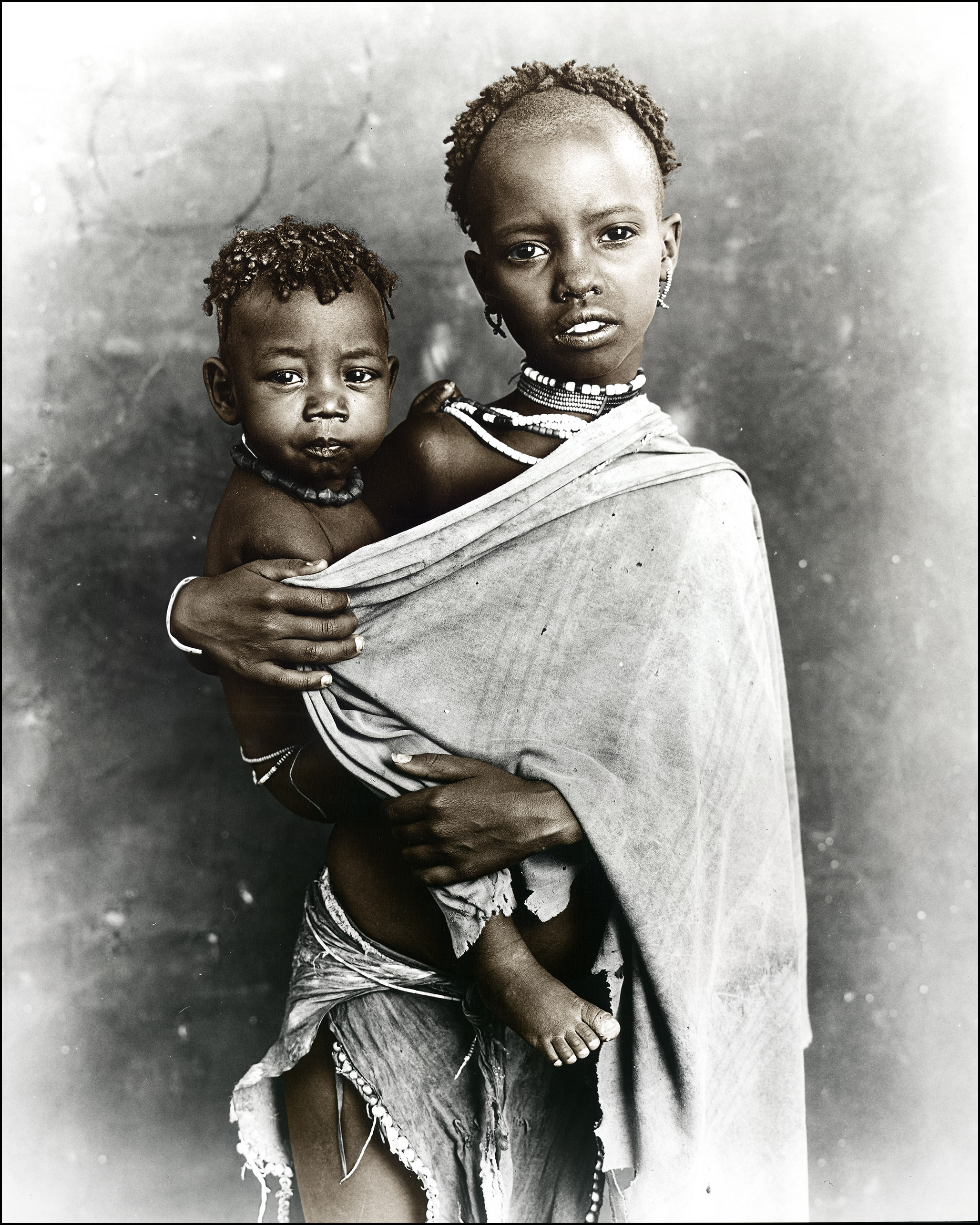


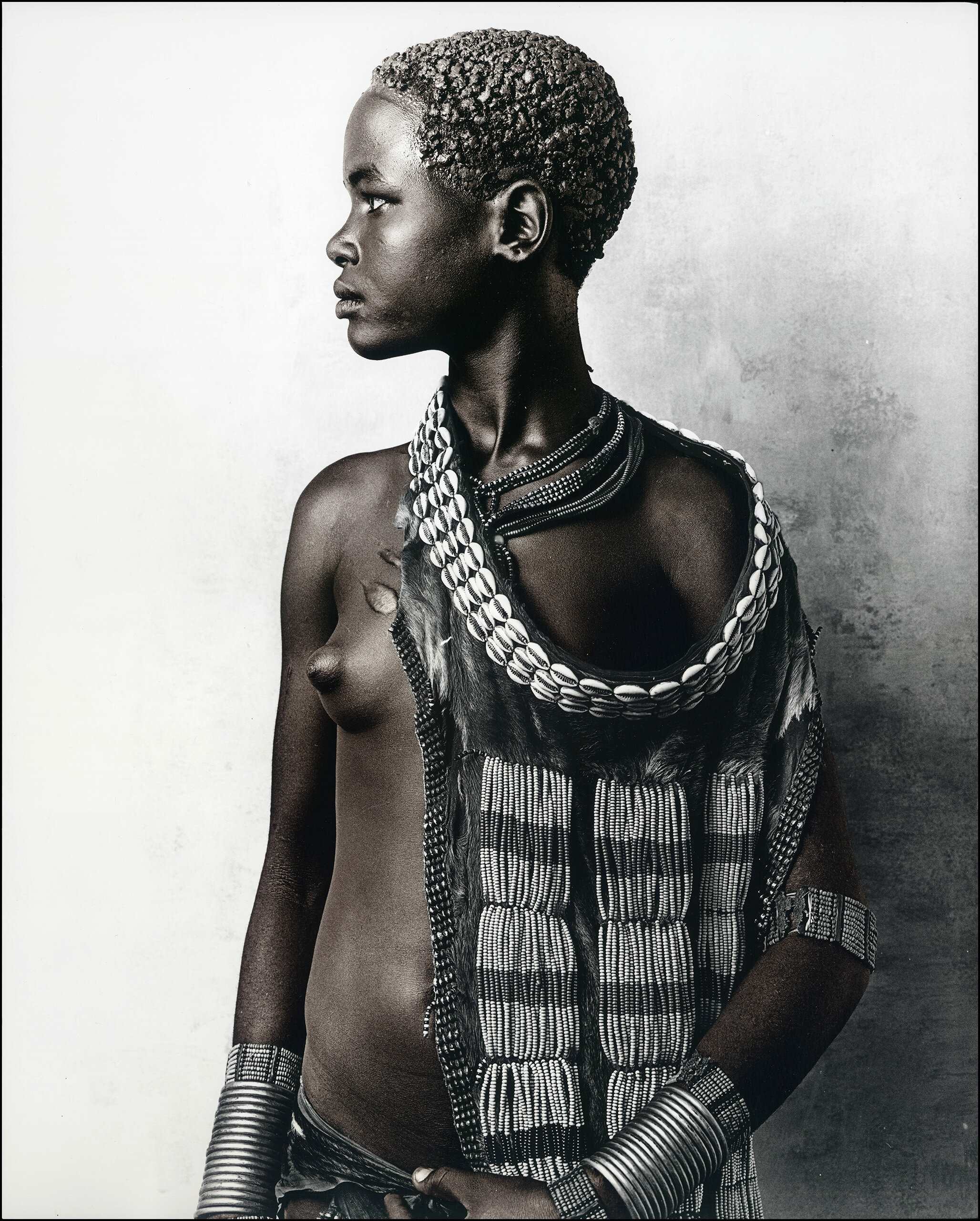
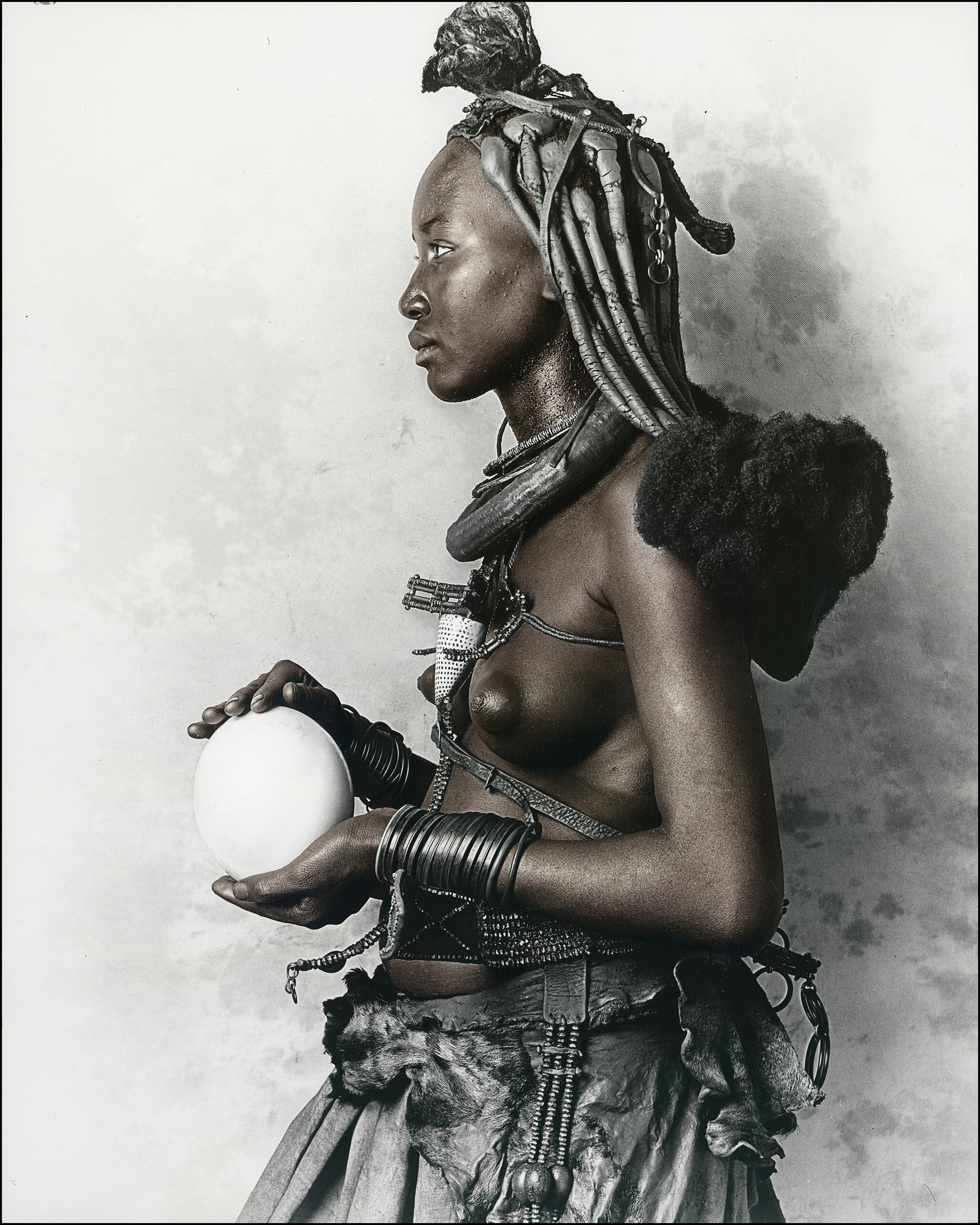
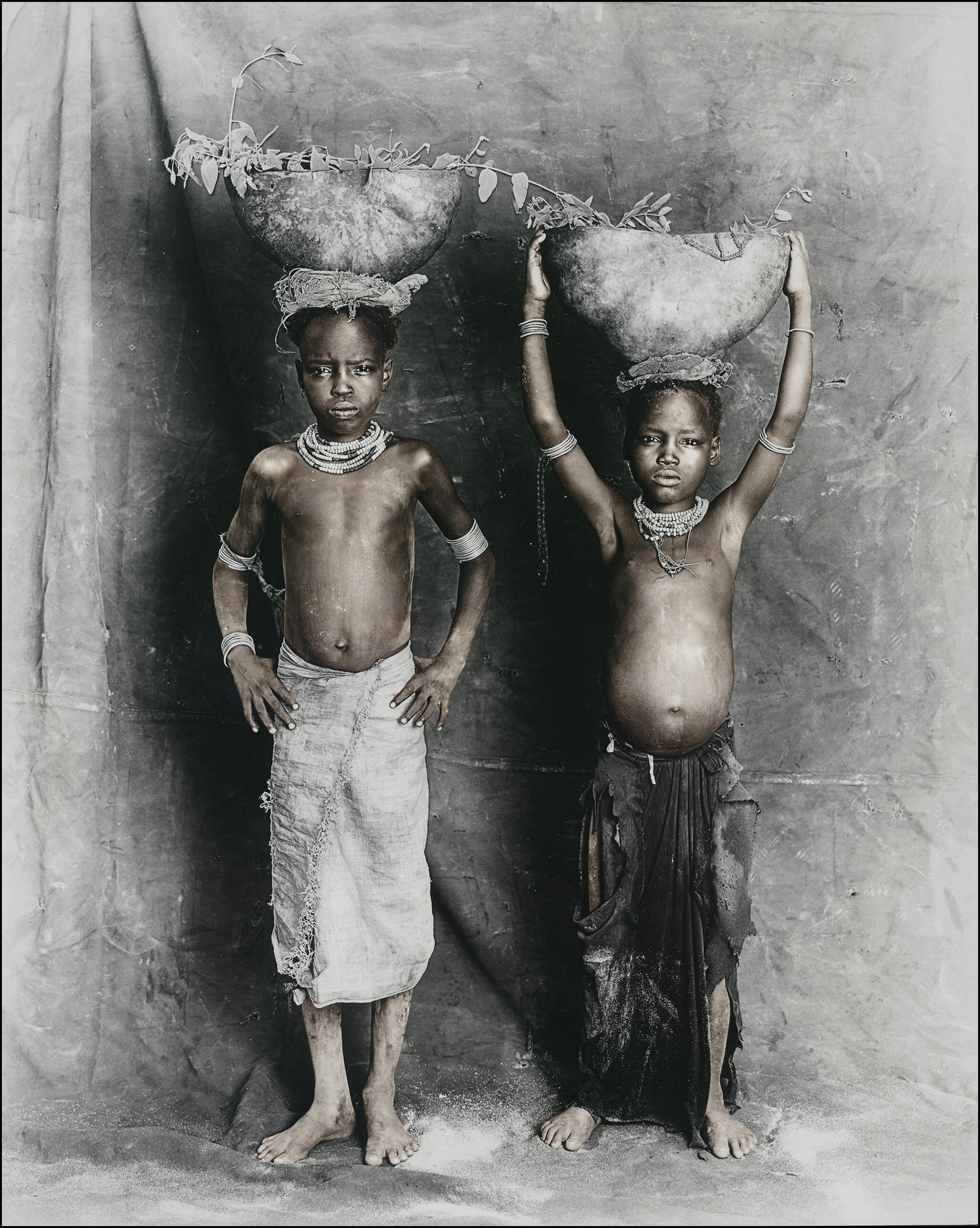
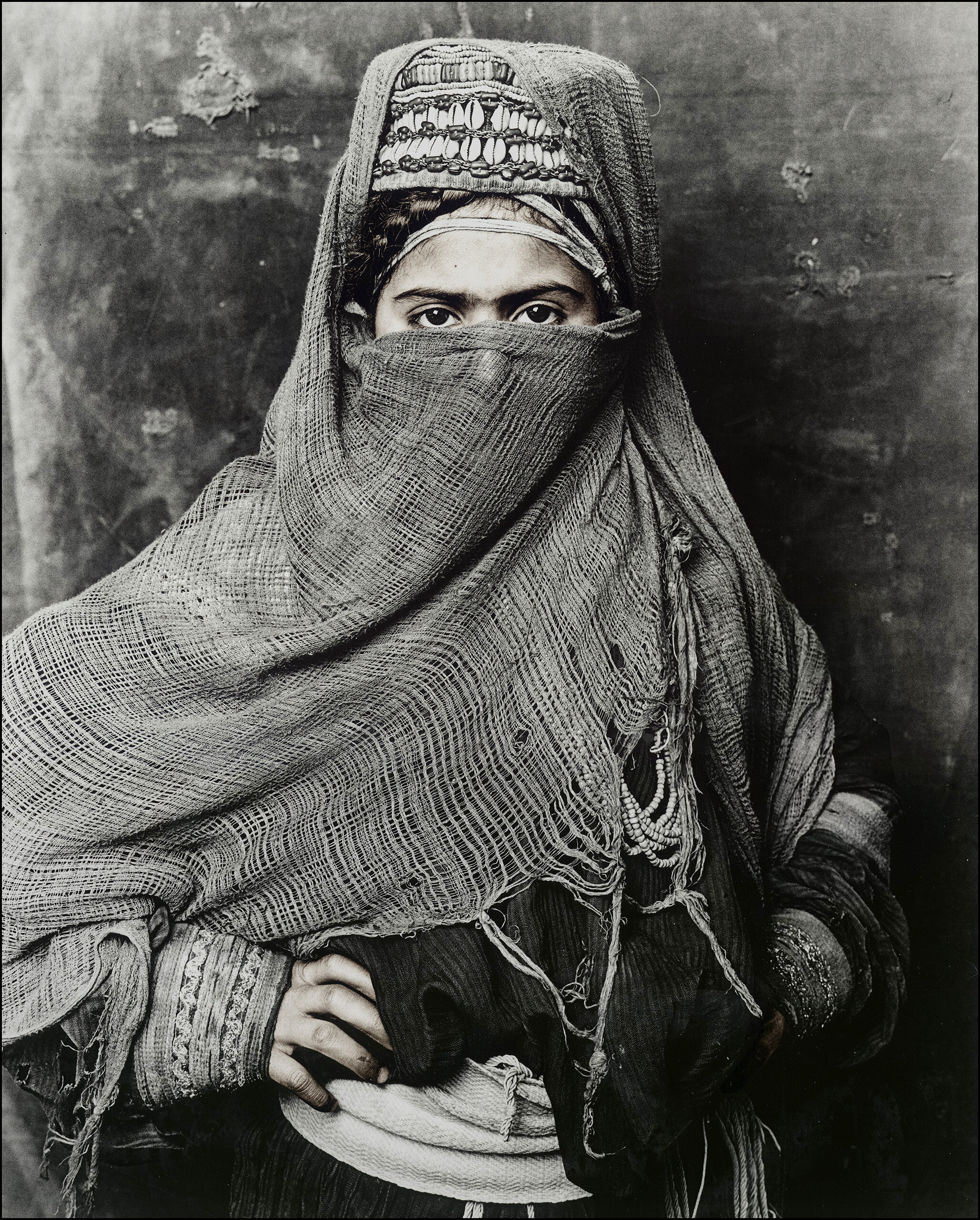


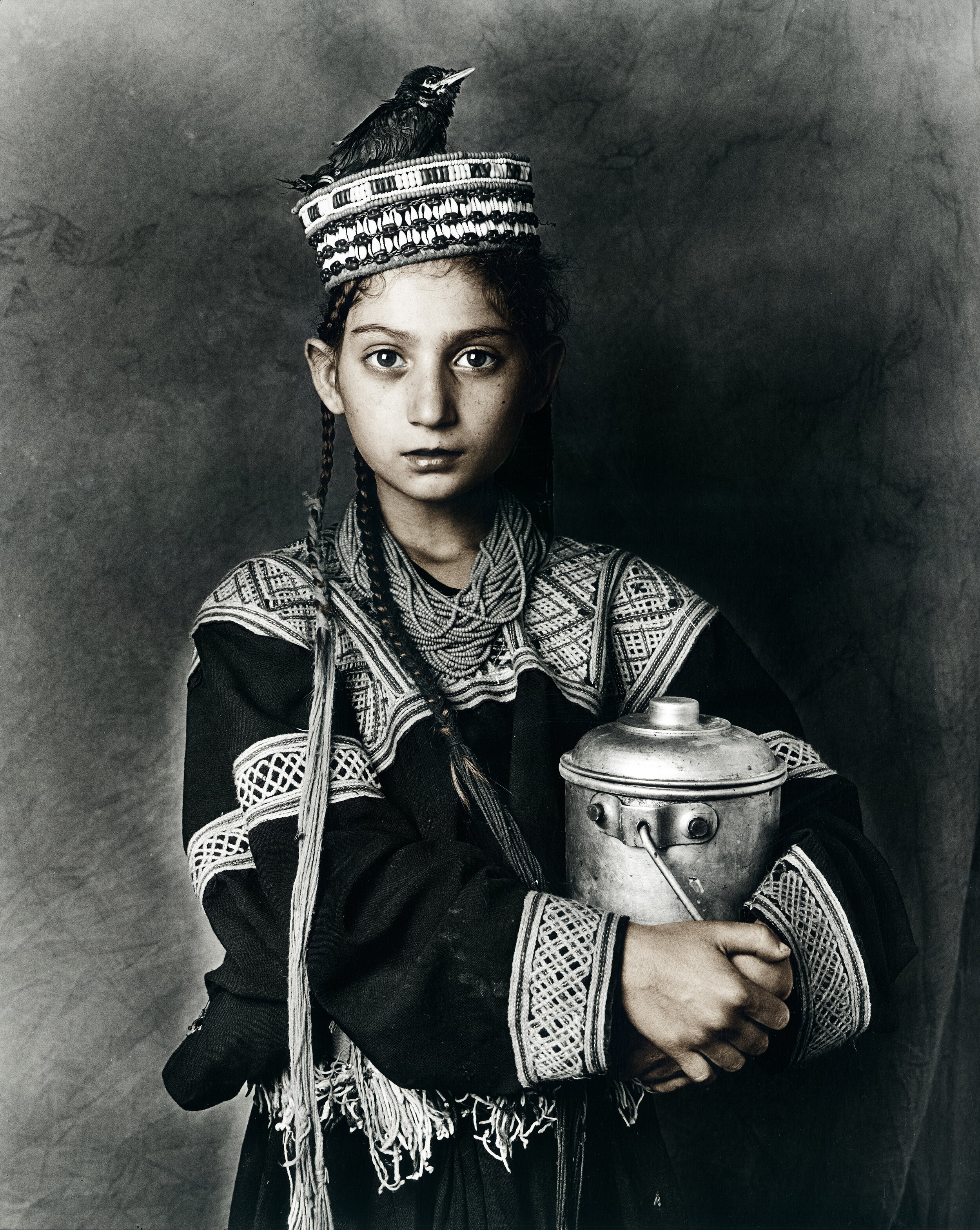
Essence
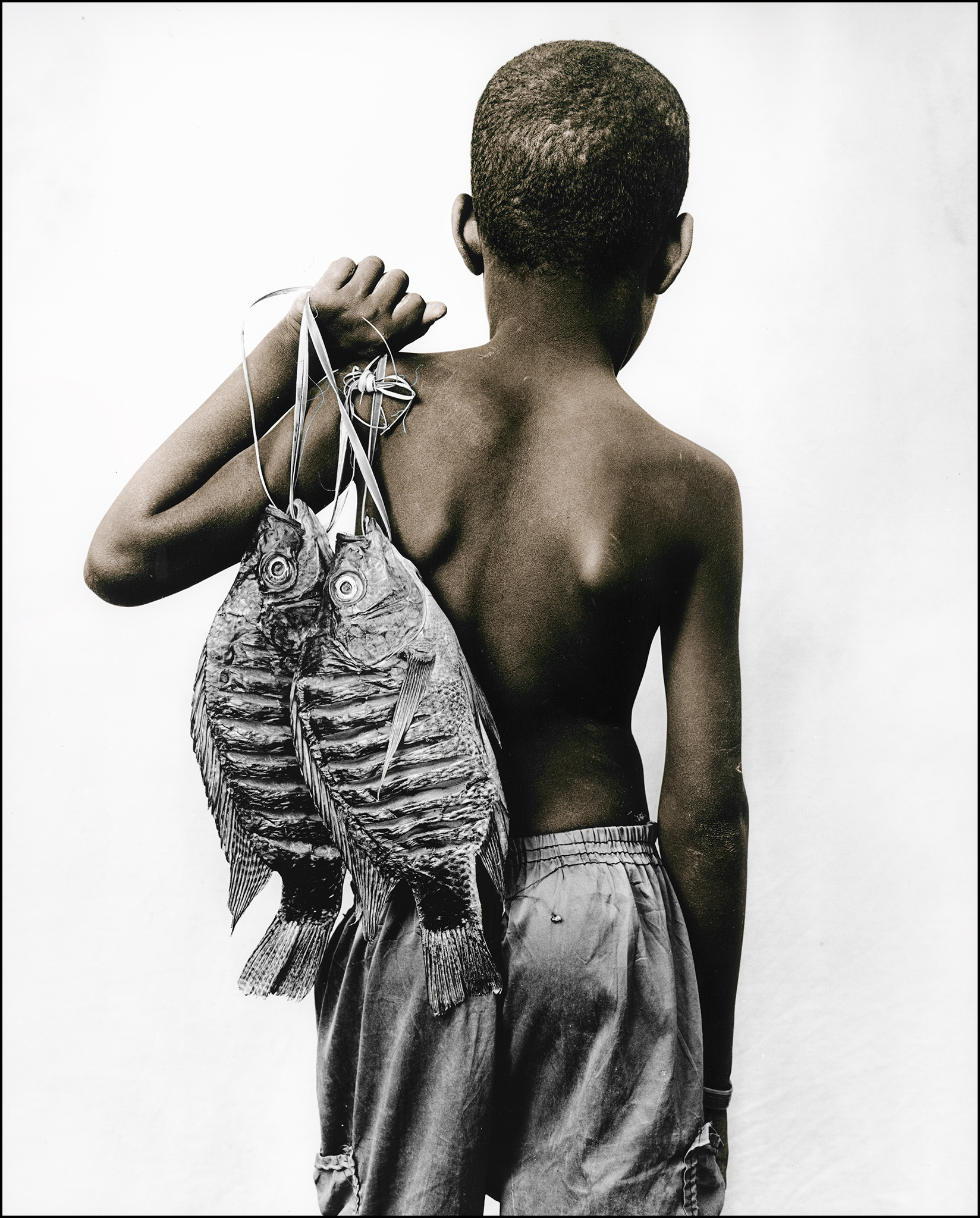
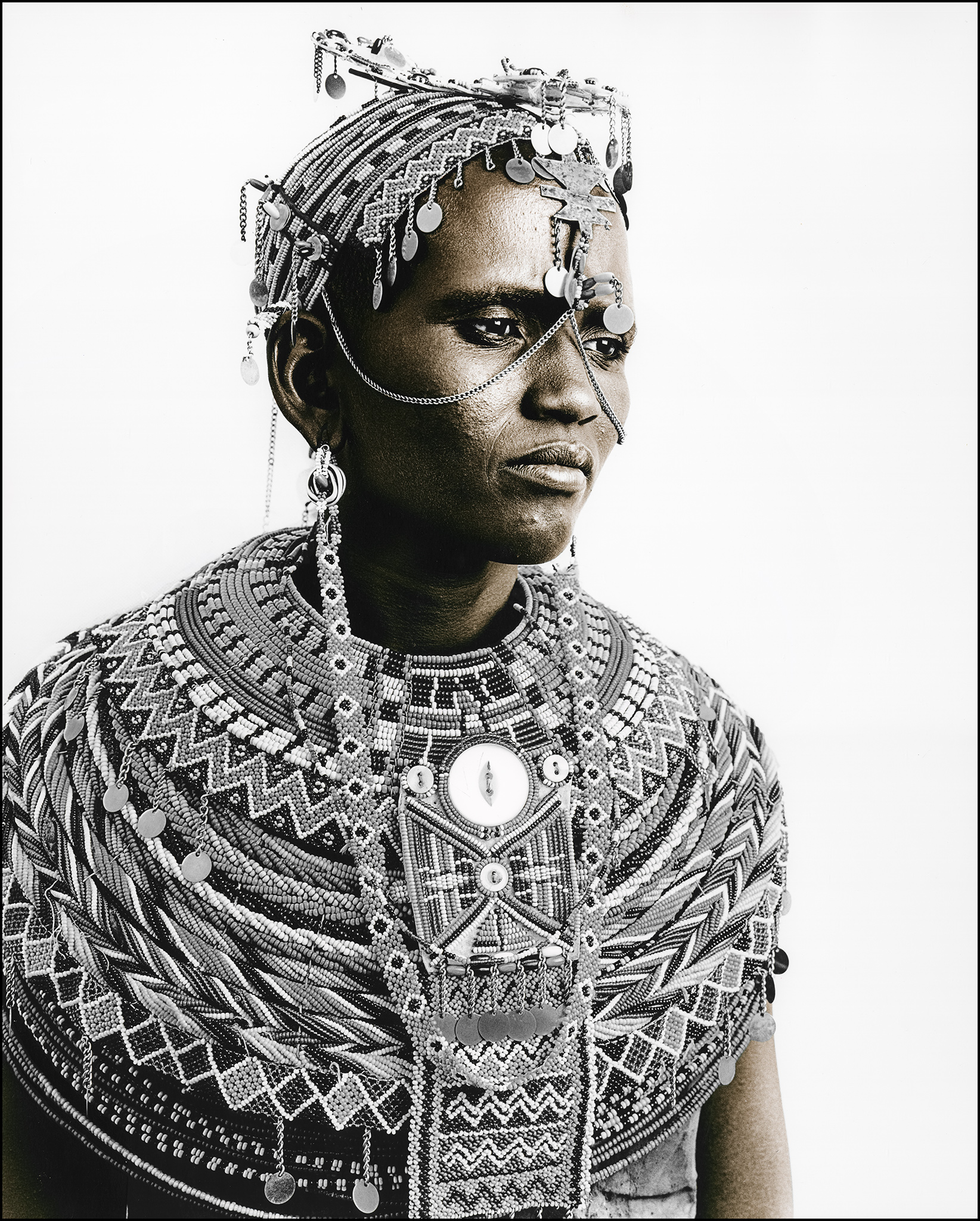
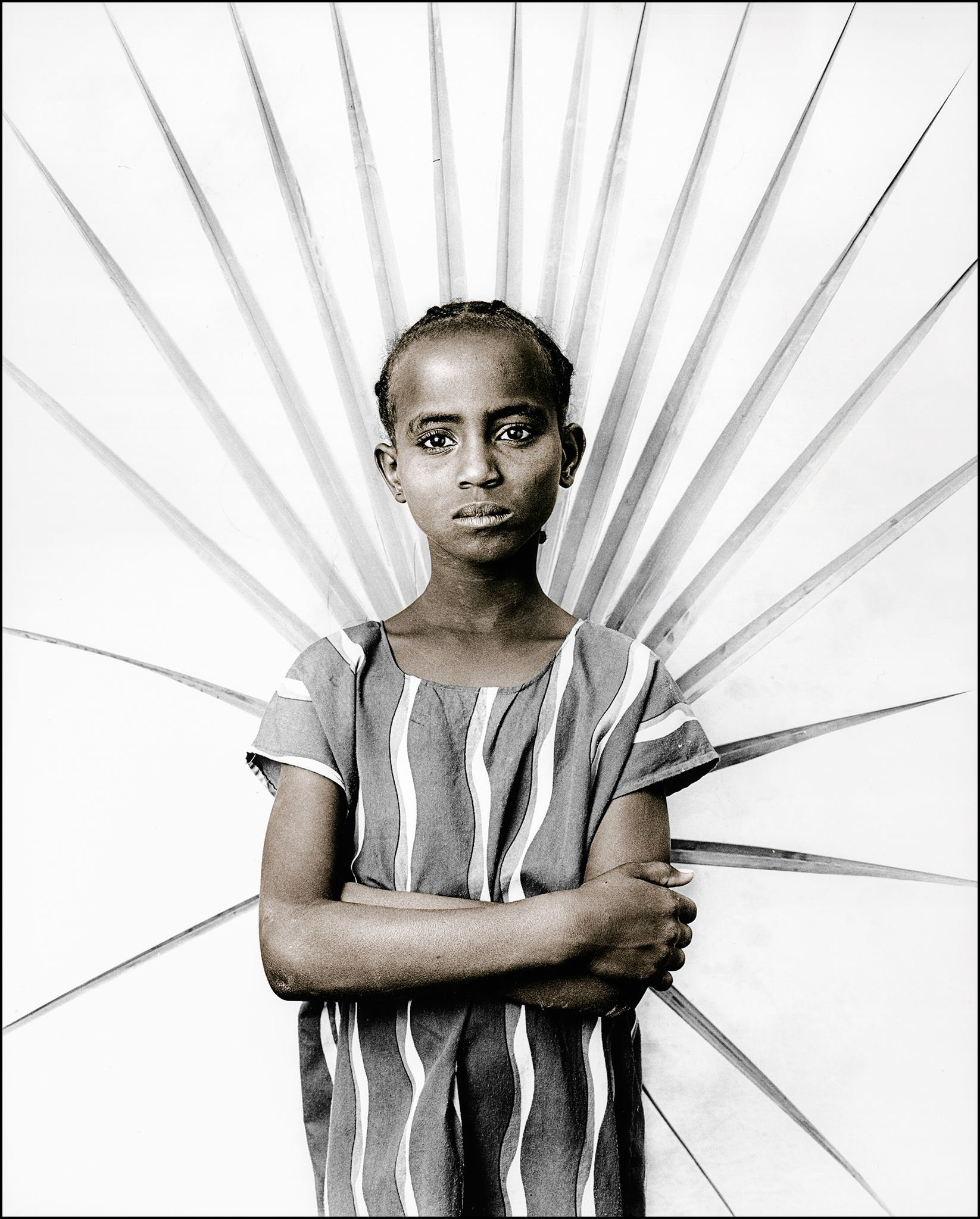
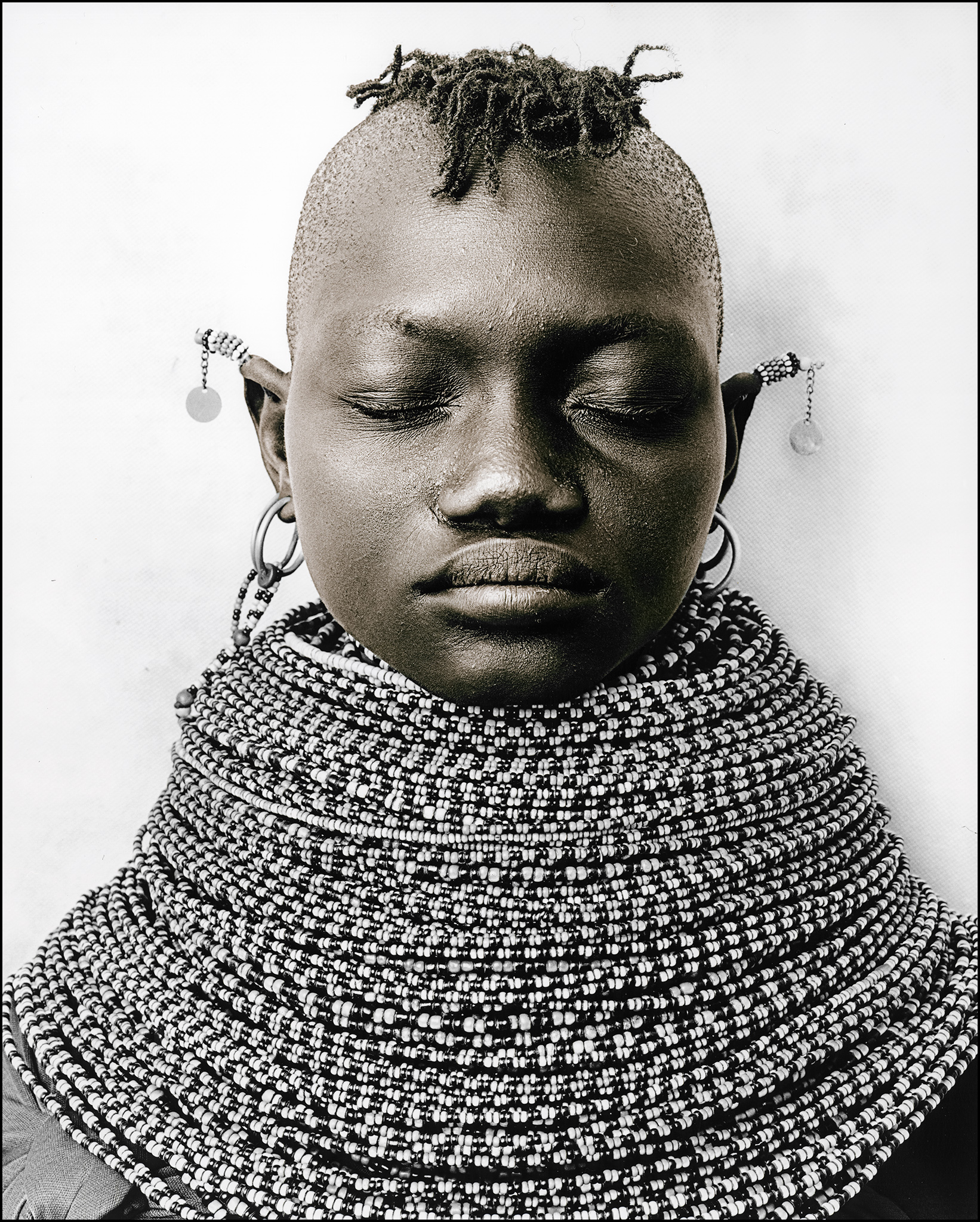
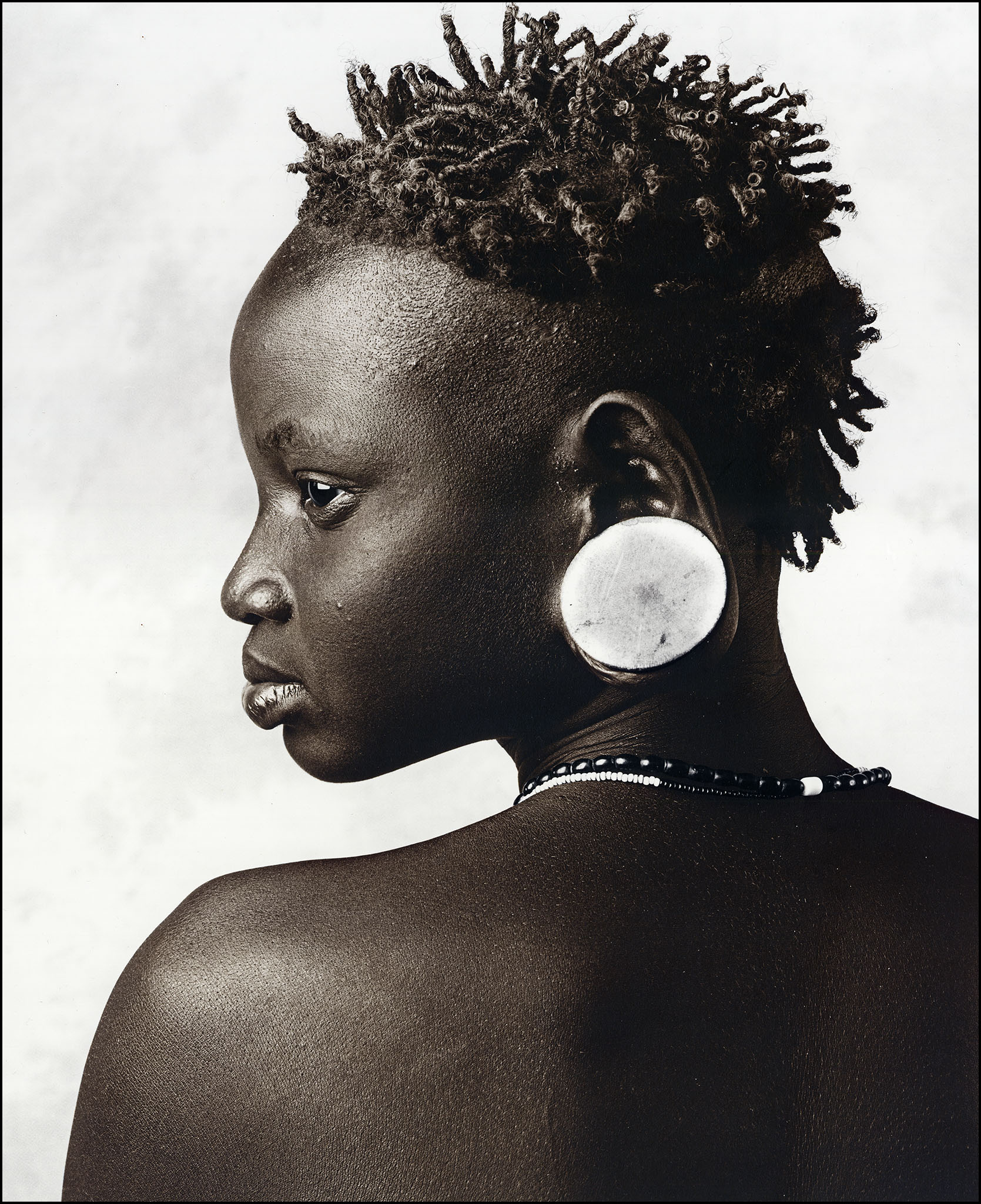
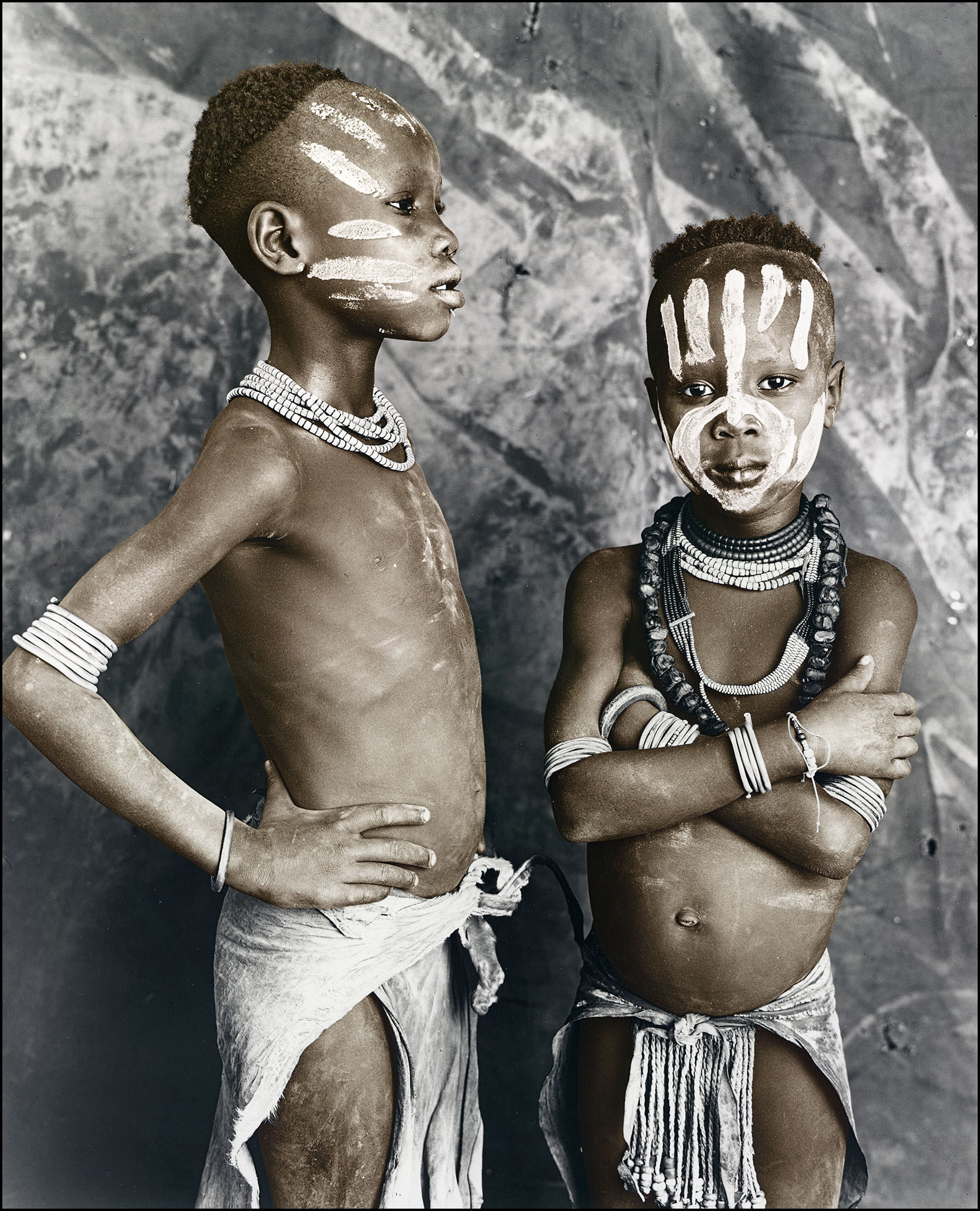
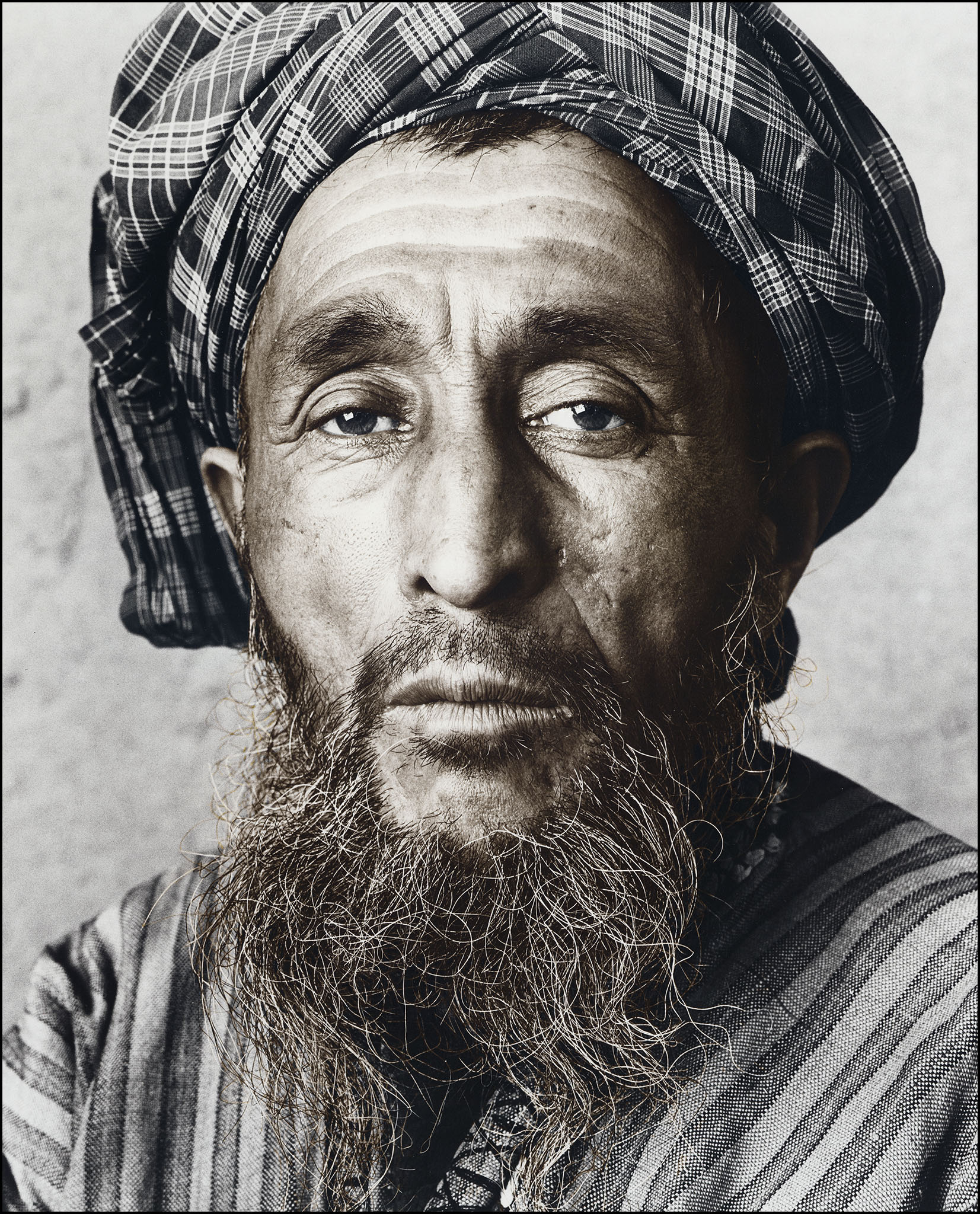
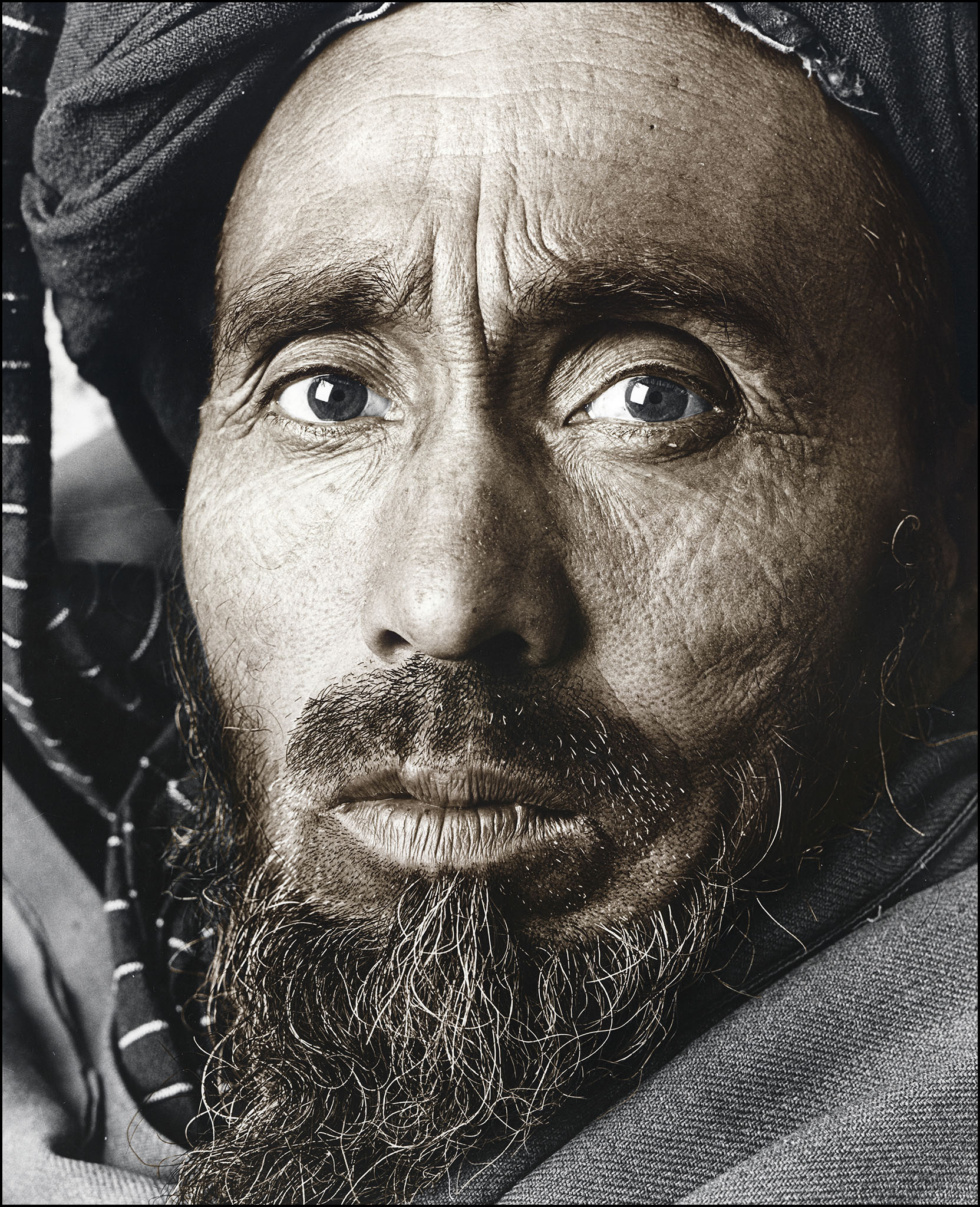
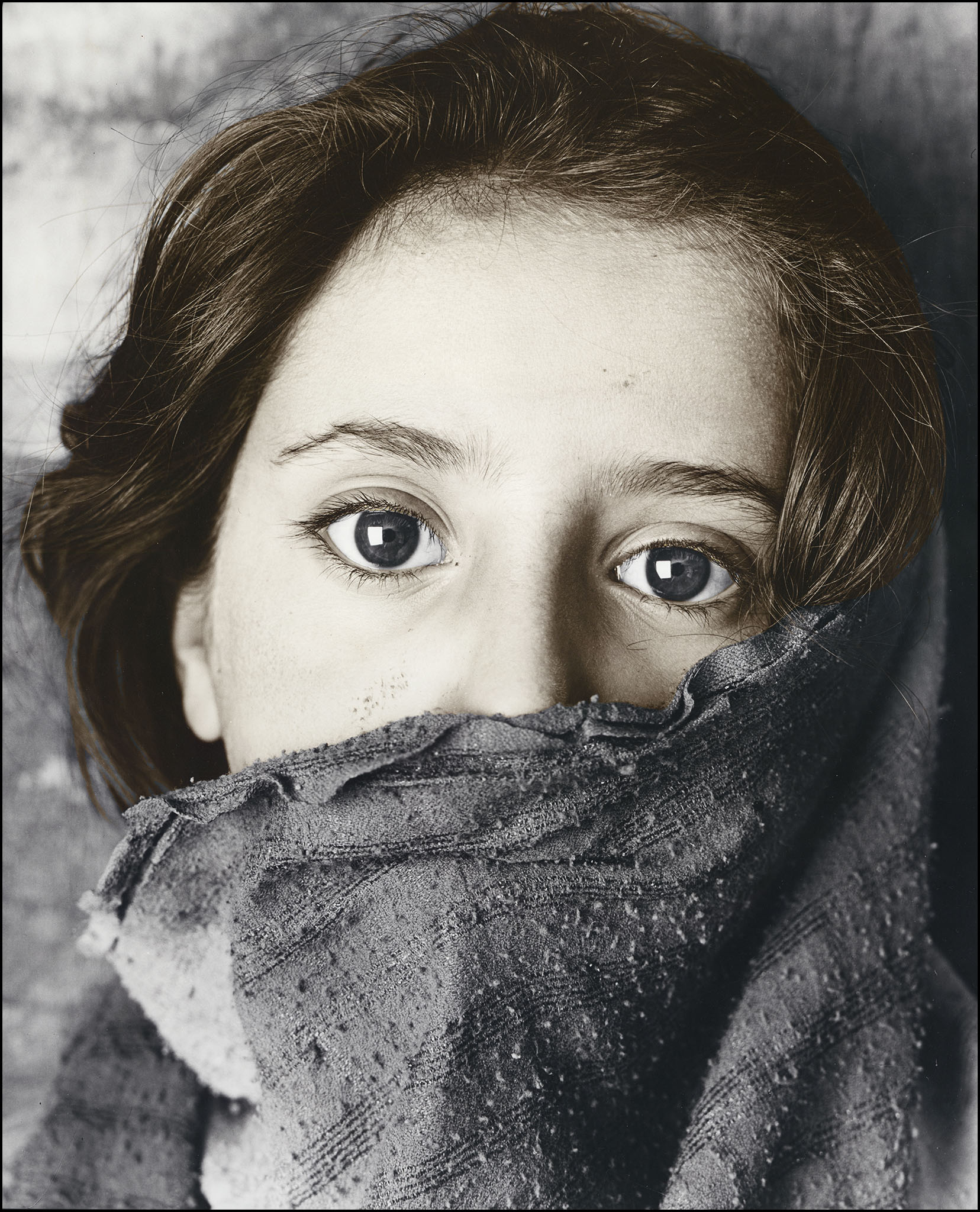
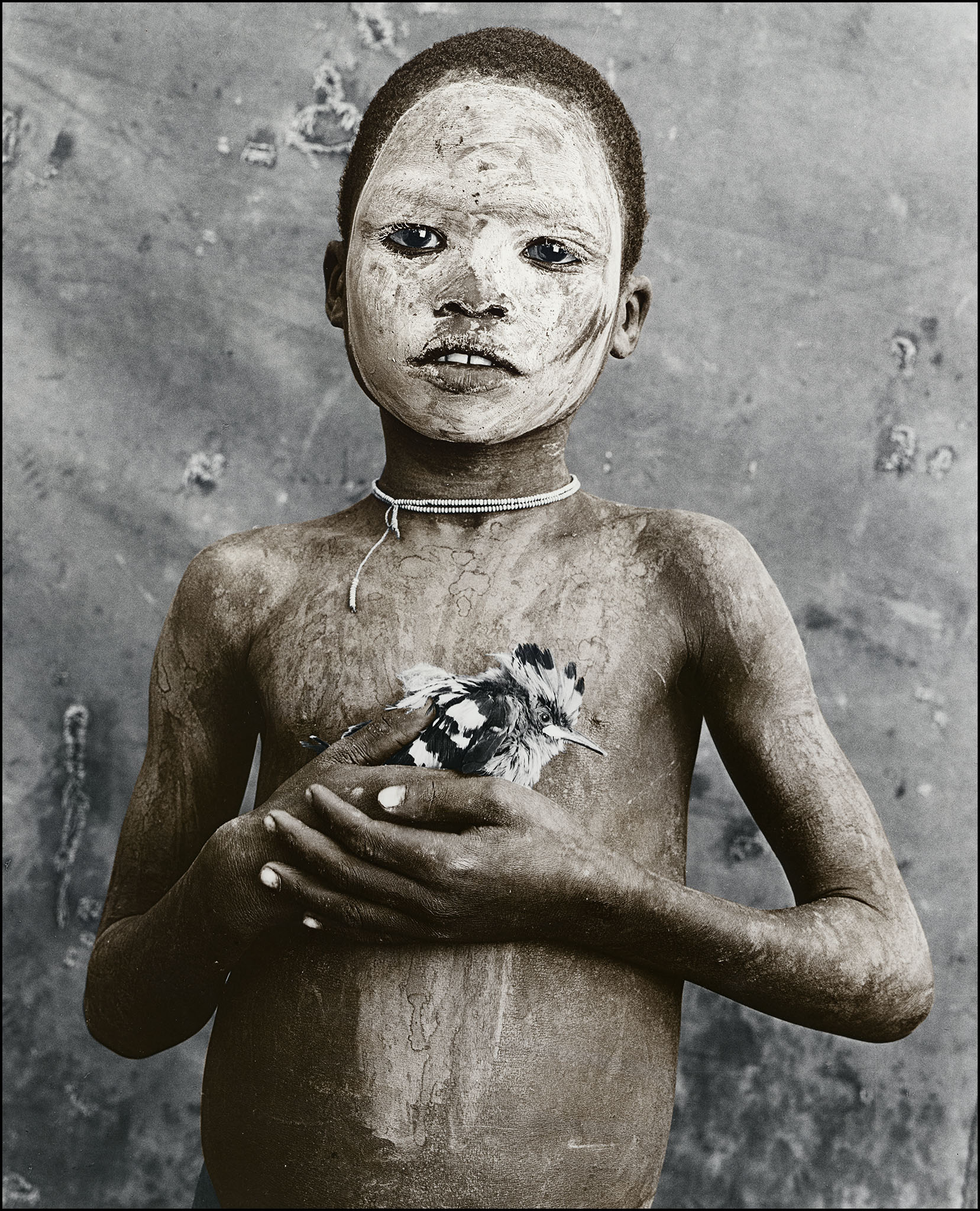
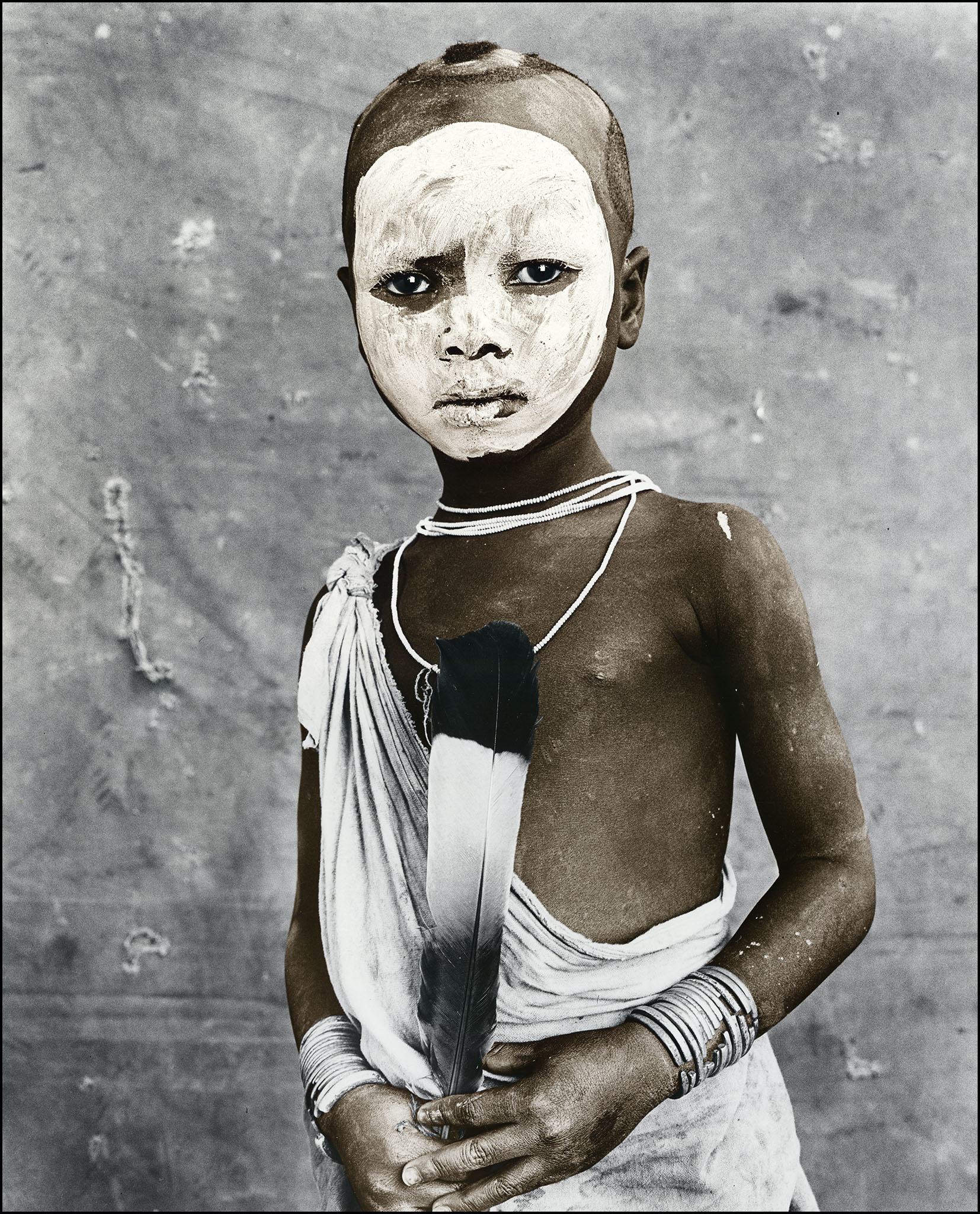
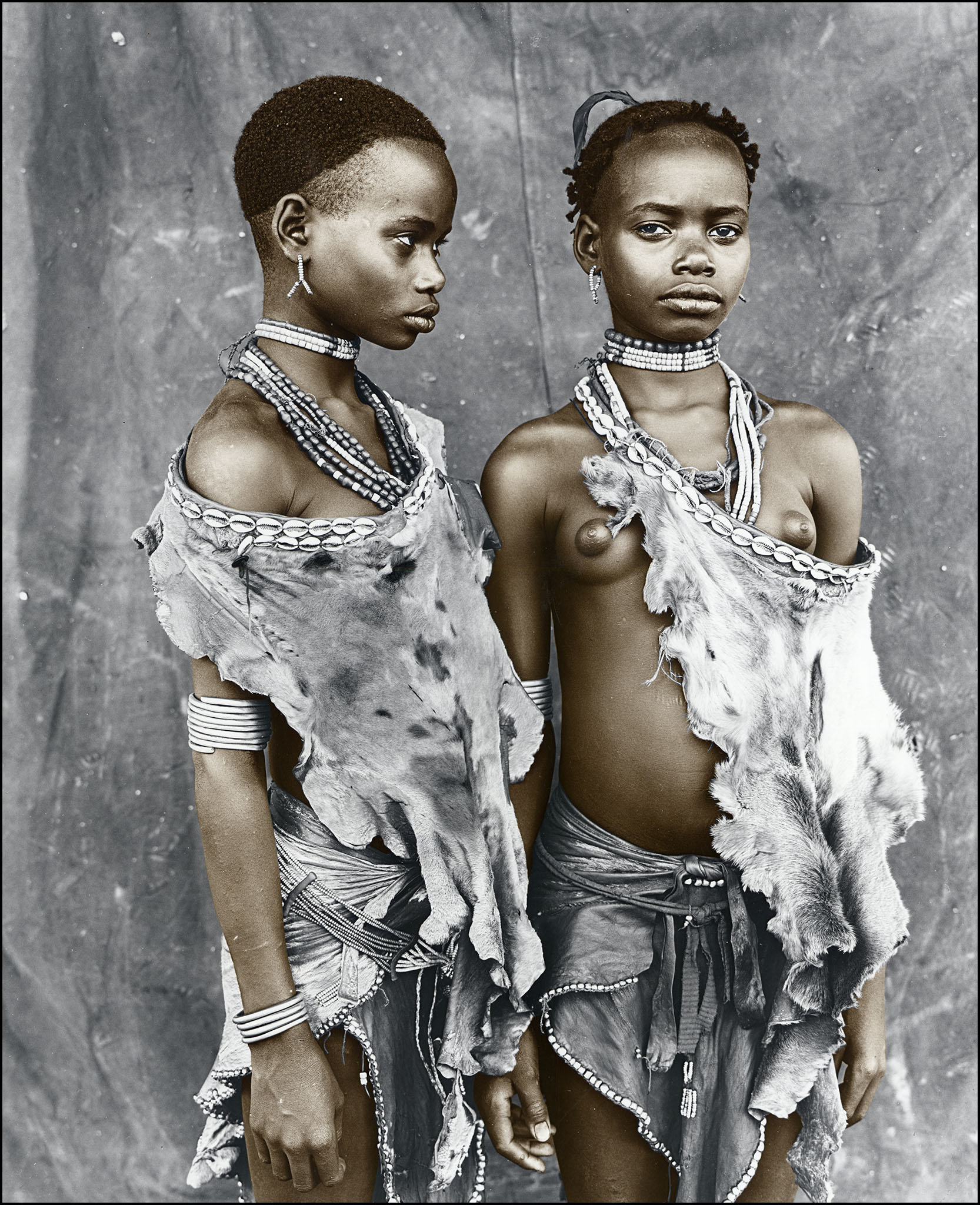
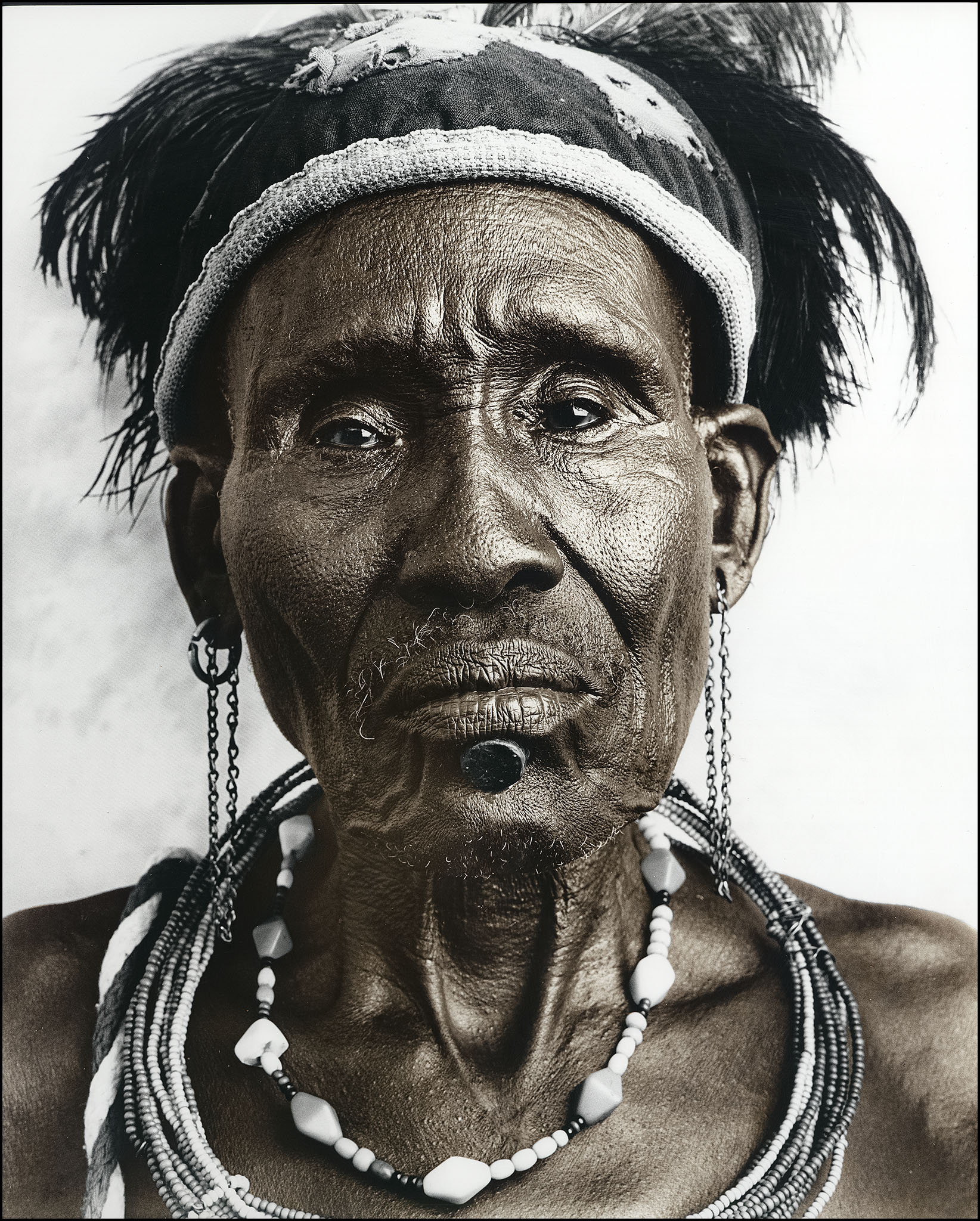
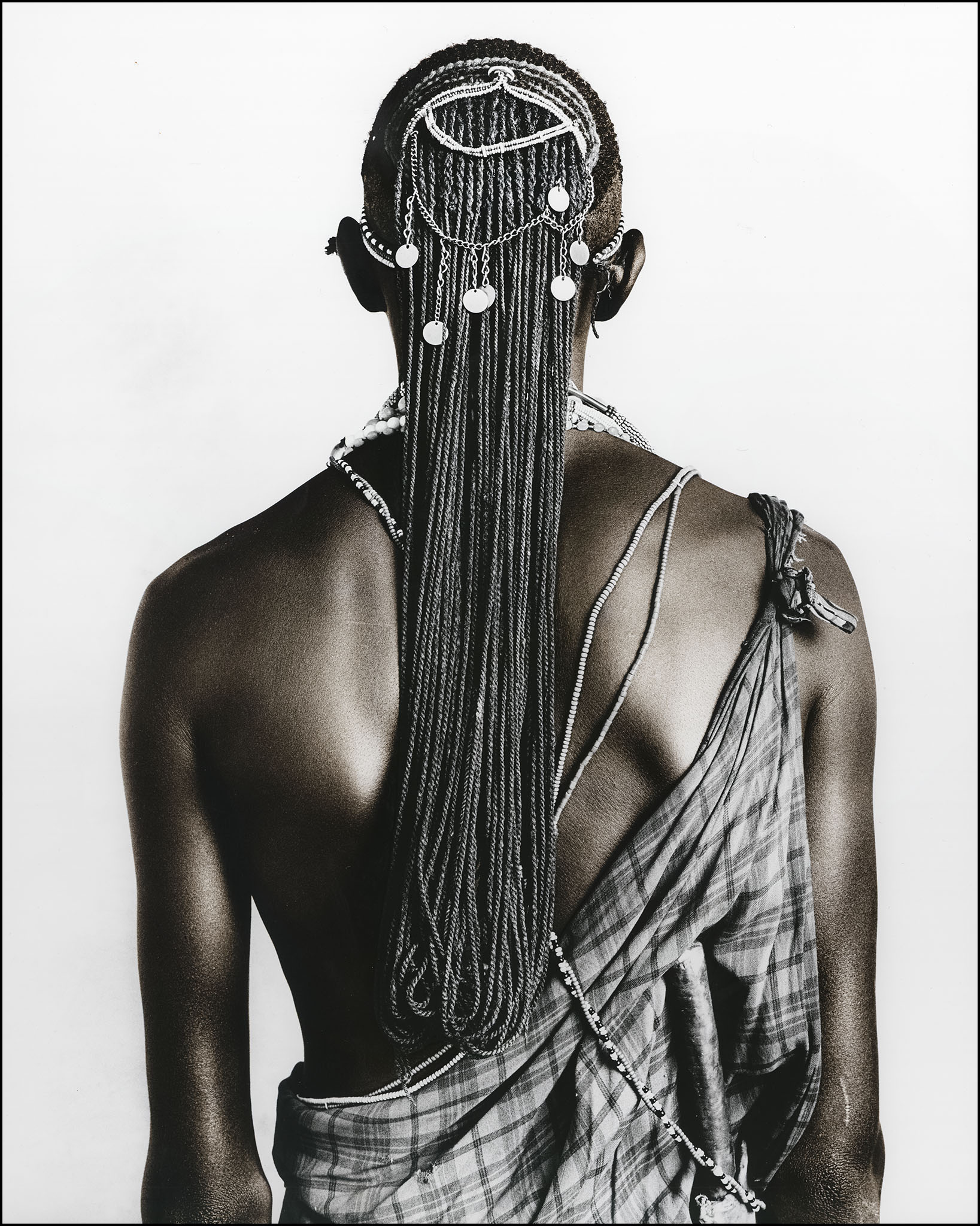
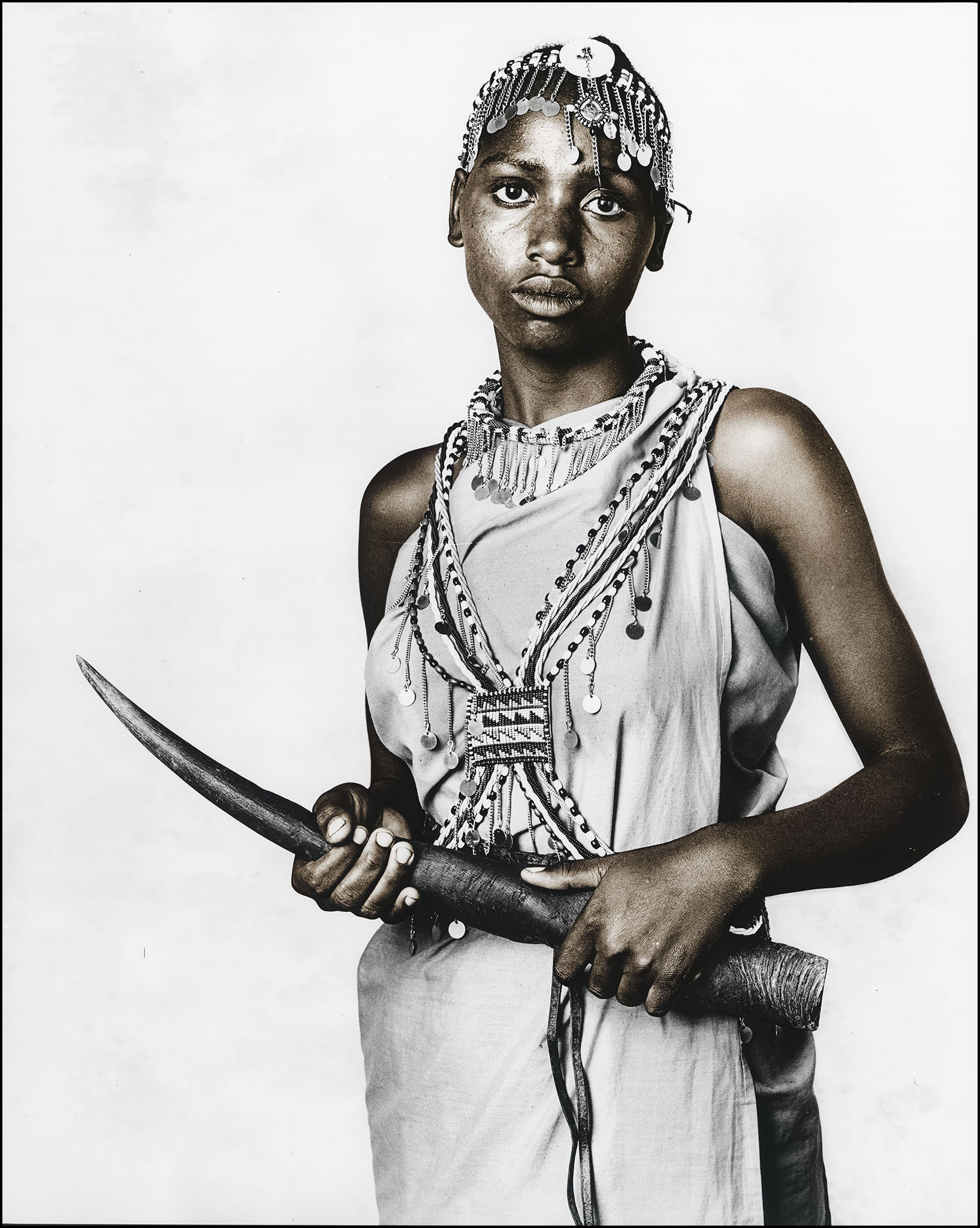
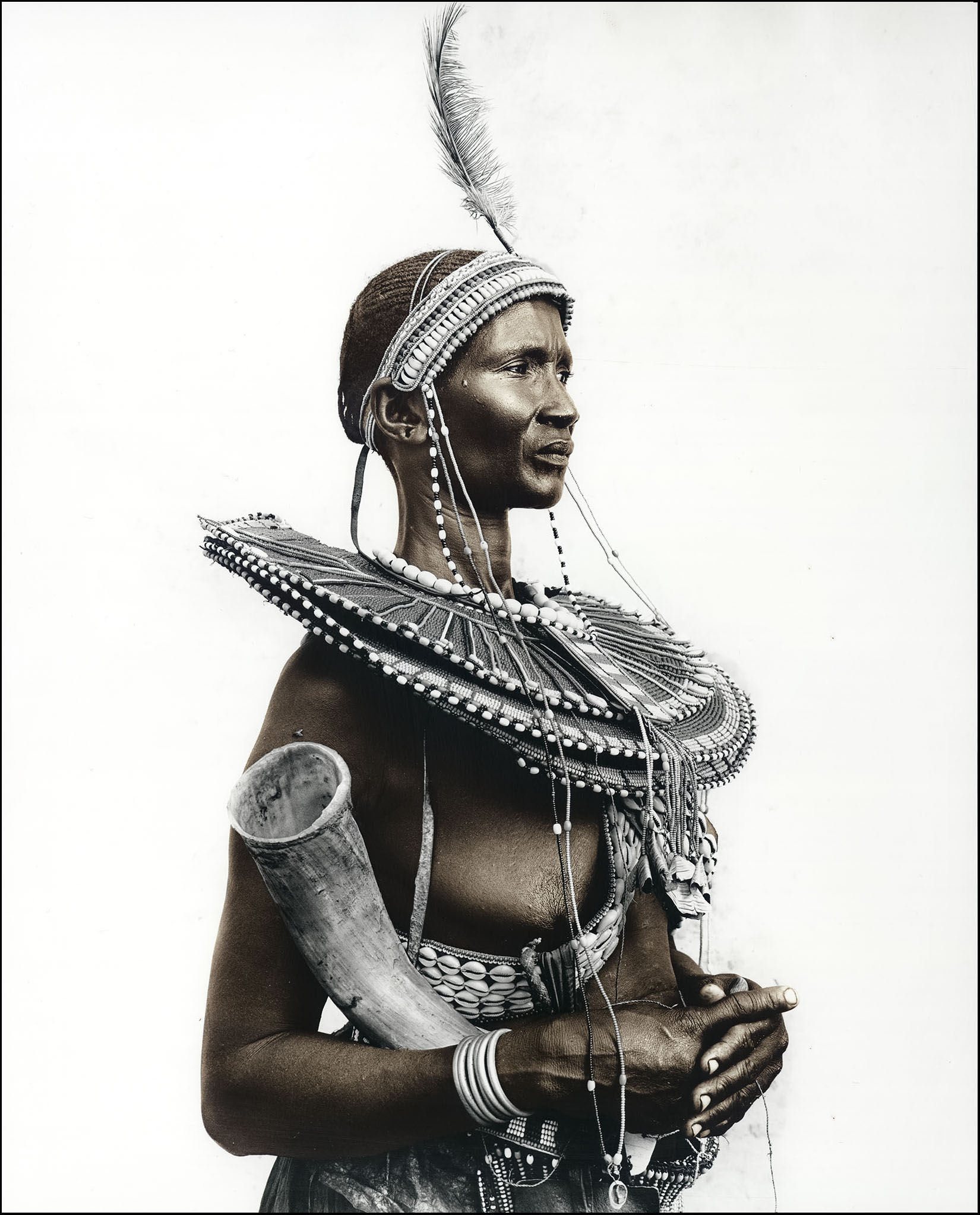
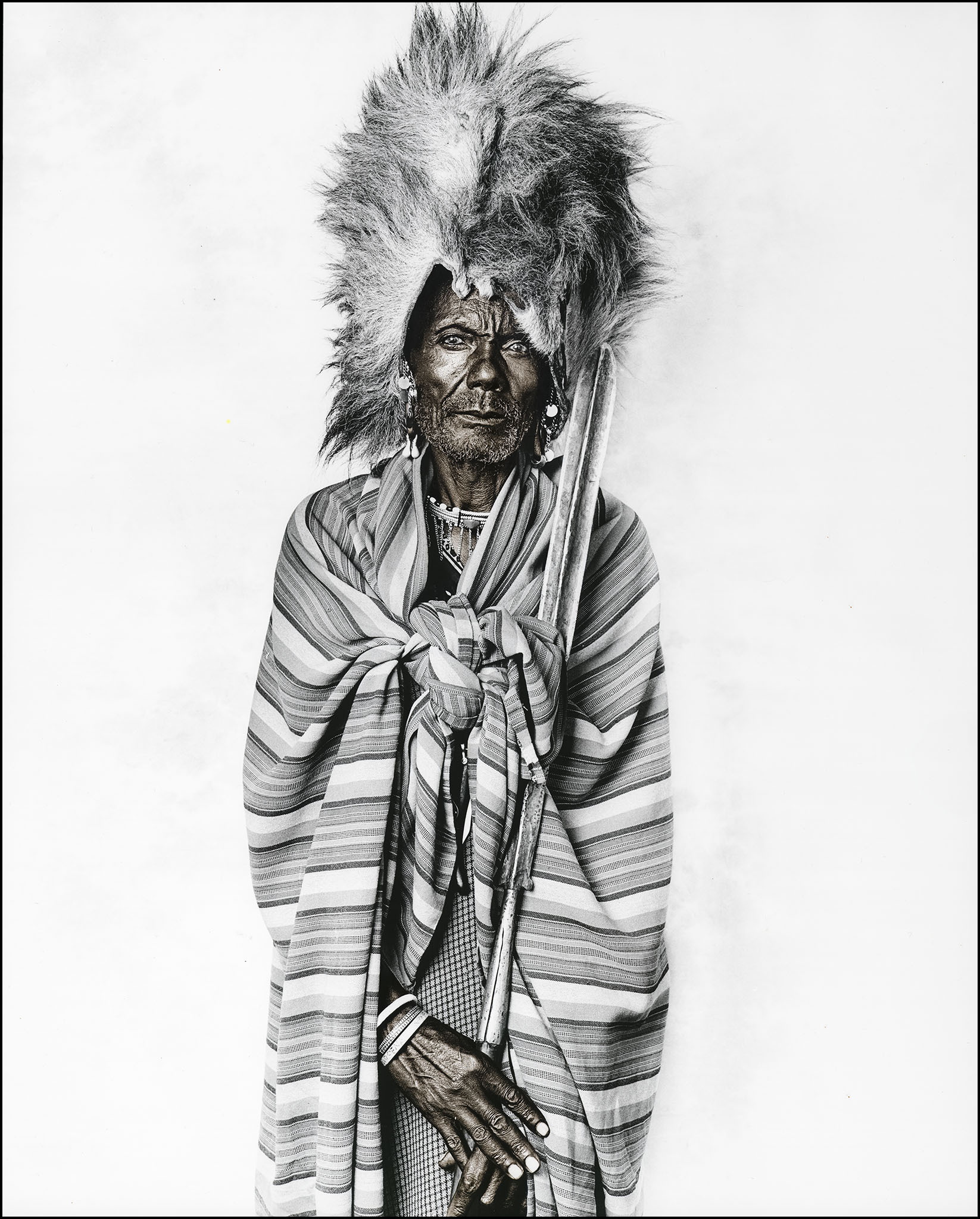
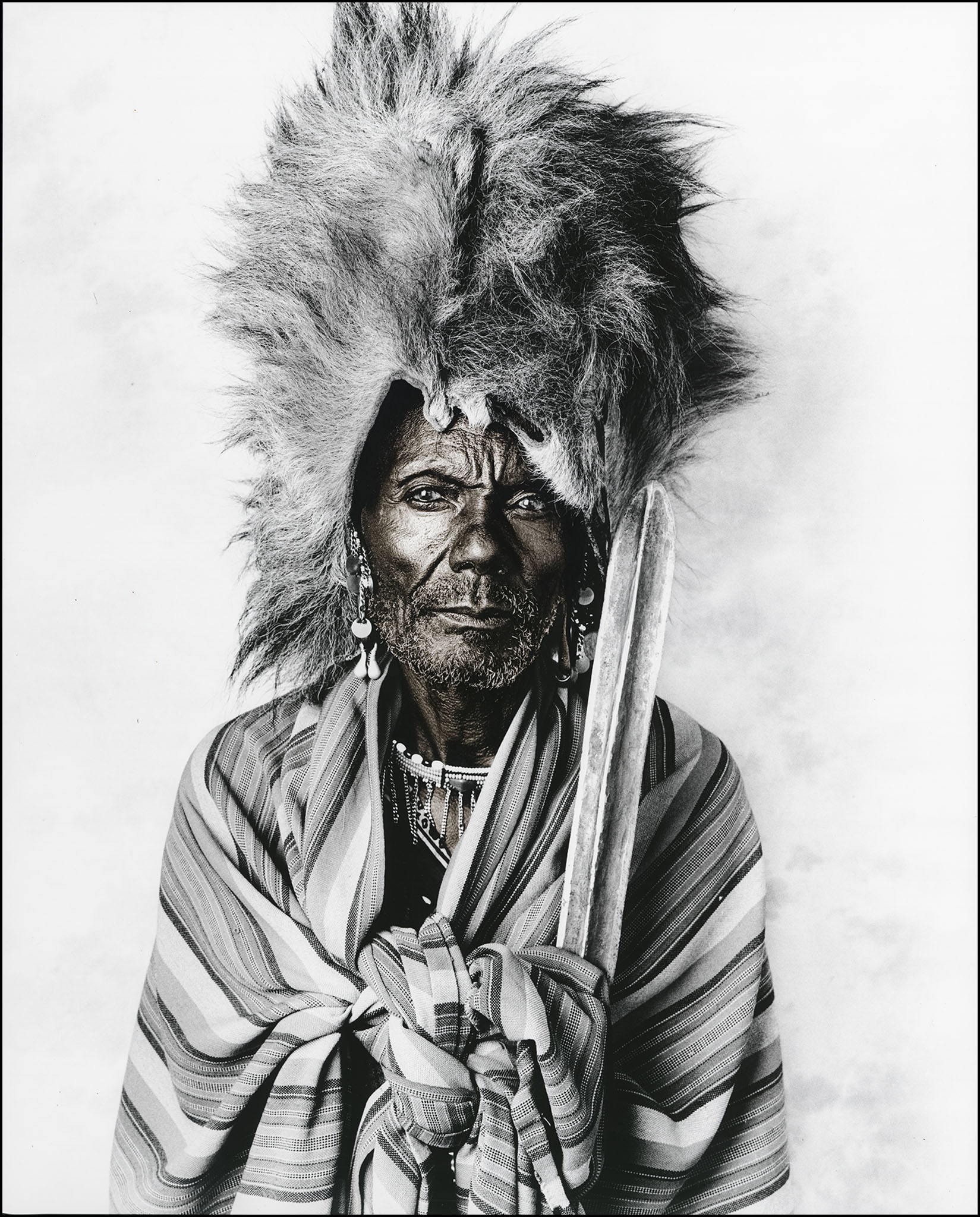
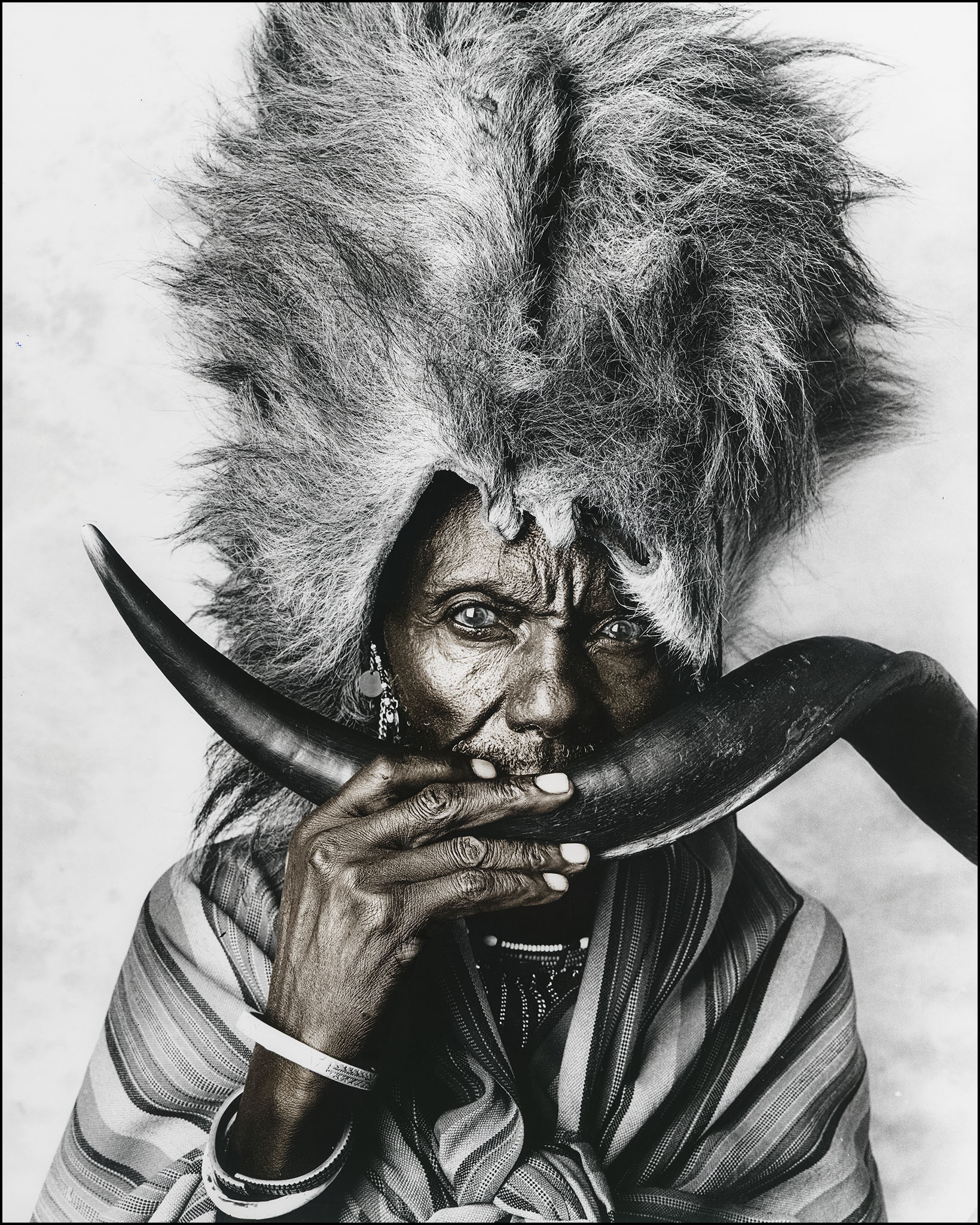
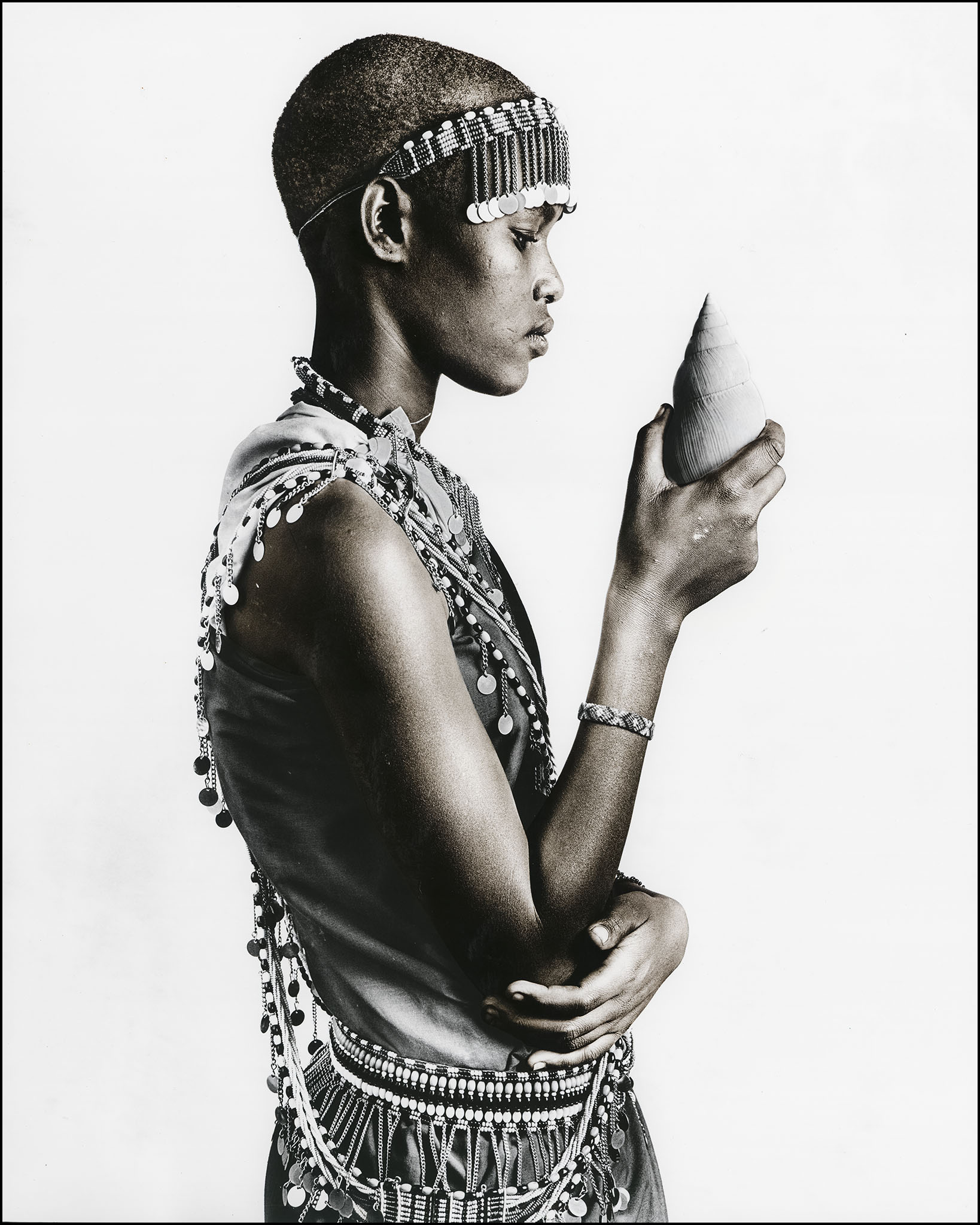
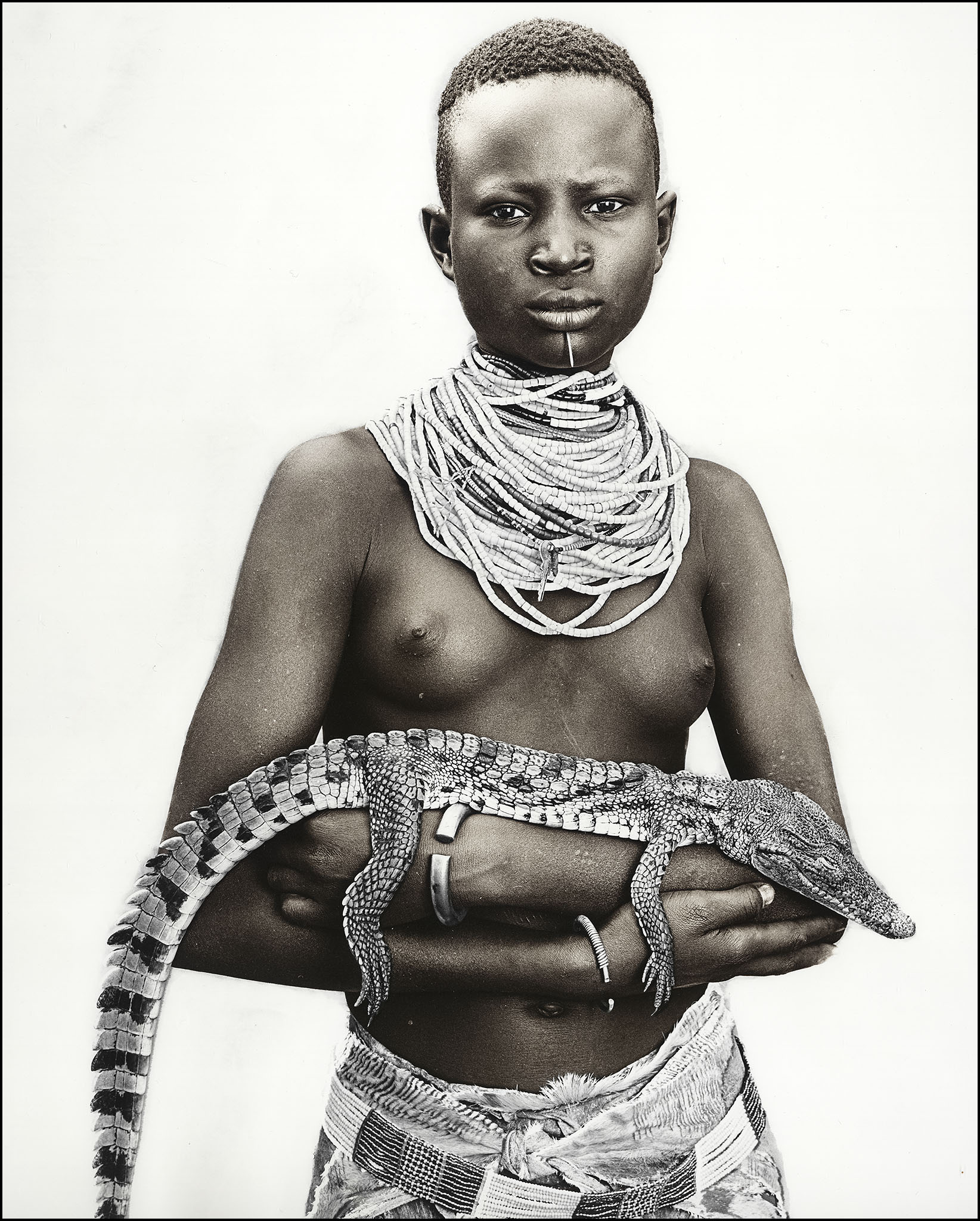
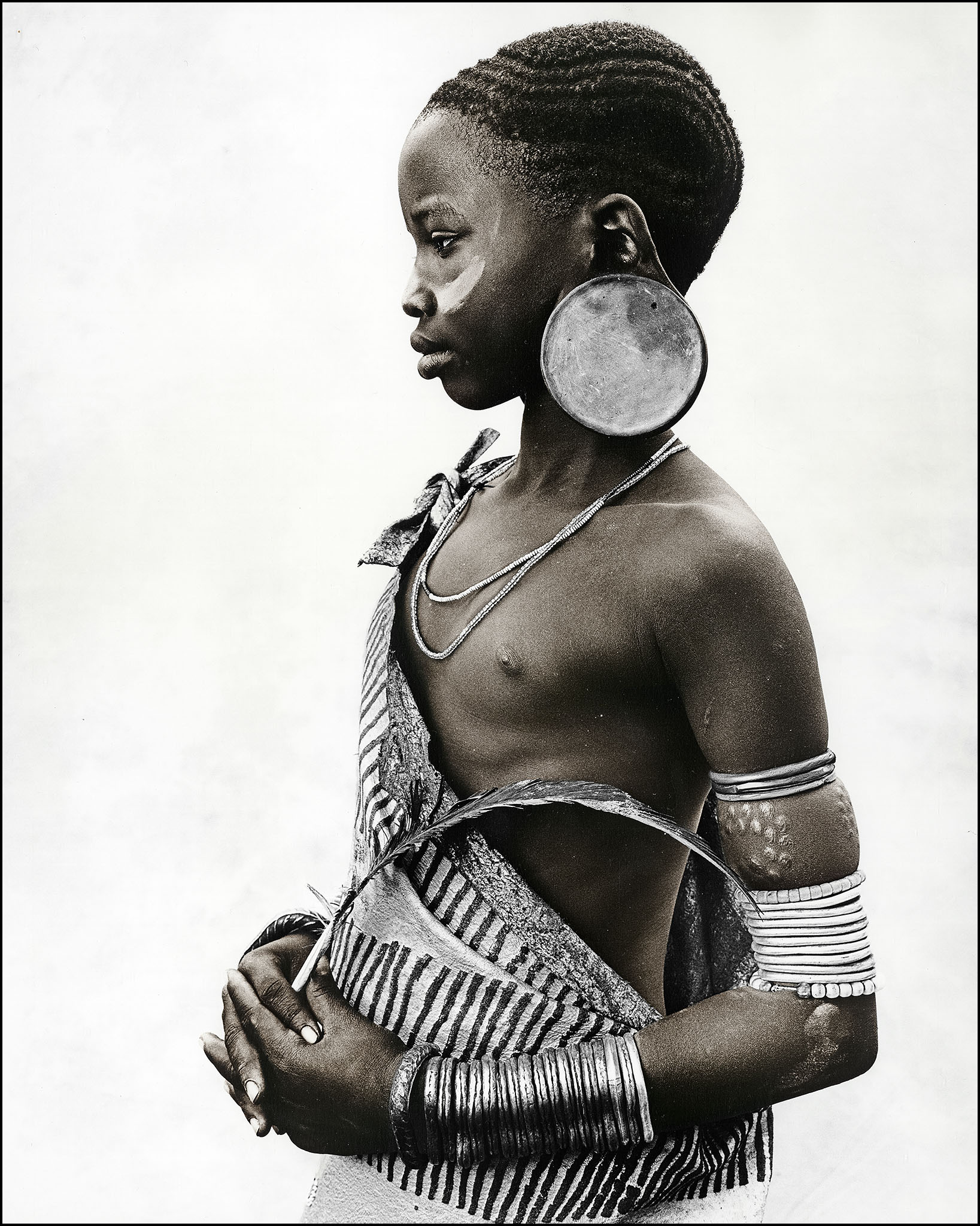
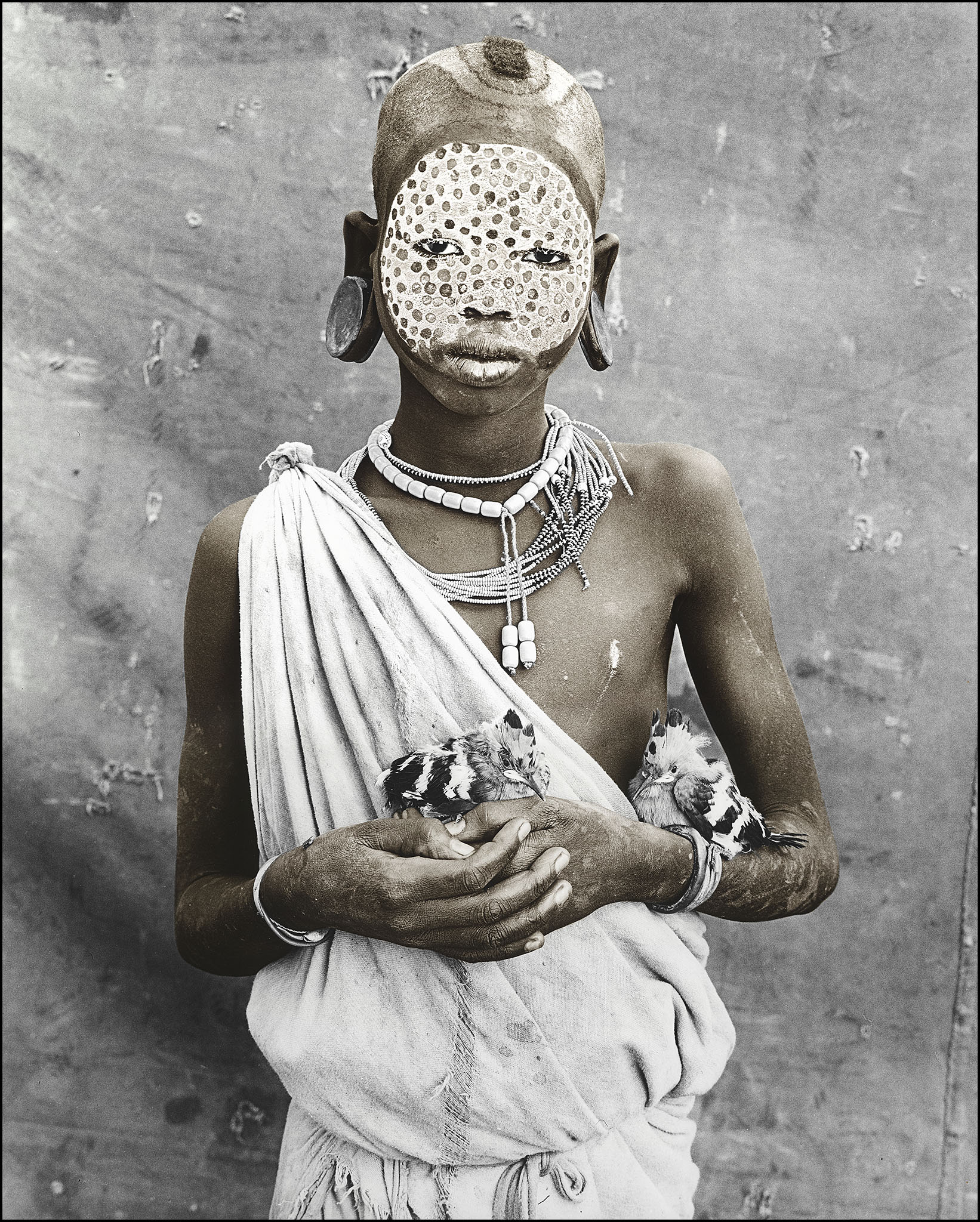
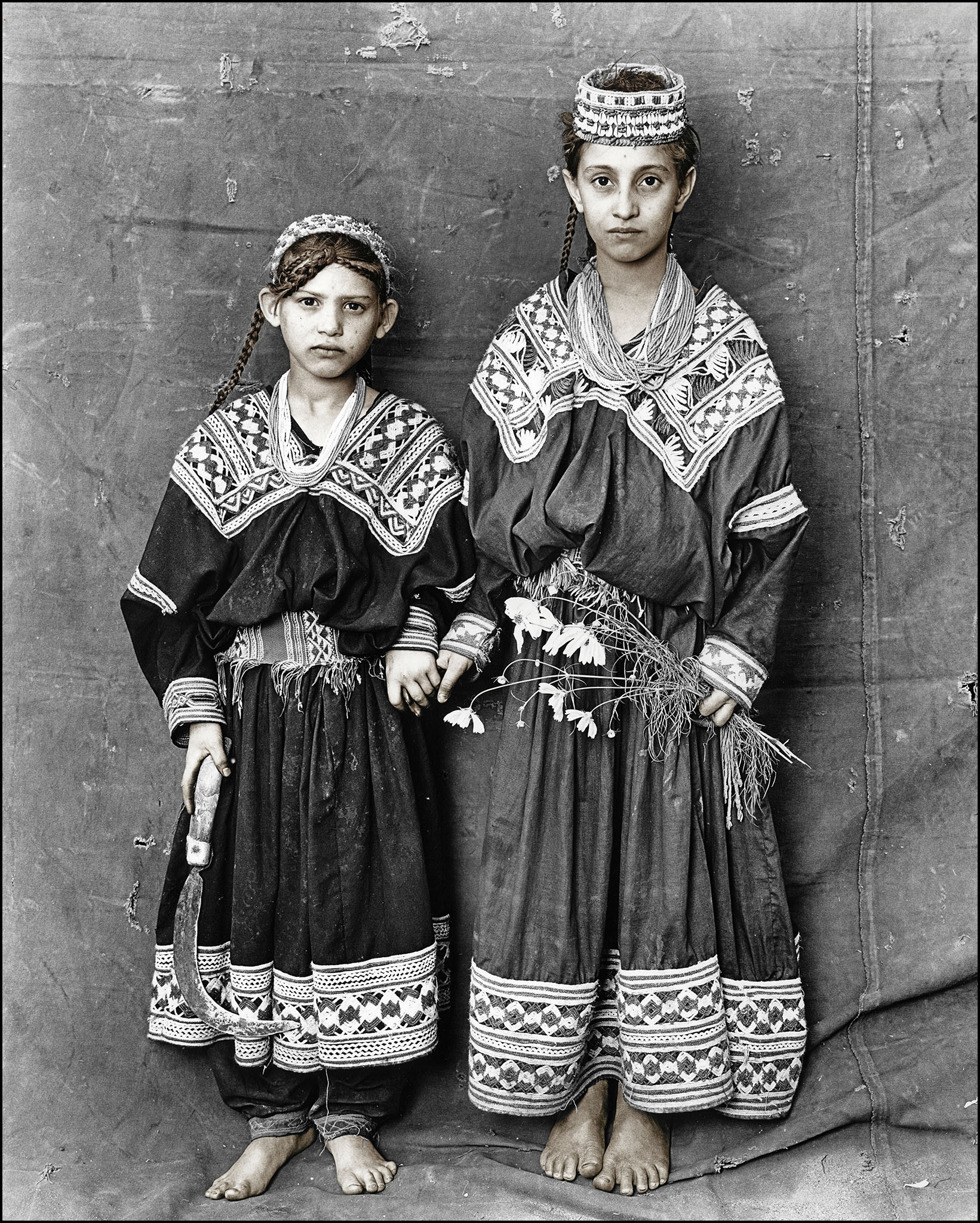
Essence is a series of portrait photographs by German fine art photographer Jan C Schlegel, marking the beginning of his exploration of portraiture and establishing his entry into the art market.
Created using large format film, the works focus on the encounter between photographer and subject—where the image emerges from a shared presence rather than a constructed idea.
These early works laid the foundation for a practice that continues to develop across later series. The portrait is not approached as representation, but as a process of revealing—something that unfolds between both sides of the camera.
The series reflects a search for what remains when surface and expectation fall away. What becomes visible is not character in a descriptive sense, but a quieter form of presence—something less defined, yet more essential.
Essence occupies a central place within the artist’s body of work. It introduces key ideas that continue to shape later series, including the understanding of the portrait as a relational act rather than an isolated image.
The exploration of portraiture continues in later series, where the focus shifts from presence to abstraction (Liebkosungen) and, ultimately, to relationship (Shalimar).
Available as limited edition single prints 50 ×60 cm, 64 ×77 cm and 104 × 125 cm.
Presented at leading international art fairs, including Paris Photo, AIPAD New York, and Photo London.
Essence
noun . es·sence . \ˈe-sən(t)s\
Essence is the attribute or set of attributes that make an entity or substance what it fundamentally is, and which it has by necessity, and which without it loses its identity.
Handmade silver gelatin prints, selective toned. Limited Edition.
INTRODUCTION BY RUBÉN MENDOZA
(Rubén G. Mendoza, PhD, CSU Monterey Bay, USA. Anthropologist)
As an anthropologist I have devoted myself to exploring the cultural landscapes of the American Hemisphere on a quest to recover my American Indian heritage. As a photographer I seek the spirit of the elders through the art of the imaginary. In recent years, however, I have been jolted from complacency by the extent to which globalization has wrecked the traditions, peoples, and places of the human condition, and thereby, the collective memory I have so long sought to capture through the eyes of the ancestors. It is from within this juggernaut of globalization that a new phoenix has arisen from the ashes into the light through the art, vision, and humanity of photographer Jan C. Schlegel of Nuremberg, Germany.
In recent years, I have become increasingly drawn to those forms of art and photography that speak to me from beyond the veil that so often shrouds the extraordinary. Some years ago I was drawn to a particularly unique collection of richly detailed and selenium-toned images of the tribal peoples of Africa and Eurasia. Whereas the anthropologist in me was instantaneously captivated by the enigmatic cultural narratives of the peoples depicted, the photographer in me soon recognized the commanding and relentless personal vision of a master photographer of the human experience. At that time, I could not have known that our paths would cross, and I would have the opportunity to know artist, adventurer, and photographer Jan C. Schlegel. In order to more fully comprehend the origins and significance of this extraordinary collection of unforgettable traces, it is first essential that we explore the origins of that quintessential inspiration that drives the man behind the camera.
Jan was born in the Black Forest of southern Germany on 13 September 1965. Jan’s youth was spent on Lake Constance, or Bodensee,where he underwent an apprenticeship in photography that changed the course of his life. First drawn to photography at the age of 12, his initial interests were with the technical side of the photographic process. By age 14, Jan devoted himself to his darkroom, fascinated by the apparition of the photographic image from trays of chemistry, light, and silver alone. In those days, Jan was transfixed on perfecting the technical processes entailed, but it was not then that he discovered the creative soul that today fuels his work. That would be left to winning an Agfa photography competition that led to a transcendent encounter with master photographer Walter Schels. It was there on Lake Constance that Jan’s apprenticeship began by way of a portrait seminar with the formidable creativity of Schels. At age 19, Jan was absolutely inspired by the power and the passion of that portraiture to which he was introduced at so pivotal a moment in the young photographer’s life. Jan acknowledges the significant impact of that time by noting that Schels was very passionate and absolutely driven, and it was made apparent that passion was synonymous with excellence. The young Schlegel was soon filled with an ardent desire and passion to produce truly powerful images that communicated the depth, individuality, and diversity of the human condition.
Immersing himself in portraiture, Jan was drawn to the works of prolific American fashion photographers Irving Penn and Richard Avedon, both celebrated for producing richly nuanced black and white portraits and still lifes through depictions of the fashion world, not to mention the common man and woman, which continue to resonate with and define the world of photography. Such were the inspirations for Schlegel’s own works, which resonate with Penn and Avedon’s artistic depth through the production of powerful black and white portraits of the diverse peoples and cultures that populate the landscapes of the human experience. For Schlegel, Penn’s photography of tribal and ethnic groups, and Avedon’s remarkable ability to transform the ordinary into the extraordinary, aligns with his own pursuits for documenting traditions and peoples beset by the corrosive effects of globalization and colonialism.
When I first met Jan Schlegel at San Francisco International Airport on 18 July 2015, I was immediately struck by the energy and determination in his eyes. En route to a Hippie commune in northern California for the purposes of producing images for a current project titled The Tribes of our Generation, Jan spoke excitedly about the people that he sought to engage and photograph on that trip through northern California. With over 60 countries and innumerable photography excursions under his belt, it was clear from the outset that Jan was among the most adventurous and seasoned travelers and photographers I had ever had the privilege to meet. Like his mentor, he was driven, passionate, and meticulous, but unlike his mentors, he bore the unmistakable hallmarks of a kindred soul, messianic visionary, and this by virtue of having maintained a presence of mind determined to push the envelope of photography in a quest to document the Other. His objective remains to capture the essential spirit and primordial essence of the tribal peoples and cultures whose very lifeways are increasingly threatened by the insidious encroachment of the modern world. Since our initial encounter, I have frequently sought to share Jan’s work with fellow anthropologists, photographers, and environmentalists in an effort to gauge their respective reactions to such extraordinary imagery. All have proven awestruck and mesmerized by a connection with the majestic beauty of the peoples and cultures depicted. And so it was that the opportunity to more fully know this kindred spirit was ultimately realized.
The images represented in this portfolio span but a cross-section of the many nations, cultures, and villages that Jan has envisioned through travel, photography, and communion with the Other. This collection as such selectively represents such diverse traditions as the Turkanaand Rendilletribes and villagers of northern and eastern Kenya, the Mursi, Suri, Ebore, Hamar, and Karaof southern Ethiopia and the Omo River Valley, Pokotand Massaiof Kenya, Beduineof Egypt and the Libyan Desert, Tauregof Algeria, Himbaof Namibia, Hazarof Afghanistan, Nuristanof the Hindu Kush, and Kalashiand Pashtunof Pakistan. In each instance, globalization, political and economic upheaval, religious wars, human trafficking, militarization, HIV, alcoholism, drug addiction, and the consequences of living in the shadow of conflict zones continue to exact a tragic human toll.
In an interview conducted with Jan in Nuremberg, on 8 January 2016, I was afforded a firsthand glimpse into the life of this prodigious and formidable photographic talent. To that end, the anthropologist in me sought to understand how it was that this man from the Black Forest of Germany could connect so thoroughly and spiritually with such diverse peoples as Ethiopian warriors, Taliban fighters, Nigerian warlords, and armed African vigilantes. Ironically, it was Jan’s description of a frightening encounter with an African predator that most decisively bolstered my understanding of his approach to life and the world of photography. During one such expedition into the wilds of Africa, Jan was awakened by a strong smell while lying within his tent, and upon turning his head, found himself peering straight into the eyes of a leopard. Jan stared unflinchingly into the eyes of the leopard, and the leopard stared intently back, only to return to the darkness of the forest.
Unlike his many such encounters, Jan’s approach seeks to represent the beauty, dignity, pride, and hope of a people who both live and cherish ancient traditions and cultures. As such, Jan often spends weeks embedded in remote villages and communities, living, eating, sleeping, and working side by side with his subjects as he comes to know them by virtue of his and their deeds and actions. This communion with his fellow human beings has proven essential to his photography. Bonding with his subjects has always been a fundamental need, and as such, Jan has always been prepared to forego photography so as to commune with those whose portraits constitute his growing portfolio. With the utmost respect for the elders, Jan often defers photographing them until the end of any given shoot, so as to permit them to maintain a respectful distance as others come forward to meet the photographer and his camera. Schlegel is absolutely committed to capturing the spirit of each subject through studied contemplation of individuals, faces, clothing, ornamentation, and the eyes that echo the windows into the soul of a community. In this way, he seeks to honor the integrity, beauty, and dignity of the Other by evoking the indomitable spirit and tribal ethos of these surviving spirits of the forest and desert.
Using a handmade wooden Ebony (SV45 Ti) 4×5 field camera with a tack-sharp Schneider 150mm APO f5.6 Super Symmar XL lens, grey canvas backdrop, and Profotoportable flash system outfitted with a 90cm softbox, Jan and his team capture the essence of a community through portraiture produced in some of the most remote and inhospitable regions imaginable. To that end, Jan awaits that moment of connection, when the eye of the photographer meets the eye of the subject such that the transcendence and intensity of that moment conjures a connection. It is in that moment that Jan communes with his subject, and thereby, accentuates the beauty, dignity, pride, and spirituality of a people through the unforgettable traces of a shared human community. So as to assure that he honors the very people and traditions encountered in the field, and the villages and nations of his travels, Jan seldom carries more than 100 individual 4x5 sheets of Kodak Tmax 400negative film on any given photographic expedition, and in so doing is limited to approaching his subjects knowing that every shot must count. In setting the stage for the photographic moment, Jan often spends days and weeks observing potential subjects in the marketplace and from within their villages. Only then does Jan request permission to photograph those he has come to know. Jan acquaints them with his protocol by way of first shooting Polaroids, or by triggering his cable release sans sheet film, only to load the camera when he and his subject have made that connection discerned through peering intently and introspectively into one another’s eyes. At that moment, Jan captures through minute details, textures, scars, imperfections, and via an abiding intimacy and intensity, the human element he seeks.
Jan refrains from digital manipulation or editing of any kind, and the selective toning process that he has developed is unique to his work. The many safeguards, and those risks undertaken to assure the honesty and integrity of these images of a vanishing way of life, are rewarded by way of the transcendent detail, and richly toned and textured manifestations of light and dark that constitute the work of this master of the medium. In the final analysis, there is no doubt that the collective works of artist, adventurer, and humanist Jan C. Schlegel constitute one of the most significant contributions presently available to document the vanishing traditions and marginalized peoples of a world in the throes of global conflict and cultural erasure.