
Of Fear and Death – Platinum Print Photographs
A sustained investigation into primal perception, where the image becomes a site of confrontation between instinct, projection, and controlled observation.
Major Work, 2022

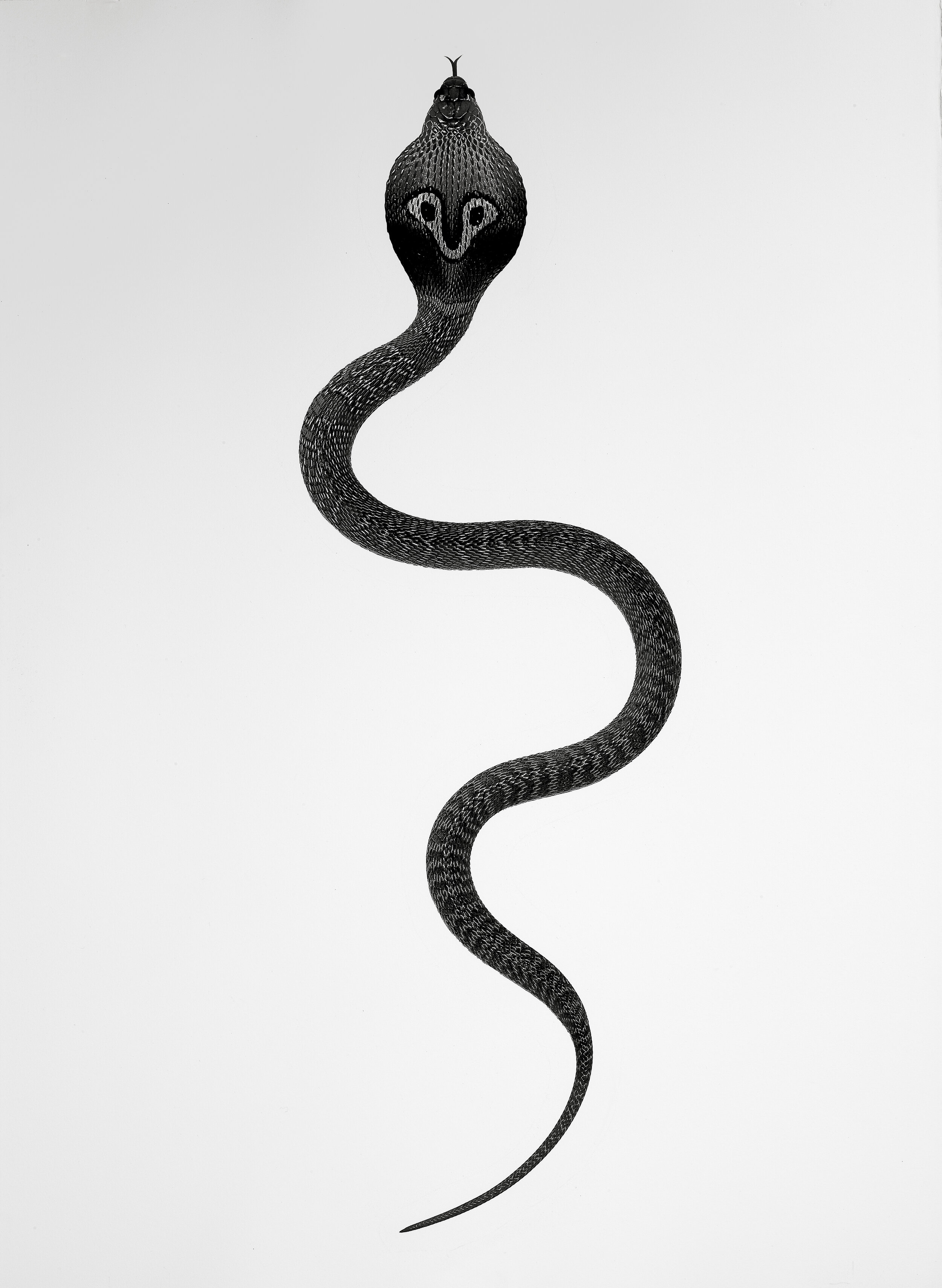
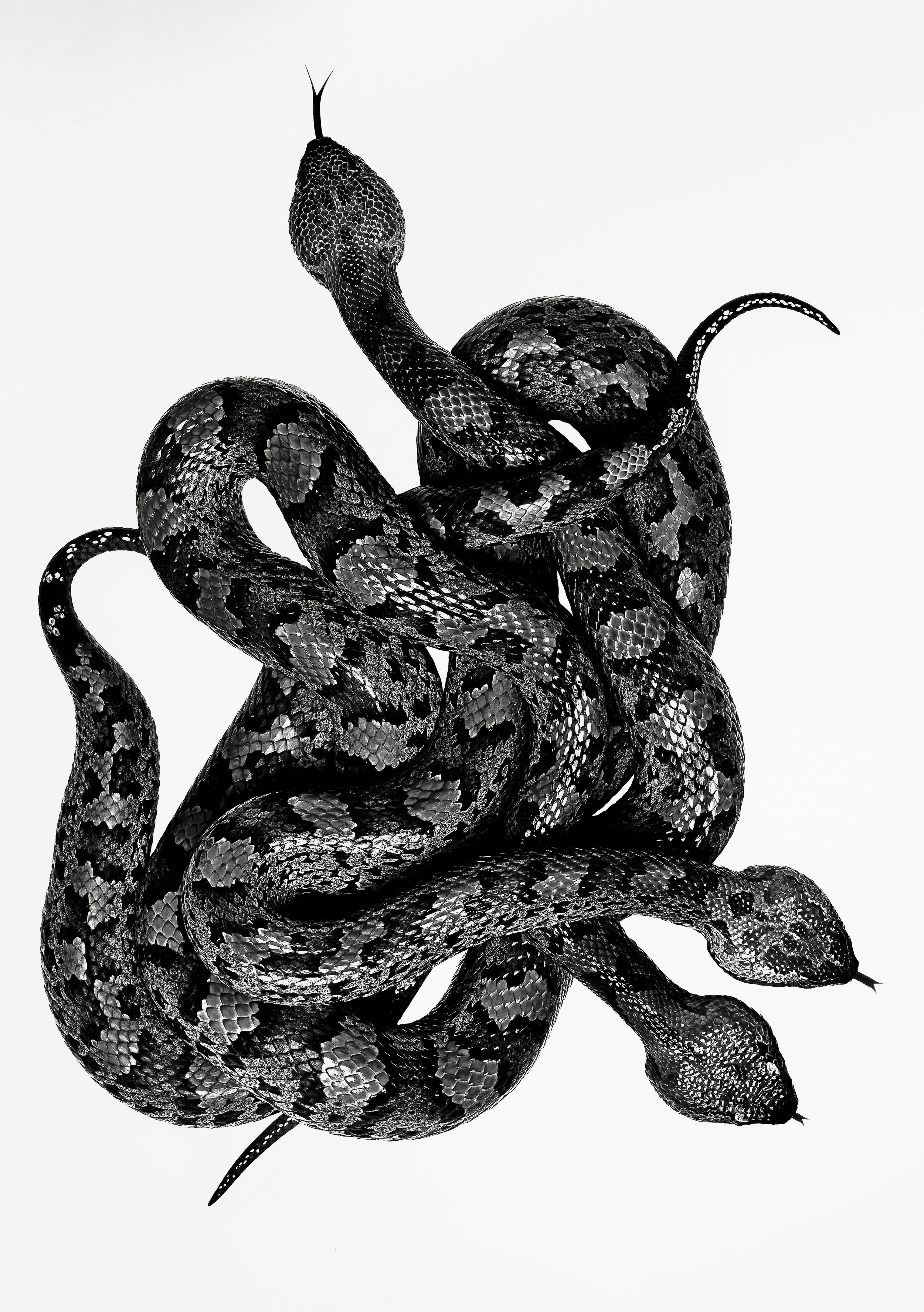

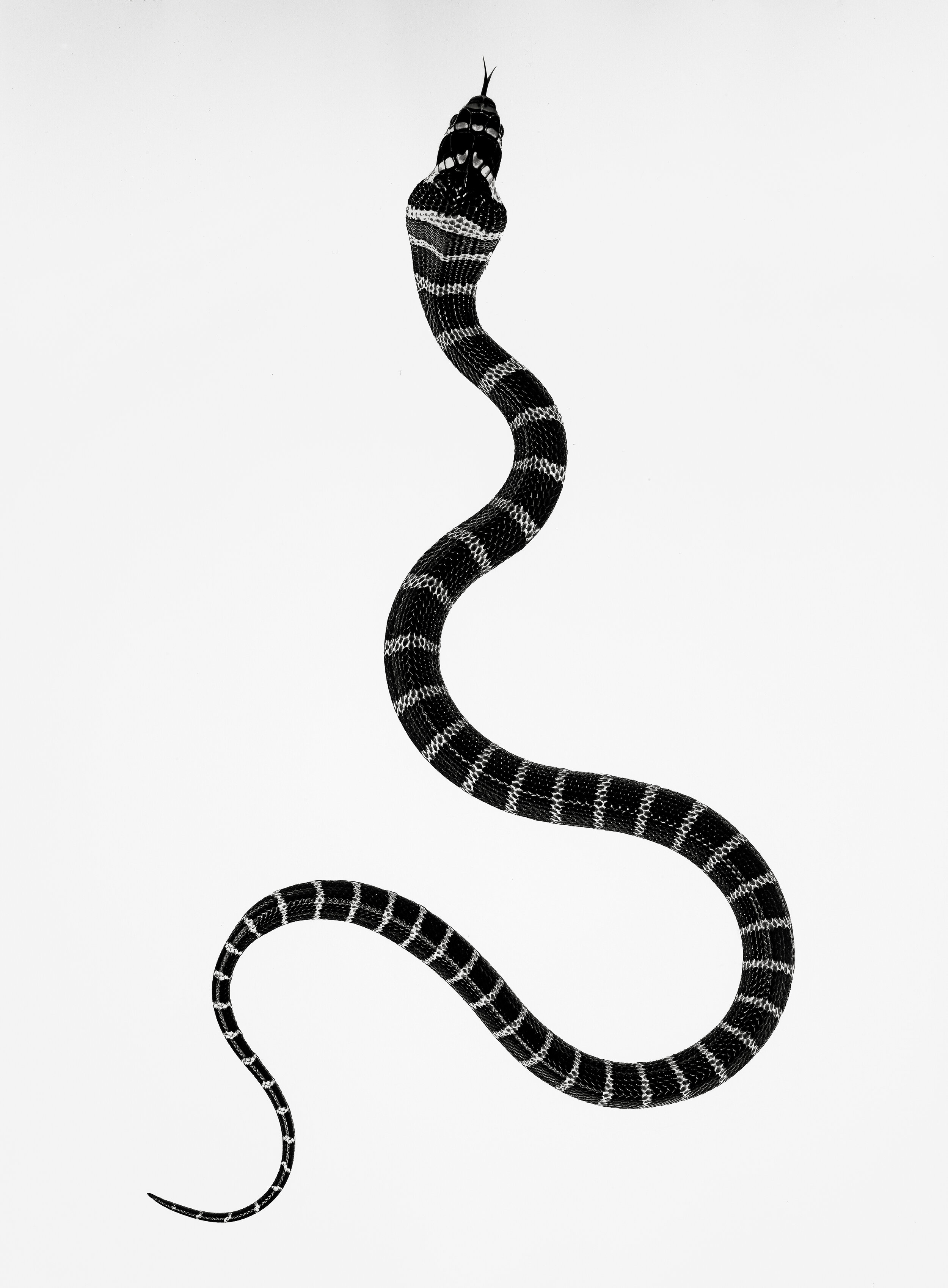
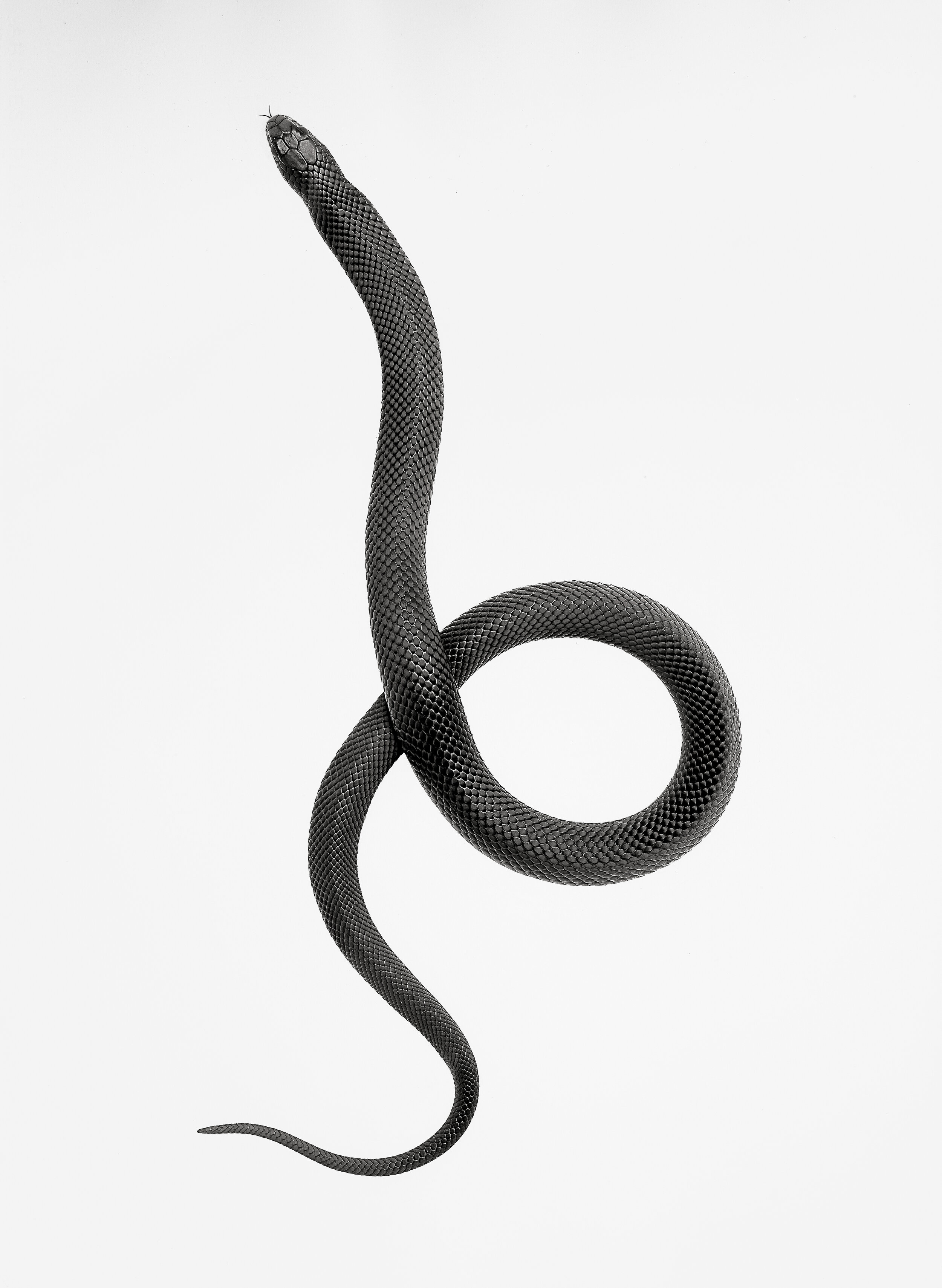
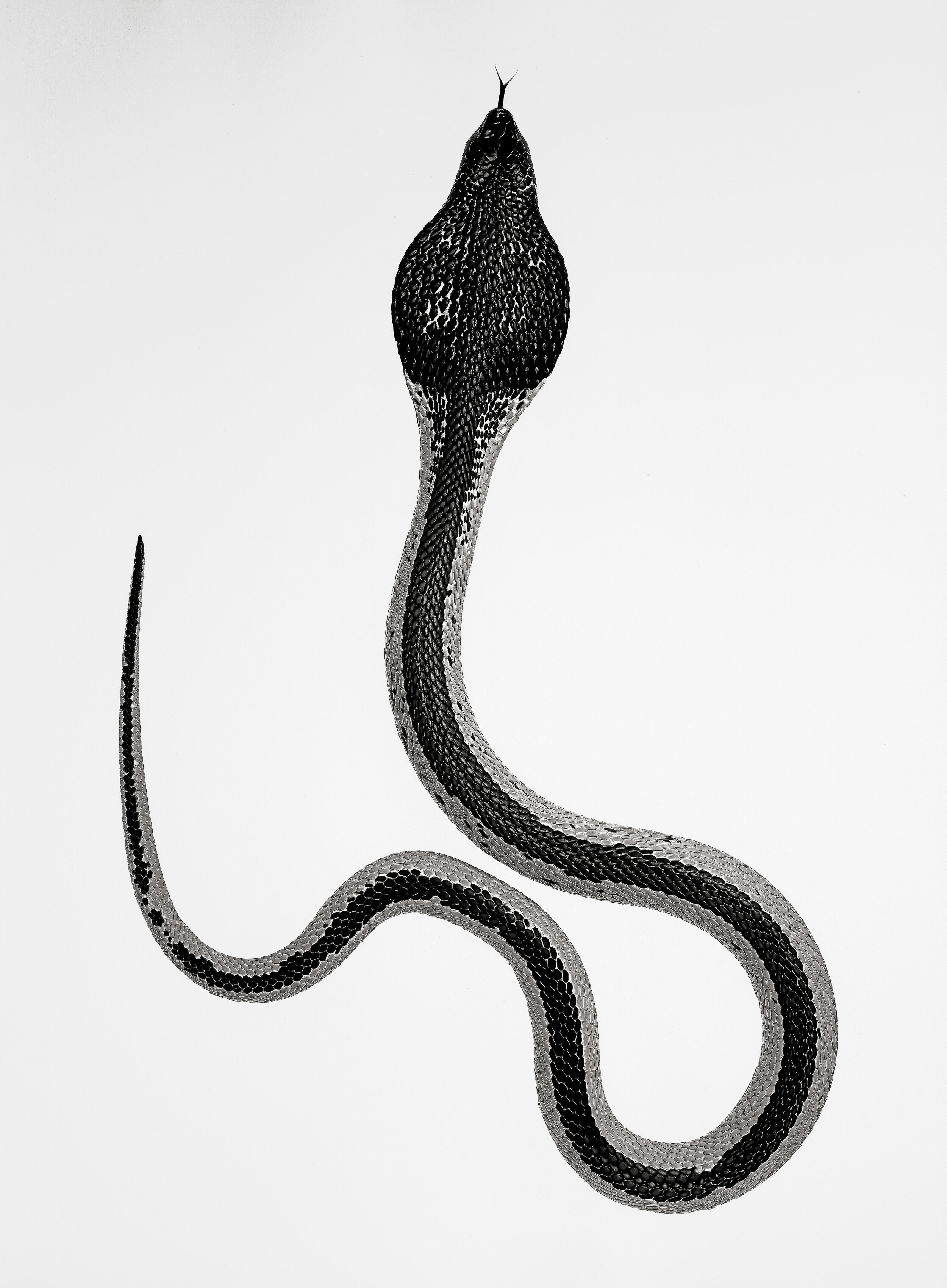
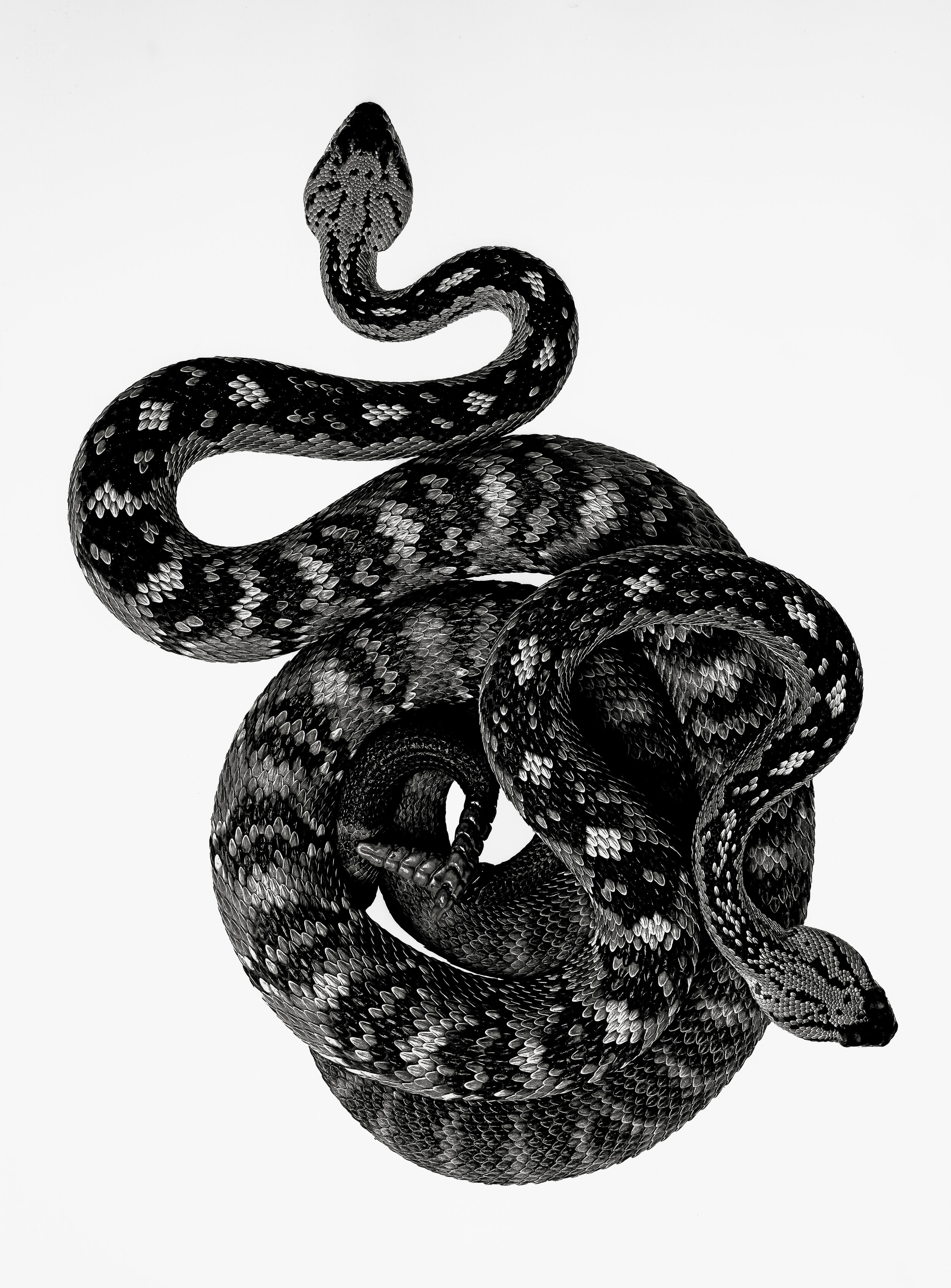


Of Fear and Death – Platinum Print Photographs
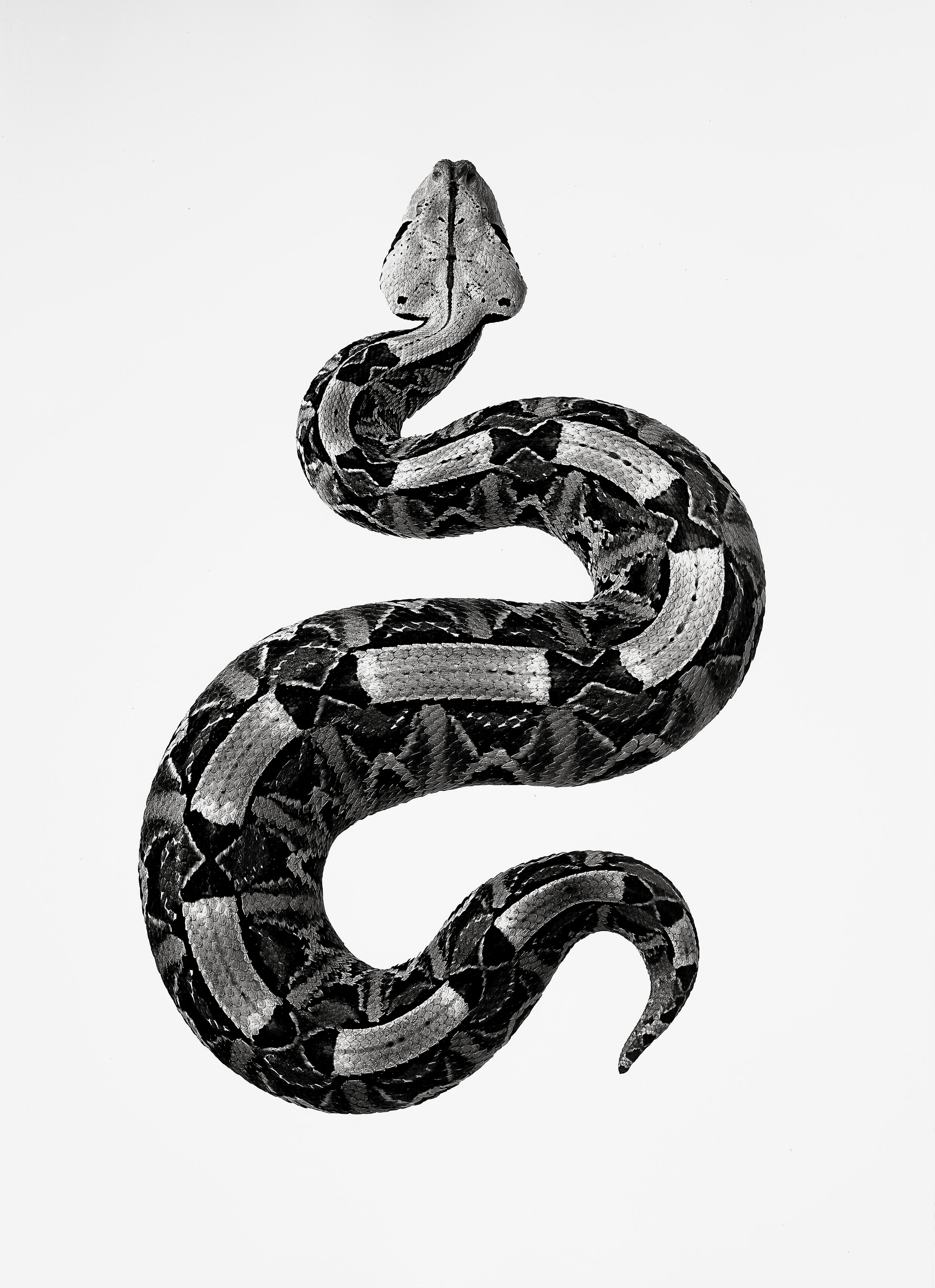
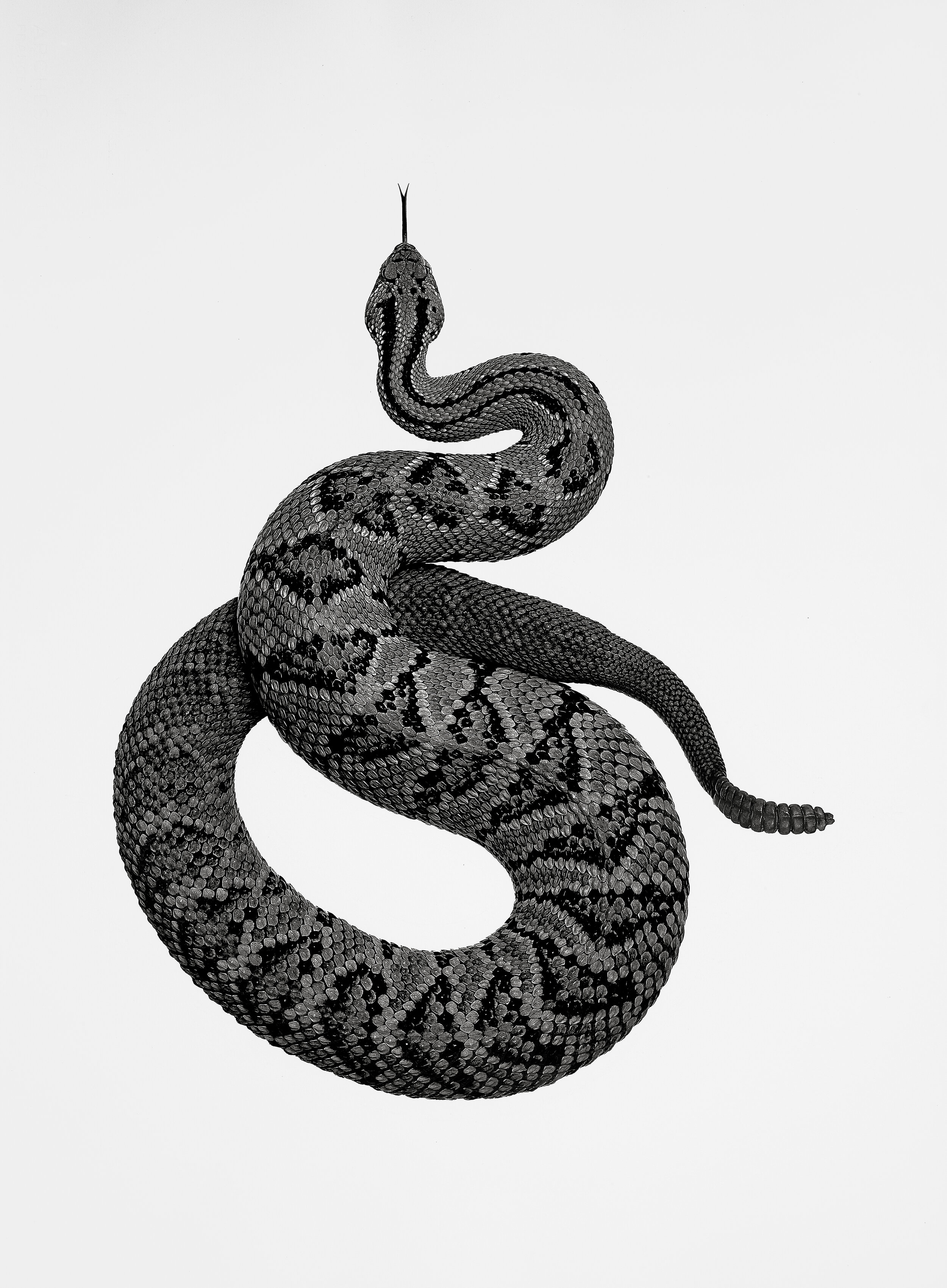
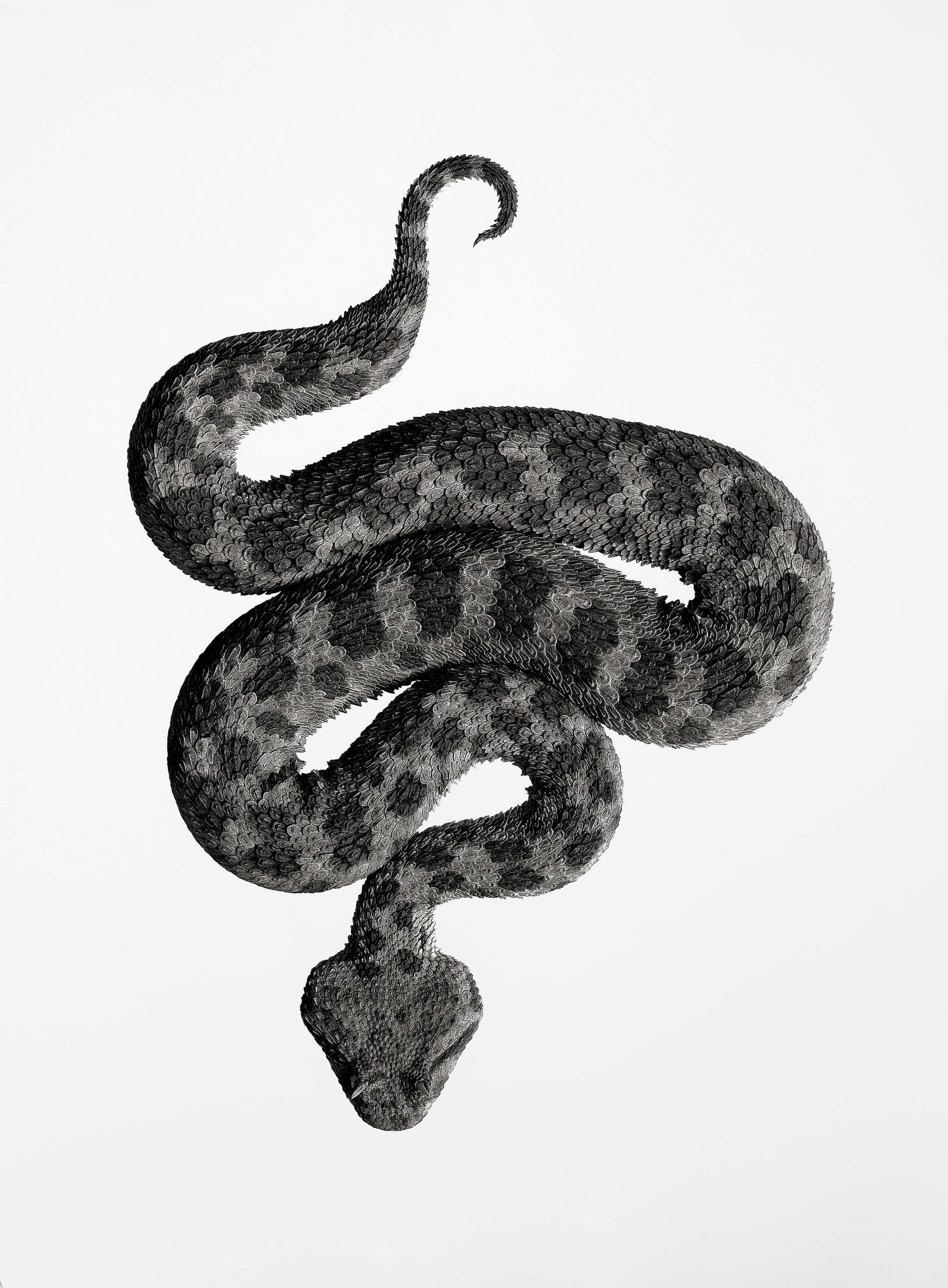
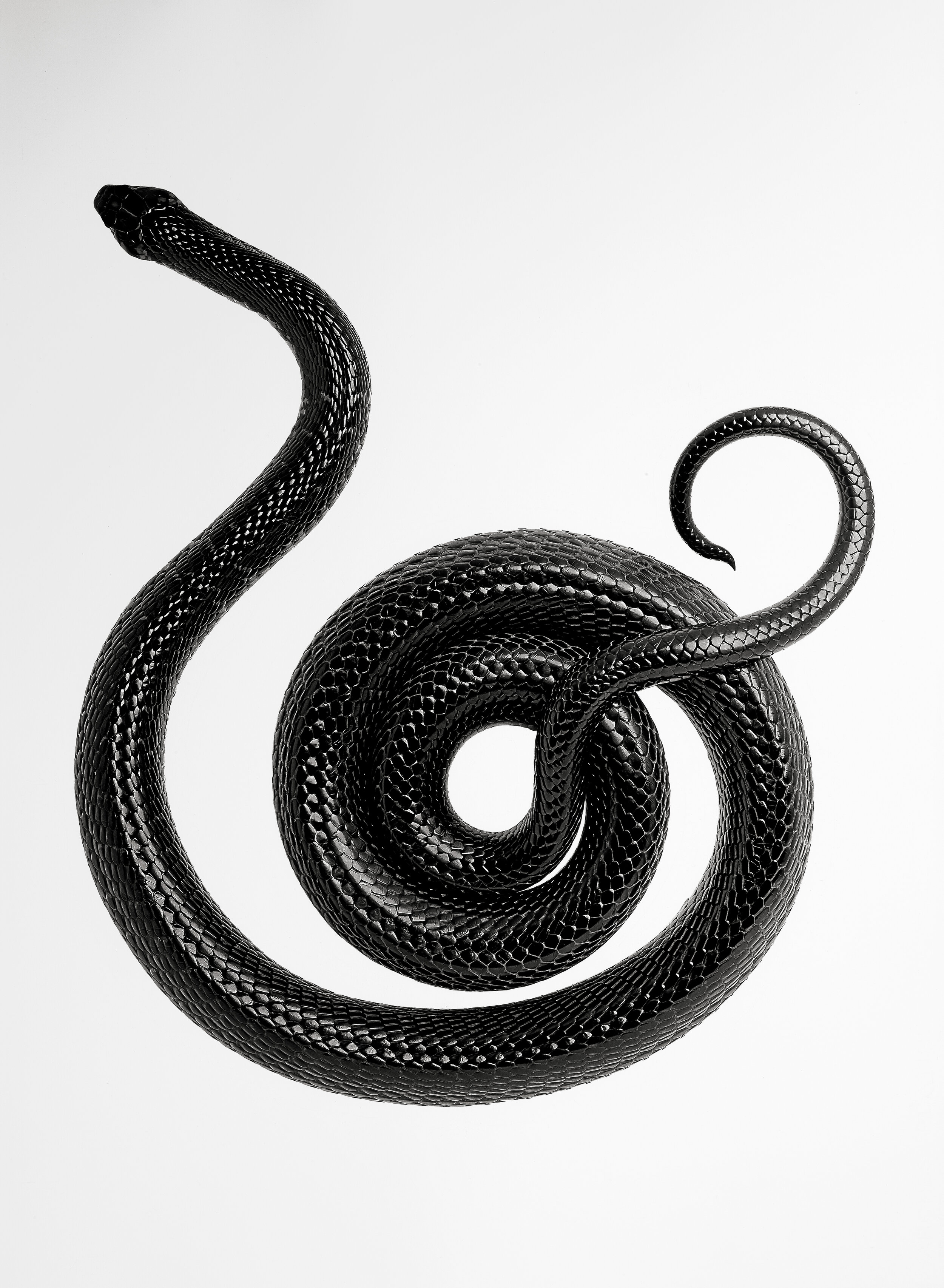
Of Fear and Death is a series of handmade platinum print photographs by German fine art photographer Jan C Schlegel. Created from large format film, the works reduce the presence of the snake to form, structure, and movement—detached from narrative and context.
The work is not about the animal, but about the condition it creates.
What remains is a state of tension. The images do not describe fear, but hold it in place. Each form appears controlled, yet unresolved—precise, but never fully stable.
The work is not about the animal, but about the condition it produces. Suspended between attraction and distance, the encounter remains open, without resolution.
Each work is produced as a handmade platinum print, known for its depth, tonal precision, and permanence, and released in strictly limited editions.
Available as limited edition single prints in sizes of 56 × 76 cm and 40 × 50 cm.
Of Fear and death
Introduction by Olesya Spashchanskaya, July 2021
Over the centuries, evolutionary survival has created many fears in humans. Some of them date back to antiquity, currently existing only on a subconscious level, having been suckled in alongside mother‘s milk. Others are the result of personal negative experiences, either one‘s own or that of a loved one. Fear as the basis of the self-preservation instinct is an integral part of our existence; it facilitates human survival and the continuation of life. The dynamics of existence create stress in humans and lead to the development of new phobias. The Primordial Fears, however, which can be traced to our earliest ancestors, are directly connected to death, and most often cannot be erased from our collective consciousness.
Such fears are passed down from generation to generation in the form of fables, legends, myths, and folk tales. Herpetophobia (a type of zoophobia, a fear of snakes) is a particularly widespread phenomenon.
Snake cults have been plentiful through the history of mankind. Various nations have idolized them throughout different historical periods. This is only natural: these cold-blooded reptiles are ubiquitous and pose a deadly threat.
As a rule, the snake has always been a symbol of frightening power, wisdom, death, and even revival (through shedding its skin, a sort of rebirth), inspiring fear, reverence, and admiration. It emerged in the mythologized consciousness of primitive society at a time when all creatures that looked “different” were endowed with mystical qualities.
Undoubtedly, these unusual creatures, having a scaled, flexible, and limbless body, inspired the greatest fear in people. They were thought to be chthonian animals, living in the bowels of the earth and guarding the netherworld. In ancient times, they became synonymous with death and were contrasted with the sun. Their covert lifestyle added to their aura of mystery. Over time, the image of the snake became more multiform: it symbolized not only destructive force but also creative power, the spirit of nature and of all that grows. Reptiles became an inseparable attribute of the gods of healing, and symbols of wisdom. In some mythologies, the coiled serpent was believed to be the keeper of the Cosmos, associated with the circle of life and cycling of events, and symbolized the endless chain of births and deaths. In Africa, it is thought to be the sign of immortality; in Greece, the sign of recovery; in India, it is sacred, and some myths ascribe to it the salvation of Buddha. In Christianity, the Serpent is not only responsible for the Fall of Man, but is also a symbol of Christ on the Tree of Life. In many cultures, snakes are a protective amulet. In Europe, they were revered in a solar cult.
Most modern people seem to have a negative attitude toward snakes, though the vast majority have never experienced contact of any kind with these reptiles. They are practically non-existent in some parts of our planet, and in many areas, there are utterly harmless snakes that pose no threat to human lives. However, every second person would certainly add snakes to the list of creatures which, in their opinion, are the most unpleasant.
The power of art can influence people‘s minds and hearts. German photographer Jan Schlegel‘s project titled “Of Fear and Death” prompts us to reconsider our fears by looking at their cause from the artist‘s perspective. The photos show the duality of being: we look at the most dangerous snakes in the world, yet have no fear or disgust. We can see what we would not pay attention to in real life: the smooth bends of the graceful bodies, as if covered with glistening scales made of steel. Snakeskin is very tough and always differs in thickness and structure. In fact, all reptiles have an intricate and unique pattern on their skin, which they use as camouflage to protect themselves and to stalk their prey. These intricacies can be seen in detail in Schlegel‘s hand crafted platinum prints. The snakes portrayed are venomous and pose a life-threatening danger to humans.
However, all we see is the unique beauty created by Nature, the best artist, as we enjoy it to the fullest, forgetting about the fear and anxiety.
The number of people studying snakes is decreasing progressively in the modern world. Experienced serpentologists point out that this is a very dangerous occupation, which cannot be studied to the fullest potential anywhere. Generally, this profession seems to decline from generation to generation.
Snake catchers and handlers never know how their next encounter with these unpredictable creatures will turn out.
The photo captures were not as simple as first imagined: a snake handled by the owner was placed into a specially prepared white box, and a tripod with a camera was placed strictly vertically over it without any protective glass. This risk was justified by Jan‘s wish to avoid distortions and show us a picture that would be as true and clear as possible. It was not easy to find snake owners who would give their consent to such a risky photo shoot of such dangerous creatures. As a result, the photos were made in Thailand, the Netherlands, the Czech Republic and Germany.
In total, photos of 35 snakes were taken, and 16 of them are presented in the series.
To insure accuracy and knowledge all of the snakes were venomous and dangerous. Each snake is an excellent representative of its native habitat: China, Australia, America, Africa, Thailand, Malaysia, and other places.
Of course, fear is a thing that protects people from potential threats. Yet, sometimes, blinded by our own emotions and prejudices, we are unable to notice the beauty around us, and it flies swiftly past us like a cobra‘s strike.
The “Of Fear and Death” series was created to seize the moment and see beauty in the things we are afraid of, and to overcome our anxiety.