
Shalimar – Albumen Prints
This series examines intimacy as a photographic condition, forming a cohesive body of work in which presence, distance, and projection remain unresolved.
Major Work, 2026
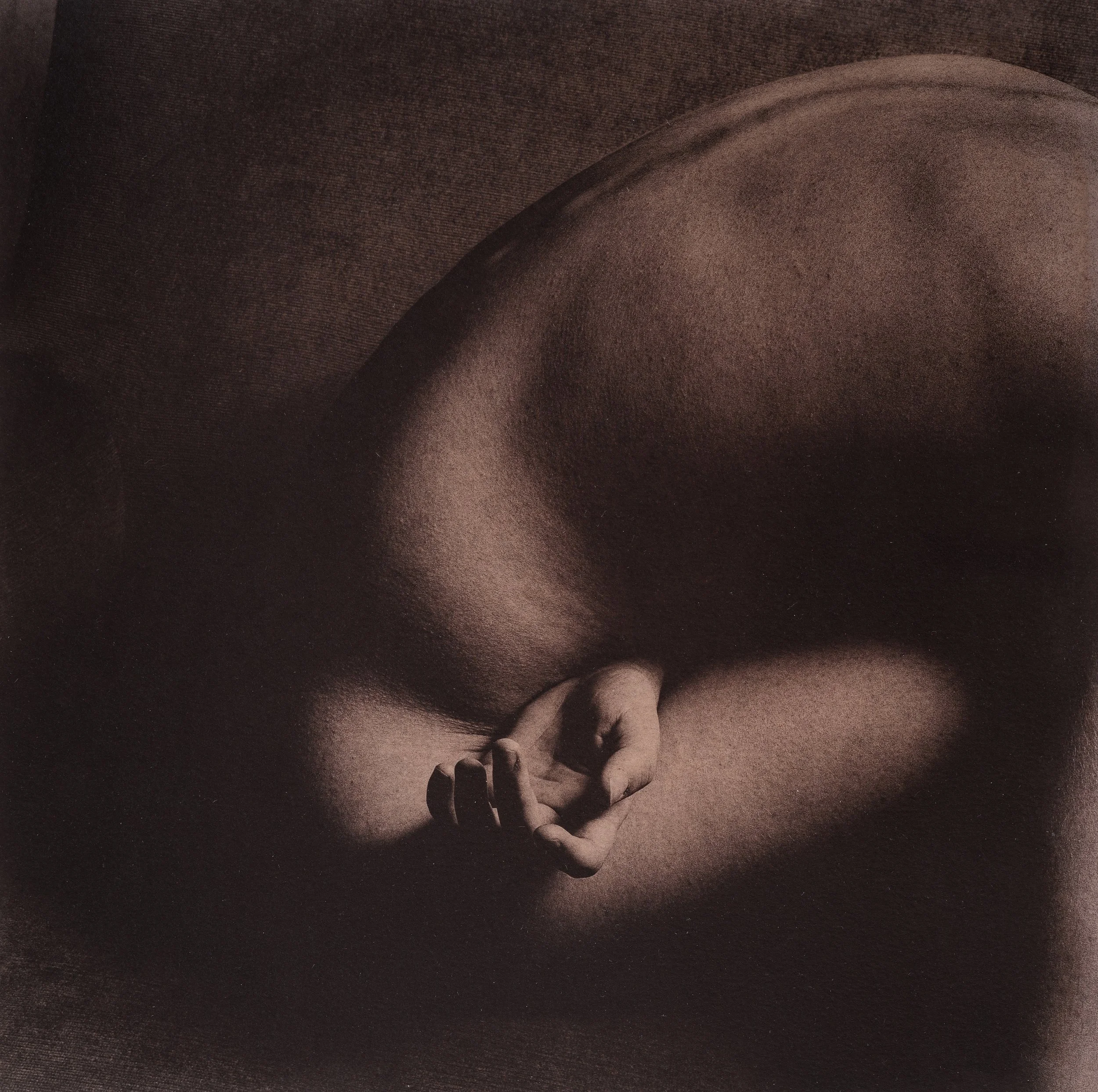
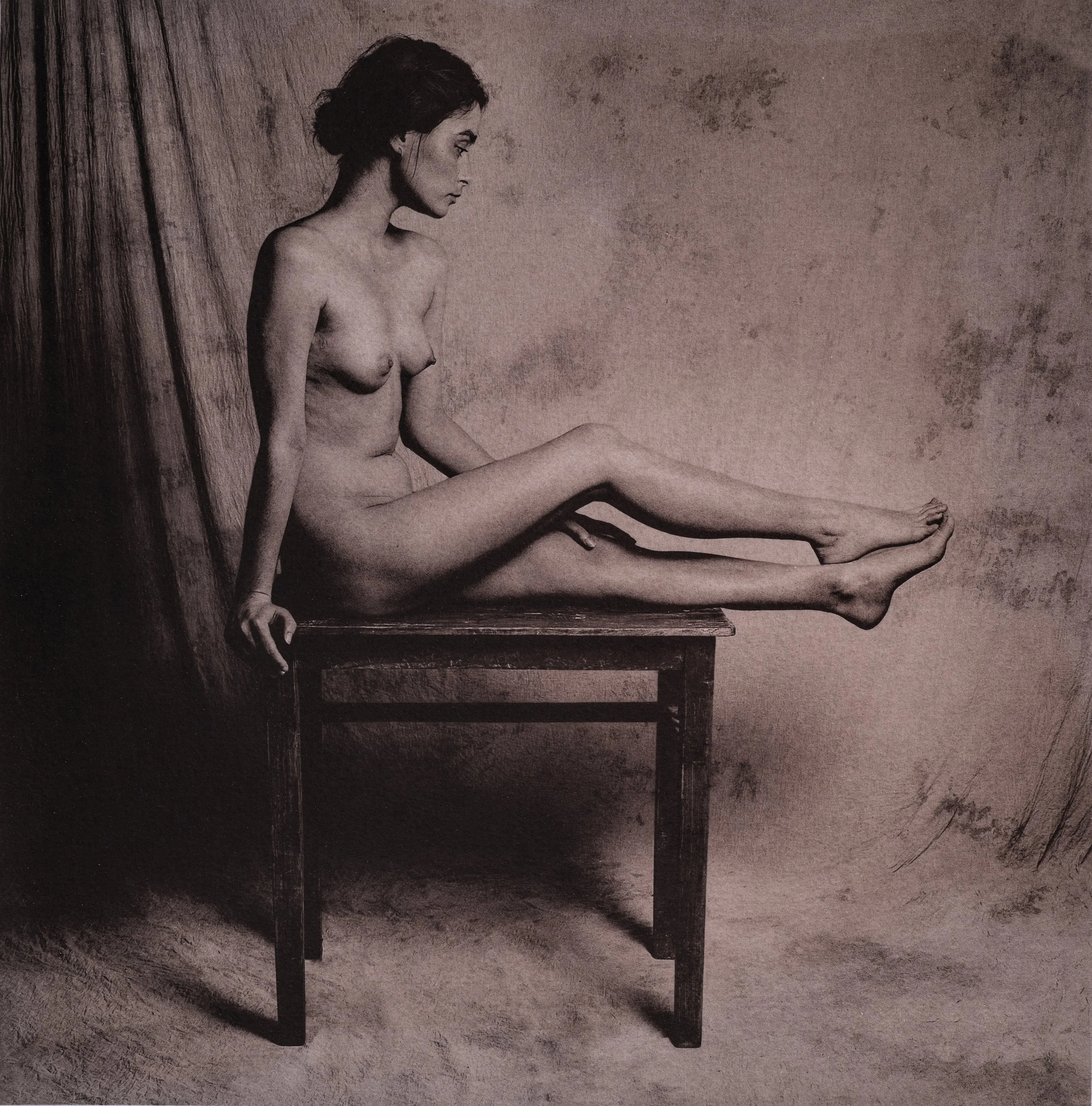
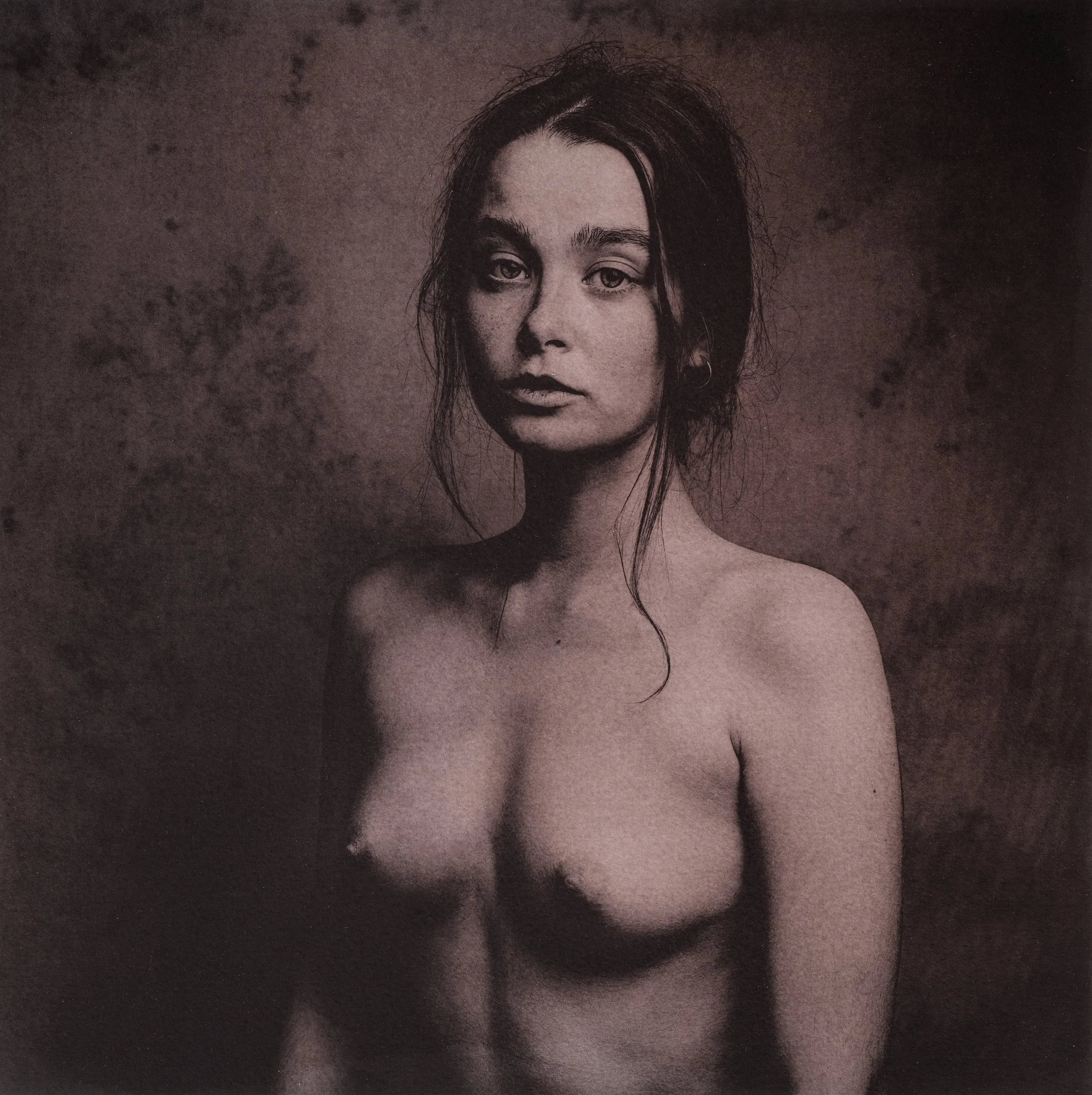

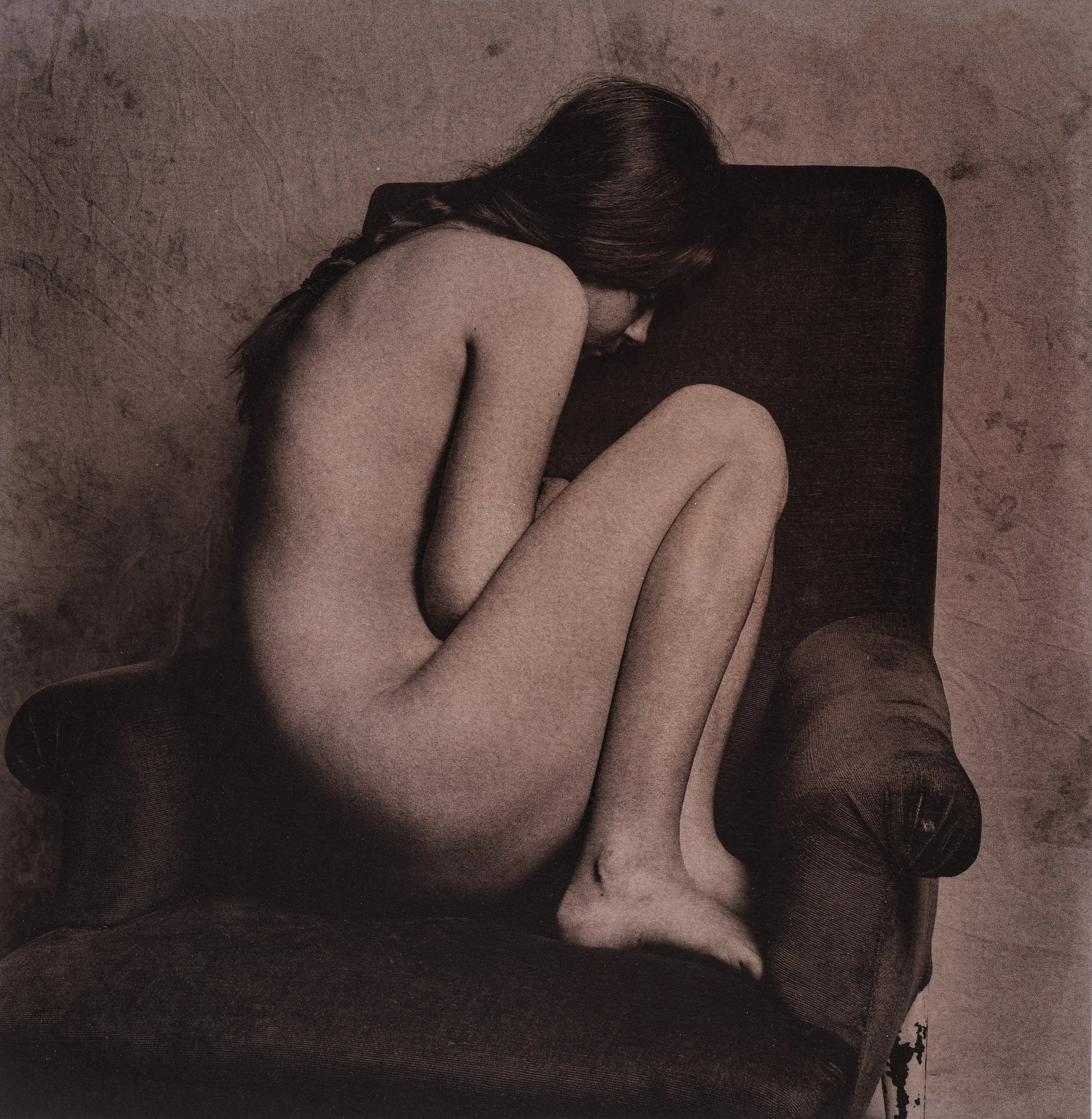
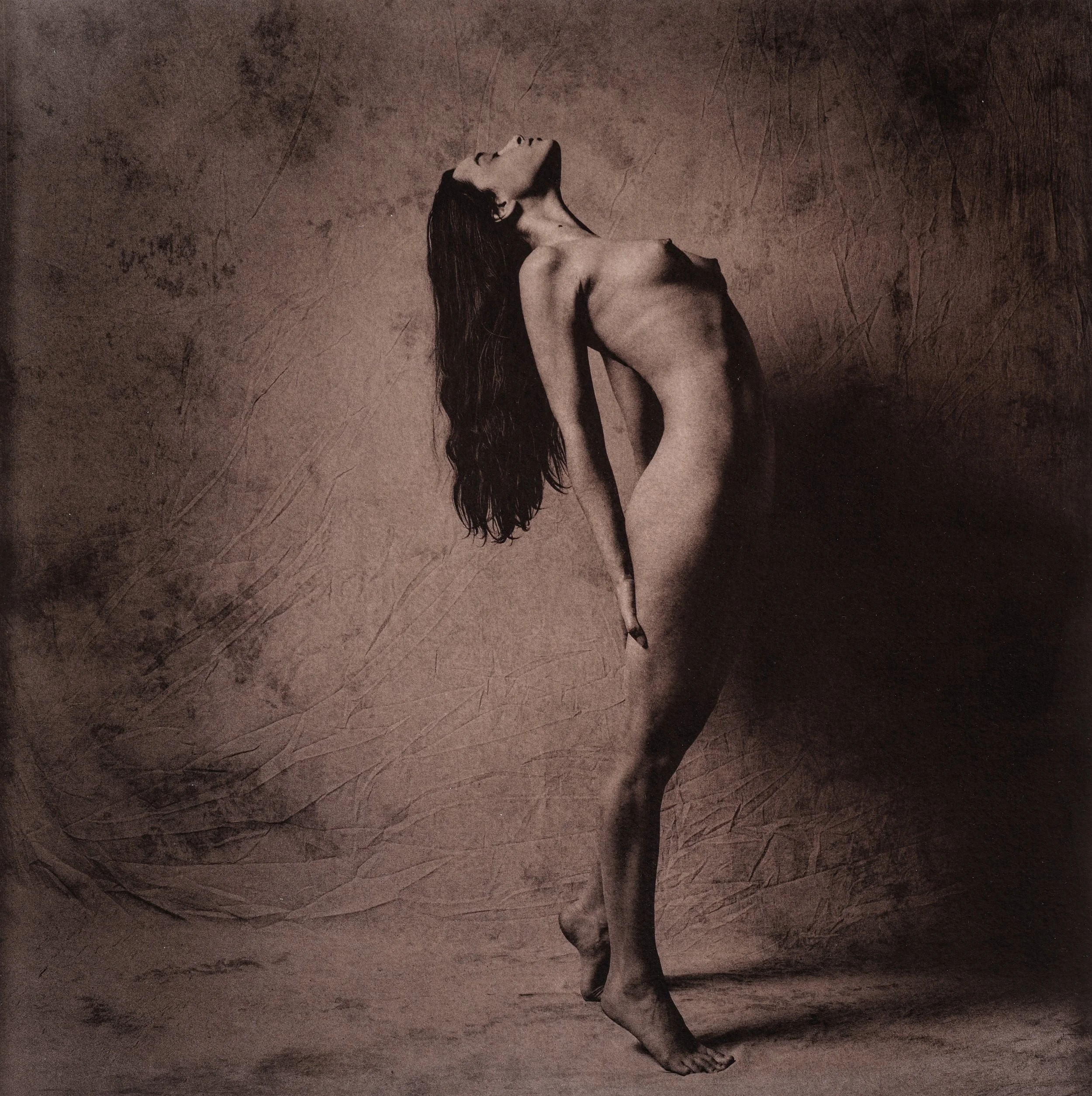
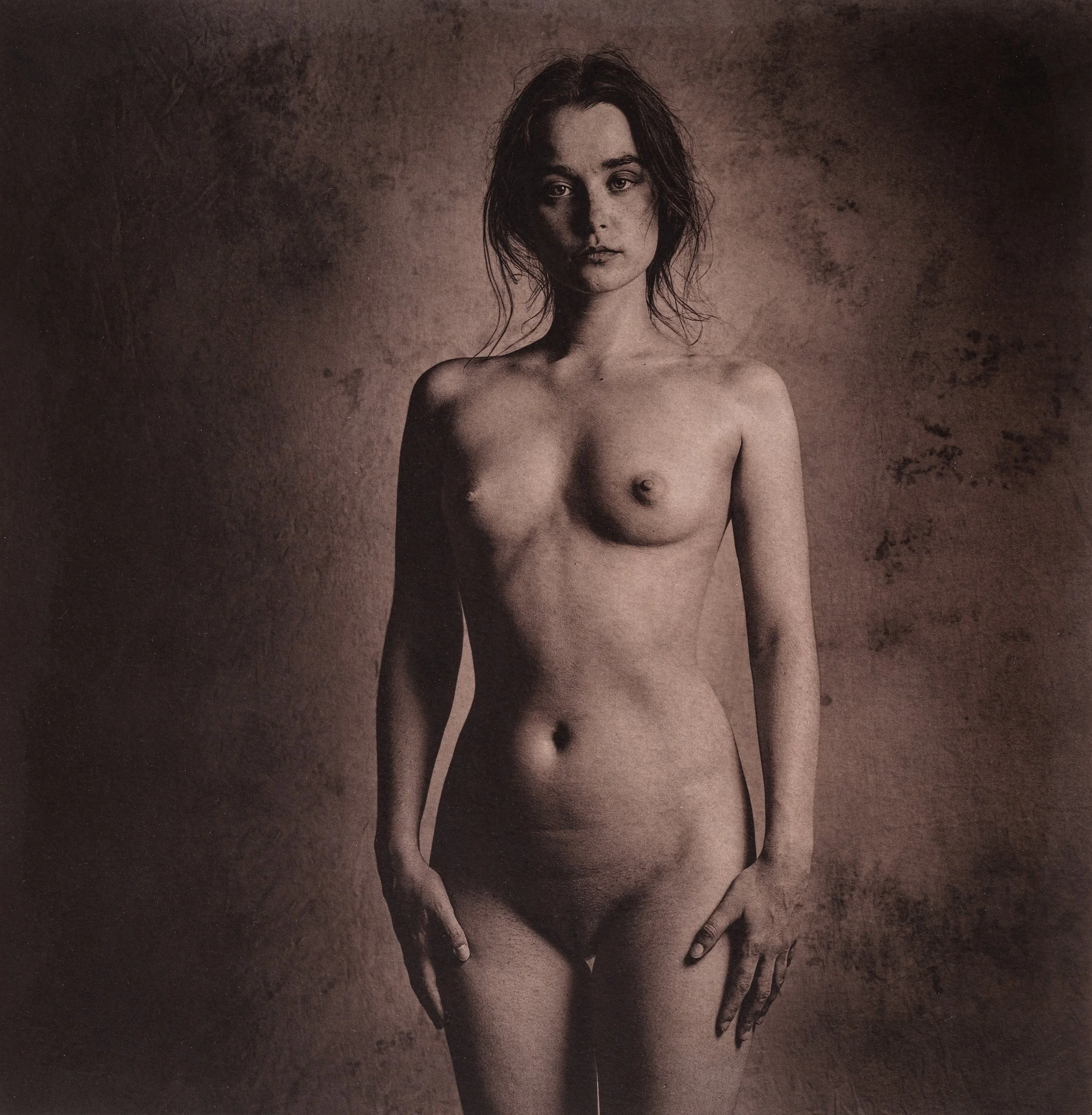
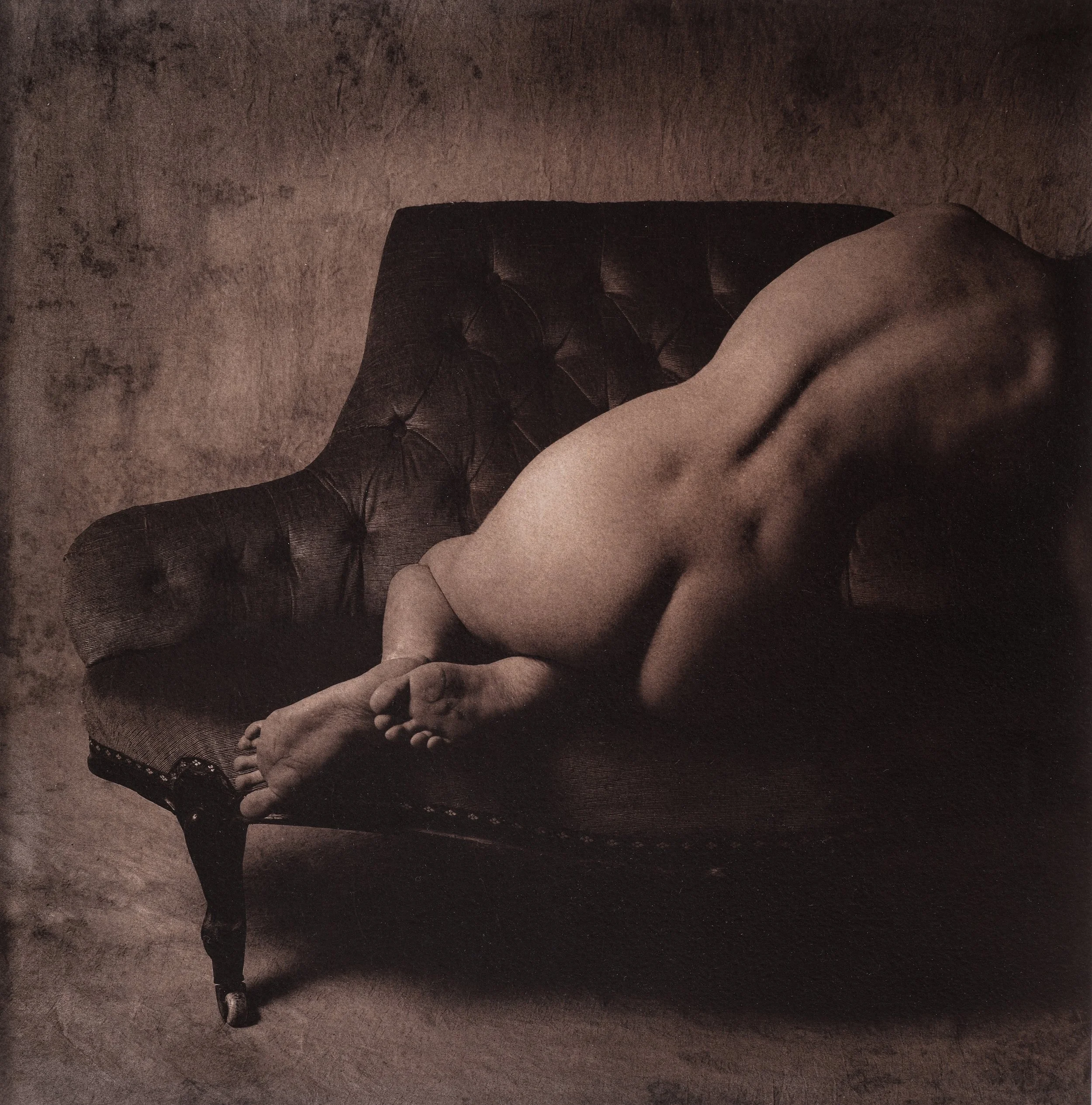
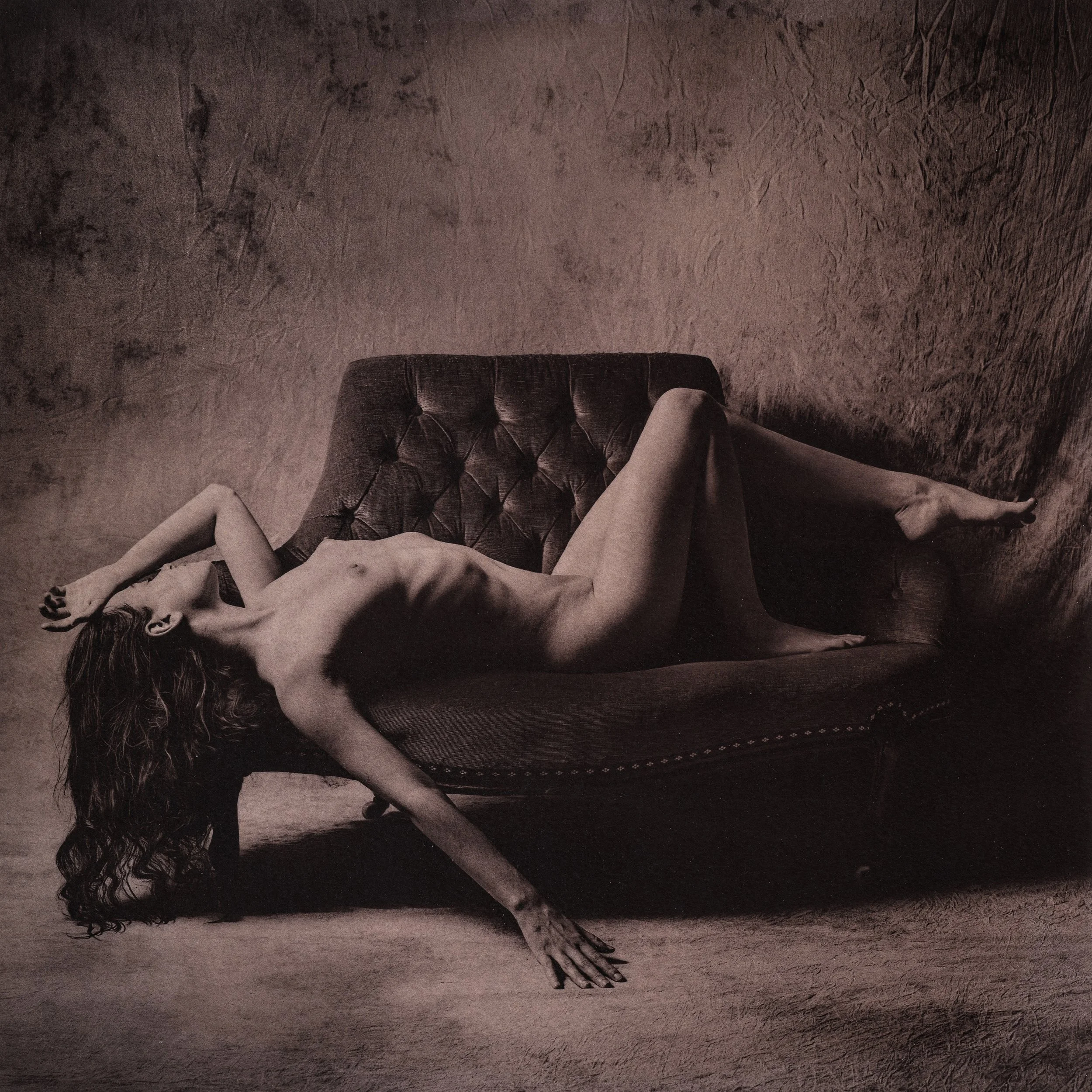
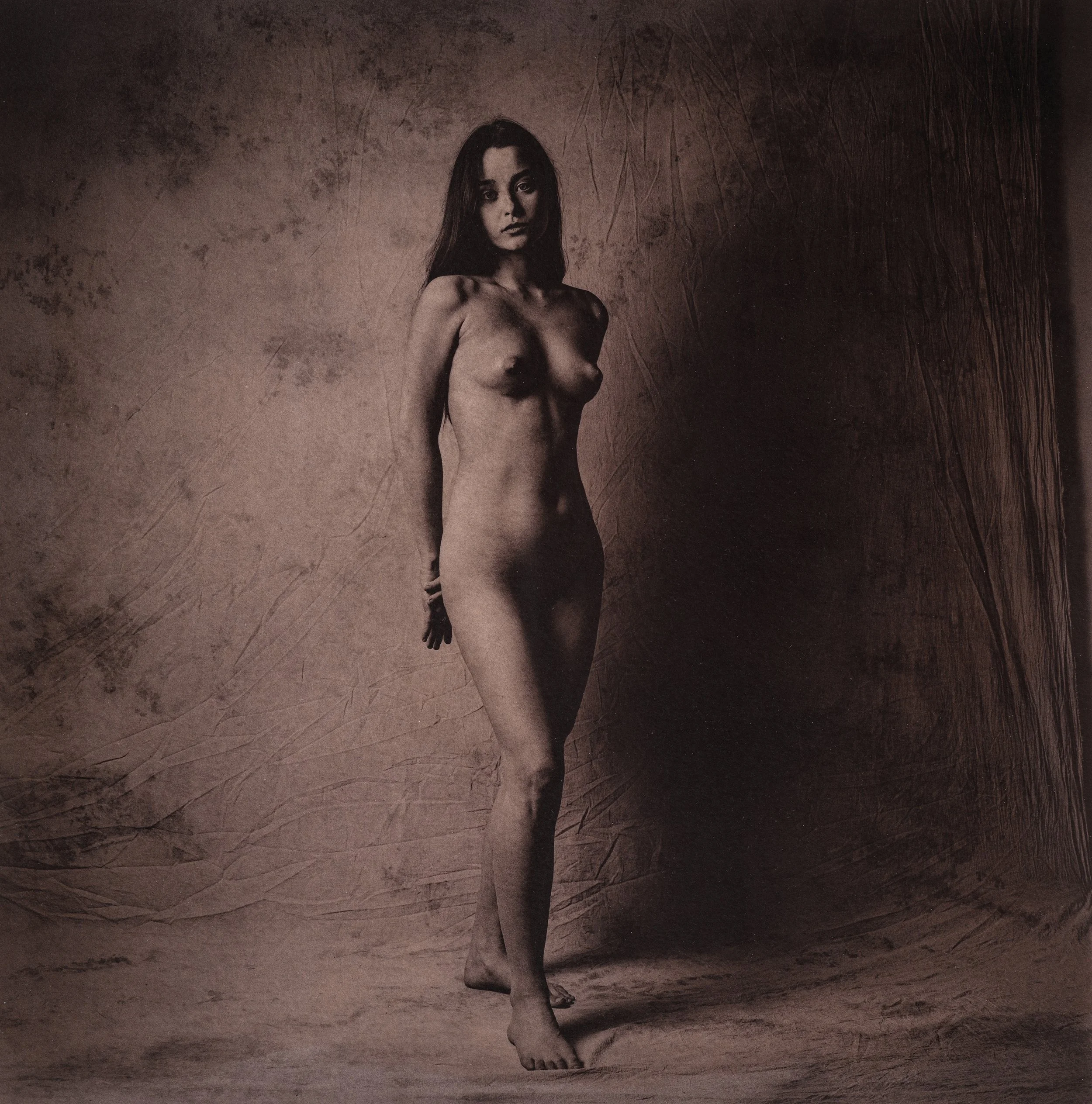
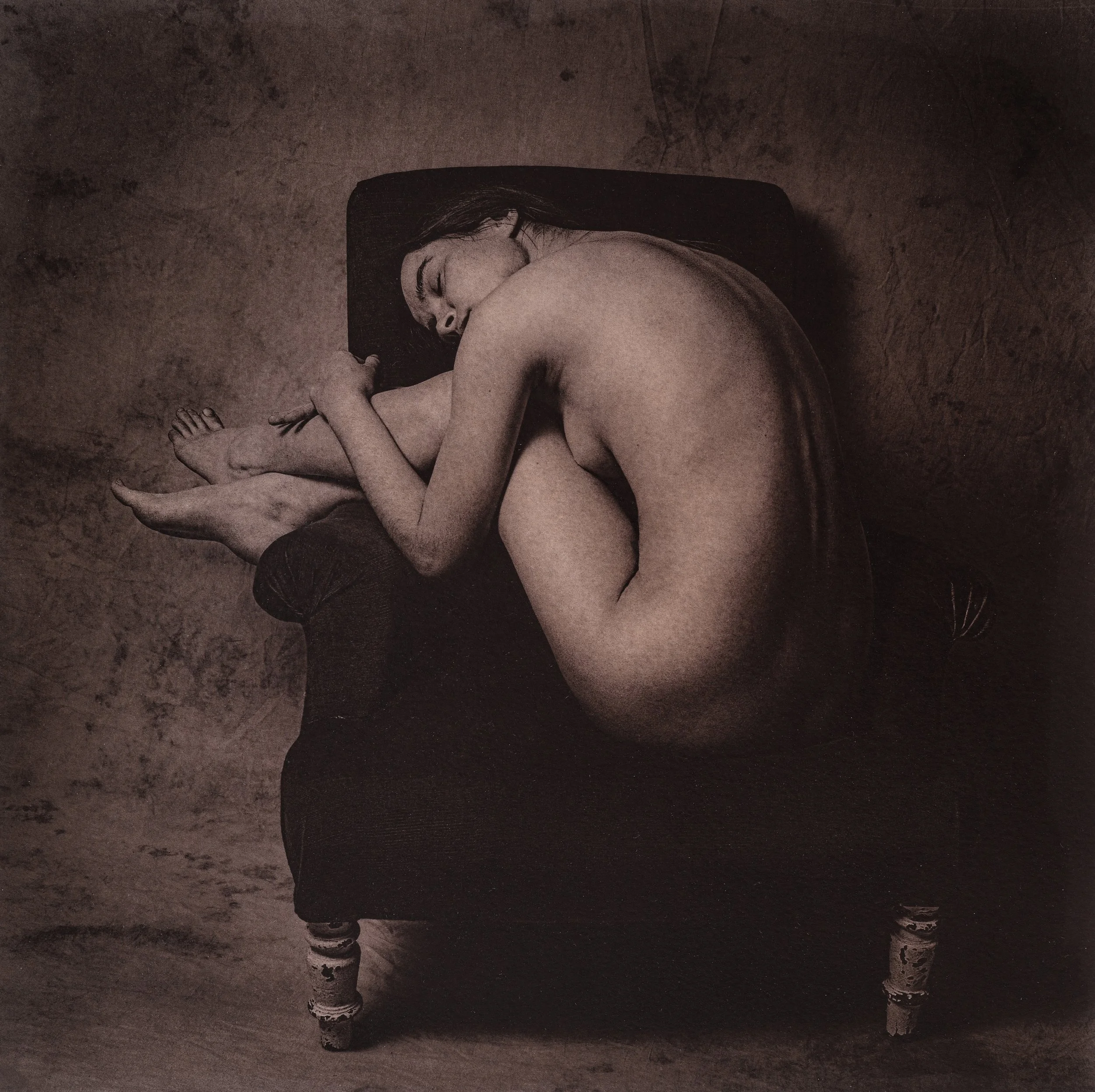

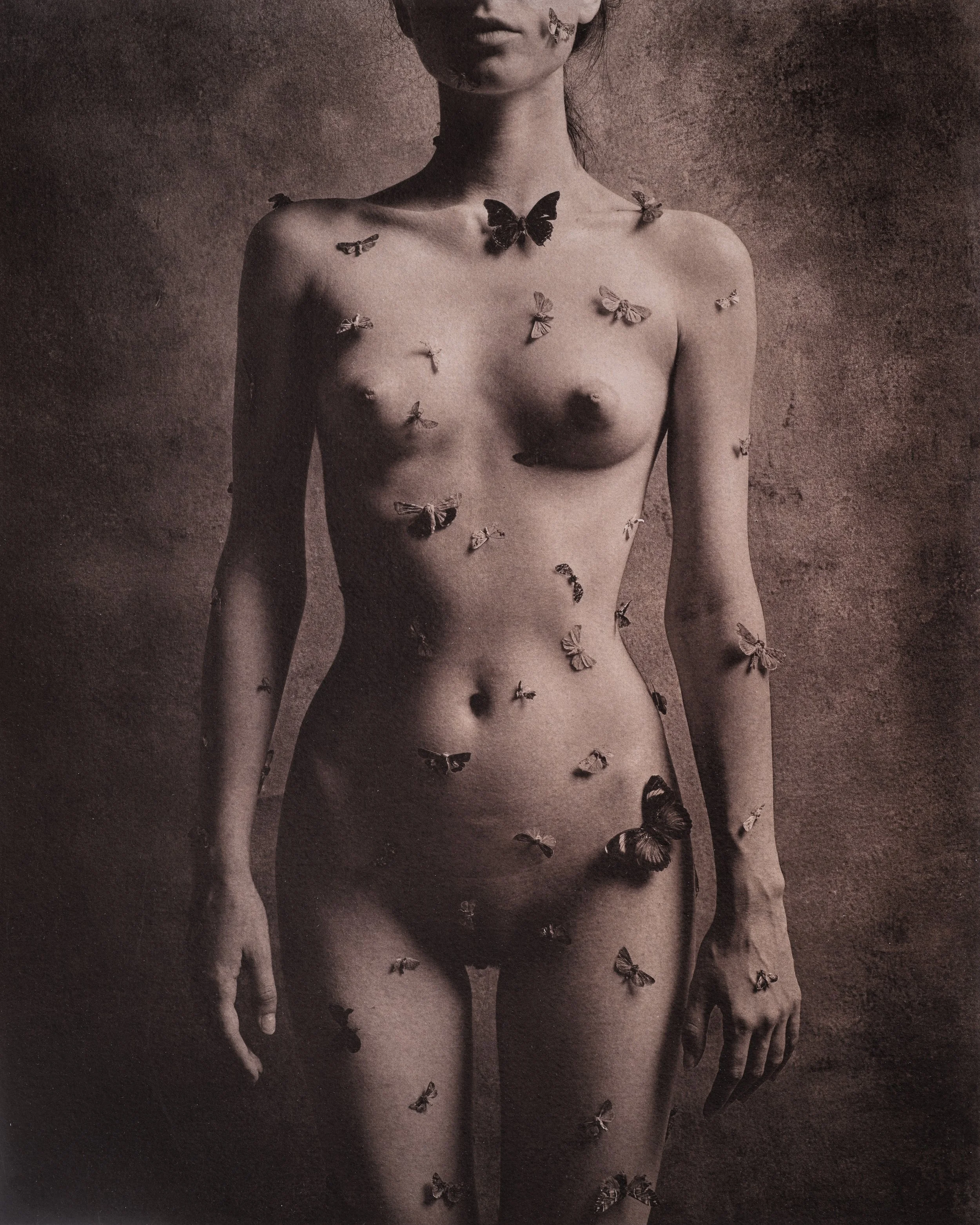
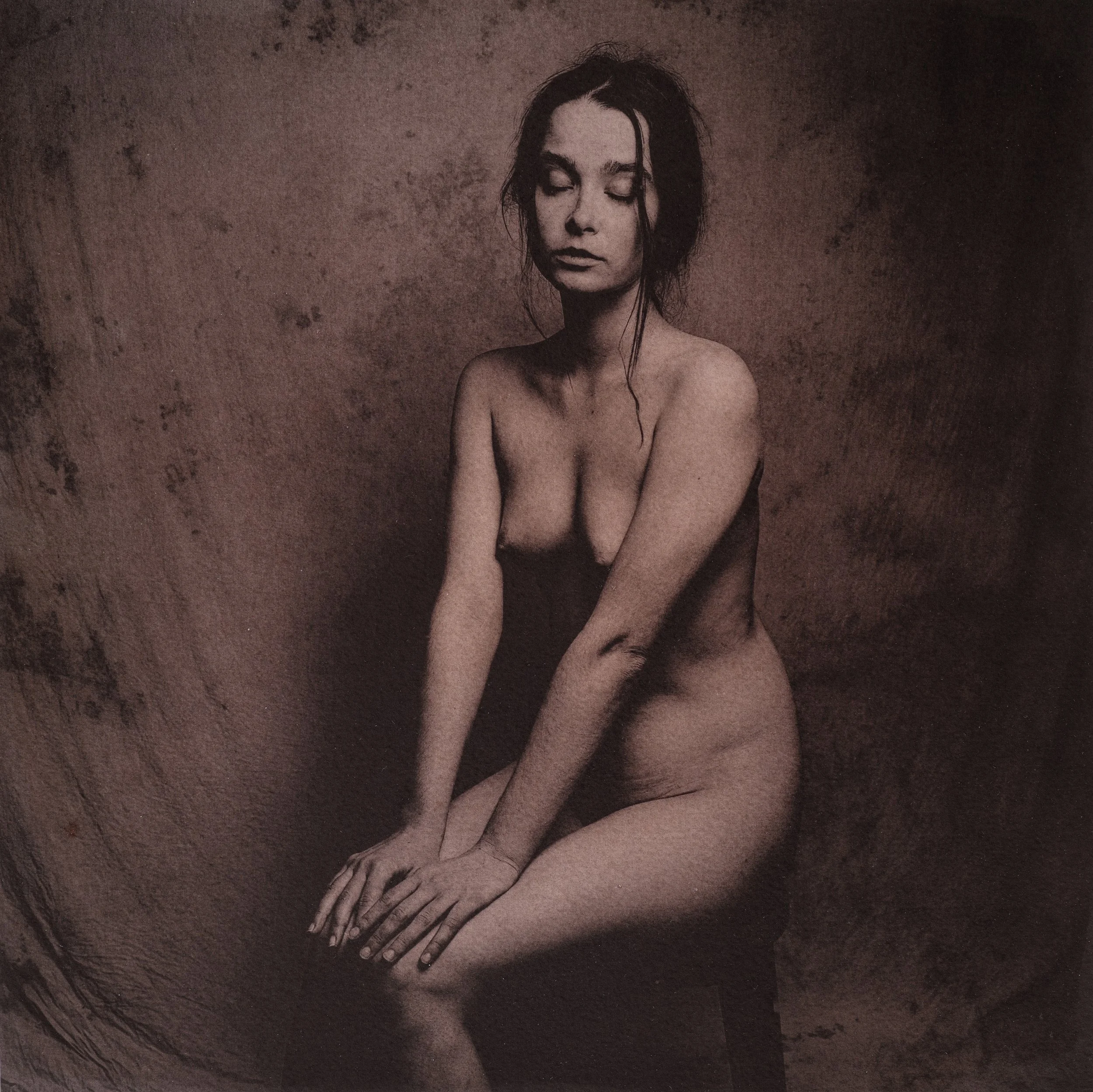
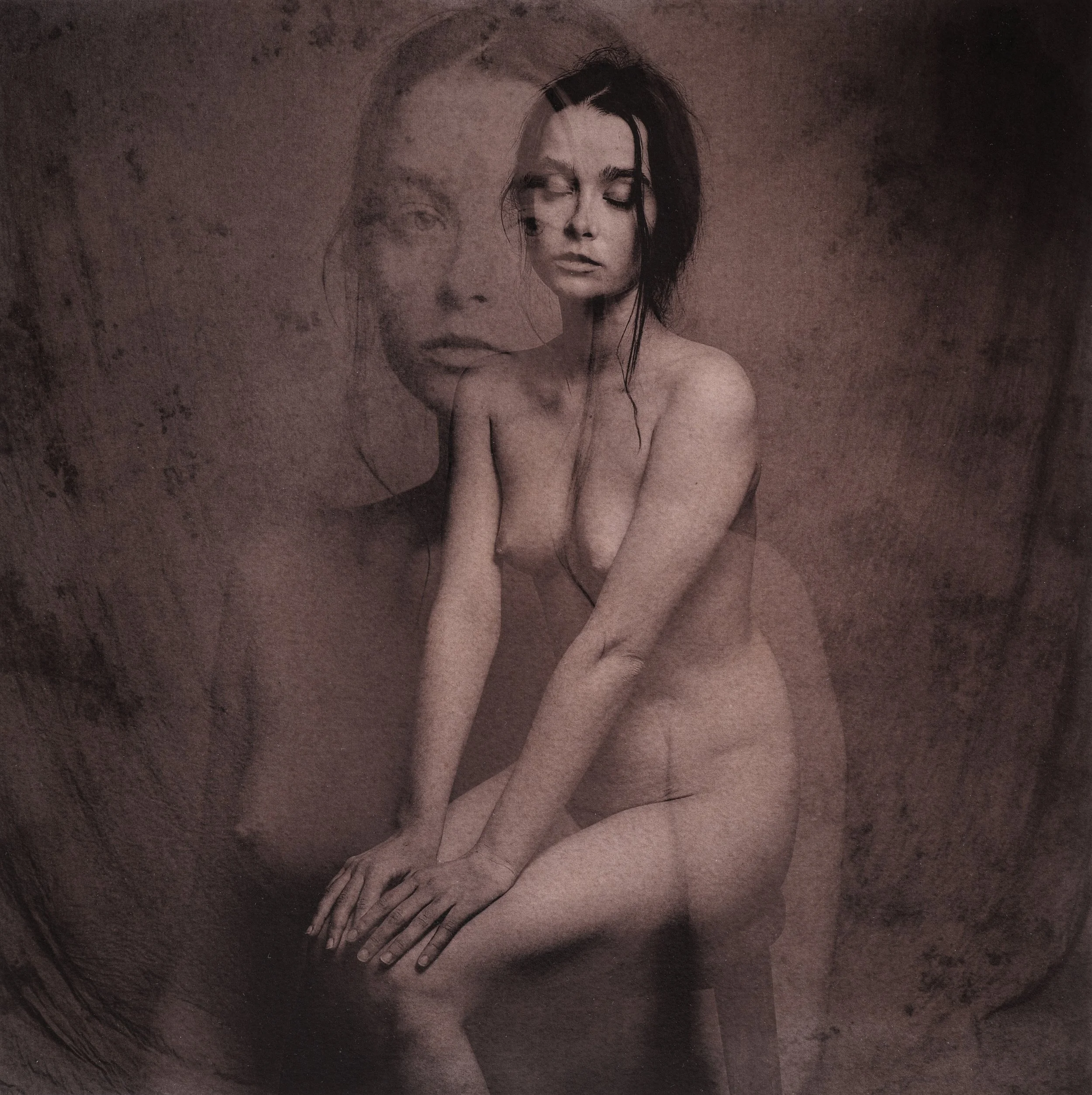
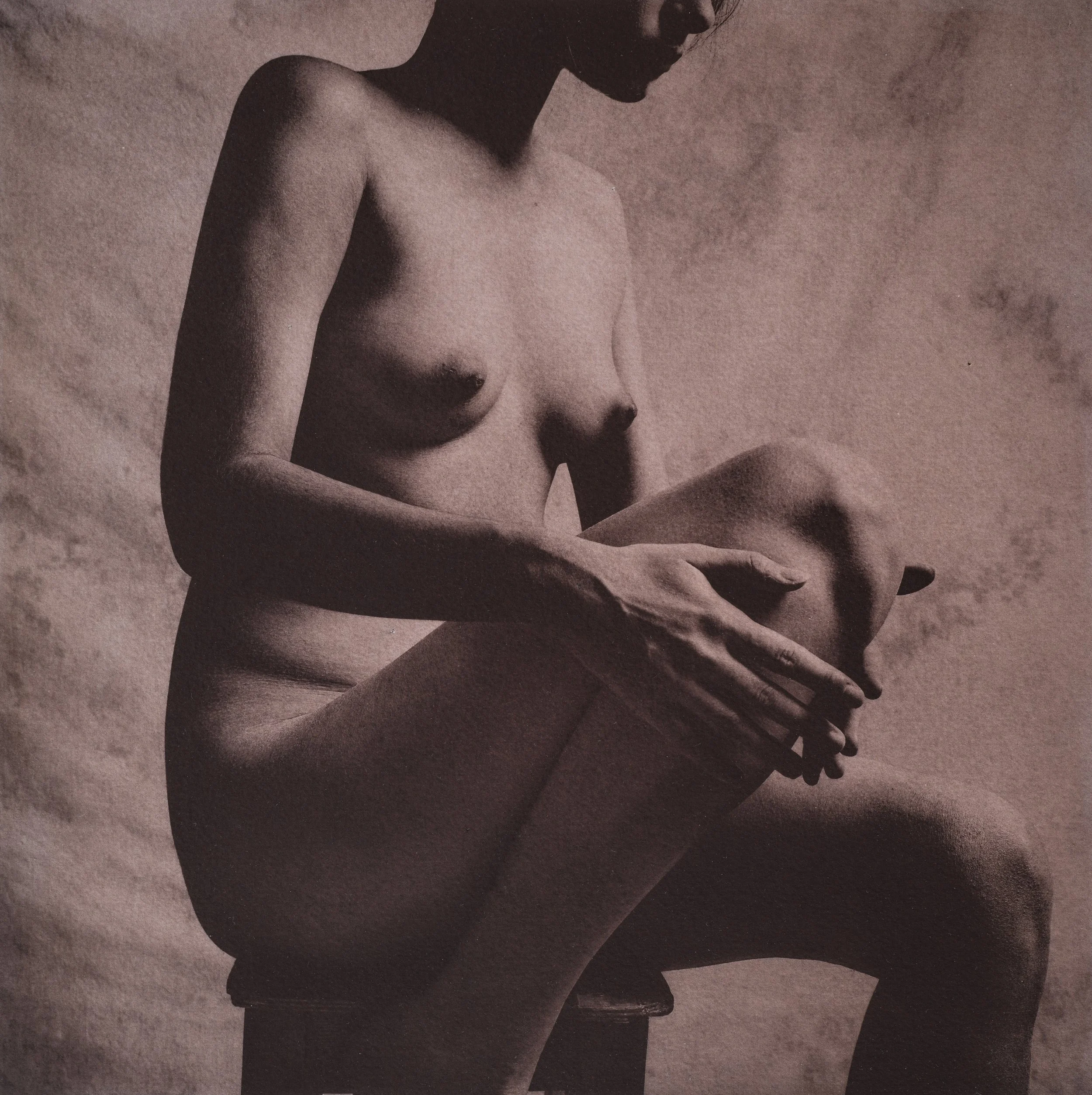
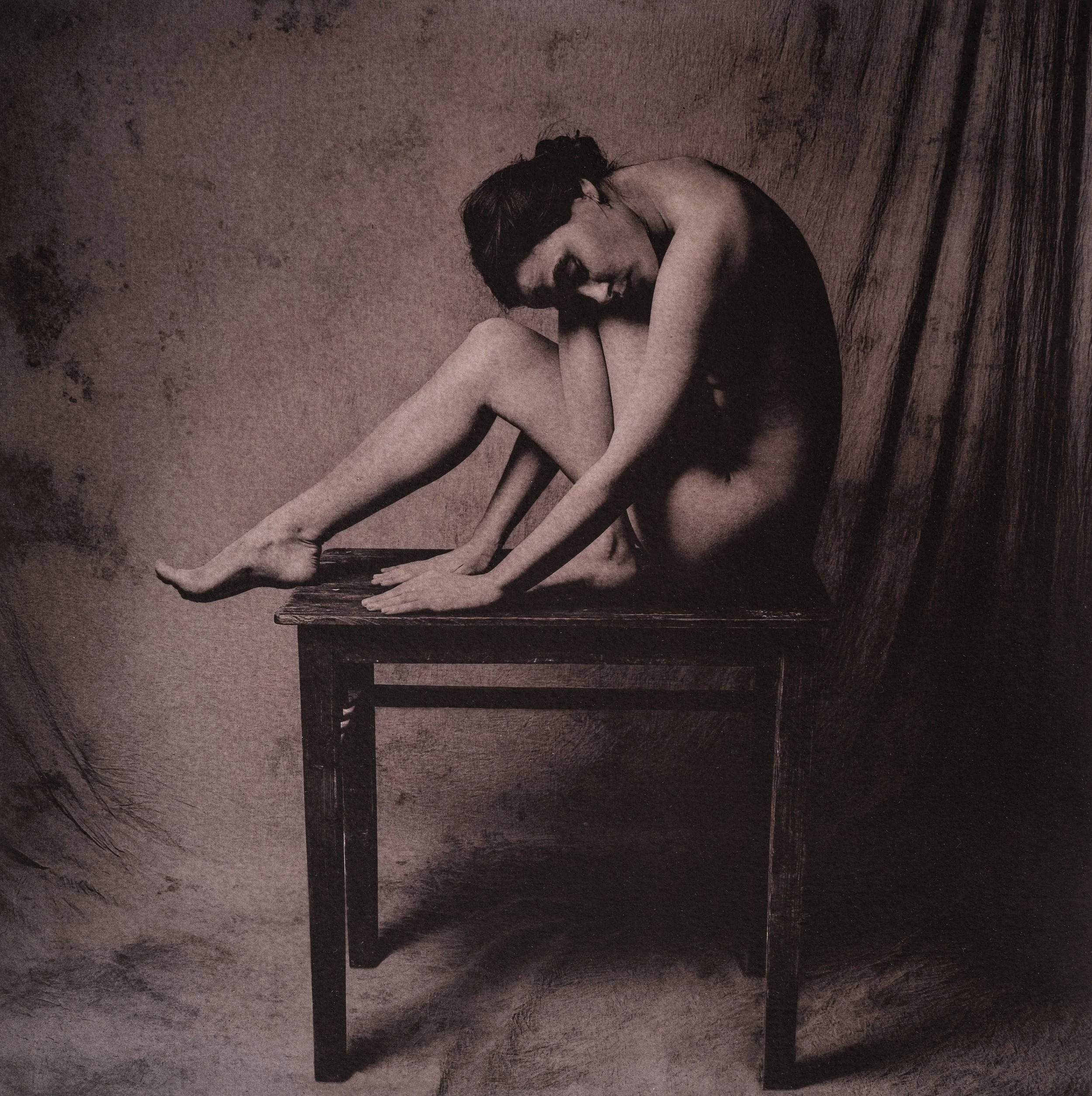
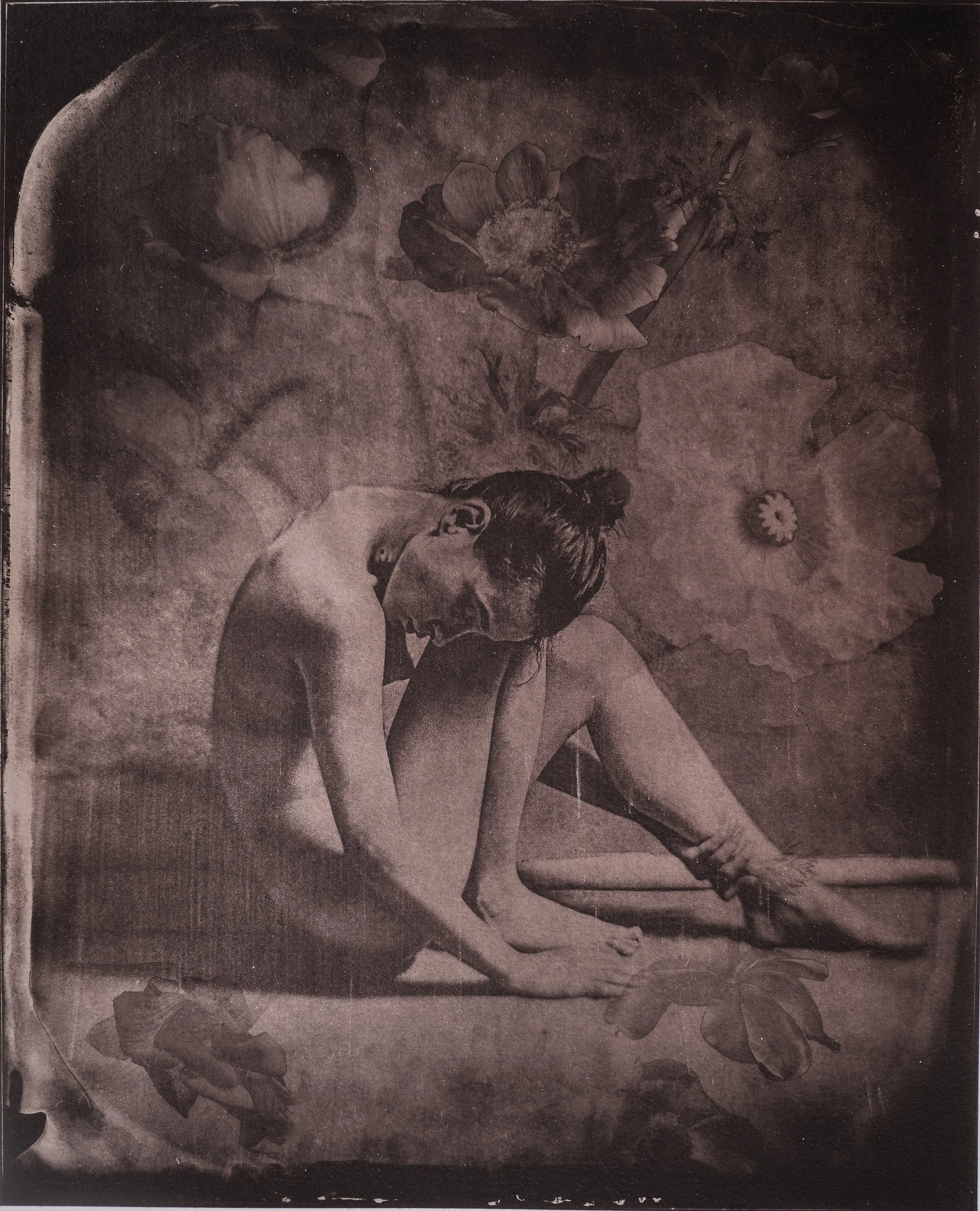
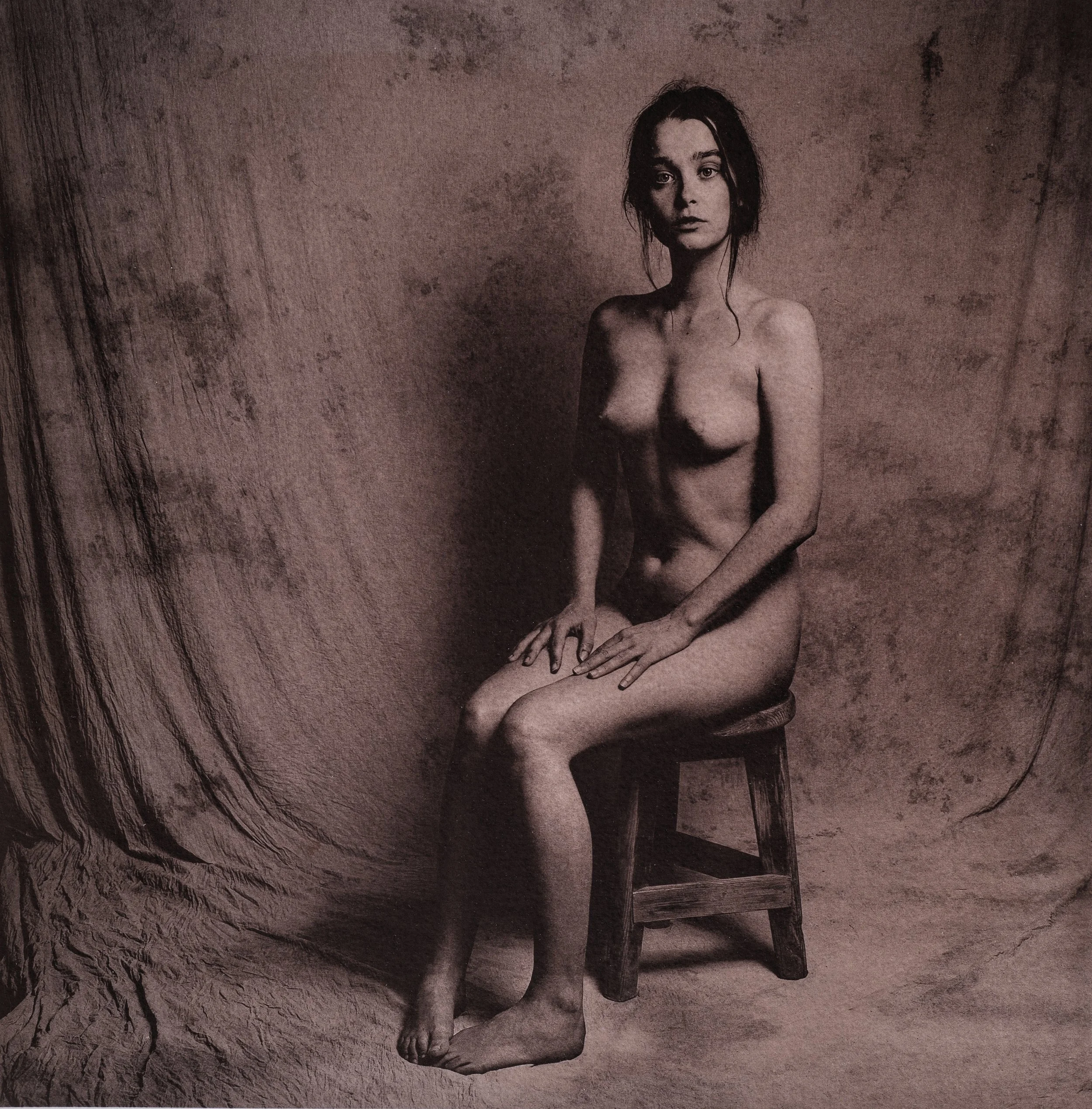
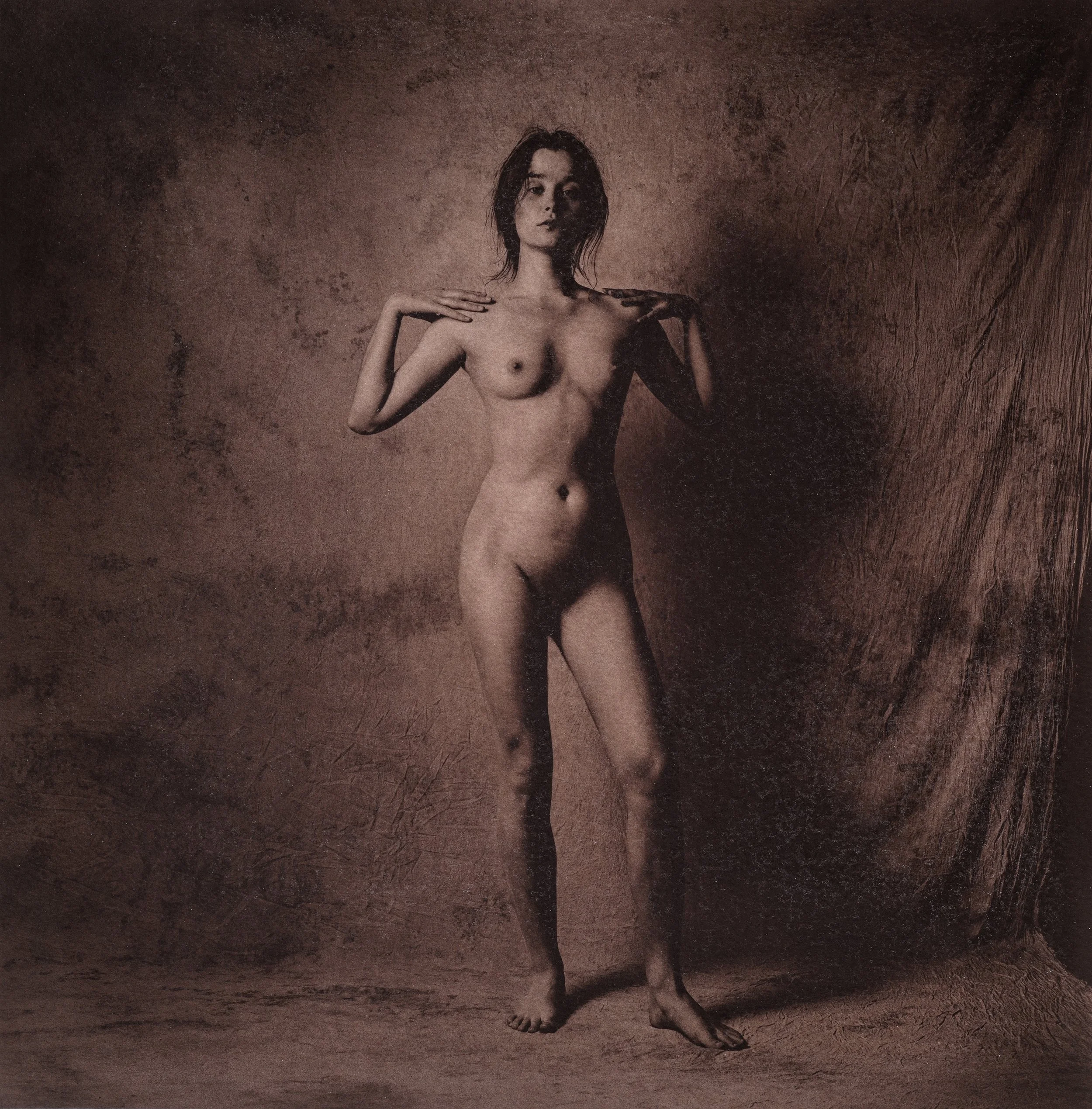
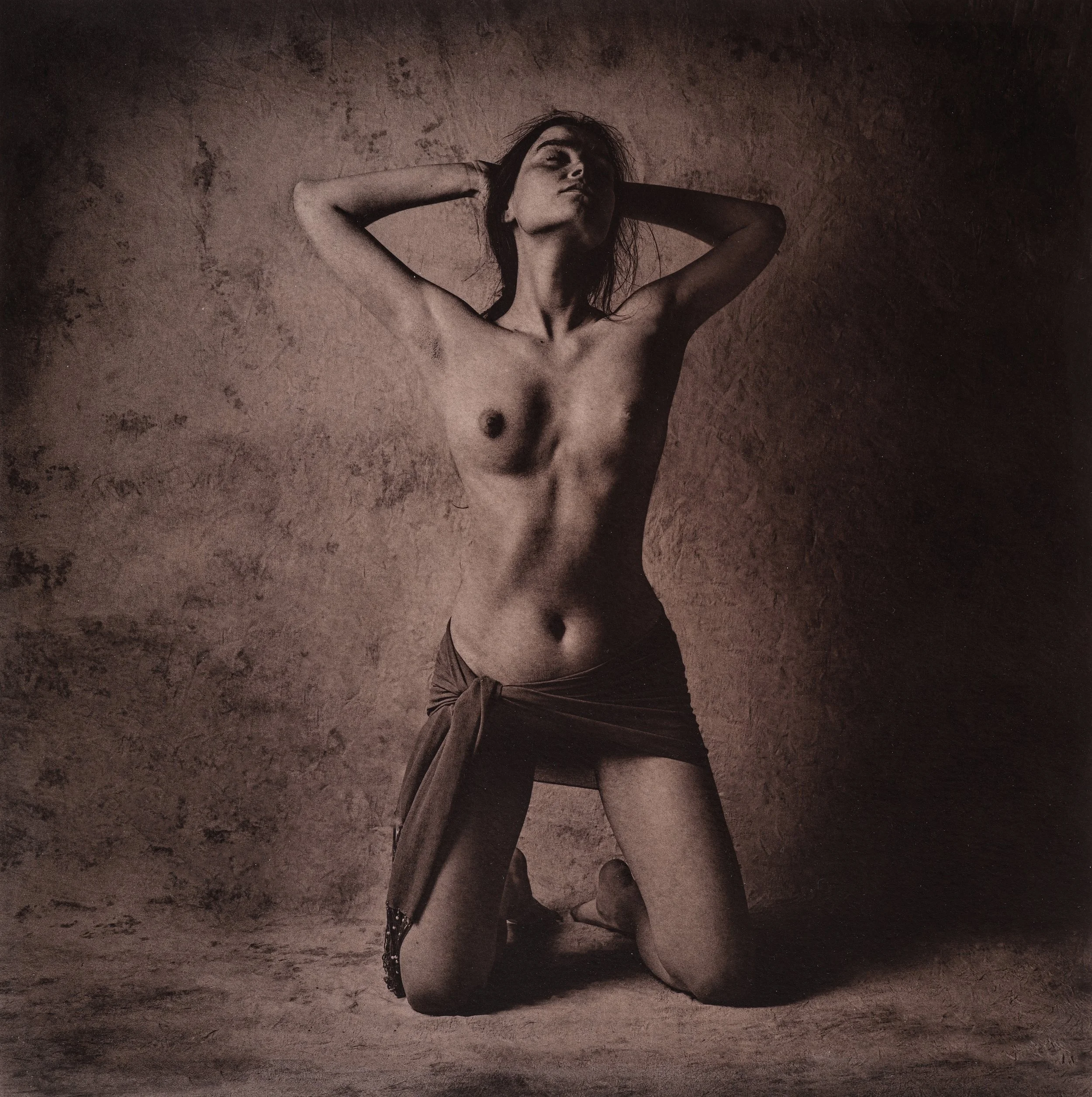
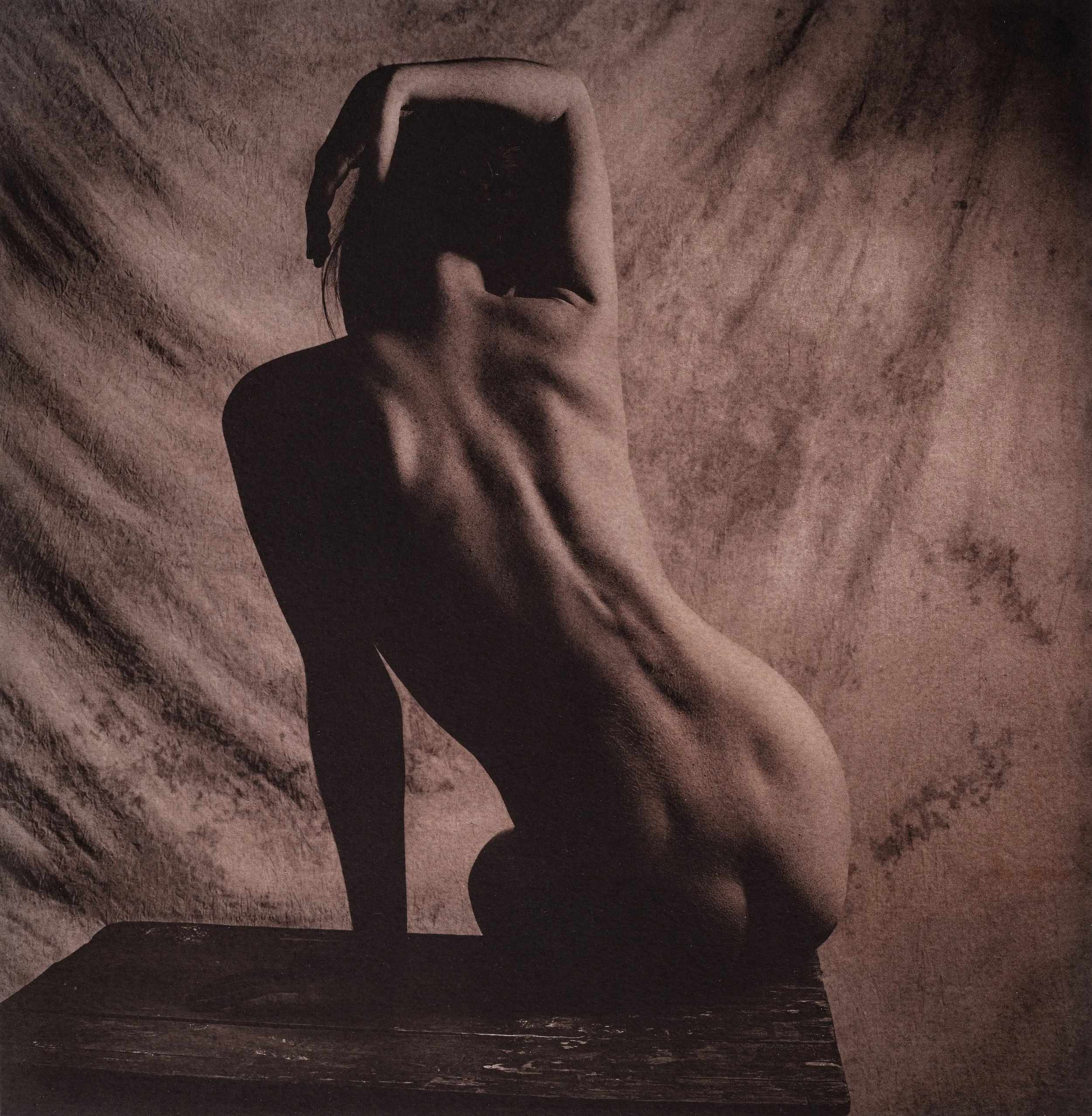
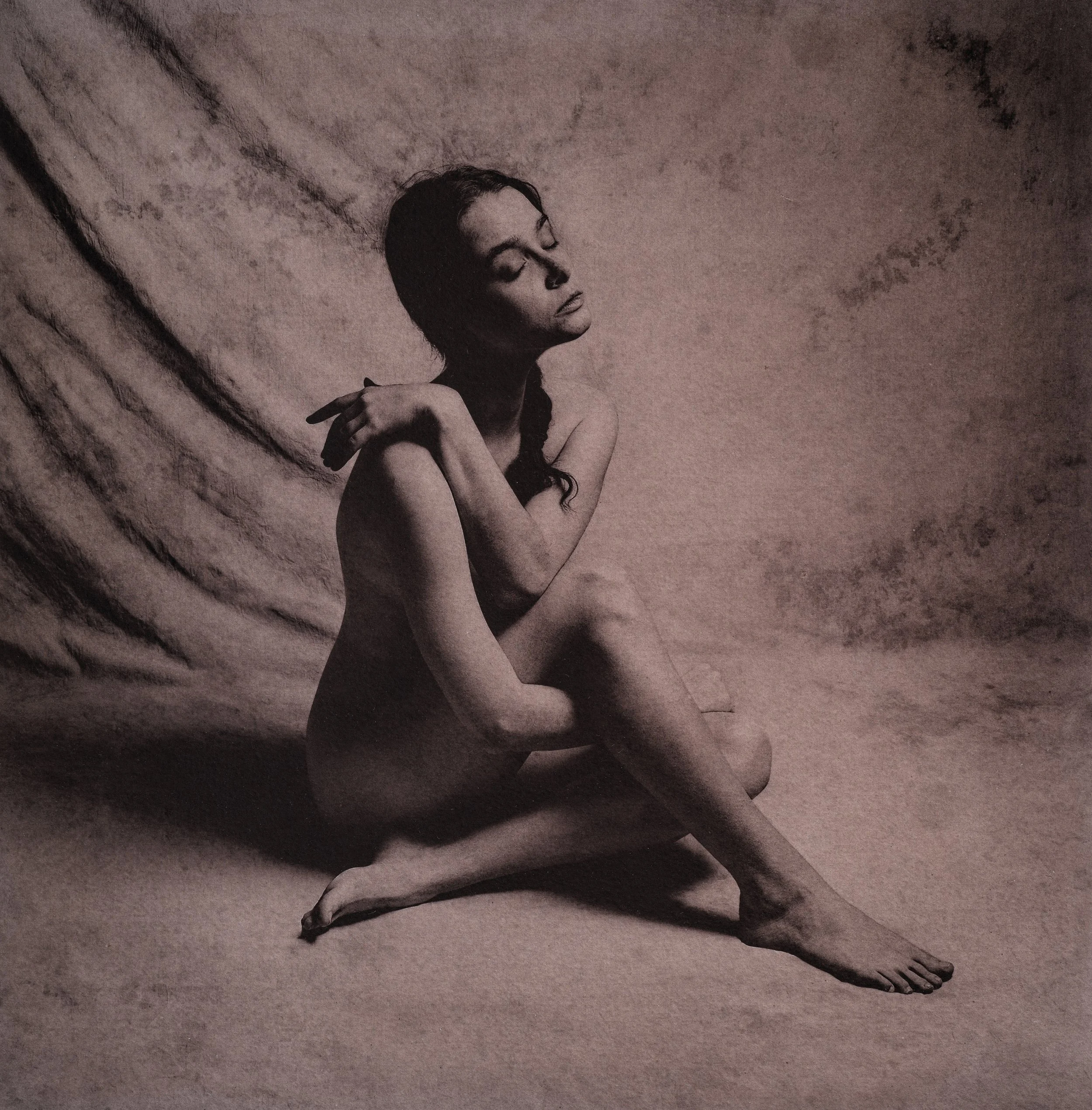
Shalimar – Albumen Print Portraits
Shalimar is a series of handmade albumen print portraits by German fine art photographer Jan C Schlegel. Created after a long absence from portraiture, the works mark a return to the human subject—approached not as representation, but as presence.
The images emerge from a space of trust and proximity. Nothing is staged, nothing imposed. What appears is the result of a shared moment—formed between the person in front of the camera and the one behind it.
The series reflects on the historical idea of the muse—not as an object of beauty, but as a catalyst. A presence that allows the work to move beyond surface and into something more interior. The portrait is not constructed from one side of the camera alone, but from the relationship between both.
With Shalimar, the exploration of portraiture returns to the human subject, now understood as a relational process rather than an isolated image.
The use of albumen print, one of the earliest photographic processes, introduces a sense of time and fragility. The material itself becomes part of the image—softening the surface while deepening its presence.
Available as limited edition single prints in size of 40 × 50 cm, as well as a complete set presented in a handmade portfolio.
Shalimar
On Skin, Light, and Devotion
After a pause of nearly five years, Shalimar marks a deliberate return to portraiture. This return was not driven by nostalgia or habit, but by necessity. The interruption emerged from doubt—an ethical and artistic uncertainty about the purpose of making portraits in a culture saturated with images of beauty. During that period, portraiture increasingly felt emptied of consequence: reduced to the accumulation of attractive faces, collected, displayed, and archived like trophies. Beauty, once a site of truth and revelation, appeared increasingly shaped by manipulation, performance, and pretense.
The decision to return to portraiture was therefore inseparable from a demand for depth. The question was not how to photograph a body, but why. What responsibility does the photographer carry when presenting another human being? And how might portraiture reclaim relevance—not only as representation, but as relationship?
The title Shalimar derives from Persian, combining notions of delight and love, and refers historically to gardens conceived as spaces of devotion rather than spectacle. These gardens were not designed to impress from a distance, but to be entered slowly—to wander, to linger, to encounter intimacy through care. In this sense, Shalimar names an atmosphere rather than a subject. It frames the series as a place shaped by trust, patience, and presence.
Central to this work is the conviction that meaningful portraiture is never created by the artist alone. Throughout the history of art, the concept of the muse has often been misunderstood as decoration or inspiration. In reality, the muse functions as an emotional and psychological catalyst—one who enables access to a deeper register of seeing. Kseniia occupies this role not symbolically, but actively. She is not merely depicted; she participates. The images arise from a sustained dialogue, from attentiveness and consent, from the willingness to be seen and to see in return. She is muse and counterpart, love and presence—integral to the conditions under which the work becomes possible.
This understanding aligns with an early conception of photography itself. In its origins, photography was not a practice of accumulation, but of relationship: families, lovers, communities, and bonds recorded not for spectacle, but for remembrance. Shalimar seeks to return portraiture to this relational core.
The series is also informed by the dual concept of mirror and window. Every portrait functions simultaneously as both. The images reveal Kseniia—her body, her presence—but they also reveal the photographer: his gaze, his intentions, his affection. To look at these photographs is to encounter her through his eyes. The work does not claim objectivity. Instead, it acknowledges that love, devotion, and responsibility shape how beauty is seen—and how it is offered to others.
To support this ethical and emotional framework, the series is realized primarily through the albumen printing process. Albumen, photography’s first widely adopted printing technique, is chosen not for nostalgia, but for its material intelligence. Its extraordinary depth, tonal richness, and characteristic darkness allow the image to remain partially hidden—never fully disclosed at once. The photograph becomes a quiet secret rather than a declaration.
Albumen prints are inherently imperfect. The hand-coated layers of albumen and silver nitrate introduce irregularities—subtle variations, traces of touch, and moments of unpredictability. These imperfections are not flaws to be corrected; they echo the human condition itself. Faces and bodies are not perfect despite their imperfections, but because of them. The albumen surface, often applied in multiple layers, carries a tactile, skin-like quality. To touch the print is to encounter something bodily—soft, vulnerable, alive.
This physicality is essential. The print is not a neutral carrier of an image; it participates in meaning. In Shalimar, material, process, and subject are inseparable. A small number of works are realized as platinum prints, offering a quieter counterpoint—cooler, more restrained—yet still grounded in the same ethos of devotion and craft.
Ultimately, Shalimar proposes a reorientation of beauty. Not as something performed or perfected, but as something allowed. Not as manipulation, but as truth. The series insists that portraiture can still matter—when it is rooted in relationship, when it accepts vulnerability, and when it acknowledges that to look is also to reveal oneself.