
Of Monsters and Dragons, Salt Prints
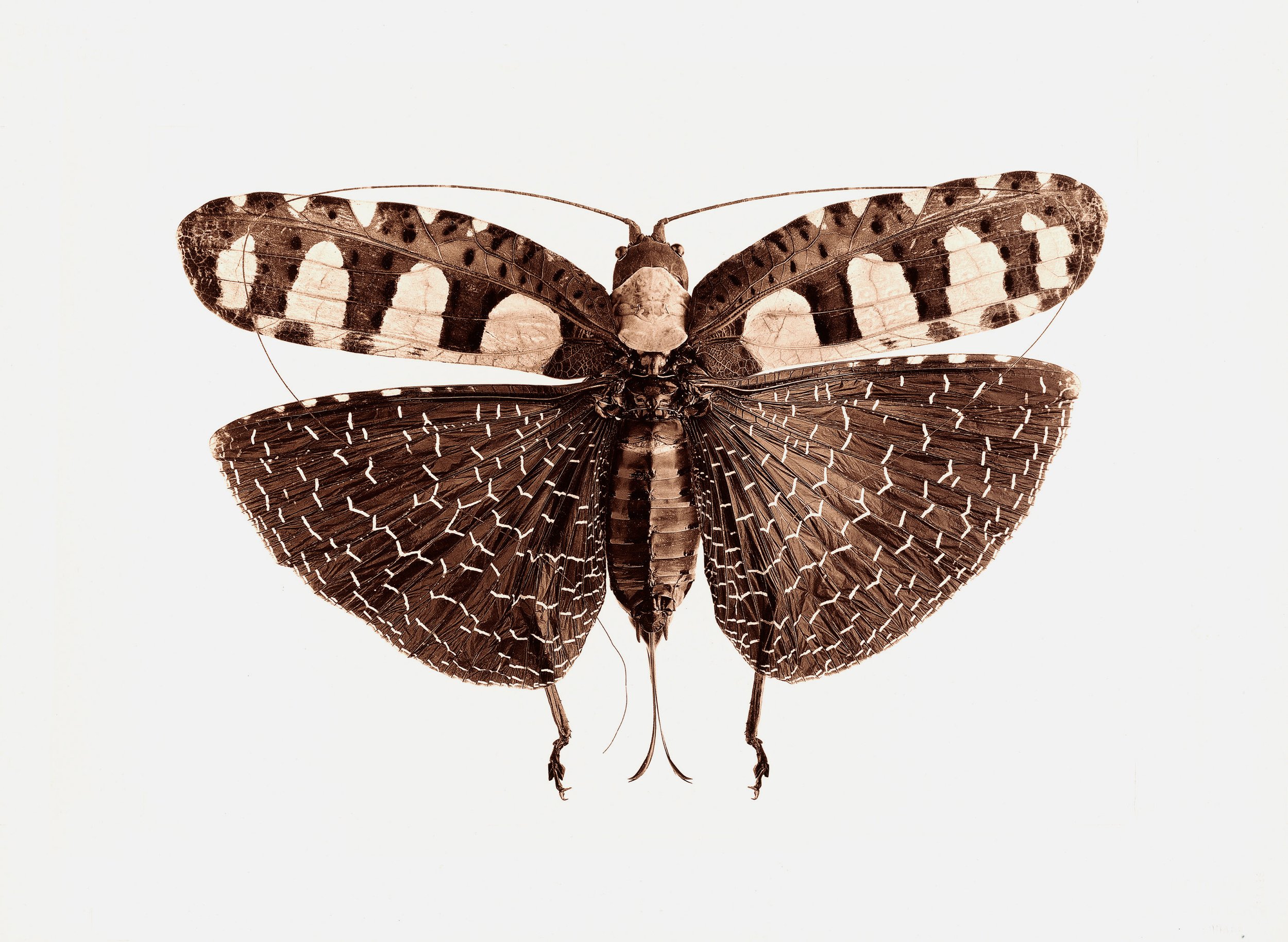
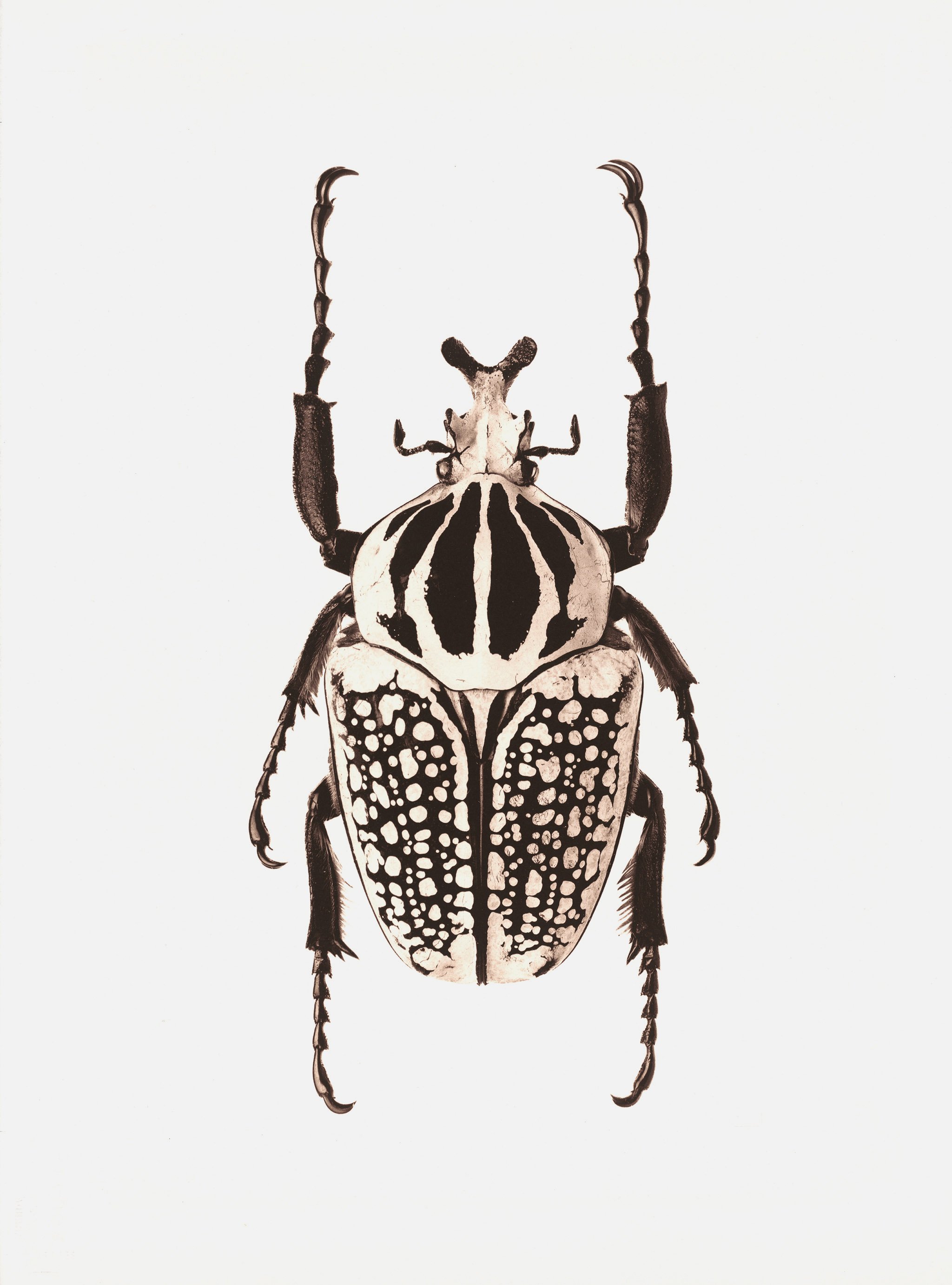
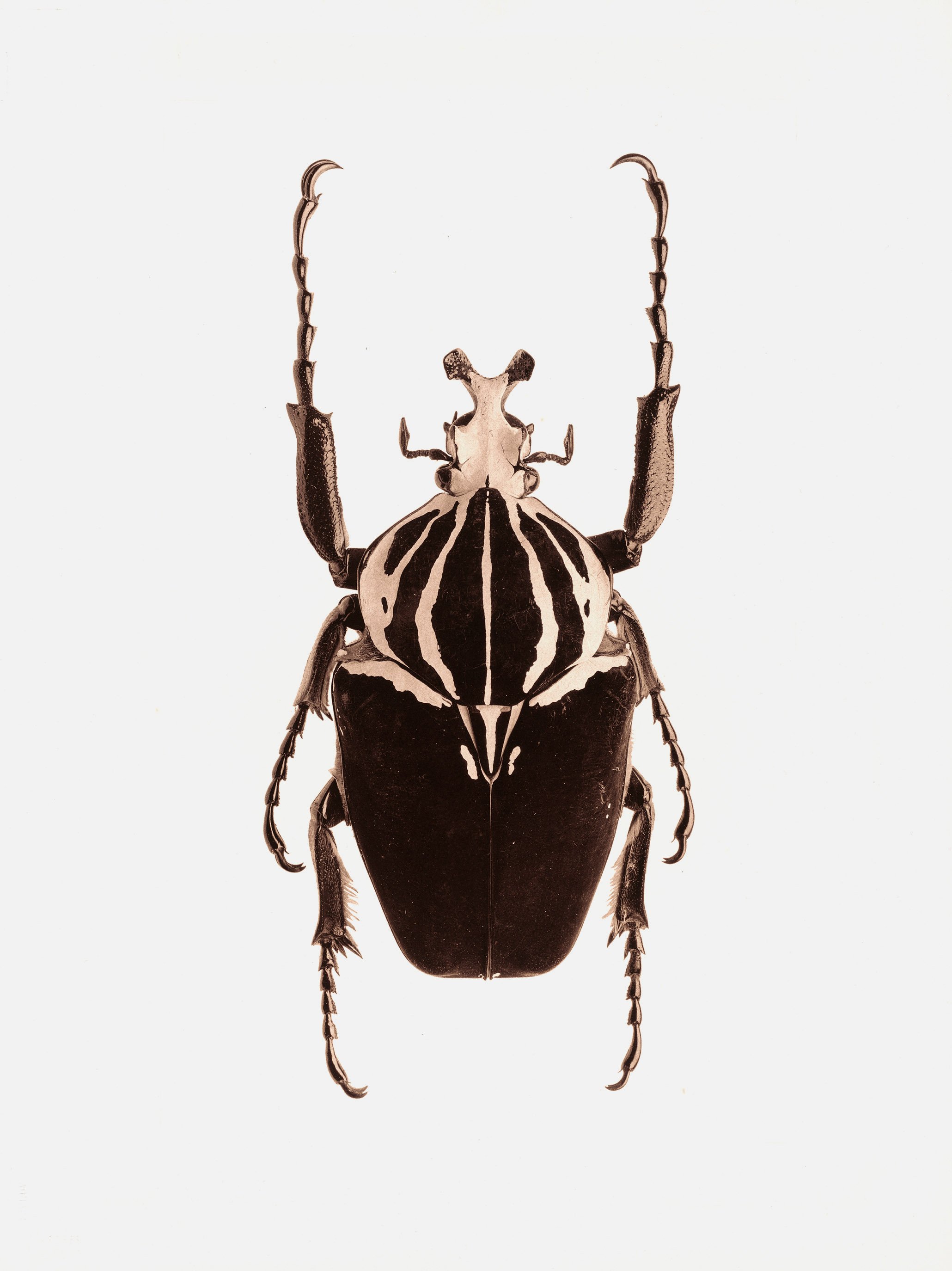
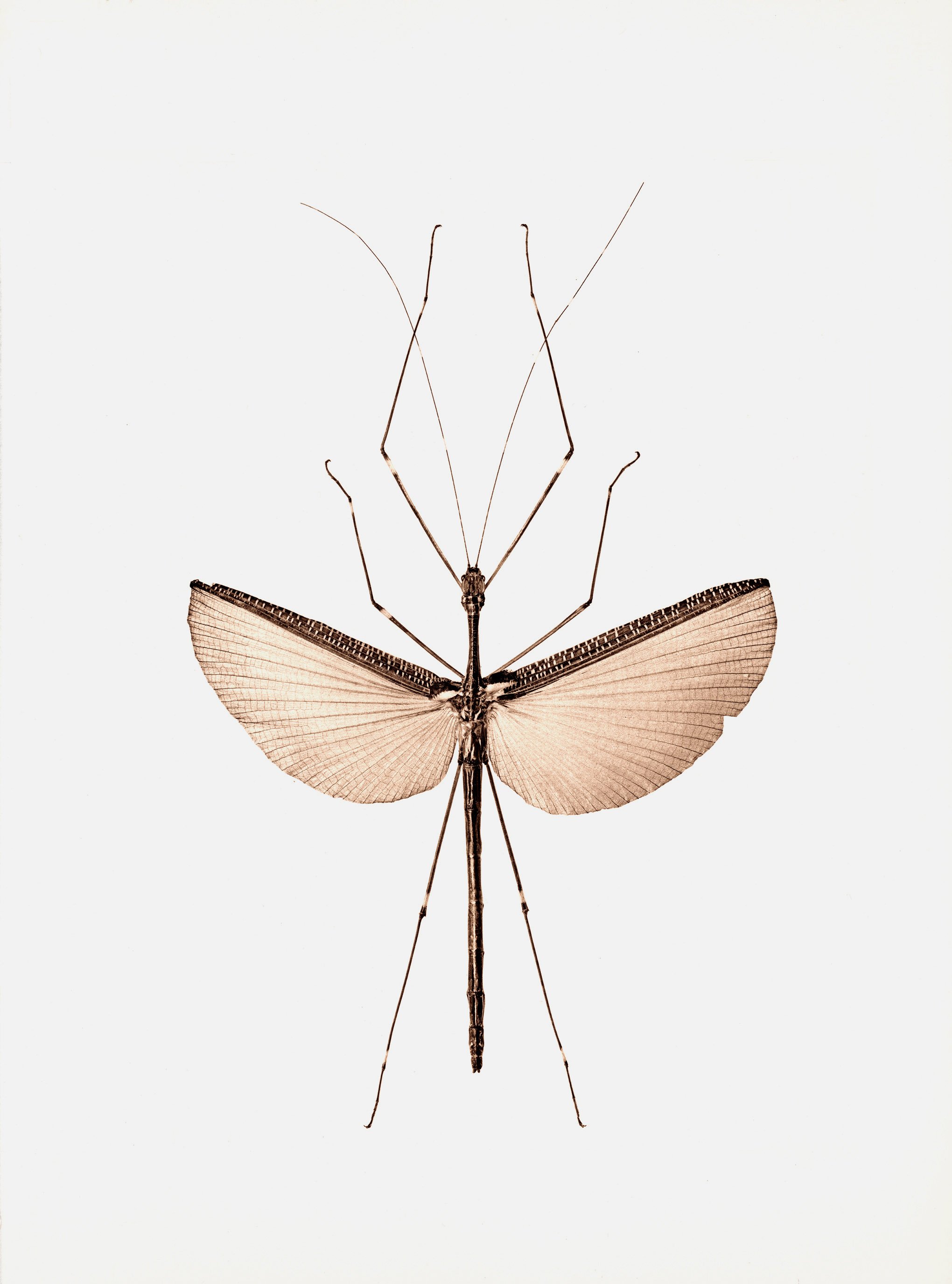
Situated between taxonomy and imagination, this body of work examines how perception constructs form beyond the limits of empirical recognition.
Major Work, 2020
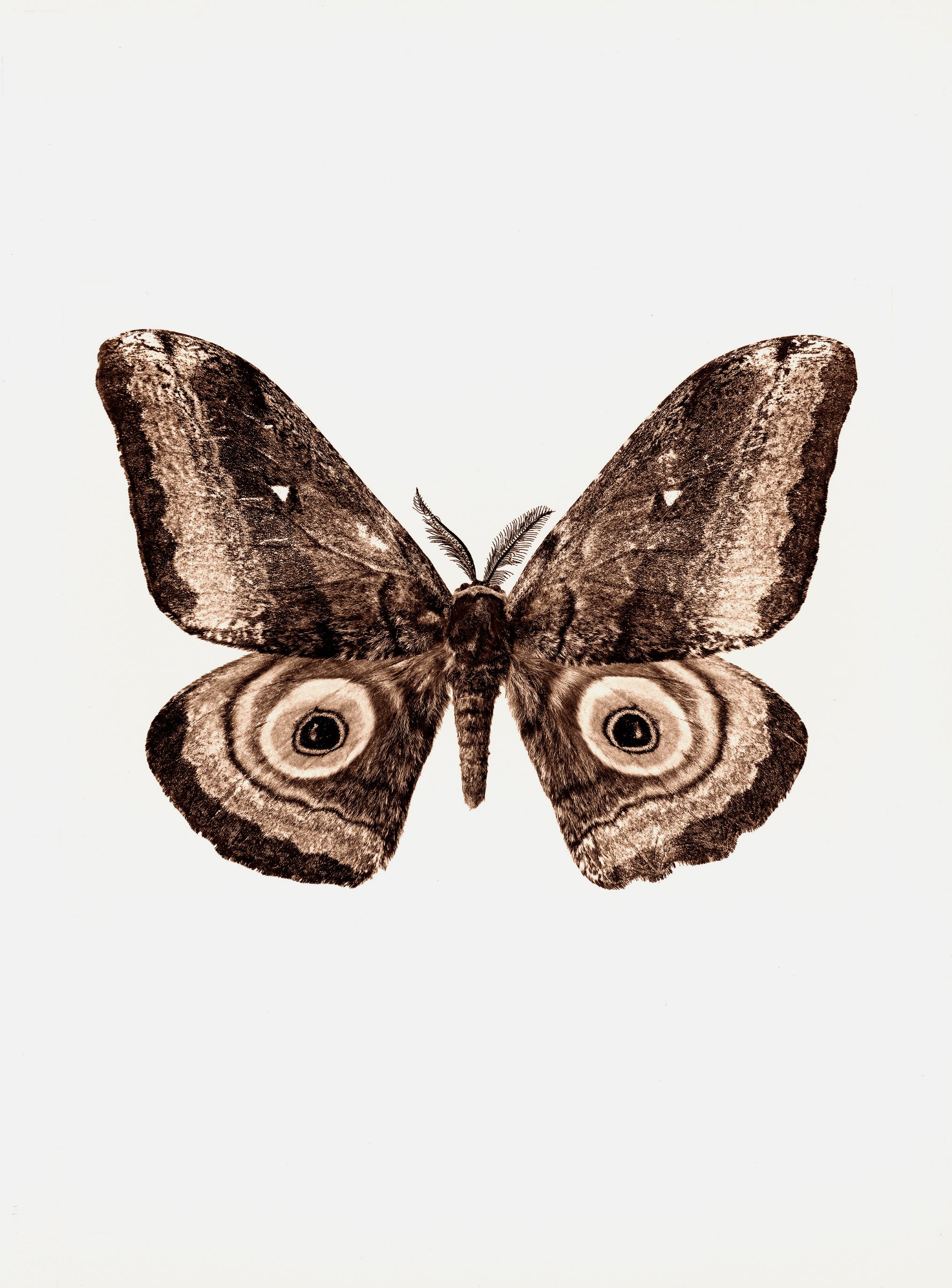
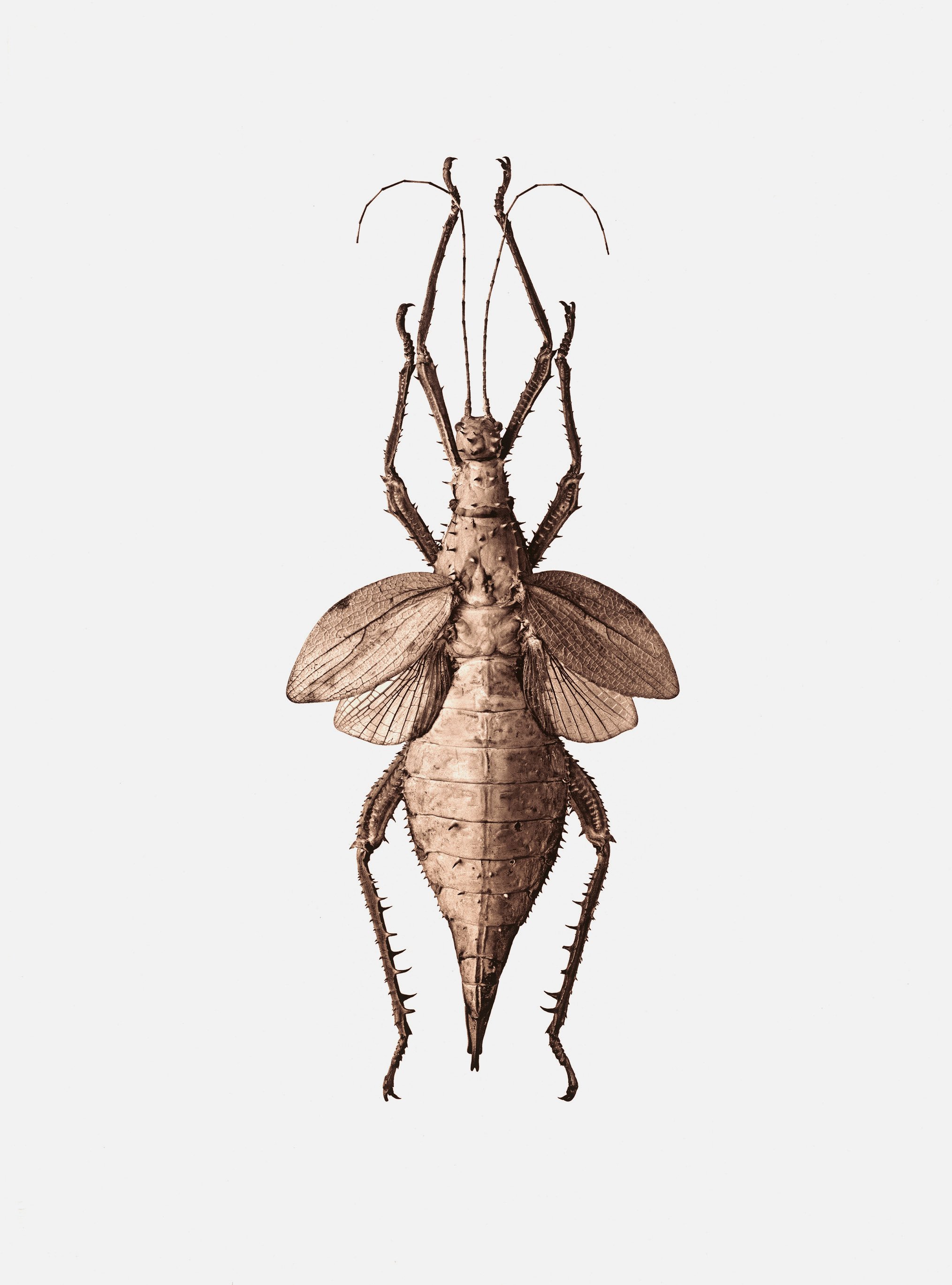
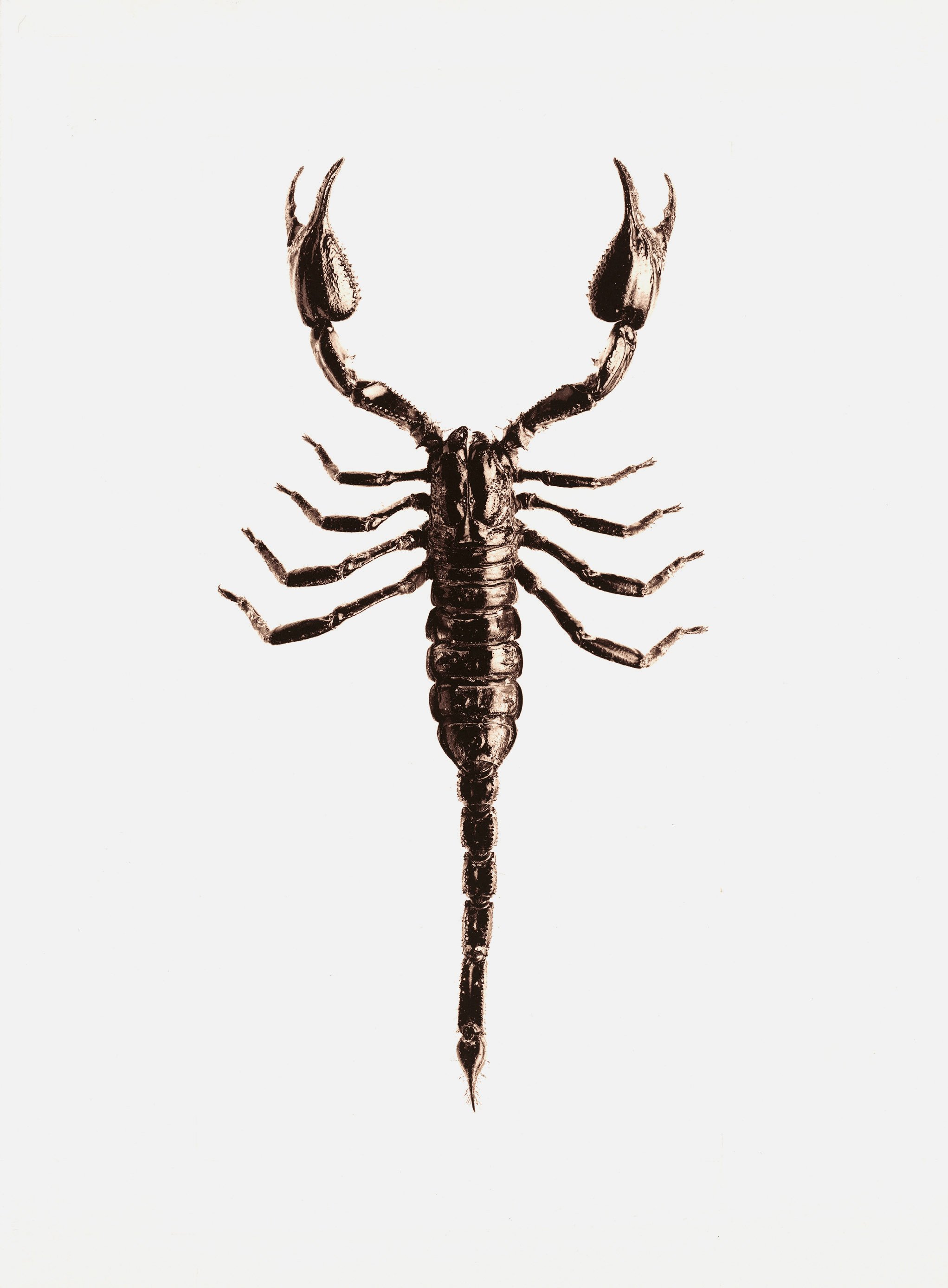
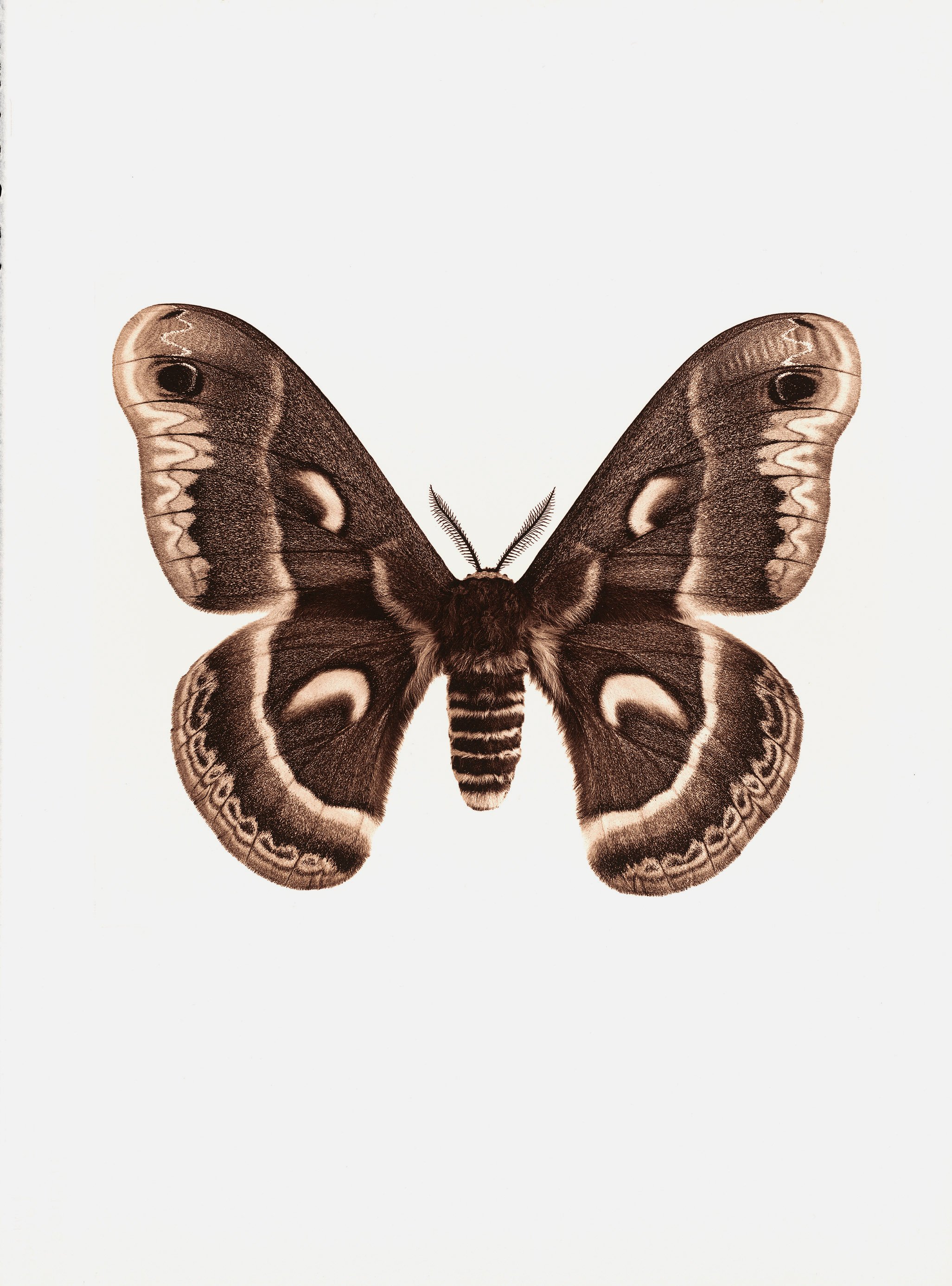
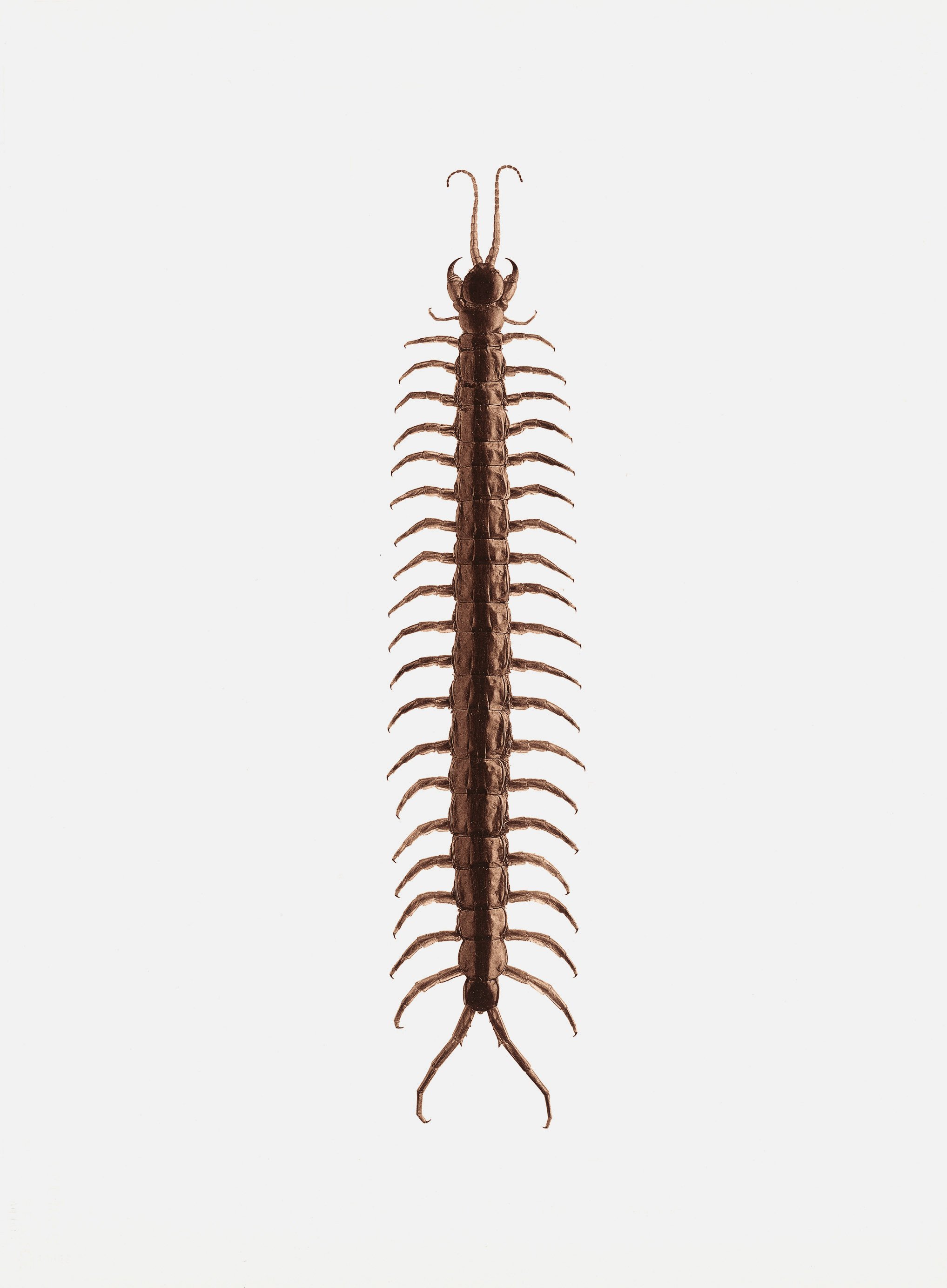

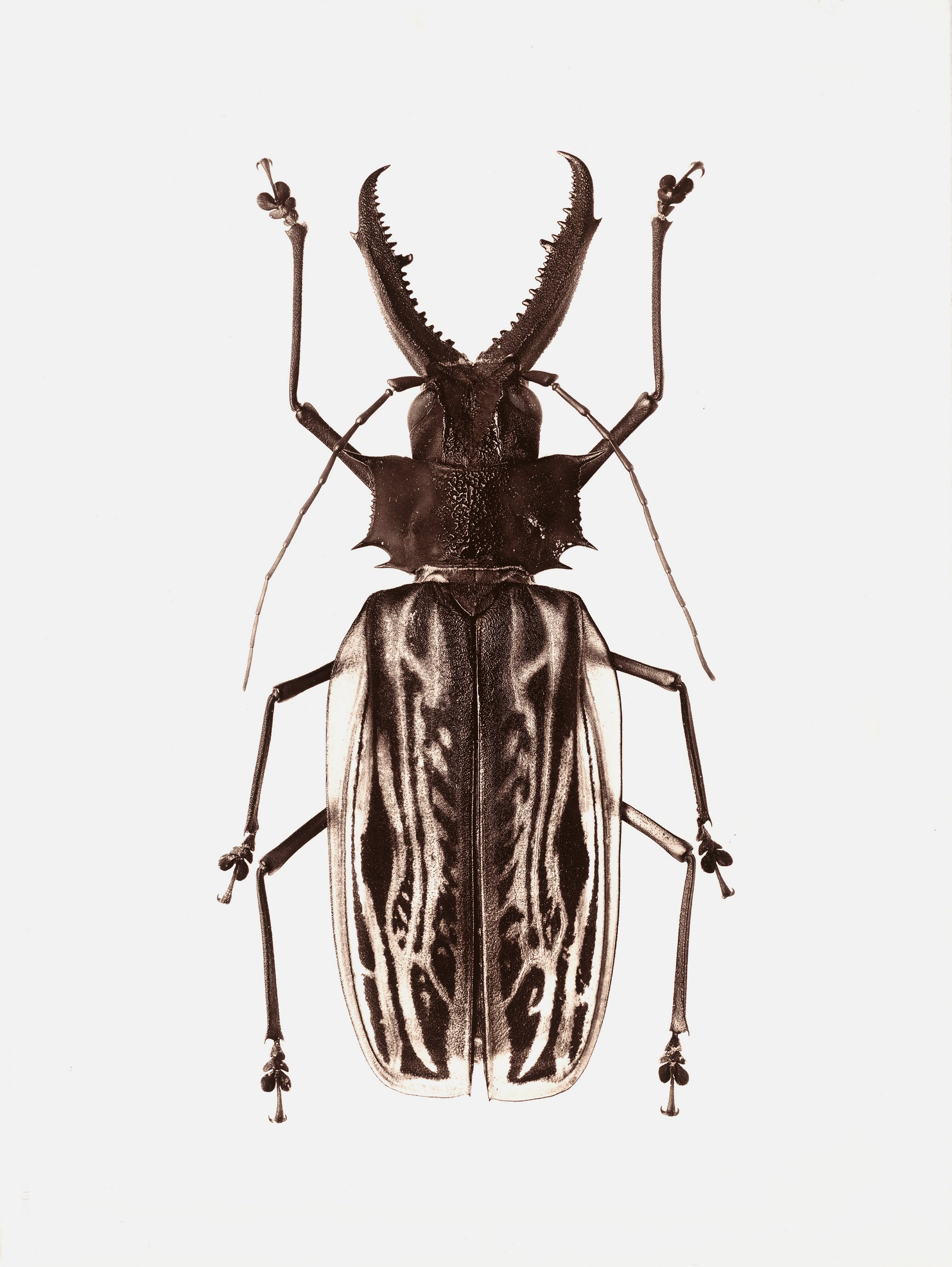
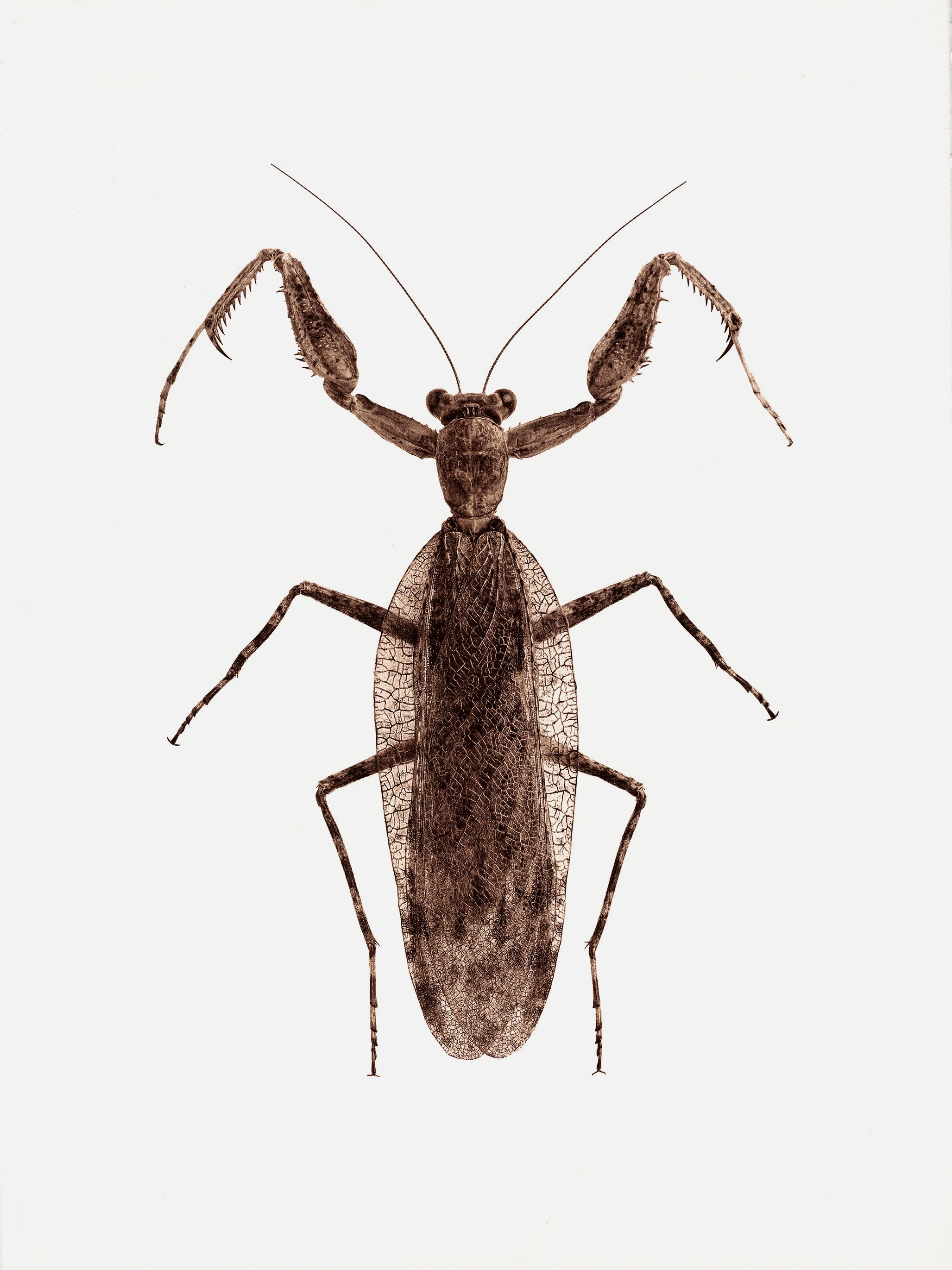
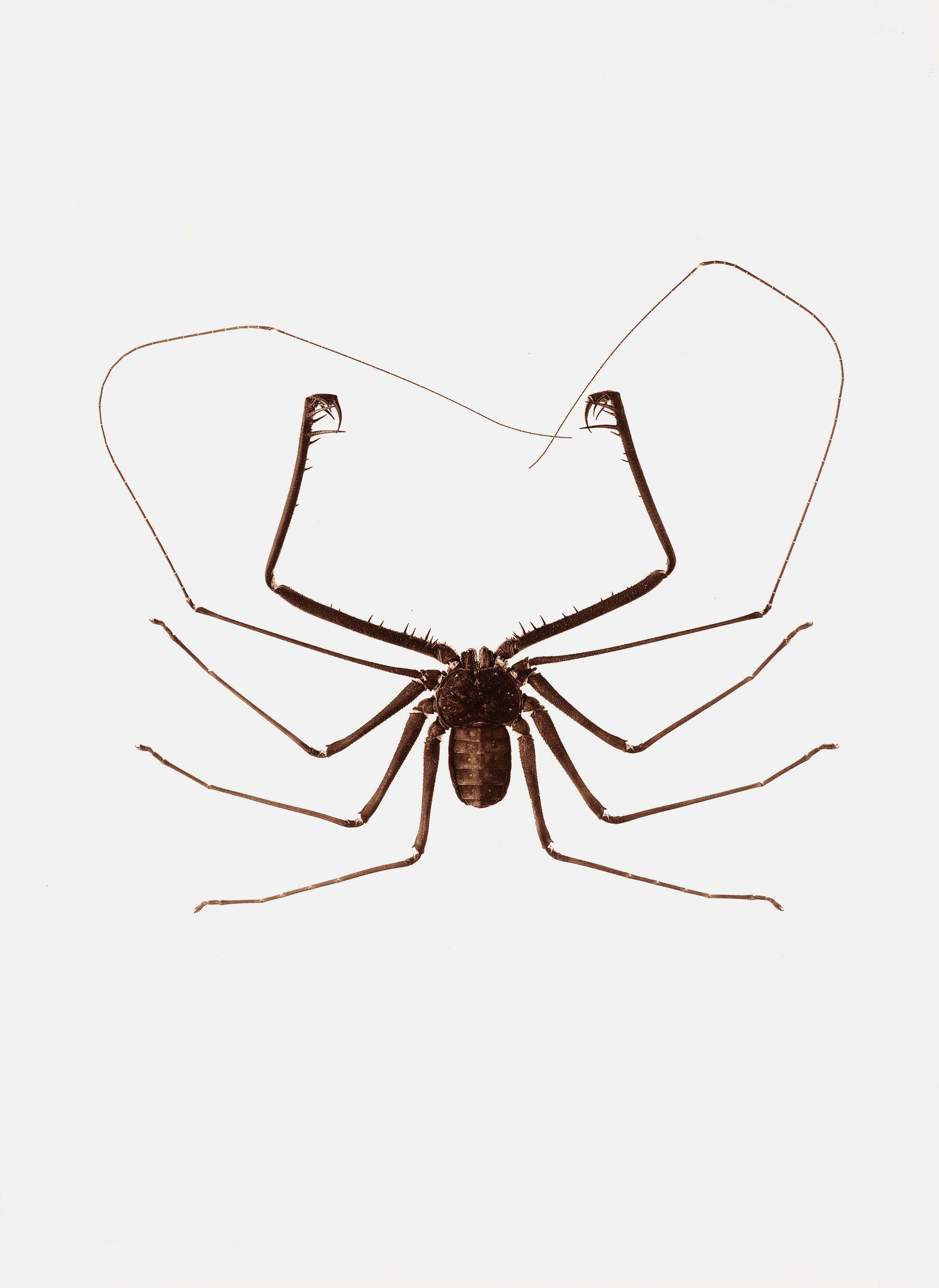



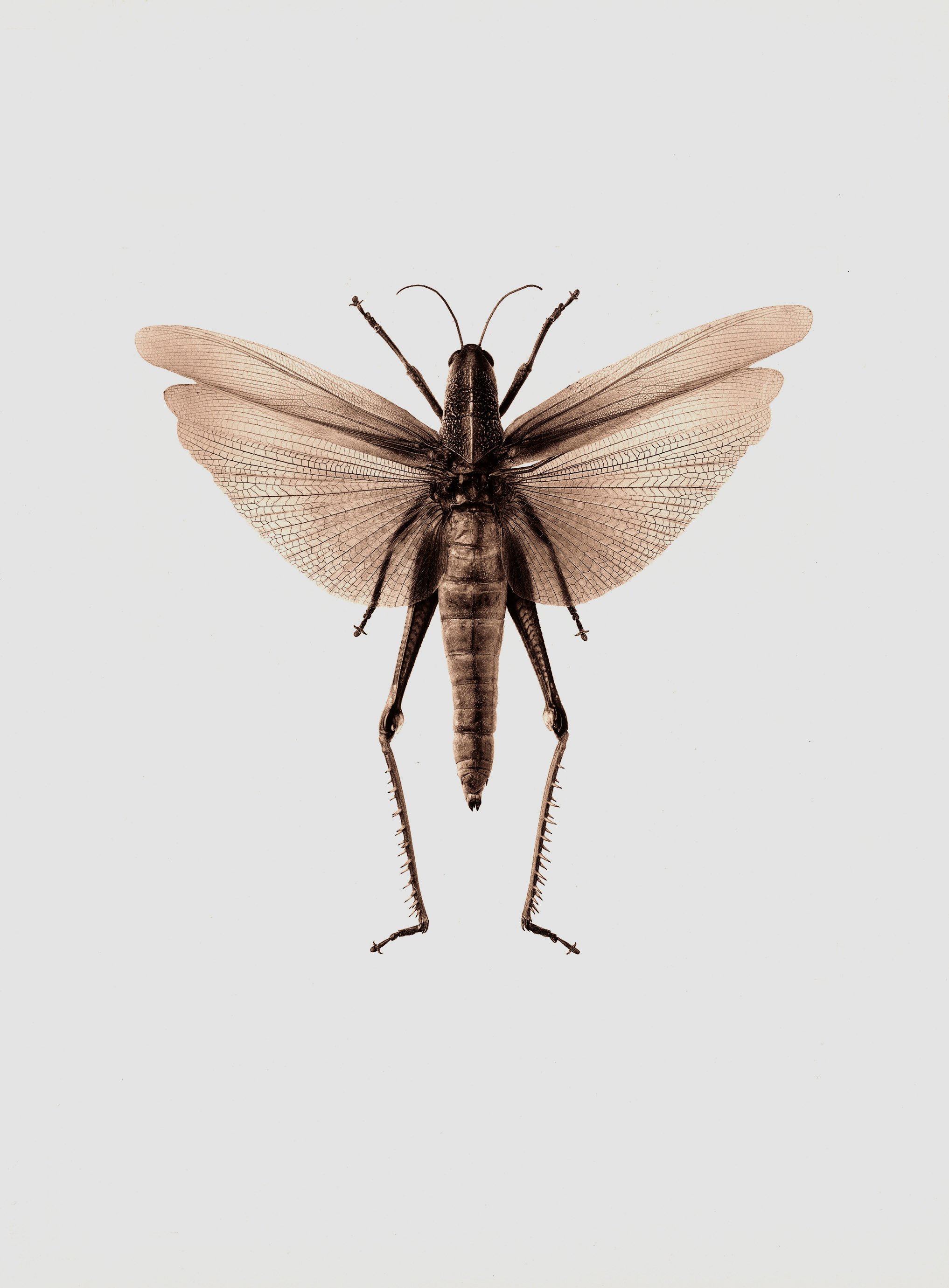
Of Monsters and Dragons - Salt Prints
Created shortly after Essence, this series marks a decisive shift in my work.
The focus moves away from the human subject toward the investigation of form itself. What had been a search for presence and psychological depth becomes here an exploration of structure, symmetry, and perception.
It is not a departure from portraiture, but an extension of the same question—approached through a different subject.
The subjects—primarily insects—are stripped of context and scale, allowing them to shift between scientific specimen and imagined form.
At first glance, these figures appear unfamiliar, almost constructed. Only on closer inspection do they reveal themselves as real organisms. This tension between recognition and projection became central to the work.
The title Of Monsters and Dragons does not refer to the subjects themselves, but to the way we perceive them. Stripped of scale and environment, even the most common forms begin to shift. They become ambiguous, suspended between scientific specimen and imagined creature.
Printed as handmade salt prints, the images carry a softness and tonal depth that reinforces this ambiguity. The process introduces a certain distance from the object, allowing the forms to feel both precise and elusive at the same time.
Looking back, this series laid the foundation for later works such as Of Aliens, Mermaids and Medusas, Life on Earth, and Of Fear and Death. It marks the point where observation became transformation—and where photography moved from documentation toward interpretation.
Available as limited edition single prints in a size of 56 × 76 cm, and as a complete set of 16 works presented in a handmade portfolio.
Of Monster and Dragon
When we see those little spiders, bugs or other crawlers we often see people respond by screaming, killing them or running away in panic like they are facing a monster or a dragon. Getting close to those little creatures shows their amazing beauty and detail that we normally never see. Some appear to me like they would be out of another world, or almost unreal. Taking the color away by turning them into unique salt prints emphasizes the amazing structures and patterns they have.
SALT PRINTING: THE EARLIEST PHOTOGRAPHIC PROCESS IN HISTORY
Since Aristotle (384-322 BC) there is evidence that men and women have explored the relationship between light and chemicals. Remarkably, it took until 1834 before William Henry Fox Talbot discovered the process of permanent chemically produced images created by light. His salted-paper prints were the first photographic process to create a positive image from a negative. Talbot’s photogenic drawings and his continual discoveries had a profound effect on both photography and the development of printmaking.
William Henry Fox Talbot (1800-1870) came from a privileged background. He was well educated, had a brilliant mind and was curious about the world around him. Fortunately for historians and photographic researchers Talbot documented most of his experiments.
In 1833 Talbot was on holiday in Italy with his new wife and family members. He became frustrated with his inability to sketch on paper. Even with the aid of his drawing instrument, a camera lucida, he could not capture the beauty of Lake Como. Utilizing his knowledge of chemistry he pondered ways of “fixing” an image on paper. By spring 1834 Talbot’s ponderings became reality. He found the ratio between salt and silver nitrate that was essential to create and ‘stabilize’ an image. Talbot’s discovery of the salt print inspired the foundation for many future photographic processes.
In 1839 with the assistance of his colleague, Sir John Herschel, Talbot was able to ‘fix’ this image permanently on paper.
The history of Talbot and his inventions is quite remarkable. His discoveries were the foundation of the photographic processes until today.
THE PROCESS
Salt printing is a hand-coated two-step process. First, the salt solution is applied to the paper and allowed to dry. Next is the sensitizing step when a silver nitrate solution is applied to the paper to form light sensitive silver chloride. Exposure to light changes the silver chloride to the image making metallic silver.
Due to the inherent masking ability of the metallic silver the salt print can create a greater tonal range than any other photographic processes and makes it to one of the the finest and nobel printing process. Even it seems to be one of the simplest photographic processes, it is one of the most difficult to control the outcome. However the intrinsic production problems have made it a 'forgotten' process.
PERMANENCE
The salt prints of Jan C Schlegel are done in the tradition of William Henry Fox Talbot and uses the same chemical compounds. The noble 100% cotton paper, together with carefully handled fixage through Ammonium Thiosulfate and a slightly gold borax toning followed by a two hours wash give the salt print a maximum durability.
Today you can find in museums (like in the Getty Museum in Los Angeles) the original salt prints made by Talbot without any sign of fading or altering.