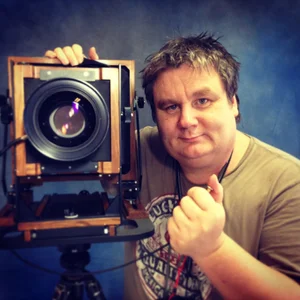
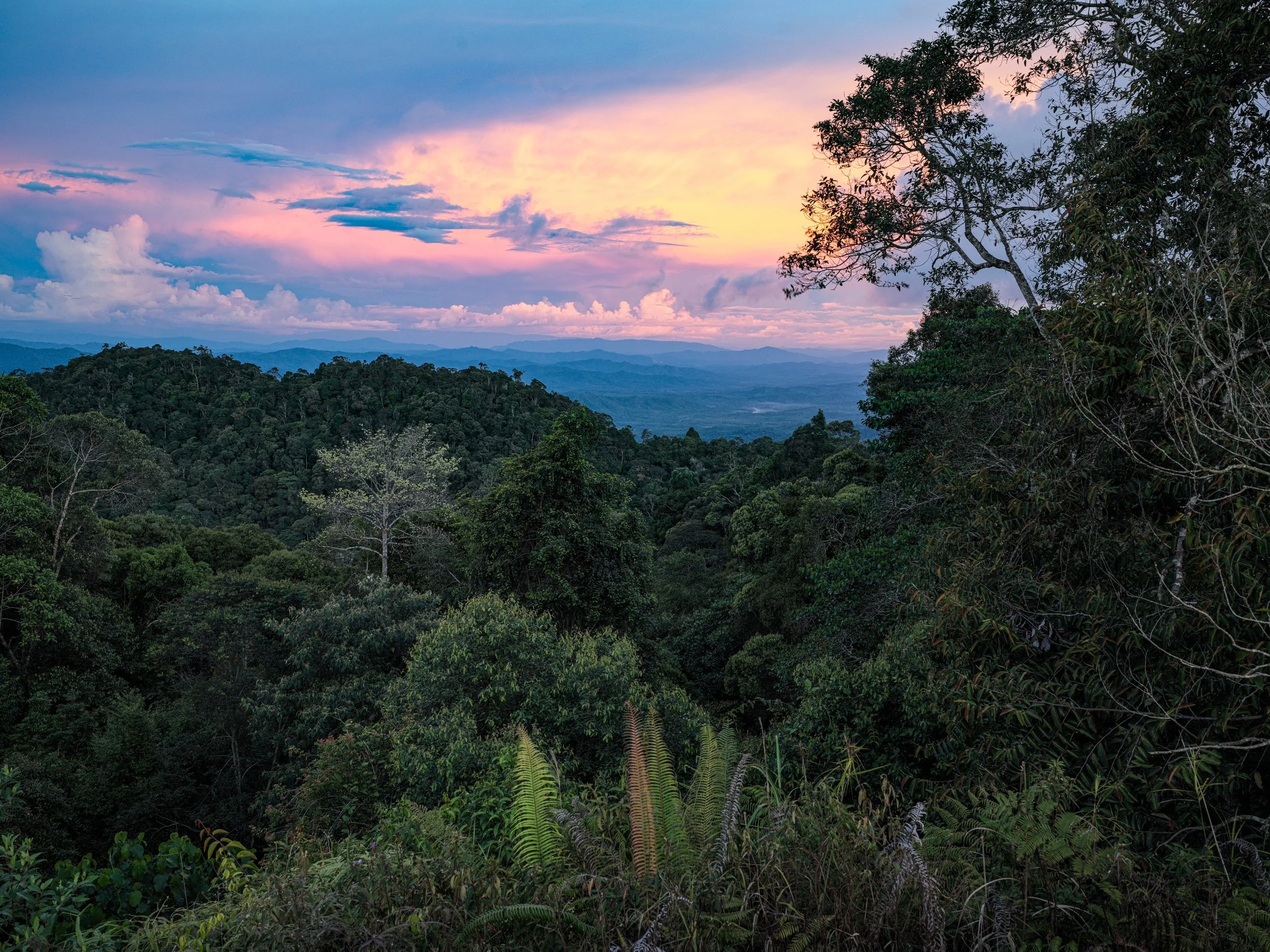
The first photograph for Paradise Lost was taken in the rainforest of Borneo in July 2026.
But the story actually began more than forty years ago.
As a child, I often sat next to my father while he drove us across Germany. During every longer journey through the countryside, there came a moment when he would pull into a petrol station, grab a bucket of water and a sponge, and clean the windshield. He was always annoyed because it was completely plastered with insects. Sometimes there were so many that you could barely see through the glass.
Back then, I never really thought about it.
That was simply how summer was.
Forty+ years later, I drove almost 3,000 kilometres through Germany and Italy in just a few summer days.
Somewhere during that journey I suddenly remembered my father cleaning the windshield.
I looked at mine.
There wasn’t a single insect.
Not one.
That surprised me.
It was one of those moments that seem insignificant at first but refuse to leave your mind and triggered my curiosity.
What happened?
I started reading. I dug deeper. The more I researched, the more concerned I became.
We are losing insects at an astonishing rate.
Not because of one great catastrophe, but because of thousands of small decisions. We replace wildflower meadows with monocultures. We remove hedgerows and wetlands. We spray pesticides and herbicides. We flood the night with artificial light. We fragment habitats, warm the climate and slowly dismantle delicate relationships that took millions of years to evolve.
Most people hardly notice.
After all, they are “just insects.” Too often—just like they were for my father forty years ago—they are seen as something annoying rather than something precious.
Yet they are among the most important living creatures on our planet.
They pollinate plants. They recycle nutrients. They build healthy soils. They feed birds, reptiles, amphibians, bats and countless mammals. They are the invisible foundation of life itself. Remove enough insects, and everything above them slowly begins to weaken.
That realization stayed with me.
I decided one of the first chapters of Paradise Lost had to be about them.
So I travelled to the mountains of Borneo, where I spent four unforgettable nights at a rainforest research station dedicated to the study of insects.
The station lies within one of the last remaining areas where the rainforest is still largely intact. There are no surrounding monocultures, no pesticides or herbicides, very little artificial light at night, and an extraordinary diversity of flowering plants. It offers a glimpse of what many ecosystems may once have looked like before humans began simplifying them.
I thought I knew what to expect.
I couldn’t have been more wrong.
Every evening, just before sunset, I erected a simple white moth trap using a large piece of linen fabric I had brought from Germany and switched on a powerful mercury-vapor light.
Then I waited.
As darkness fell, the first insects arrived.
An hour later there were hundrets.
By midnight there were thousands.
And between three and four in the morning, the white fabric had become something I can only describe as another world.
Unbelievable.
Not only was the fabric covered with insects—I was covered too.
They landed on my arms, my legs, my camera, my tripod. At times I felt they were crawling under my T-shirt and even into my clothes. It sounds almost unbelievable, but that was the reality. Huge beetles, extraordinary moths, grasshoppers, mantises and countless insects I had never seen before. And the closer dawn came, the larger and stranger the arriving species became.
I had never imagined such abundance.
It was alive.
It was magical.
It was overwhelming.
Every second the scene changed.
I’ve always loved moths. In fact, years ago I even bred several species myself. They have fascinated me for a long time.
But this…
This was the insect world on another level.
A celebration of life, diversity and beauty unlike anything I had ever experienced.
I spent hours simply watching.
Looking at details.
Watching insects crawl, fly, interact and disappear again into the darkness.
Every few minutes another extraordinary species landed on the fabric. The researchers would quietly walk over, smile, and point out something particularly rare.
Those conversations became as important as the photographs themselves.
I photographed the moth trap exactly as nature presented it.
Nothing was arranged.
Nothing was moved.
Every insect chose its own place.
Nature created every composition.
To reveal the extraordinary colours and textures without destroying the atmosphere of the rainforest, I illuminated the scene with a battery-powered Profoto flash fitted with a large softbox.
The photographs you see here were all taken between three and four o’clock in the morning.
Those nights were unforgettable.
I was never alone.
Monkeys passed through the trees. A leopard visited and watched what I was doing.
Huge bats repeatedly swept past me, catching moths in mid-air only meters from where I stood.
An owl watched silently from one of the branches above me.
The rainforest never slept.
Every sound reminded me that I was only a visitor.
I learned more about insects during those four days than I had during the previous decades of my life.
And with every conversation, every new species and every hour spent in that rainforest, I became even more convinced that we have forgotten to value the small things that quietly hold our world together.
Over those four nights I created three photographs.
So far, I have developed only two.
The third is still waiting in the darkroom.
Today I would genuinely like to ask for your help.
Which of these two photographs speaks to you more?
But even more importantly…
Why?
What do you see?
What do you feel?
What keeps your eyes returning to one image rather than the other?
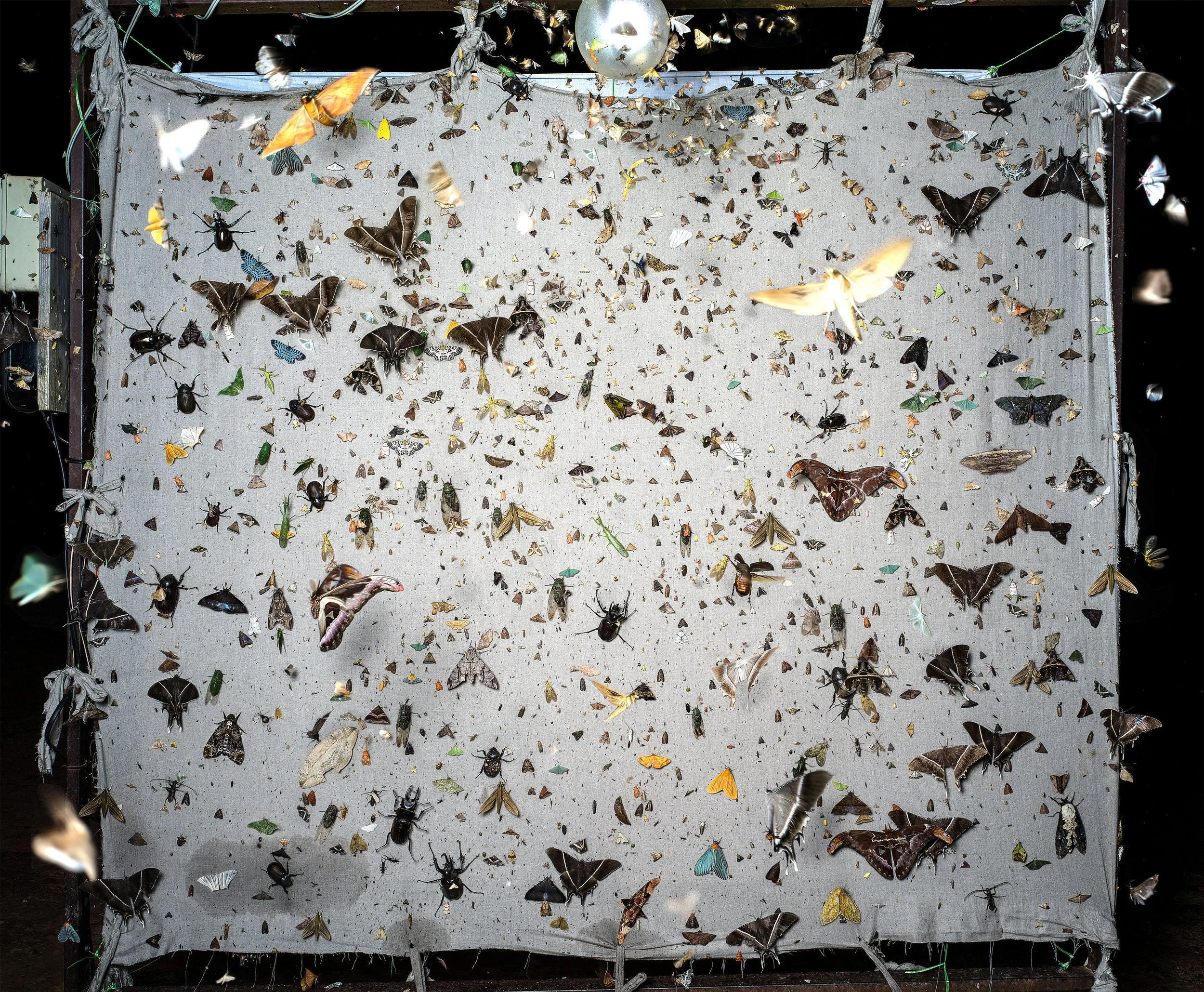
Version 1
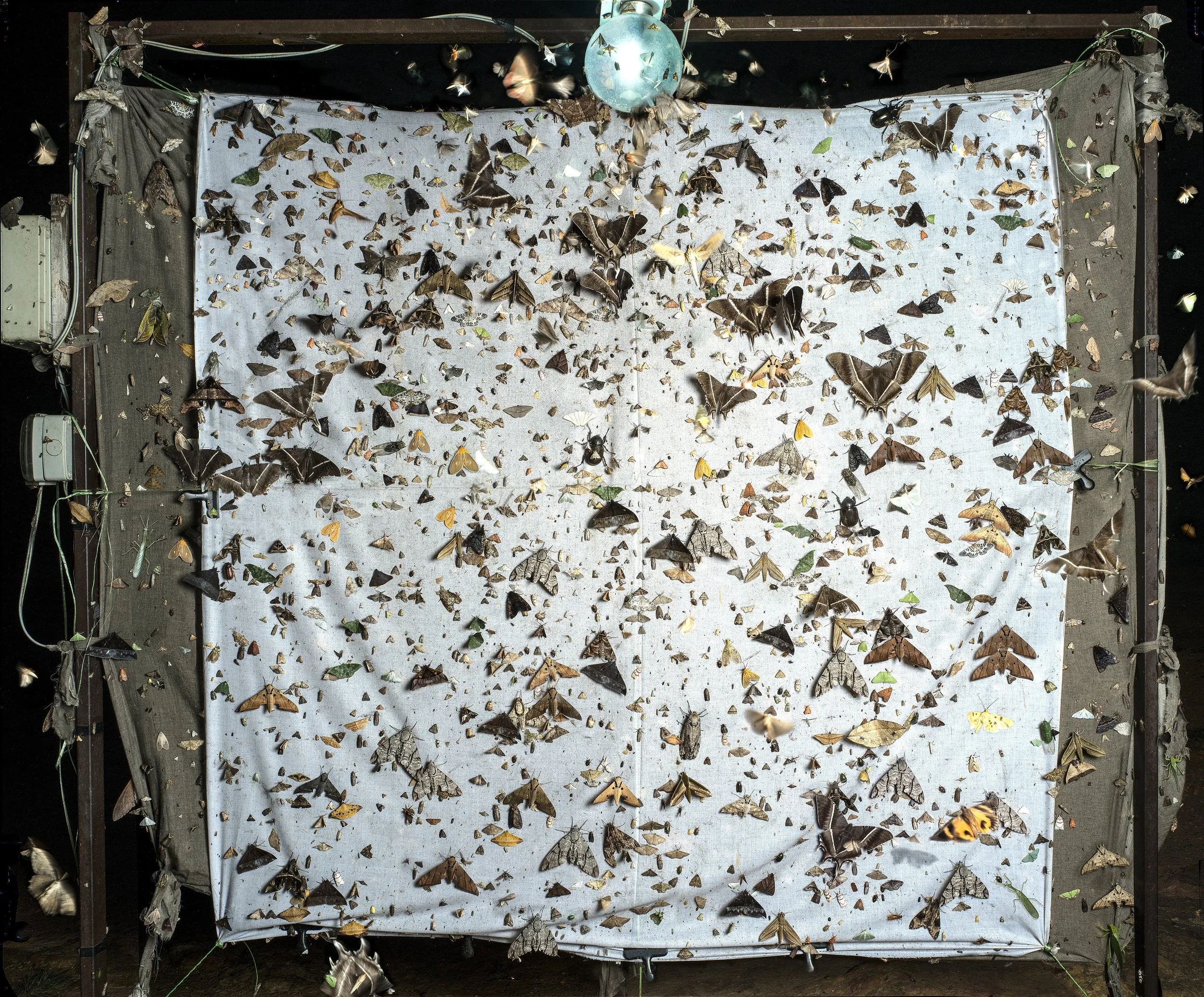
Version 2
As I wrote in my last Studio post, this page is not a finished exhibition.
It is a place where I want to share my work while it is still evolving.
A place where collectors, curators, galleries and friends can look behind the curtain, follow new projects as they develop, and perhaps even influence them through thoughtful conversation.
I read every comment.
Every thought.
Every criticism.
Every idea.
I may not always agree.
But I promise I will always listen.
Because I am still learning.
And perhaps that is the greatest gift photography has given me.
The more I discover, the more I realize how much I still have to learn.
For me, that is the real story behind Paradise Lost.
Not simply that we are losing nature.
Not simply that insects are disappearing.
The real tragedy is something far more unsettling.
It is that we have become so accustomed to these losses that we hardly notice them anymore.
Forty years ago, my father complained because insects covered his windshield.
Today, we drive thousands of kilometres without seeing a single one.
Somewhere between those two journeys, paradise quietly disappeared.
And perhaps the greatest tragedy of all is not that we are losing it.
Perhaps the greatest tragedy is that it disappeared so quietly that most of us never realized it was gone.
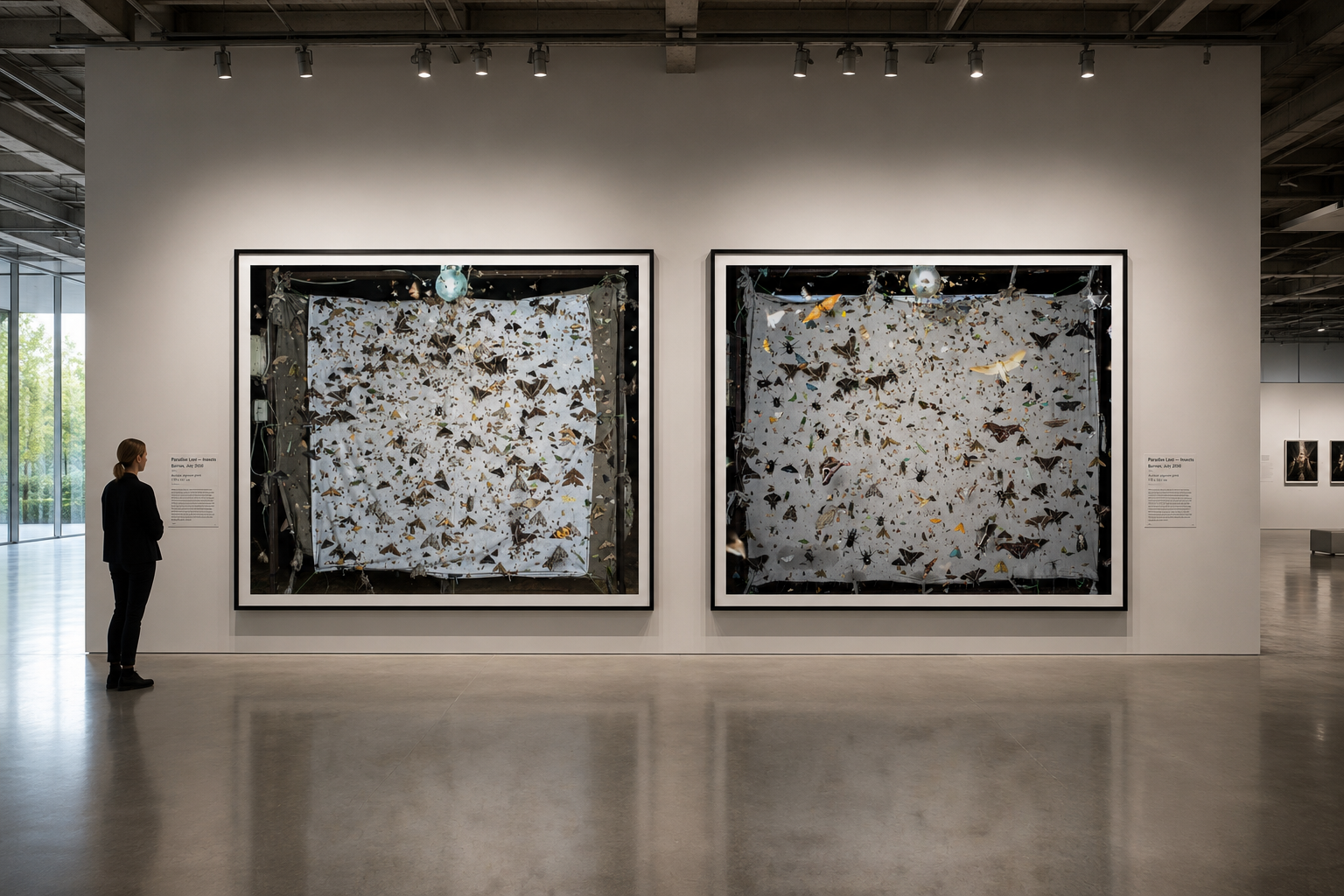
Over those four nights I created three photographs. So far I have developed two of them. Looking at them side by side, I already know that only one can become part of Paradise Lost. A series is only as strong as its weakest image, and every photograph has to earn its place. Choosing between them isn’t easy to me.
If one of these photographs becomes part of the series, the next challenge begins.
I don’t want it to be experienced as a small photograph on a wall.
I want it to become an encounter.
The final print will be approximately 170 cm (67 inches) wide—Thats life-size. Standing in front of it, I want you to slowly travel across the image with your eyes, discovering one extraordinary insect after another. I want people to experience the same sense of wonder I felt standing in front of the moth trap at three o’clock in the morning.
The challenge is that I don’t want to produce it as an inkjet print.
I want it to be created through a chemical photographic process, staying true to the way I have always worked. At this size, that is technically extremely demanding, and at the moment I am still exploring how to make it possible without compromising the quality or the vision.
If any of you have thoughts, ideas or know of processes that might make this possible, I would genuinely love to hear from you.
Sometimes the best ideas come from unexpected conversations.